

Jalori Pass Trek Distance, Best Time, and How to Reach
Jalori Pass is among the most beautiful hill stations in Himachal. Majestic surroundings, a serene environment, spiraling mountain roads, and the extensive Himalayan range make it a perfect hill station to visit in Himachal Pradesh. Situated in the Seraj region of Kullu district, Jalori Pass is a mountain pass at a height of approximately 3,120 meters connecting the valleys of Banjar and Ani. The place attracts tourists who are staying in Jibhi, Tirthan Valley, and Shoja. In addition to admiring the beauty of the pass, other places such as Raghupur Fort and Serolsar Lake can be visited. The trails provide various trekking experiences, and so, Jalori Pass can be enjoyed by those who are looking for a casual walk or a moderate trek. Here's all you need to know about the Jalori Pass trek distance, the best time to visit, its weather conditions, and other details that can help you in planning your trip to the place.
Where Is Jalori Pass Located?
Jalori Pass is located in the Kullu region of Himachal Pradesh. It is specifically located along the National Highway 305 between Ani and Banjar Valley. The region is characterized by Himalayan mountains and heavily wooded mountains. The pass is located about 12 km from Jibhi and about 5 km by road from Shoja. It serves as a significant trailhead for treks leading to Serolsar Lake and Raghupur Fort. The temple of Jalori Mata is at the top, along with seasonal tea stalls and local food stalls. The scenic mountain views on the road at the time are a perfect place to stop for photography lovers, nature lovers, and road trip enthusiasts. Jalori Pass Trek offers a beautiful Himalayan experience with forest trails, mountain views, and scenic landscapes around the Seraj Valley. Explore the Jalori Pass Trek to learn more about the trekking route, trail difficulty, and what to expect along the journey.
Jalori Pass Trek Distance and Difficulty Level
Trekking options can be found at all places near Jalori Pass. But there is a slight difference between trekking to Jalori Pass and walking from Jalori Pass to the neighboring destinations. The pass can be reached by road when the highway is open. The main walking trails go in the direction of Serolsar Lake and Raghupur Fort.
1. Jalori Pass to Serolsar Lake
Hiking distance: Around 5 km one way
Total walking distance: Around 10 km
Length of trek: 3-4 hrs or more, depending on pace and stops
Difficulty level: Easy to moderate
Trail characteristics: Forest trail with moderate grades
The Serolsar Lake trek is the most famous walk from Jalori Pass. The walk takes you through oak, pine, and rhododendron forests to the peaceful Serolsar Lake. Serolsar Lake is a revered lake for the villagers and is believed to be the lake of Goddess Nagin Budhi. Take some rest at the lake before retracing your steps back to the same trail.
2. Jalori Pass to Raghupur Fort
Trekking distance: 2-3 km (one way)
Total walking distance: Around 4-6 km
Trek time: 2-3 hours for the return journey.
Difficulty level: Moderate
Trail type: Forest trail and then a steeper climbing section
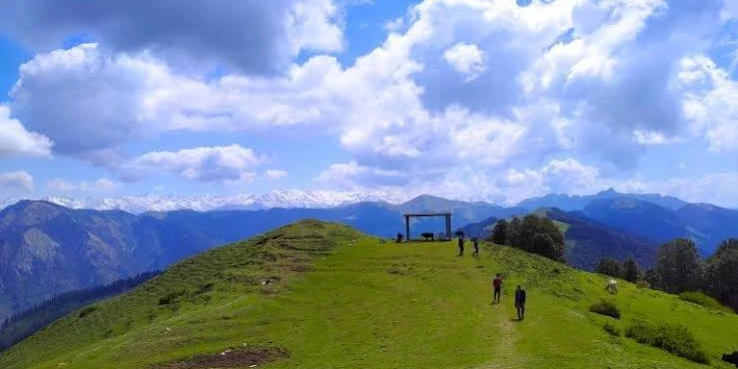
Raghupur Fort is one of the more popular treks close to Jalori Pass. The path takes you through wooded patches before opening out into a lush grassy ridge, which offers panoramic views of the mountain ranges.
Many of the stone remains are left of the fort, with a beautiful viewpoint. It is ideal for those who want a trekking tour with reduced trekking time but with elevation. The distances indicated are rough estimates of the time required for each trek and may differ depending on where you begin the trek and which track you take.
Best Time to Visit Jalori Pass
March to April—Spring Season: Spring begins the trekking season, although there may still be snow falling at high elevations in early March. The woods around us grow greener as the temperature climbs. Colour is added to the mountain view by the Rhododendron blooms, and the season becomes interesting for nature enthusiasts. However, road access is limited by snowfall and snow clearance. Please check the road conditions in the area before travelling.
May to June—Best Time for Trekking: May and June are the most pleasant months to visit Jalori Pass. You can enjoy walking around the forest trails and other sites due to good weather. The way to Serolsar Lake is cleared during the normal phase of snow melting, and the atmosphere is fresh and green.
July to August—Monsoon Season: The monsoon season also means that the forests of the area will be in rainfall for that year, making it lush and breathtaking. It also tends to not be the best season for trekking. The slippery forest path due to heavy rain and rain, obscures visibility to the mountain roads and increases the risk of landslides. Travellers should keep an eye on the weather and be cautious when trekking in the wet season. During times of heavy rain, trekkers should refrain from the journey.
Autumn (September–November): Another best time to visit Jalori Pass is from September to November. The mountain view takes on a different look after the monsoon, as the skies tend to be clearer and the mountain view spectacular. October is an ideal month for photography and peaceful nature walks. Wear something warm as the weather is not as hot as in summer, especially in the mornings and evenings.
Dec - Feb - Winter Season: During the winter, the Jalori Pass region is blanketed by snow. The snow can blanket the roads, woodlands, and trails up nearby hills, tempting drivers and hikers with the chance to enjoy Himalayan winters. The caveat: The Jalori Pass road is usually closed during heavy snowfall periods—from around December to March. Closure and opening dates depend on snow clearance and weather. Never assume that the pass or the trekking routes will be open in the winter.
How to Reach Jalori Pass
By Road: The most convenient way to travel to Jalori Pass is by road. By road through Delhi: Following the Chandigarh-Manali highway from Delhi, the journey will be to Aut. From Aut, Banjar and Jibhi will be passed. Afterwards, reach Shoja and Jalori Pass. Delhi, Chandigarh, Mandi, Aut, Banjar, Jibhi, Shoja, and Jalori Pass. The drive from Jibhi to Jalori Pass is about 12 km, with occasional steep gradients, sharp turns, and narrow sections. Only experienced mountain drivers should take the road, especially in the rain or cold weather.
By Bus: Not all main cities have direct daily long-distance bus connectivity to Jalori Pass. You can also take a bus up to Aut or Banjar, and from there, you can go to Jibhi or Shoja. The bus you'll get will be a local bus or cab. If the road is open, a local taxi from either of the villages listed above is usually the most convenient way to get to the pass.
By Train: The broad-gauge railheads most convenient for the onward stage of the journey will vary according to your intended route and onward travel plans. The most frequently used railhead for arrivals from North Indian cities is Chandigarh. You can follow the road from Chandigarh to Aut, Banjar, and Jibhi.
By Airport: Closest Airport – Bhuntar Airport (near Kullu). Flights may not be readily available, and they may be impacted by weather conditions. Visitors can hire a taxi or make their way by road towards Aut, Banjar and Jibhi from Bhuntar before proceeding to Jalori Pass. The easier option for most visitors would be to drive through Aut and Banjar.
Places to Explore Near Jalori Pass
Jibhi: Jibhi is a beautiful mountain village surrounded by dense forests and pretty wooden cabins and streams. It is the typical jumping-off point for anyone heading to the Banjar Valley and Jalori Pass.
Shoja: Shoja is a small hill village situated a certain distance from Jalori Pass. Shoja, a hill station, presents spectacular mountain and greenery views and is a perfect hill station to go to when you want a break from tourist spots.
Serolsar Lake: Of course, a trekking walk: Serolsar Lake. A perfect lakeside setting in Himachal Pradesh that is added to the list of best places to visit in Himachal Pradesh. The serene scenic beauty makes for a much-loved experience.
Raghupur Fort: Raghupur Fort has a beautiful meadow, mountain views, ruins, and a mountain trek. It's just an uphill walk, so if you want to walk around and see the sights, this is the place for you!
Things To Carry On Jalori Pass Trek
Some of the walking trails around Jalori Pass are quite easy to walk through.
A few essentials to pack:
Walking shoes: Slip-ons with a good rubber sole, ideally lower down at uneven and icy areas.
Since it is often cool when it is high in summer.
Water bottle: Pack enough potable water for your trek to Serolsar Lake.
The weather is unpredictable in the mountains.
Snacks: Bring small snacks like nuts, fruits, and energy bars.
Sun protection & sunglasses: Use sunscreen and sunglasses to protect you and your eyes from the glare of the high-altitude sun.
First-aid kit: Bring along some drugs, bandages, and medication you take.
Power bank: Most of the time, connectivity and charging around the trekking areas are not very good.
Do not litter your way during the trek. Make a promise that you will observe the religious rituals of the Serolsar Lake.
Important Travel Tips Before Visiting Jalori Pass
Always check road conditions before driving, particularly in winter and early spring.
Begin your trek early in the morning to avoid clouds in the afternoon, and give yourself plenty of time to make the return trip.
Refrain from journeys along the mountain roads after nightfall as much as you can.
Never go trekking in heavy rainfall, snowfall, or low visibility.
Have some cash in hand as the digital payment facilities may not be available in most of the remote areas.
Be sympathetic to local customs, and don't leave litter in temples, forests, and lakes.
Take some time to acclimate, particularly if you're coming directly from the plains.
Conclusion
Jalori Pass, a nature lovers’ paradise. Jalori Pass is a perfect haven for lovers of beautiful, remote mountain terrain, tranquil forest trails, and remote Himalayan excursions. Whether it's strolling the paths to the Lake of Serolsar, hiking the rugged trail to Raghupur Fort, or just soaking in the mountain views, it will be an experience. The perfect itinerary would be to select the season, check for open roads, and plan according to the trekking trail. When well planned, Jalori Pass can be a great inclusion for your Himachal Pradesh tour package. In case you are interested to get a little more information about the trek of the Himalayan Valley trek, then you are supposed to try the Jalori Pass trek package, which will give you a nice idea about the packages for trekking.