


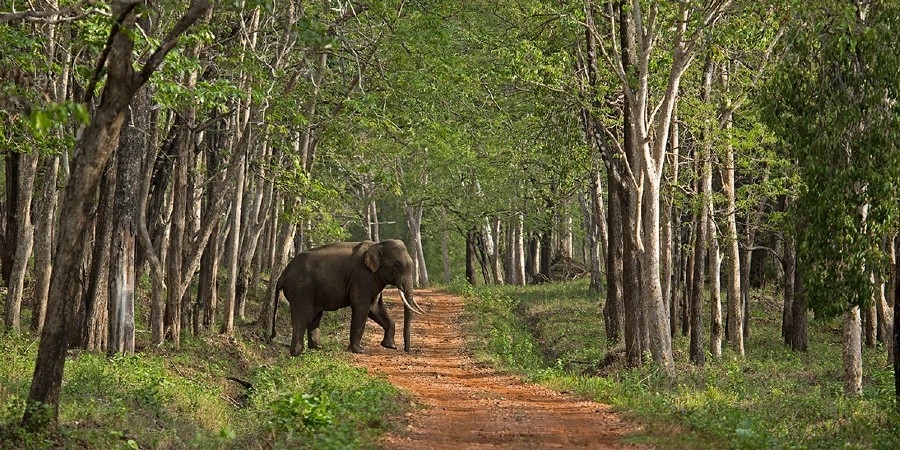
1. Bandipur National Park: Karnataka's Jewel of WildlifeAmidst these magical landscapes, the Western Ghats is home to one of India's most celebrated and widely acclaimed wildlife sanctuaries, Bandipur National Park. It has an area of more than 874 square kilometers and falls within the Nilgiri Biosphere Reserve, declared as a biodiversity hotspot by UNESCO. Home to thriving tigers, majestic elephants, and rich flora and fauna, Bandipur offers a truly unique experience for nature lovers, wildlife enthusiasts, and eco-tourists alike.This guide will find us delving into what makes Bandipur National Park an extraordinary destination, including its history, unique biodiversity, attractions, the best time to visit, and tips for an unforgettable trip. Activities and Attractions in BandipurJeep Safaris: Jeep safari is one of the most sought after activities in Bandipur; people can enter the core zones of the park and view wild animals in their natural habitats. The ride is undertaken at morning and evening times when the animals are most active.Nature Walks and Birdwatching: Bandipur is very suitable for nature walks, where one can obtain a close view of its flora and birdlife.Gopalaswamy Betta: This scenic hill located inside the park has on its top a hundred years old temple devoted to Lord Gopalaswamy. This hill offers bird's eye view of the forest around it and is a wonderful location for taking photographs.Eco-Tourism Activities: Bandipur practices eco-tourism by initiating education activities along with conservation ones. The tourists would get an insight into the ways through which the wildlife is protected at this park, thereby decreasing man-wild life conflicts.Ideal Time for Visit to BandipurThe ideal time to visit Bandipur National Park is during the periods of October to May. The season is pleasant and shows increased vigor among animals, thus raising the hope for animal encounters. Summer is warm but fruitful in nature while observing tigers and elephants in water bodies.How to Reach BandipurBook safaris in advance: Safari slots are highly demanded, and therefore one has to book the same in advance on their official website.Do not stray close to the wildlife, and do not litter or make any noise during your visit to the park.Carry basic necessities: carry binoculars, a camera, sunscreen, a hat, and mosquito repellent for a delightful visit.No Flash Photography: Not to be taken of animals that will disturb it and is restricted while on a safari.Colorful Attire: Earth-tone clothes like green, brown, and beige must be donned for easy visibility into the wilderness.2. Nagarhole National Park: Heaven for Wildlife EnthusiastsNagarhole National Park also known as Rajiv Gandhi National Park has indeed been one of the most beautiful, biologically diverse places in India located at a height in the southern Karnataka region and spans 643 kilometers. This is part of the Nilgiri Biosphere Reserve, very popular among the tourists for its landscape beauty, large wildlife population, and peaceful rivers crossing through the Nagarhole park, literally, 'Serpent River', by the word 'Nagarhole' which comes from the kannada language referring to the snake-winding streams here.All aspects ranging from its special features and richness of biodiversity to visiting time and leading activities are what this in-depth article will tell you about the Nagarhole National Park. Explore more outdoor travel experiences through our Weekend Getaways from Bangalore guide featuring nature and adventure destinations.Spotlights and AttractionsKabini Backwaters: The Kabini Reservoir lies at the southeastern corner of the park and is probably one of Nagarhole's high points. Dry years create an isolated landscape due to receding water tables, which attracts vast herds of elephants, gaur, and deer, thereby making it the ideal place for wildlife watching. Jungle Safaris: Nagarhole is known for its well-designed jungle safaris, through which visitors can get a view of the inner parts of the park and spot animals in their natural habitat. The safari is carried out in an open jeep or bus. The safari is taken by experienced guides.Serene Water streams: The scenic beauty of the park has been greatly enhanced by the beautiful Kabini and Lakshmana Tirtha rivers that crisscross the park and are the principal source of water for the wildlife in the park.Waterhole Observations: Waterholes are strategically placed inside the park; they are some of the best observation points when the animals come to drink, particularly in the dry season.Attractions Adjacent to Nagarhole: Attractions such as the coffee plantations of Coorg and the Ranganathittu Bird Sanctuary add value to a trip to Nagarhole.Best Time to VisitThe best time to visit Nagarhole National Park is during the period from October to May when, in these months, it experiences post-monsoon and winter seasons. The season is just perfect as there are very pleasing climatic conditions, and it's also quite rewarding for seeing animals. One can spot almost all animals during the summer season that ranges between March to May as it rains and creates water bodies at places. The safaris are very wonderful during the winters which are not as hot compared to those during the summer seasons.3. Bannerghatta National Park: A Wildlife Haven near BangaloreBeing located at just 22 kilometers from the noise of Bangalore city, Bannerghatta National Park is an oasis for fleeing into nature. It encompasses more than 104 square kilometers of ground and is beyond a haven for wildlife since it also acts as a center for conservation and education. Families, those who love nature, and the looker-on who wants to find an easy option within city limitations especially favors this place.This guide explores the uniqueness of Bannerghatta National Park, from the unique attractions to visiting time.Attractions of Bannerghatta National Parka) Butterfly ParkThe Butterfly Park is one of the attractions and an India-first-of-the-kind park. This place, housing more than 48 species of butterflies, is established amidst a beautiful garden of flowering plants, a museum, and an artificial waterfall. The enclosed butterfly conservatory feels like something out of a fantasy novel, with brilliant butterflies dancing all around you.b) Safari ParkA. Safari Park is an exhilarating experience because it is a face-to-face view of wildlife within a semi-natural habitat. The safari park is divided into areas:Lion Safari: Observe Asiatic lions sauntering at their will.Tiger Safari: Observe Bengal tigers at majesty.Bear Safari: Watch sloth bears in the natural habitat.Herbivore Safari: Look at the ambulatory animals- deer, antelopes, and bison.c) Rescue and Rehabilitation CentreThis place provides shelter to rescued animals that come from circuses, illegal captivity, or get injured in the wild. The center is an essential resource toward wildlife conservation, and visitors are made aware of the issue of animal welfare.d) Zoo and Biological ParkThere are various animals, reptiles, and birds that dwell in this environment and most of them have been kept in enclosures and therefore very close to the ecosystems they produce. The zoos feature species of panthers, elephants, and zebras among other other rare birds and would be an excellent educative venture for kids and adults as well.AnimalsBannerghatta National Park serves as the home to broad-range animals as mentioned in the classification:Mammals: These include Bengal tigers, Asiatic lions, sloth bears, leopards, and elephants.Reptiles: Indian rock pythons, cobras, and crocodiles.Birds: Peacocks, parakeets, hornbills, and kingfishers.Butterflies: There are many different species of butterflies, that could be seen in the Butterfly Park.Activities and ExperiencesJungle Safari: The central entertainment of the park is the jungle safari. In the zones designated for carnivores and herbivores, tourists could see the various animal life up close yet safely.Butterfly Watching: Take your time in the Butterfly Park just watching beautiful insects in nature's habitats and observing the very life cycle exhibited there in regard to the butterflies museum offers educative information.Nature Walk: The park will be quite appropriate to walk; thus, a quiet landscape which hosts walks across will easily connect people to nature coupled with some observations regarding small animals nearby.Wildlife Photography: The diversified wild life and panoramic view is heaven for photographers. Right from the regal tiger to the beautiful butterfly, all can be captured.Educational Tours: Bannerghatta offers educational tours for schools and colleges related to wildlife conservation and biodiversity.Best Time to VisitThe best time to visit Bannerghatta National Park is between November through June when climatic conditions are healthy and animals are visible comparatively more. The monsoon season is not advisable as heavy rainfall may not encourage safari exploration experiences.Tips to VisitorsBook in Advance: Tickets for the safari can be booked online so that one does not have to wait in the queue during weekends and holidays.Pack the Basics: Water, sunscreen, hat, and comfy shoes.Respect Wildlife: No littering inside the park. Keep silent inside the safari vehicles.Whole Day Plan: Take a whole day out to visit all the attractions in the park.4. Dandeli Wildlife Sanctuary: Thrilling Wilderness Adventure in KarnatakaDandeli Wildlife Sanctuary is a nature heaven nestled in the Karnataka's Western Ghats. Among South India's wildlife sanctuaries, this is the most sought after one. It is the second largest wildlife sanctuary in Karnataka and declared a tiger reserve in 2007. The sanctuary covers more than 866 square kilometers, with some of the most exotic wildlife species in it, besides offering plenty of adventure activities, which makes it a destination for both nature enthusiasts and adventure seekers and photographers of wildlife.Let's dig into the details that make Dandeli Wildlife Sanctuary special-from its history to the unique attractions, flora and fauna, and exciting activities.Dandeli Wildlife Sanctuary Attractionsa) Unique WildlifeDandeli Wildlife Sanctuary is known for its biodiversity with:Black Panthers: This is one of the most elusive big cats and when one gets a glimpse of the black panther, it is just surreal here.Hornbills: It's a bird lover's paradise here in the sanctuary because it harbors four different species of hornbills, in addition to the Great Indian Hornbill.Leopards and Tigers: The sanctuary is part of Kali Tiger Reserve and harbors leopards and Bengal tigers.Elephants and Bison: This is home to the docile giant roaming about in the grasslands.Reptiles and Amphibians: The sanctuary is home to crocodiles, king cobras, and frogs.b) River KaliThe lifeblood of the sanctuary, Kali River is the lifeline of the sanctuary with smooth flow. Water from this river is sourced by the very rich ecosystem that prevails within. The Kali River offers many adventure activities such as white-water rafting, kayaking, and river crossing.c) Syntheri RocksThis is one of the widely explored geologic wonders in the sanctuary. These enormous monolithic rocks made of limestone, carved over the years by the flowing river, are highly appreciable and very tourist-centric places.d) Cavla CavesAncient limestone caves are another great landmark of Dandeli. They are visited for the mammoth stalactites, stalagmites, and unknown mystery within the underground chambers that attract explorers and history lovers.Adventure Activities in DandeliDandeli Wildlife Sanctuary is not only a place for wildlife, but it also offers adventure activities that give an adrenaline rush and the chance to explore the natural beauty of the sanctuary.Wildlife Safari: The safari experience at Dandeli is simply thrilling. Jeep safaris begin from various corners of the forest and allow people to see wildlife in its natural habitats. The feeling of seeing a tiger, leopard, or black panther can't be compared with anything else.White-Water Rafting: The Kali River offers white-water rafting experiences. The rapids here range from grades 2 to 4, so whether you are an amateur or expert rafter, that is not a problem; this place is for all of you.Birdwatching: Birdwatchers must have been in heaven in Dandeli. You would be spellbound by the sight of flying hornbills or the call of a Malabar trogon. Don't forget to bring those binoculars up close! d) Trekking. Various trekking trails within the sanctuary take you through dense forests, rocky terrains, and serene riverbanks. Trekking here offers a chance to connect with nature while enjoying breathtaking views.Kayaking and Boating: There is kayaking or boating on the still waters of Kali River for a more relaxed water activity.Camping: Amongst the star-filled night sky, one can pass his time to listen to the nature sounds. The night Dandeli camping is magical as it allows spotting of the stars and nocturnal wildlife too.Ziplining: Zip line crossing over Kali River, giving a bird's eye view of the lush green of the sanctuary and the meandering river below.Best Time to VisitDandeli Wildlife Sanctuary would be visited between October and March since it is pleasant weather and there are more chances of wildlife sightings.Seasonal GuideWinter: October to MarchWildlife safari, bird watching and some of the adventurous activities.Summer: April to JuneWildlife is highly possible as animals do love to group together for sources of available water, but will be relatively hot.Monsoon (July to September): The Sanctuary will still be a green haven destination, but safaris can be conducted fairly extensively because of the rains. For family-friendly nature escapes, check out our Family Weekend Getaways From Bangalore guide.How to Reach Dandeli Wildlife SanctuaryBy Air: Nearest airport is Hubli Airport, which is around 75 km. Dabolim Airport in Goa is also accessible within a distance of approximately 145 kmBy Train: Nearest Railway station Alnavar Junction, which is 32 km away Hubli Railway Station can also be taken as nearest railheadBy Road: Dandeli is also pretty well connected through road. Bus and Taxi are available from major cities like Bangalore, Hubli, and Goa.How to Visit Dandeli Wildlife SanctuaryAdvance Booking: The safaris and adventure activities book in advance, mainly during peak seasons.Carry Necessities: Water, sunscreen, insect repellent, clothing, and footwear.Respect Nature: Do not litter and keep silence while going for safaris and other adventure activities.Follow Guidelines: Obey the safety instructions while going for safaris and adventure activities.Be Alert: Open up your eyes to catch the wildlife, especially on early morning safaris.5. Bhadra Wildlife Sanctuary, a Serene Karnataka WildnessBhadra is one of Karnataka's beautiful residences for wildlife as well as its natural surroundings in Chikkamagaluru and Shivamogga districts. One of the Indian subcontinents' treasure house of scenic grandeur-the Bhadra Wildlife Sanctuary encompasses almost 490 kilometers. The rich flora and fauna with outstanding landscapes like any other part of the Western Ghats in Bhadra shine the meekness of a tiger population, thrill the senses with vibrant bird species, and run away from mundane life to dive in pristine beauty and be one with nature.Bhadra Wildlife Sanctuary FeaturesTigers and Leopards: Bhadra Wildlife Sanctuary Part of Project Tiger It is known to be tiger destination. The joy to see the tiger or the leopard in the open will not be described in words.Varied Birds: It is a true birding place with over 250 avifauna varieties, including the list of: i) Malabar Whistling Thrush ii)Great Hornbill iii)Blue -tailed Bee-eater iv)Emerald Dove v)Scarlet MinivetHeavy Forests: The sanctuary is scattered with dense deciduous forests full of bamboo groves that augment the ethereal beauty.Bhadra River: The river does not only provide sustenance to the flora of the sanctuary but also supports thrilling activities like river cruises and boating, so the tourists are allowed to enjoy the scenic beauty coupled with the fauna.Trekking Trails: There are several trekking trails running across thick forests, grasslands, and mountain ranges which provide fantastic vistas.Hebbe Falls: Not far away is the picture-perfect Hebbe Falls-forget it was missing during your visit to the sanctuary. A cascade of waters amidst thick greens puts up a beautiful scenario.Activities and Experiences in Bhadra Wildlife SanctuaryWildlife Safari: The biggest attraction about Bhadra is the wildlife safari, taking the visitor into a deep forest where one can enjoy the real time view of animals roaming in nature. See a tiger, leopard, or herd of elephants. Nothing can be compared to this.Bird Watching: There are some more than 250 bird species. It is a popular pastime among visitors. River cruises - serene environmental conditions attract many birds The Bhadra River cruise offers an extremely silent trip through where one can even get a panoramic view of the beautiful landscapes around with the aquatic creatures and birds too. It serves as an amazing experience to study the sanctuary through other eyes as well.Trekking: Trekking through trails within the park will give very good bonding time for human beings towards nature. Famous treks include the Bababudangiri Hills and the Kallathigiri Falls offers breath-taking scenarios. Another experience remains camping in Bhadra among lush green sceneries. Enjoy the natural sounds, gaze upon the stars, and campfire f) Water Sports, Besides River Cruise, the kayaking and boating facility in river Bhadra add an element of adventure in the tripIdeal Time to VisitBest Time to Visit: Bhadra Wildlife Sanctuary can be visited during November to March. The cool and pleasant climate of this place allows one to see the wildlife animals without any hassle.Bhadra Wildlife Sanctuary AccessBy Airport: Nearest airport: Mangalore Airport. It is about 180 km from the place and another Nearest airport is Kempegowda International Airport, Bangalore. The distance is about 285 km from the sanctuary.By Rail: The nearest railway station is Tarikere, which is 20 km from the sanctuary. Chikkamagaluru Railway Station is another nearest railway station, located about 38 km from the sanctuary.By Road: The sanctuary is very accessible by road with buses and taxis available from Chikkamagaluru, Shivamogga, and Bangalore.6. Kudremukh National Park: The Jewel of KarnatakaKudremukh National Park is the epitome of the majestic Western Ghats of Karnataka, aptly suited for trekkers, nature lovers, and wildlife enthusiasts. Stretches over an area of 600 sq. kms, national park is among the protected regions in the state that provides the unmatched blend of dense forests and rolling hills in rich biodiversity. A UNESCO World Heritage Site, Kudremukh National Park named after the face of a horse-like peak on which it rests, must be visited for anyone looking for some quiet retreat into nature. Available only in Karnataka, India.It goes deep about the beautiful attractiveness, diversity in life, and experiences Kudremukh National Park could offer.Kudremukh National Park: Tourist AttractionsKudremukh Peak: The main attraction within the national park is Kudremukh Peak, where one can get a very grueling yet very rewarding trek. Dense forests, open meadows, and gurgling streams follow one another till the final climax of breathtaking views of the Western Ghats.Hanuman Gundi Waterfalls: This beautiful waterfall lies within the national park. Commonly known as Suthanabbi Falls, it drops from a height of about 100 feet and also a favorite for picnic and photography enthusiasts.Lakya Dam: Lakya Dam is the check dam constructed across the Lakya River; full of green cover. Calm surroundings are so soothing, and in addition, very great for bird observation.Gangamoola: A UNESCO designated biosphere, Gangamool is the source of the three main rivers : Tunga, Bhadra and Netravati. Being spiritually rich is a hallmark as well as stunning beauty in these areas.Shola Grasslands: The shola grasslands that are unique features of the Western Ghats showcase Kudremukh National Park. These are grasslands interrupted by patches of forests and therefore a vital wildlife habitat.Trekking in Kudremukh National ParkKudremukh National Park is a place that is an absolute treat for the trekkers. The national park boasts some of the most scenic routes and tough treks in Karnataka. The tracks take one through a few of the rich forests, smooth hills, and glistening streams. The journey through the trek as exciting as to the destination.a) Kudremukh TrekApprox 20 kilometers (round trip)Moderate to difficult6–8 hoursDense forests, rivers, waterfalls, and panoramic views from the summit are famous.b) Kurinjal Peak Trek14 km round tripModerateTime: 4–6 hoursPoints of Interest: Flora and fauna diversity, scenic views, and gentle trails.c) Gangamoola TrekAbout 8 km returnEasy to moderateTime: 3–4 hoursPoints of Interest: Rivers' birth, lush green, and birdwatching.Trekking InstructionsPermission needs to be taken earlier by the trekker from the Forest Department.Carries a local guide with him. This is only for a piece of safety and adhering to the regimen of eco-tourism.Carry all requisite things, like water, snacks, sunscreen lotion, and good trekking shoes.Best Time to Visit Kudremukh National ParkThe best time to visit Kudremukh National Park is from October to May when it has pleasant weather and the forest is lush after the monsoons.Seasonal HighlightsWinter (October to February): It is ideal for trekking and wildlife spotting, which is feasible at the time of cool and clear weather.Summer (March to May): Wildlife can be spotted near water bodies, though it is a bit warm.Monsoon (June to September): The park is the greenest at this time of the year, but trekking and safaris are limited during heavy rainfalls and slippery tracks.How to Reach Kudremukh National ParkBy Airport: The nearest airport is Mangalore International Airport, about 100 km from the park. The other one is Kempegowda International Airport in Bengaluru, about 340 km.By Train: Mangalore Junction railway station is about 110 km from the park.By Road: There are roads that connect the park, and from Mangalore, Chikkamagaluru, and even the Bengaluru cities, buses and taxis are available.7. Pushpagiri Wildlife Sanctuary: Paradise for Nature Lovers and BirdwatchersPushpagiri Wildlife Sanctuary is a treasure house marrying the rich emerald folds of Karnataka's Western Ghats to tranquil silences. Brilliant in its biodiversity, the sanctuary features some rare birds and trekking trails with their impossible challenges as well as stretches of lands to gain tranquil quietness in the wild. Pushpagiri Wildlife Sanctuary contains more than 102 square kilometers; the part that includes a part of it being the UNESCO World Heritage Site makes it the most essential biodiversity hotspot region of Western Ghats, constituting its part.A whole guide that highlights why the importance lies in such sanctuaries about its biodiversity activities, and this sort of details presented to its visitors makes the area a home to birdwatchers, trekkers, and for people who find it a beauty spot.Pushpagiri Wildlife Sanctuary Activitiesa) Bird WatchingPushpagiri Wildlife Sanctuary is a paradise for ornithologists. Early morning hours and evening are the best times when one can glance at some rare and colorful birds. It is essential to carry with them binoculars and cameras for a successful experience of bird watching.b) TrekkingTrekking is one of the major tourist attractions for Pushpagiri Wildlife Sanctuary. The most prominent trekking routes are:Pushpagiri Trek: Moderately to challisngely steep trek that makes its way towards the top by showcasing breathtaking views as such an intense wildlife sight.Kumara Parvatha Trek: This one happens to be a most famous treck for challenges from all comparison-wise other trecks.Mallalli Falls Trail: This happens to be an easily moderate type, and they lead you to prettiest waterfall kind of experience.The sanctuary is the best destination for wildlife photographers with dense flora and fauna and scenic landscape. There is nothing like seeing rare birds, majestic mammals; it has no lack of photo ops.c) CampingIndeed, such an experience is worth making trouble for, sleeping under stars and listening to the sounds in the forest is simply unforgettable. The camping inside the sanctuary is not possible without special permission from the Forest Department.d) Nature WalksGuided nature walks also happen to be the way of knowing about the ecosystem of the sanctuary in the terms of flora and fauna.Best time to visit: Pushpagiri Wildlife SanctuaryThe best time to visit Pushpagiri Wildlife Sanctuary is between November and March when the weather is amiable with a chance of spotting animals.Seasonal HighlightsWinter (November to February) It is ideal for trek and bird watching.Summer (March to May) is warm, but the opportunities to spot wildlife near water body increase.Monsoon (June to September) The sanctuary appears greenish; nevertheless, heavy rainfalls can restrain trekking and other adventure activities.How to Reach Pushpagiri Wildlife SanctuaryBy Airport: The nearest airport is Mangalore International Airport which is about 160 km. The other is Kempegowda International Airport in Bengaluru that is 270 kms from the sanctuaryBy Train: The closest railway station is Mysuru Junction that is around 130 kms.By Road: This sanctuary can be reached by road as well. People can drive or take buses till Somwarpet or Kumaralli and from there they have to reach to this sanctuaryImportant Information For The TouristsPermission: The tourist has to take permission from the Forest Department to visit the sanctuary and to go trekking.Respect Nature: No littering and following the "leave no trace" principle.Wearing Right: Comfortable clothes and strong trekking shoes.Packing: Water, snacks, sun screen, mosquito repellent, and first-aid kit.Guided Tour: The guides available locally would also help through providing information of flora and fauna present in the sanctuary.Cautionary measures against the safety side: Don't disturb the wild and walk along the trails.8. Brahmagiri Wildlife Sanctuary: Treasures of NatureBrahmagiri Wildlife Sanctuary is one of the breathtaking havens of vibrant flora, diverse fauna, and captivating landscapes in the pristine Western Ghats. The sanctuary stretches over 160 square kilometers, straddling the Karnataka-Kerala border, offering a tranquil escape for nature lovers, wildlife enthusiasts, and trekkers alike. It is named after the majestic Brahmagiri Peak, which has been a harmonious blend of scenic views, rich biodiversity, and cultural significance.This travel guide would be very detailed, covering specialties, wildlife, activities, trekking options, conservation work, and the kind of information that would prove to be handy for any tourist to plan a visit in this place known as Brahmagiri Wildlife Sanctuary and have it an unforgettable experience.Places of attraction within and out of Brahmagiri Wildlife SanctuaryBrahmagiri Peak: Brahmagiri Peak is one of the most favourite trekking places inside the sanctuary. The lush green slopes and magnificent view of the peak attract adventure enthusiasts and nature enthusiasts.Iruppu Falls: Iruppu Falls is on the edge of the sanctuary. It is an exemplary waterfall created by the Lakshmana Tirtha River. It is also a nice picnic spot and photo destination.Thirunelli Temple: Thirunelli Temple, Kerala, is one amongst the most significant temples with people making a point to visit there for finding blessings of Lord Vishnu. The temple is also surrounded by richly green forests that would leave anyone spiritually serene. d) Streams and Rivers A lot of streams and rivers in the sanctuaries, with one being the Kaveri River, provide immense potential for rest and discovery. 4. Brahmagiri Wildlife Sanctuary Activities a) TrekkingPopular for Trekking amongst other activities done at Brahmagiri Wildlife Sanctuary is:Brahmagiri Peak Trek: Moderate-level trek; a great destination that offers fine views of Western Ghats and the massiveness of sanctuaryIruppu Falls Trek: Short walk to the falling water of the cascading of Iruppu Falls.Pakshipathalam Trek: Tough walking in dense forest with a pathway that leads through cave for avitlife. Wildlife Safaris Jeep safaris would be undertaken in the guided tours to the core areas of the sanctuary. The early morning and evening hours would present good opportunities for viewing animals.Birdwatching:The sanctuary has made its name with rich avifauna, and one can call it as a favourite haunt for bird watchers. A guide can be sought for finding the endemic species as well as the migratory ones.Photography Abundant flora, fauna, and other varied landscapes of the sanctuary provide vast photography opportunities for click-happy enthusiasts. Nature Walks,The guided nature walks would really be an eye opener to see the overall ecosystem and richness of the sanctuary.Brahma agiri Wildlife Sanctuary Best Time to VisitThe warm climate during the months of October to May is extremely suitable for any outdoor adventure while visiting the Brahma giri Wildlife Sanctuary.Seasonal SpecialtiesWinter (November to February): The dry, foggy weather is suitable for trekking and wildlife watching.Summer (March to May): The animals generally like to remain near the water bodies. Hence, summer would be an excellent time for safaris.Monsoon (June to September): Heavy rains may limit trekking and other activities; however the sanctuary will look very lush green.9. Cauvery Wildlife SanctuaryIt falls under the southern Karnataka region, mostly covered under the Chamarajanagar and Mysuru districts. This sanctuary covers an approximate area of about 1,027 square kilometers. It falls within the vicinities of the great River Cauvery, one among the major rivers in South India. Moreover, it lies next to the Biligirirangan Hills of the Western Ghats as it offers rich biodiversity and scintillating scenic beauty.It lies between other crucial wildlife sanctuaries, such as Bandipur National Park and Nagarhole National Park, making it an ecologically vital corridor for the passage of wildlife through this extensive region. It is near Kabini Reservoir and Ranganathittu Bird Sanctuary, and part of the greater protected area network in the state.Travel Tips for Visitors:1. Best Season to Visit:Visit the wildlife sanctuary during October to March. This time is very cool and dry. Summer arrives in March and May, which gets very hot. So wild animals are barely seen. From June to September, monsoons occur, leading to heavy rains and slippery as well as quite tough trails to hike.2. Dress Code:Wear comfortable clothes appropriate for trekking and other outdoor activities. It is preferred that one wears light-colored clothes because they do not attract as many insects. However, do not wear bright colors as it might disturb the wildlife.A hat and sunglasses are also advisable in protecting the sun. Wear sturdy shoes while on safari or on nature walks.3.What to Bring:Binoculars and a good camera are always a must for bird watching as well as for wildlife photography.no sunscreen, insect repellent, and a water bottle mustn't be missed.no first aid kit is of great help while trekking through remote areas.4. Respect Nature:no one should be always accustomed to the rules of the sanctuary. Keep a respectful distance from the wildlife. Do not make much noise around. Dispose of the wastes judiciously.Steer clear of beaten tracks to minimize their impact on the ecosystem and, in any case, not uproot the flowers or plants.5. Guided Tours:A good local guide can make all the difference. Local guides will keep you abreast in details regarding flora and fauna of the sanctuary and also assist you in identifying any wildlife that would otherwise slip from your notice for you. Local guides are pretty knowledgeable about local myths and folklore as well, giving a tinge of culture to your visit.6. Safety Precautions:Though the chances of sighting a tiger or elephant are very less, one must not be careless. Always heed the guide's advice and never stray into the forest by oneself. Carry your mobile phone along with all your emergency contact numbers in case anything untoward happens.How to Reach Cauvery Wildlife SanctuaryCauvery Wildlife Sanctuary is a southern region of Karnataka, accessible yet far from the crowd. This travel guide will share directions on the best routes and mode of transport from neighboring cities such as Bangalore and Mysore.Road Routes to the Sanctuary1. By Car:Self-drive: Highly recommended and quite flexible as you can move at your own pace and explore around. Many organizations provide vehicles to drive to this region from Bangalore or Mysore; the rental of cars is easy.Private Taxi: If one does not want to drive himself/herself, taxis are always available for hiring from both Bangalore and Mysore. They suit those who wish to travel with comfort and ease. Some taxi companies also offer tours.2. By Bus:KSRTC Buses: Karnataka State Road Transport Corporation operates regular buses from cities such as Bangalore and Mysore to the smaller towns of the sanctuary. It is cheaper, though longer and uncomfortable than your private vehicle.Private Buses: Private bus services also operate from Bangalore to the surrounding towns though this is not the easiest route to reach the sanctuary.3. By Train:There is a railway station at the nearest city, Mysore. Then you can hire a taxi or take a local bus to the sanctuary.Then there is Bangalore railway station, which permits one to take a train for Mysore or Hunsur and then reach by road.While it is not a direct route, train travel may be an alternative if you come from cities that have rail links.4. By Airport:(out file Airport: Bangalore (Kempegowda International Airport) which has excellent connectivity with all the cities of India and outside India. From the airport one can get a taxi or hire a car, it took about 3-4 hours to reach overland to the sanctuary. Mysore Airport is not well connected however ideal for a regional flight from adjacent cities.10. Sharavathi Valley Wildlife SanctuarySharavathi Valley Wildlife Sanctuary is situated in the lovely contours of Karnataka's Western Ghats, India. This sanctuary falls under the Shimoga district and is spread over around 430 square kilometers between the hills of the Western Ghats and the banks of the Sharavathi River. This place is a hot bed of ecological importance because it provides a rich variety of flora and fauna.It lies in the Western Ghats, declared as a UNESCO World Heritage Site because of its biodiversity and ecological significance. Sharavathi Valley is known for rich landscapes, thick forests, and plentiful waterfalls Jog Falls is one of the highest in the country.Activities conducted in Sharavathi Valley Wildlife SanctuaryTrekking: Deep into the dense forests with waterfalls through scenic trails. The most preferred treks done are Jog Falls trek and Sharavathi backwater trek.Bird Watching: Different species of birds such as hornbills, kingfishers, and eagles have been found here. Therefore, it is indeed paradise for ornithologists.Wild Life Spotting: Leopards, tigers, gaurs, wild boars, and spotted deer may be spotted.Backwater Activities: Kayaking and boating are allowed or simply lounge along the long stretch of the Sharavathi backwaters.Camping: Pitch tents near the backwaters or at designated campsites for a quiet night under the stars.Photography: Waterfalls, wildlife, and scintillating landscapes-a great opportunity to click. The Jog Falls and the surrounding flora do wonders.Waterfall Visits: Visit famous waterfalls like Jog Falls, Honnemaradu, and Dabbe Falls within or near the sanctuary.Nature Walks: o Relishing walking on forest trails to experience the serenity of the environment.Visit Honnemaradu: A scenic village in the backwaters that encourages eco-tourism and offers spectacular sunsets.Ancient Temples: Temple and ruins scattered throughout the sanctuary give a glimpse of the historical and cultural significance.How to Reach Sharavathi Valley Wildlife Sanctuary1. By Road:The sanctuary is very well connected with all the important cities in Karnataka.From Bengaluru: Approx. 380 km (~7-8 hours by car).From Shivamogga (Shimoga): 80 km (~2 hours).Buses are available from the adjacent towns Sagar and Shivamogga to the sanctuary.2. By Train:Nearest Railway Station: Sagar Jambagaru (30 km away).From Sagar, hire a taxi or take a local bus to the sanctuary.3. By Airport:Nearest Airport: Mangalore International Airport (200 km).From the airport, hire a cab or take a bus to reach the sanctuary.4. By Private Transport:You can also rent a car or bike for a more flexible travel experience.Roads are scenic, with greenery and picturesque views along the way.11. Mookambika WildlifeMookambika Wildlife Sanctuary was a beauty of biodiversity in the heart of the Western Ghats of India. It was located in the Udupi district of Karnataka. It had been named after the Mookambika Temple, the important religious ground located close by. Varied terrain, rich flora and fauna, and its position strategically between the serene Arabian Sea and the hilly landscape of the Western Ghats had made this sanctuary a place of attraction for wildlife lovers, nature enthusiasts, and pilgrims.Trekking and Adventure activitiesThere are a number of trekking trails in Mookambika Wildlife Sanctuary; one can be a trekker passing through the denser forests and hills and over rivers in the sanctuary. It will be an adventurous trek as, on this visit, the visitor will have ample opportunities to see and observe the diverse richness of biological life. Some of the popular treks include:Mookambika Hill Trek: This trek will take the visitor to the top of Mookambika Hill, from where the panoramic view of the forested valleys of the sanctuary and surrounding areas can be viewed. It is a moderately to difficultly steep hike along rocky paths.Agumbe Rainforest Trek: The trek to Agumbe on the immediate side of the sanctuary allows the visitors a passage through the rainforests of the Western Ghats where one may behold the wealth of flora and fauna present here. Included in this are the rare, and most elusive snake in this area; the Malabar pit viper.Waterfall Treks: There are many minor waterfalls which are trekked. Among them some noteworthy are the Onake Abbi Falls and Koodlu Theertha FallsHow to Reach Mookambika Wildlife SanctuaryBy RoadFrom Kollur: The sanctuary is a mere 5 km drive from the pilgrimage town Kollur. Autos or taxis can be hired to reach the sanctuary.Udupi : 80km approx. 2 hours. Frequent buses and taxis ply from Udupi to KollurMangalore: About 125 km 3-4 hours. Bus or taxiBangalore: Approximately 450 km 8-9 hours. KSRTC and private buses link the city to the SanctuaryBy TrainThe nearest Railway Station is Byndoor Mookambika Road BYNR, that is 28kms awayFrom Byndoor, hire a taxi or bus to reach Kollur and then to the sanctuary.By AirNearest Airport: Mangalore International Airport (120 km).From the airport, hire a taxi or take a bus to Kollur.By Private TransportRoads to the sanctuary are well-maintained and offer scenic views of the Western Ghats. Self-driving or hiring a private cab is a convenient option.12. Someshwara Wildlife SanctuarySomeshwara Wildlife Sanctuary is an important natural sanctuary in the state of Karnataka, India. It extends across the enviable Western Ghats and forms a vital component of the biodiversity of this region. Ecologically, this place has many historic values along with rich flora and fauna, which in every way give full scope to the lovers of nature as well as adventure to look it ahead to be looked at. This in-depth discussion will cover a variety of topics regarding Someshwara Wildlife Sanctuary to give an overview of the significance of this place.Activities and AttractionsThe sanctuary is rich in biodiversity and offers the following activities to the nature lovers, wildlife enthusiasts, and adventure-seekers.Trekking: The sanctuary offers various trekking trails, ranging from meagre trails that take them deep into the heart of the forest, passing different breathtaking views of surrounding hills and valleys. These treks allow an exploration of the rich ecosystems of the sanctuary and spotting of various wildlife species.Bird Watching: This offers a massive area for bird watching, both local and migratory birds. Bird viewing trails are located in strategic look-out areas.Wildlife Safaris: It is an excursion into the deep interior of the sanctuary. This is a guided safari specifically made to observe wildlife elephants, tigers, leopards, and so on, different species of birds in their natural setting.Nature Treks: The guided nature treks are great ways through which students can learn the flora and fauna of the sanctuary. The nature treks allow one to see wildlife of the sanctuary accompanied by people who know the surroundings.How to Reach Someshwara Wildlife SanctuaryBy RoadFrom Udupi:Distance: 50 km (1.5 hours).Buses and taxis are available from Udupi to Hebri, the nearest town to the sanctuary.From Mangalore:Distance: 85 km (2 hours).Take a bus or taxi to Hebri, and then proceed to the sanctuary.From Bengaluru:Distance: ~380 km (7-8 hours).KSRTC and private buses connect Bengaluru to Hebri or Udupi.By TrainNearest Railway Station: Udupi Railway Station (~50 km away).Drive a taxi or bus from Udupi towards Hebri. Finally, travel to the shrine.By AirportThe closest airport is Mangalore International Airport and it is roughly ~85 kilometres.Taxis or buses to the place of arrival Hebri. By Private TransportationPrivate transport options can be comfortably travelled on very good roads up from cities as such Udupi, Mangalore or even as far as Bengaluru.