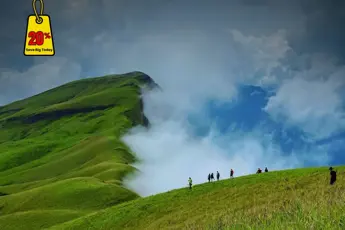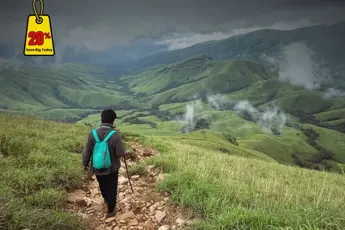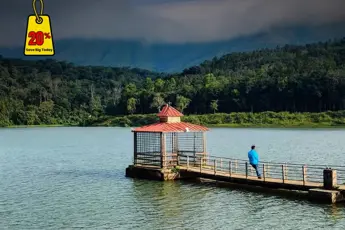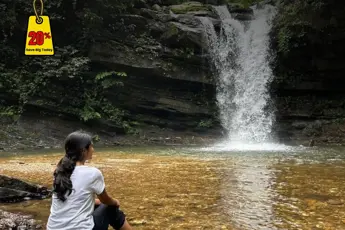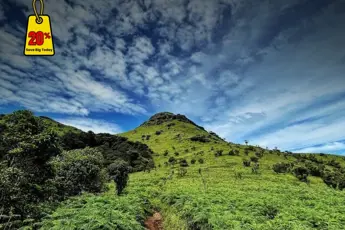



Most people get Kaas Plateau wrong in one of two ways. They go in the wrong month and see bare ground, or they leave booking to the last minute and find the slots gone.This guide fixes both. It covers when the flowers usually bloom, how to book your visit, and how to fit the plateau into one day with a few nearby stops. It's honest about rain, weekend crowds and the long journey from Bangalore too.When is the best time to visit Kaas Plateau? (Quick answer)The best time to visit Kaas Plateau is usually late August to early October, with the bloom often peaking around September, though it shifts with each year's rain. Entry is regulated and slots are limited, so book your visit through the official forest department system before you travel, and check bloom status first.The rest of this guide covers dates, routes, booking and a one-day plan. Skip to the section you need. Written by a Bangalore-based travel team. Season dates, timings, fees and entry rules change, so check the official source before you travel.Best time to visit Kaas PlateauBlooming follows the monsoon, so dates move every year. Treat these windows as a guide, not a promise.Late August to early October (flowering window). Wildflowers cover the plateau, and the colours change through the season. Suits photographers, nature lovers and first-timers. Watch-outs: weekend crowds, limited slots and wet paths. Peak dates vary (verify).July to mid August (monsoon). Green, misty and often heavy rain, with the flowers not yet at their fullest. Suits people who enjoy monsoon greenery and don't mind getting wet. Watch-outs: slippery paths, poor visibility and road conditions.Mid October to June (off-season). Usually dry and brown, with no bloom. Access for regular visitors may be limited or closed outside the flowering season (verify). It's not worth a trip for the flowers.Check current bloom updates a few days before you go, and don't rely on last year's dates. Maharashtra monsoon tripsHow to reach Kaas PlateauKaas Plateau is roughly 25 km west of Satara in Maharashtra (verify). Satara is your natural base, since it sits on the main Pune to Bangalore highway (NH48, verify) and has the widest choice of stays, food and transport.From Pune by road. Roughly 130 to 140 km, about 3.5 to 4.5 hours depending on traffic (verify). It works as a day trip with a pre-dawn start, though a night in Satara makes life easier.From Mumbai by road. Roughly 280 km, about 6 to 7 hours (verify). Stay a night in Satara rather than doing it in a day.From Bangalore by road. Roughly 700 to 750 km, around 11 to 13 hours one way (verify).By rail. Satara station is on the Pune to Miraj line (verify). Take a cab for the last stretch. From Bangalore you'll likely change trains, so check IRCTC.By air. Pune is the nearest major airport (verify). Bangalore has flights to Pune (check live schedules), then continue by road.From Bangalore, Kaas Plateau is a long trip. It doesn't work as a same-day outing, so fold it into a longer Maharashtra plan. Ideally fly to Pune, then drive down.Kaas Plateau entry, booking, and rulesKaas Plateau is a fragile ecosystem, so entry is regulated. Visitor numbers are limited, and slots can sell out, especially on weekends and holidays in peak bloom.Booking is generally done through the official forest department system (verify the current portal and process). We haven't listed fees, slot times or daily caps, because they change and we don't have verified figures. Confirm these on the official source:the current entry fee and how it's paidslot timings and how long you can stayvehicle, group and children's rulesplastic, photography and other on-site rulesOn the final stretch, vehicle access may be limited, and you may need to park and walk or use a shuttle (verify). Weekdays usually have thinner crowds, though slots still need booking. If you book a packaged outing, check the package page to see how entry is arranged.What to see and do at Kaas PlateauWe picked stops that people commonly combine with the plateau in one day and that sit within a manageable drive. Here they are at a glance.Kaas Plateau viewing area: best for the flowers. Time: 2 to 3 hours. Season: late Aug to early Oct. Distance: the main stop.Kaas Lake: best for a short break. Time: 30 to 45 minutes. Season: Jun to Oct (verify). Distance: near the plateau (verify).Vajrai Waterfall: best for a big waterfall in the rains. Time: 1 to 1.5 hours. Season: Jul to Sep. Distance: approx. 10 to 15 km from Kaas (verify).Sajjangad: best for history and views. Time: 1.5 to 2 hours. Season: year-round (verify). Distance: approx. 30 to 35 km from Kaas (verify).Thoseghar Waterfalls: best for a second monsoon waterfall. Time: 1 to 1.5 hours. Season: Jul to Sep. Distance: approx. 30 to 45 km from Kaas (verify).1. Kaas Plateau viewing area, best for the flower bloomThe reason you're here, so go early and give it at least two hours.You walk along marked paths over a rocky plateau. Many of the flowers are small and grow low, so the reward is looking closely, not sweeping fields of colour. Morning light is softer for photos and the crowd is thinner. Paths turn slippery in the rain and weekends fill up. Stay on the path and never pick flowers. Kaas Lake is the natural next stop.2. Kaas Lake, best for a short breakA quiet stop that works as a breather after the plateau walk.It's a small lake in the forested hills near the plateau, so treat it as a 30 to 45 minute stop, not a destination. Go after the plateau, when your feet want a rest. Parking and access rules may change, so check locally. It pairs well with a snack break before you head on.3. Vajrai Waterfall, best for a big waterfall in the rainsWorth adding only in the monsoon and only if you have time to spare.Vajrai is a tall, tiered waterfall in the Bhambavli area, often described as one of India's highest (verify). It's impressive when the rains are running and thin in dry weeks. Viewing spots get misty and wet, so stay behind barriers. Skip it if your plateau slot runs late, because the drive adds time.4. Sajjangad, best for history and a calm end to the dayA good finish if you still have energy, and it sits close to Satara on your way back.Sajjangad is a hill fort near Satara, associated with the saint Samarth Ramdas Swami, whose samadhi is here. Expect steps and open views. Go in the late afternoon, and dress modestly, since it's a place of worship. Skip it if you're running late or tired. It's a climb after a long plateau morning.5. Thoseghar Waterfalls, best for a second monsoon waterfallOnly worth it in strong rain, and not on a short day.The falls near Satara drop from a plateau edge, and viewing platforms may be available (verify). They get crowded on rainy weekends, and the rock and railings are wet and slippery. The drive is long, so check the route before you commit. Choose either this or Vajrai if time is tight.A simple one-day Kaas Plateau planThis works best from a Satara base. These timings are suggested, not official. Fit them around your booked slot.6:30 AM: Leave Satara, roughly 25 km to the plateau (verify).7:30 AM: Arrive at your booked slot and start walking.7:30 to 10:30 AM: Kaas Plateau viewing area.10:30 to 11:15 AM: Kaas Lake.11:15 AM to 12:30 PM: Vajrai Waterfall (monsoon only, if time allows).12:30 to 1:30 PM: Lunch. Carry water and snacks, since food options near the plateau may be limited (verify).2:30 to 4:00 PM: Sajjangad on the way back towards Satara.4:00 PM onwards: Return to Satara, or head on to Pune.From Pune in a day, leave before dawn and drop the extra stops. From Bangalore, don't try this in a day.Mistakes to avoid and quick tipsGoing in the wrong month. Check bloom status a few days before you book, not just last year's dates.Booking late. Slots are limited, so sort your ticket before you pay for hotels or transport.Wearing flat sandals. Wear shoes with grip. Wet rock and mud don't forgive smooth soles.Skipping rain gear. A poncho or light waterproof jacket beats an umbrella on a windy plateau.Stepping off the path or picking flowers. It damages a fragile habitat, and rules may fine you (verify).Forgetting water. Carry your own, and take your wrappers and bottles back. Plastic rules apply (verify).Starting late. Crowds build and the light flattens by mid-morning.Cramming too much. The plateau, Kaas Lake and one more stop is a full day.Who this trip suitsNature lovers and photographers. The best fit. Go early, bring patience, and look low.Families with kids. Fine if children stay on the path and you're ready for wet ground and a long day.Groups. Book together, and check group rules on the booking system (verify).Senior citizens. The walking is on uneven, sometimes slippery ground. Check how much walking is involved before you commit.Not ideal for: anyone expecting tall, dense fields of colour, or visiting outside the flowering window. You may find it underwhelming.Visiting Kaas Plateau with escape2exploreescape2explore is a Bangalore-based company that plans trips across India, and it offers a Kaas Plateau one-day outing. See the Kaas Plateau one-day outing package page for current inclusions, pricing and departure details.Compare it with planning your own transport and slots, then pick what fits your dates.FAQ1. What is the best time to visit Kaas Plateau?The best time to visit Kaas Plateau is usually late August to early October, when the wildflowers bloom. Peak colour often falls around September, but it shifts with the year's rainfall. Check current bloom updates and the official booking portal before you fix dates, since the season and slots can change.2. Which month do flowers bloom at Kaas Plateau?Flowers at Kaas Plateau usually bloom from late August into early October, with the display changing through those weeks. The exact peak depends on the monsoon and varies each year. Check bloom status close to your travel date, and don't rely on dates from a previous season.3. Do I need to book Kaas Plateau tickets in advance?Yes, plan to book ahead. Entry to Kaas Plateau is regulated to protect the plants, and visitor numbers and slots are limited, especially on weekends and holidays. Booking is done through the official forest department system. Confirm the current process, portal and slot rules on the official source before you travel.4. What is the Kaas Plateau entry fee?The entry fee changes and can depend on how you book, so we haven't listed a figure. Check the current fee on the official Kaas Plateau booking portal before you pay. If you're taking a packaged outing, see the package page for current inclusions and pricing.5. How do I reach Kaas Plateau from Pune or Mumbai?Kaas Plateau is roughly 130 to 140 km from Pune and about 280 km from Mumbai (approximate, verify). By road, Pune takes around 3.5 to 4.5 hours and Mumbai 6 to 7 hours, depending on traffic. Most visitors stay in Satara, roughly 25 km away, and drive up in the morning.6. Can I visit Kaas Plateau from Bangalore in one day?Not realistically. Bangalore to Kaas Plateau is roughly 700 km or more each way, so a same-day trip doesn't work. Fly to Pune and continue by road, or treat Kaas as one stop in a longer Maharashtra plan. Allow at least two days including travel.7. How many hours do you need at Kaas Plateau?Plan 2 to 3 hours on the plateau itself, depending on your slot and how much you walk. Add time for Kaas Lake, and a few more hours if you want Vajrai Waterfall or Sajjangad. A full day works comfortably from Satara. Check slot duration on the booking system.8. Is Kaas Plateau worth visiting?Yes, if you go in the flowering window and manage expectations. Many flowers are small and low, so it's about looking closely, not big fields of colour. Book in advance, go early, and skip off-season dates when the plateau is bare. If you dislike crowds, choose a weekday.