


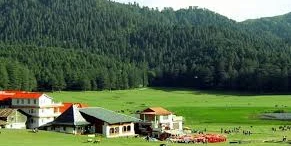
Peora, the unknown, is a small village in the Kumaon district of Uttarakhand, which is simply marvellous, although still virtually unrecognisable. The place is great to be able to combine the relaxing nature sides with their vividness and grandness. It is truly a spectacular sight to get from Peora, which is located at an average of 6,000 ft in the Almora district and showing the prominences of the snow-clad Himalayas like Nanda Devi, Trishul, and Panchachuli. Besides, these tiny and beautiful places are not very much affected by the crowds as other tourist areas around there, thus, they still keep their timeless, enchanting nature and as such, the perfect ones for rest seekers like writers, photographers, and nature enthusiasts. So really, the village of Peora is a lovely place to live, and it is surrounded by pine, oak, and rhododendron trees and is becoming a nirvana that man has not disturbed. These things in combination are what make the area so beautiful: these unspoiled terraces of farms, ancient Kumaoni-style houses, and apple orchards. The village is also among the finalists of the Kumaon Eco-Tourism Project, a project that promotes ecotourism with the locals who are engaged in responsible living in the area.Peora is the culture and ecology of the Kumaon Hills. The people of Kumaon, who have been residents of this small village for more than a hundred years, have been quite close to nature through their respective farming, animal husbandry, and handicrafts. Cultivation of terraced lands would have become a very important feature of life in which the production of barley, wheat, and seasonal fruits was the major item of the country. It is said that Peora and the adjacent places had been completely different things that were inclined under the Katyuri dynasty that ruled Kumaon from the 7th to the 11th centuries. The Katyuri kings were great patrons of arts and temple architecture, and even at present, one can experience their presence in the Almora region, where the ancient temples and shrines are alive. Soon, however, in the 16th century, the Chand dynasty took over, and therefore the past only became richer and more alive through cultural traditions and festivals, folk art, and architecture. Despite the fact that it was a small town, Peora was still very close to Almora and Mukteshwar, which meant that it was still a part of the regional trade and cultural developments. The villagers, farmers and craftsmen who produced goods like agricultural commodities, wool, and handicrafts were often the major contributors to the local economy. Nearby Places around PeoraMukteshwar: The distance between Peora and Mukteshwar is about 20 km, while the old Lord Shiva temple, the stunning views of the Himalayas, and the various adventure sports are just some of the things this place is known for. It has turned into a very popular place amongst the visitors, being also a place for nature walks and trekking.Almora: Almora is approximately 23 km distant landmark known as the centre of culture for its temples, handicrafts, and colourful bazaars. Kusar Devi temple is there, and historically it has been associated with Swami Vivekananda.Jageshwar: From Peora, Jageshwar is 60 km away and is described as a holy region where there is a cluster of over 100 ancient temples that date back to the 9th century and were built to Shiva.Binsar Wildlife Sanctuary: Binsar Wildlife Sanctuary is 30 km away from Peora and is the residence of leopards, Himalayan black bears, and a variety of birds. It is a paradise for nature lovers and trekkers.Kasar Devi: Kasar Devi is a place that is both perfect and provides a great atmosphere for spiritual seekers and tranquillity, and it is located about 25 km from here. As a result, it has been a place where the likes of Swami Vivekananda, Bob Dylan, and many other spiritual seekers, artists, and writers welcomed themselves.Best Time to Visit PeoraSummer (March to June): Summer is the most beautiful time of Peora, and the temperatures range from 10 to 25 degrees Celsius. The clear blue sky perfectly fits into the mountains, and you can even see the peaks, and all this is really great for sightseeing, trekking, birdwatching, and the like.Monsoon (July to September): Despite the heavy rains, the place still becomes very lovely and gets greener. Roadblocks may occur sometimes due to landslides cutting off the routes or making travelling difficult during this period. Wonderful time for lovers of quiet places and attractive nature photos.Winter (October to February): In winter, it sometimes becomes so cold in Peora that the temperature drops even to zero. The snow-covered peaks are very beautiful, and the whole place is filled with the magical feeling of the Himalayas. All those who like cosy winter retreats together with stargazing are the target audience during this time.How to Reach PeoraBy Airport: The closest airport to Pantnagar Airport is about 125 Km from Peora. You can get a cab from the airport via Almora or Mukteshwar to where you want to go.By Railway Station: The nearest station to Kathgodam is that corner of the area, 80 km from there. From Delhi and Lucknow, friendly train connections leave us, and we are in Kathgodam, from where we can take the journey further by cabs and buses to Peora.By Road: You can go to the destinations mentioned above by road from the side. Peora is connected to Almora (23 km), Mukteshwar (20 km), and Nainital (65 km) have good road connections. Buses and taxis are available on a daily schedule from Haldwani and Kathgodam, plus taking a scenic trip through the winding Himalayan roads is quite an experience.