

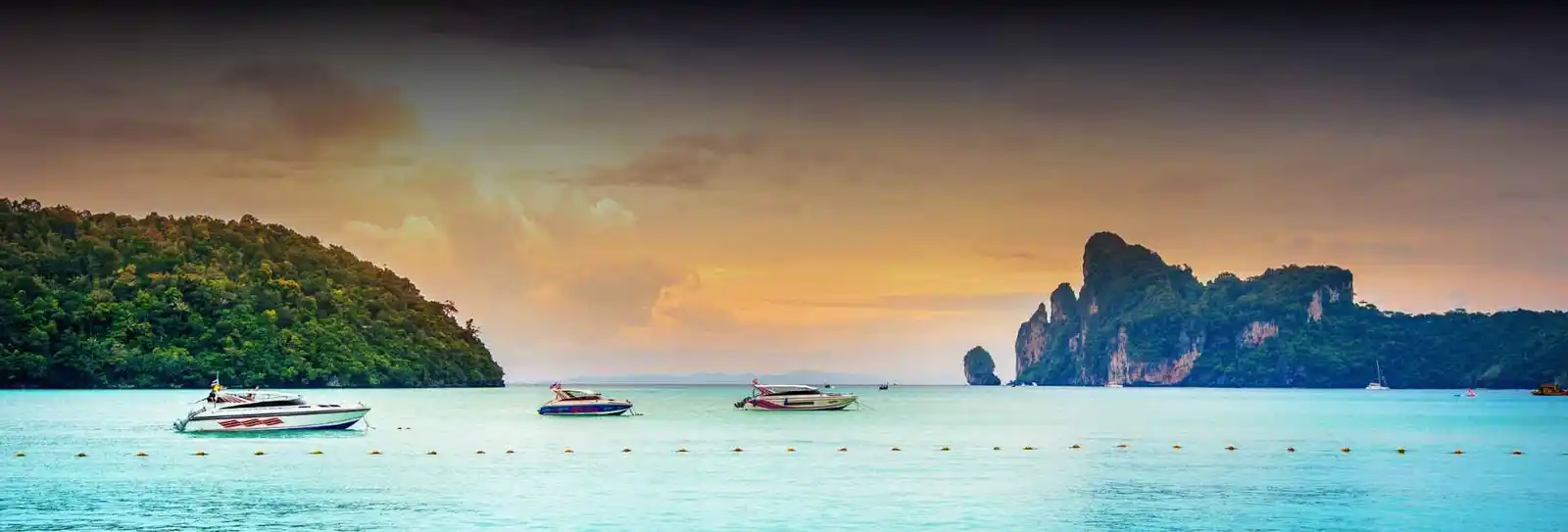
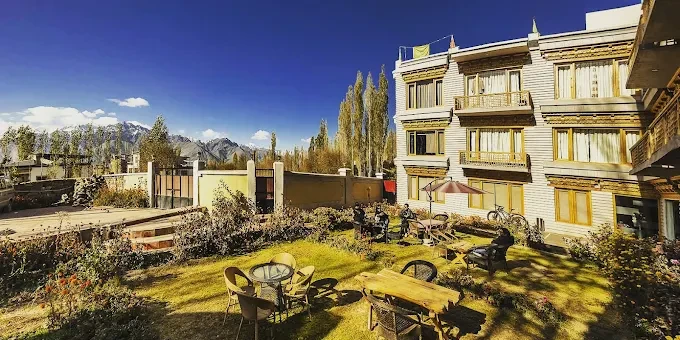
The lake serves mostly as a place for rest. Yet its role runs deeper, tied closely to tradition since locals see it holy - swimming or cleaning nearby feels wrong to them. Still, visitors find it striking, almost magnetic in appeal. Not just nature’s art but a quiet soul lives here. What builds such calm? The hush of water meeting sky, mountain air sharp and thin, green folds of land holding the basin gently. For those who come, reaching Yarab Tso feels less like travel, more like stumbling upon something hidden, long kept safe in Ladakh’s arms. A quiet hush follows anyone who walks near Yarab Tso, where belief blurs into landscape. Though rulers never fought here, nor kings left records, something deeper stays. Villagers from Nubra speak of it not as scenery but sacred space. Long before photos were taken or paths marked, monks arrived - drawn by silence, drawn by water. Rituals unfolded at dawn, prayers settled into dusk, year after year. The ground remembers what history books ignore.Some say Yarab Tso was touched by gods, filled with water that heals. Heaven must look like this, folks whisper when they see its surface. Bathing? Washing clothes? Not allowed unless permission slips through quiet voices first. Fishing nets stay far away. People here guard it like breath at dawn. Because nothing harsh has reached its edges, the lake lives on untouched. Its clarity tells time better than stone ever could. Dipping into what Yarab Tso means inside the soul - that's core to how Tibetan Buddhists walk their path. Monks from Samstanling in Sumur, along with those from Diksit, often sit by the water, deep in thought during long hours of practice. Far out among rugged hills, the lake sits quiet, almost hidden - perfect when someone needs space just to be. Nature isn’t separate here; it breathes with belief, shaping how people live through faith. Visitors whisper that standing near the waters, or simply naming it while praying, fills them with stillness and depth - making the site feel different, somehow fuller than most. Even today, Yarab Tso holds its quiet strength near the ancient Silk Route, standing where trade once thrived. Though far less known than Pangong Tso or Tso Moriri, it remained off most maps - yet deeply valued. Traders moving between Tibet, Ladakh, and Central Asia passed through Nubra Valley, using it like a highway carved by time. Tired from long treks across harsh mountain trails, many paused at this lake simply to recover. They left small signs of thanks here - quiet gestures meant to guard them ahead. Safety found form in these waters; not only worship shaped its role, but shelter too. Crossing the high Himalayas brought danger, yet this place offered calm without demand. Purity stays intact here - spiritual and natural. Lately, more people head to Yarab Tso since Nubra Valley started drawing eyes. Travelers looking for offbeat experiences often visit Yarab Tso Lake through our Leh Ladakh Tour Package.Nearby Places around Yarab TsoSamstanling Monastery: Away from the usual paths, Samstanling Monastery rests in Sumur village, seven kilometers off Yarab Tso. This spot stands among the most sacred sites across Nubra Valley. Built during the 1800s, its walls carry vivid murals that catch the eye. Inside, golden statues sit in stillness, catching light in soft glimmers. Daily rituals unfold within a vast hall - hushed, steady, filled with murmured chants. Silence lives here, thick and undisturbed.Diskit Monastery: Perched above the valley, Diskit Monastery stretches wide and old - the biggest in Nubra. Roughly fifteen kilometers away, it draws eyes without trying. Nearby stands a 106-foot statue of Maitreya Buddha, rising slow against the sky. Views fold outward from there, pulling in the Shyok River's curve plus distant mountain ridges. Moments here stay quiet, even when crowded.Hunder Sand Dunes: Hunder sits just 18 kilometers from Yarab Tso, a place shaped by sweeping sands and silence. Cold desert winds carve patterns across the land, where few animals survive except the two-humped Bactrian camel. Visitors often find themselves walking beside these calm creatures before climbing onto their backs. Instead of rushing through, many choose to pause as light fades, watching dusk settle behind towering mountain edges. The sun slips down slowly, painting dust and sky in quiet colors.Panamik Hot Springs: Steam rises where stone meets water near Panamik, about thirty kilometres from Yarab Tso. Sulfur seeps through cracks here, drawing people who claim it eases their skin and joints. Rough peaks crowd around the pools, sharp and restless against the sky. Visitors often pause during long walks across Nubra Valley, lured by stories passed mouth to ear. What stands quiet under open air holds more than warmth - some say history sleeps in the flow. Though remote, footprints circle the edges daily, worn into dust by slow steps seeking relief.Best Time to Visit Yarab TsoSummer (May to September): During summer - May through September - the path to Yarab Tso opens up. Temperatures sit between 10°C and 20°C, just right for moving around outdoors. Hiking becomes easier then, thanks to clear trails. Skies often stay clear, perfect for photos or quiet moments by the water. Foot travel works well now, before snow returns. This stretch gives visitors calm days under bright light.Monsoon (July to September): When rains arrive between July and September, Ladakh stays mostly dry because mountains block heavy clouds. Still, a brief sprinkle pops up now and then. After such moments, the land near Yarab Tso wears brighter green tones across meadows and branches. The lake feels more alive too. Sometimes muddy patches slow travel just slightly, yet paths remain pleasant under gray skies.Winter (October to April): Cold grips Nubra Valley from October through April, with frost settling deep. Below-zero days stretch long, blanketing everything in silence. Snow piles high, often blocking paths to Yarab Tso without warning. Travel slows - sometimes stops - under thick white layers. Yet the quiet beauty remains, hushed and sharp beneath gray skies. Few arrive, though some determined walkers still make the journey anyway.How to Reach Yarab TsoBy Airport: From the air, reach Leh’s Kushok Bakula Rimpochee Airport - roughly 120 kilometers from your endpoint. Daily planes connect Leh with Delhi, Srinagar, along with various Indian cities. Once landed, head onward past Khardung La Peak toward Nubra Valley before arriving at Sumur village close to Yarab Tso.By Road: From Leh, reaching Yarab Tso by road takes around five or six hours, winding through Khardung La into Nubra Valley. Once there, cars stop at Sumur village - continuing onward means walking uphill a short stretch. Instead of personal vehicles, many choose shared taxis; others prefer hired motorcycles or private rides along this path.By Railway Station: No tracks reach Yarab Tso straight on. The nearest hub sits far off - about 700 kilometers away - in Jammu Tawi. Flying from Jammu to Leh makes sense next. After landing, roads carry you forward.