


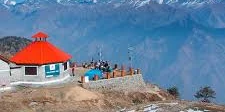
Pithoragarh is known as the Little Kashmir of Uttarakhand. It is a beautiful town of the eastern Kumaon region situated near the Nepal and Tibet border. At an elevation of 1650 meters, it is surrounded by snow-covered peaks, green valleys and clear rivers, which attract nature lovers as well as adventure seekers. With views of the magnificent Himalaya Nanda Devi, Api, Panchachuli and other peaks, it offers breathtaking views. Rich in culture, Pithoragarh is home to several old temples, forts and monasteries that tell the story of its long and illustrious past. The town, however, is the center of excitement for heavy-duty trekking performed all the way to Mt. Kailash-Mansarovar and Mt. Milam, thus attracting trekkers and pilgrims equally. Diverse terrain from highland grasslands to thick jungle movements has made this town a vibrant center for adventure activities like trekking, paragliding, river rafting, etc. Not only it has remarkable natural beauty but also it is very much alive with culture and tradition. Festivals, fairs, and folk traditions are all ways in which people from Kumaon express themselves. Pithoragarh is not only a stopover but it is also the embodiment of the spiritual and adventurous side of the Himalayas which are filled with breathtaking views and charming little towns along the way.The story of Pithoragarh is linked with its strategic importance, the diversity of its culture, and the dynasties that ruled it. In the past, it was the area of Sorat, one of the eight forts in the Katyuri Kingdom, which had its dominion over the whole of Kumaon from the 7th to the 11th century. Katyuris were the promoters of the region’s farming, trading and temple-building, thus leaving an amazing cultural legacy behind them. After the fall of Katyuris, Chands came to power and took over the region in the 15th century. Pithoragarh Fort was constructed by King Bharti Chand in 1790, and it became the emblem of the ruler’s power and administration. The Chands gave a lot to the religious and cultural life of that region through building temples like Kapileshwar Mahadev and by letting the people get involved in art and music activities. In the Middle Ages, Pithoragarh became very important as it was the centre of trans-Himalayan trade. Traders would bring caravans full of salt, wool, and grains through mountain passes into Tibet and Nepal, and this made the town the centre of lively commerce.Nearby Places around PithoragarhKapileshwar Mahadev Temple: It is a holy cave temple dedicated to Shiva, where the visitor can get both spiritual happiness and enjoy a breathtaking view of the entire valley surrounding the temple.Chandak Hills: Chandak is a place of great natural beauty and, just eight kilometres from Pithoragarh, with its temples and is a paragliding venue offering fantastic views of the town and the Himalayan ranges.Thal Kedar: It is about 15 km away and a religious place devoted to Shiva, who is famous for night celebrations during Shivratri and for trekking on beautiful paths.Askot Sanctuary: Askot Sanctuary is a 54 km road trip from Pithoragarh, which is home to musk deer, snow leopards and Himalayan black bears and is a wonderful place for nature lovers who want to see the variety of wild animals in the region.Dhwaj Temple: At 2,100 meters, the temple is devoted to Lord Shiva and Maa Jayanti, offering the spectacular view of the Himalayas, and the place is also famous among trekkers.Best Time to Visit PithoragarhSummer (March to June): If you want to take a trip to Pithoragarh, then summer would be considered the best time, with temperatures ranging from 15°C to 30°C, which are largely comfortable. During the time, you can enjoy the beautiful, clear sky by doing activities like sightseeing, trekking, and adventure sports.Monsoon (July to September): During the monsoon season, Pithoragarh becomes an area full of green plants and trees, but the heavy rain that comes can cause landslides that will make the journey dangerous. This period is suitable for lovers of nature who are fond of fresh and colourful landscapes.Winter (October to February): The winters are characterised by coldness, with temperatures sometimes coming very close to zero, and at times, there is snowfall at the higher altitudes. Those who love snow and enjoy finding a calm and warm retreat would find it a perfect time.How to Reach PithoragarhBy Airport: Pantnagar Airport is the closest airport to Pithoragarh, which is around 240 km away. From the airport to Pithoragarh, you can easily get a taxi or a bus to take you there.By Railway Station: The nearest train station to Pithoragarh is Tanakpur, which is approximately 150 km away. From Tanakpur, buses and taxis initiate their daily journey to the town, carrying the passengers along.By Road: There are excellent road links between Pithoragarh and the large towns in Uttarakhand, like Almora, Haldwani, and Kathgodam. One can easily find a state-run bus or a shared cab; private vehicles, on the other hand, provide a more comfortable and stunning Himalayan route journey.