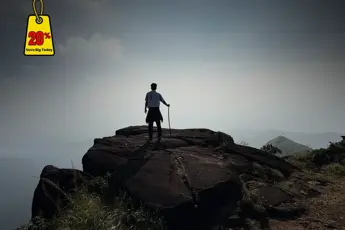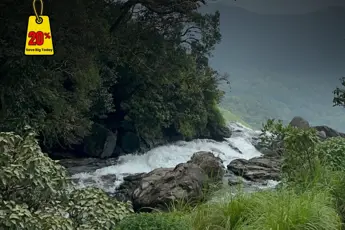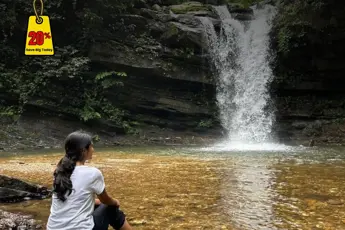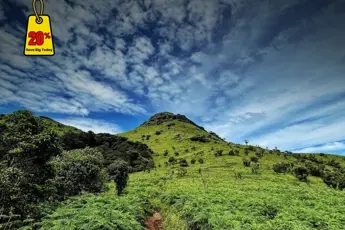

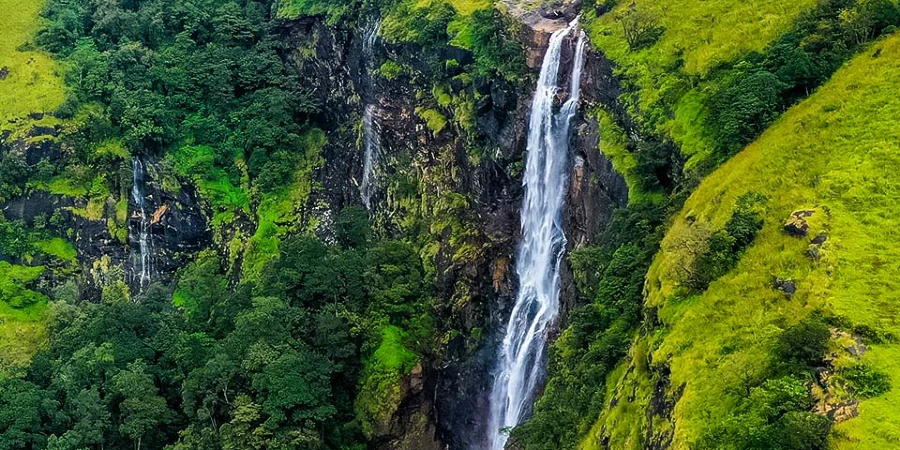
Hidden in the beauty of nature and green pastures is Bandeja Falls, a grand wonder that amazes tourists with its waterfall magic and tranquillity. Located in an inaccessible place, this breathtaking waterfall is an off-the-beaten-path treasure that offers a unique experience in the bosom of nature. The beauty of crystal water cascading from greater heights to a peaceful pool below is sheer magic. The foamy water, the chirping birds, and the green leafy vegetables create an atmosphere relaxing and soothing and soothes the mind and the soul. The tourists, the adventure lovers, and the photographers will find Bandeja Falls a picturesque place and therefore it's a tourist spot.Situated in Karnataka State, in the stunning Dakshina Kannada district, Falls, also known as Bandaje Arbi District, Bandeja Falls is readily accessible from various metro cities and towns. The waterfalls are roughly kilometres from and provide a wonderful retreat for locals and visitors. The trip to Bandeja Falls is an experience in itself, with winding roads slicing through dark forests, green hills, and beautiful valleys, motorbike, car, or public transport. The visitor is rewarded with beautiful views along the way. Bandeja Falls is even more stunning, the higher amount of water giving the show of nature's strength as phenomenal. And even the beauty of Bandeja Falls is by no means a temporary seasonal phenomenon round the clock, it is a fairytale landscape, season after season a variation of its beauty. For anyone who needs a serene getaway from city life, Bandeja Falls is the ideal destination to relax and rejuvenate. The serene environment, combined with the soothing atmosphere of the dripping water, is the ideal location for meditation, yoga, or just pure relaxation in nature. Families, couples, and singles will all feel totally at home in the serene environment of the falls, and it would be an ideal location to spend a weekend retreat. Adventure seekers can discover more trekking destinations through our Treks Near Bangalore guide.Book the Bandaje Falls Trek from BangaloreFrom ₹5,499 per person. Rated 4.8/5 by 209 trekkers. 308 km from Bangalore. Check dates & book -> Bandaje Falls Trek from Bangalore.Trekking Trails to the FallsThe best part of going to a waterfall is probably the hike. The hikes to the waterfalls are easy to difficult, so anyone can have fun regardless of how much experience they have as hikers. The hikes typically travel through dense woods, boulder fields, and steep hill slides, so the hike is challenging but rewarding. There are also some waterfalls that one may hike to that are very short and will take only an hour or two, and others that will take a full day of hiking to be able to view the cascade. For instance, easy trekking trails include sloping land with trails that have been marked, and these are for beginners and families. They consist mainly of resting places, brooks, and wooden bridges, and the journey is comfortable but not exhausting. Steepness, rockiness, and harshness characterize difficult trekking routes.They are best suited to those who have some experience in trekking and a moderate level of fitness. Difficult trekking routes, however, require stamina, agility, and experience of trekking on difficult ground. These treks pass through tough upslope, brittle ridges, and even river crossings and require more experience and preparation. Irrespective of the difficulty level, all the trekking trails offer trekkers panoramic views of green valleys, scattered fauna and flora, and, finally, the unique view of a waterfall originating from enormous heights. Comfortable footwear, drinking water, and weather-behavioural clothing are necessities for safe and enjoyable trekking. For waterfalls and mountain trails, many trekkers choose our Bandaje Falls Trek Package.How to visit Bandeja FallsFalls, also referred to as Bandaje Arbi Falls, is a unique waterfall of India's Karnataka Western Ghats. Located in Belthangady taluk of Dakshina Kannada district, this natural wonder is a paradise haven for adventure tourists and nature enthusiasts. It is a walk along forest dens and green grasslands to the Bandaje Falls, and the destination, therefore, becomes as enchanting as the path to it. Mangalore International Airport is the closest airport to Bandaje Falls, a mere 100 kilometres away. The airport is well connected to most Indian cities such as Bengaluru, Mumbai, and Delhi, and some international cities too. Upon reaching Mangalore, there are many transport options available to take the tourists down to the trekking starting point of the Falls.Nearest Railway Station: The closest railway head to Mangalore Central Railway Station, 118 km away from Falls, is the closest large railhead. It is one of the large junctions of the Southern Railway system and there are regular trains to and from major Indian cities. Taxi or public transport may be availed from the railhead to the base of the trekker.Bus Stops and Public Transport: For travellers commuting through public transportation, it is a multi-step process to get to Falls:Mangalore to Ujire or Kalasa:Buses: Karnataka State Road Transport Corporation (KSRTC) operates regularly to connect Ujire and Kalasa from Mangalore. Ujire is located roughly 70 kilometres from Mangalore, and Kalasa is around 92 kilometres from Mangalore.Travel Time: By bus travel, the approximate time takes from 2 to 3 hours depending on the route and condition of the road.Ujire/Kalasa to SunkasaleLocal Transport: Rent a jeep or local bus from Kalasa or Ujire to Sunkasale, a village that is a typical base for the trek.Distance: Sunkasale is 25 km from Ujire and 34 km from Kalasa.Sunkasale to Durgadahalli: No Local Transport: The final stretch is to Durgadahalli, roughly 6.5 kilometres from Sunkasale. Since there is not much public transport here, a local jeep or taxi is advisable.Start Point: The Bandaje Falls trek begins close to the Kalabhairaveshwara Temple at Durgadahalli.Road Conditions and Ideal Vehicles: The roads along the route to the foot of the Bandaje Falls trek are of mixed road conditionsUjire/Kalasa to Mangalore: The route is predominantly composed of national and state highways, which are extremely good and have a lot of space for all types of vehicles. Sunkasale to Ujire/Kalasa: The road is narrower with a few potholes on it, particularly in monsoon. Sedans can be driven on this stretch, but caution should be exercised.Sunkasale to Durgadahalli: Heavy rain makes the road non-motorable. An SUV or jeep with good ground clearance is best. In the case of travelling in a regular car, it is better to drop the car at Sunkasale and locally organize how to reach Durgadahalli.Ideal Vehicle Type for Tourist Travel: Tourists have a variety of choices in travelling to Bandaje Falls, and each has various experiences:Private Vehicle Flexibility: Having a car of your own gives flexibility in travelling at your own pace and stopping to see attractions along the way.Bengaluru to Sunkasale Route: Via National Highway 75 (NH75) to Hassan, Belur, and Mudigere, and finally ending in Sunkasale. Further drive from Sunkasale to Durgadahalli, which is the point from where one should start trekking.Distance: The overall distance between Bengaluru to Durgadahalli is approximately 280 kilometres.Vehicle Recommendation: Regular vehicles can be used for most of the trip, but the final segment between Sunkasale and Durgadahalli should ideally be covered in vehicles with greater ground clearance. Or, drive to Sunkasale and go by local transport.Public Transport: Economical Savings: Public jeeps and buses may be more cost-effective, but will have multiple transfers.Route:From Bengaluru: Take the KSRTC bus to Mudigere.From Mudigere: Local bus to Sunkasale, Jeep or taxi drive from Sunkasale to Durgadahalli.Points to note: Public transport will have limited working hours, especially in far-off places. Proper planning and an early start may make the hike simpler.Trekking Groups Organised:Convenience: There are tour adventure operators who organize guided treks to Bandaje Falls, thus making the transport, food, and necessary permit arrangements.Inclusions: Packages will typically include a return journey from Bengaluru, accommodation, food, and services of veteran guides.Benefits: Membership in such groups can provide safety, local advice, and a hassle-free experience.Safety Precautions While Trekking or SwimmingWhat to PackProper packing will enhance your safety and comfort while on holiday. Below are some basics that you may want to pack along: Footwear: Good quality, comfortable trekking shoes to support mountains during tour; light-weight water-proof beach flops for sea travel. Water: Carry enough drinking water to keep yourself hydrated, particularly during trekking. Edibles: Energy foods like nuts, and dry fruits to maintain high energy levels. Insect Repellent: Keep mosquitoes and insects away from biting you, particularly in jungles and tropical areas. Dressing: Dress as per the climate – warm for hill stations, light for summer, and waterproof for monsoon travel. Sun Protection: Sunscreen lotion, sunglasses, and a hat to guard against sunburn and UV. First Aid Kit: Medicines, band-aids, antiseptic, and painkillers. Torch/Headlamp: Handy on treks, when camping, or during a power cut. Rain Gear: Waterproof jacket or poncho during travel in the monsoon. Multi-purpose Tools: Swiss knife or multi-tool in emergencies. Power Bank: To charge the phone in the event of loss while returning home, and for use in communication. Identification & Permits: Carry identification, permits, and emergency contact information with you. It's a good experience if under safety precautions. Plan at each step, have respect for local authorities, and take proper precautions to enjoy it as an experience to remember and free of trouble.