Explore Karnataka's Best Waterfall Treks and Misty Mountain Trails
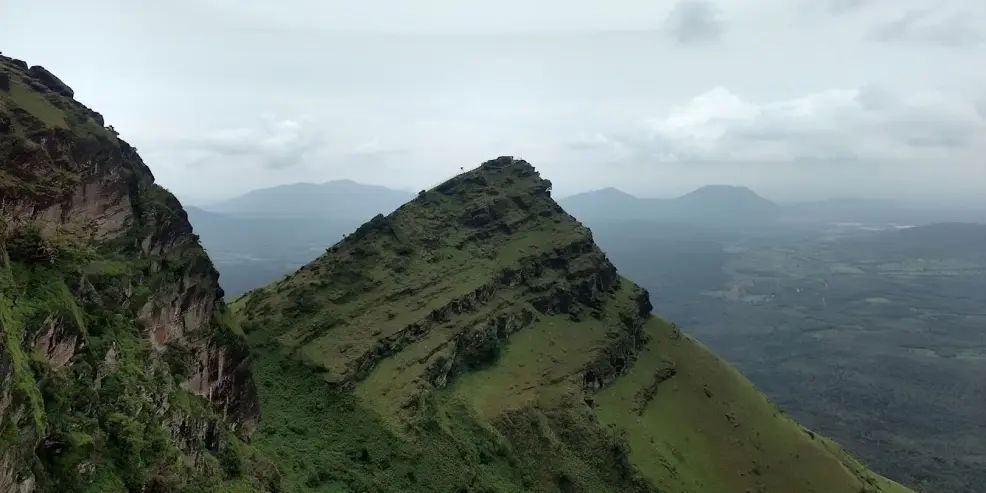
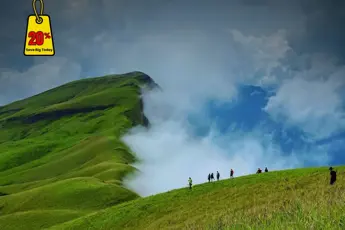
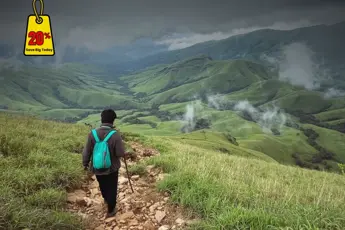
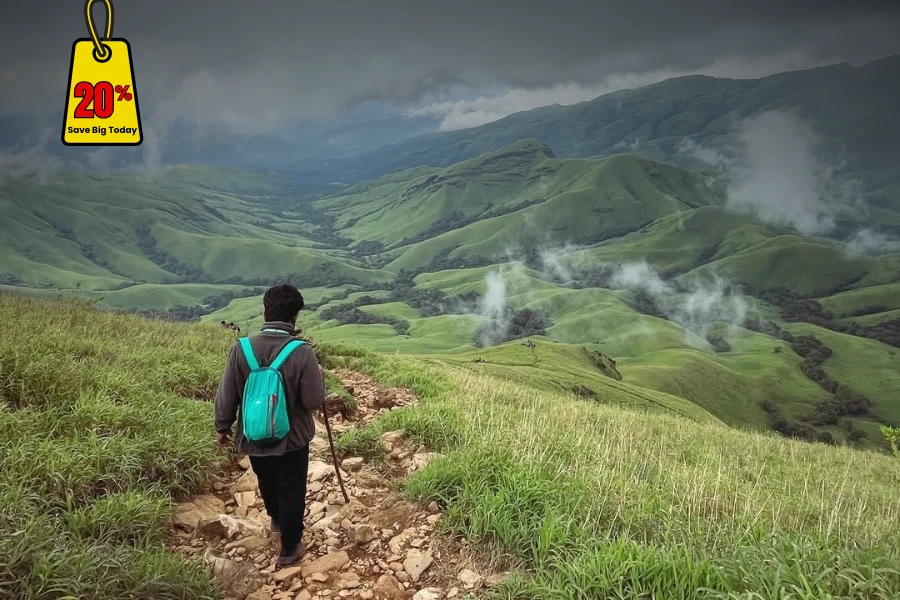
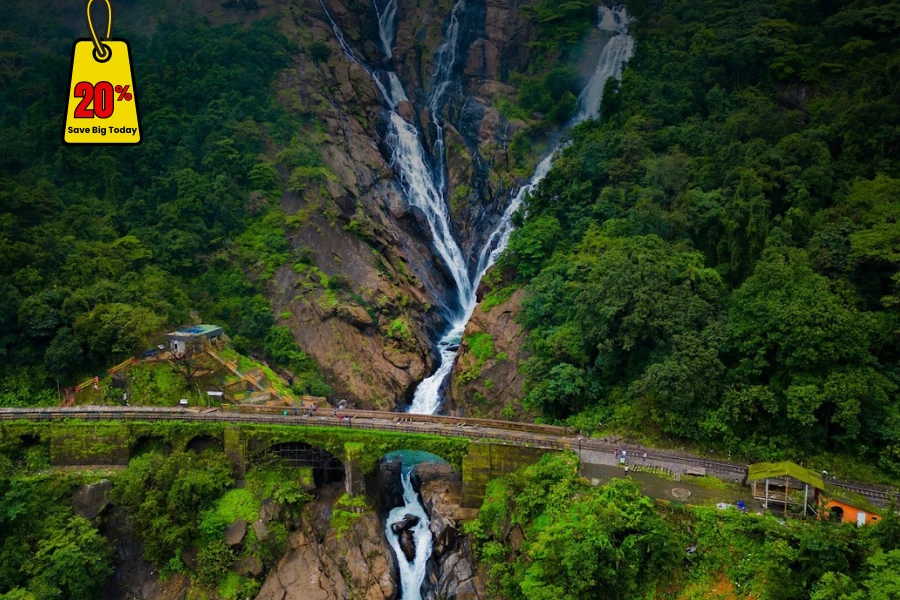
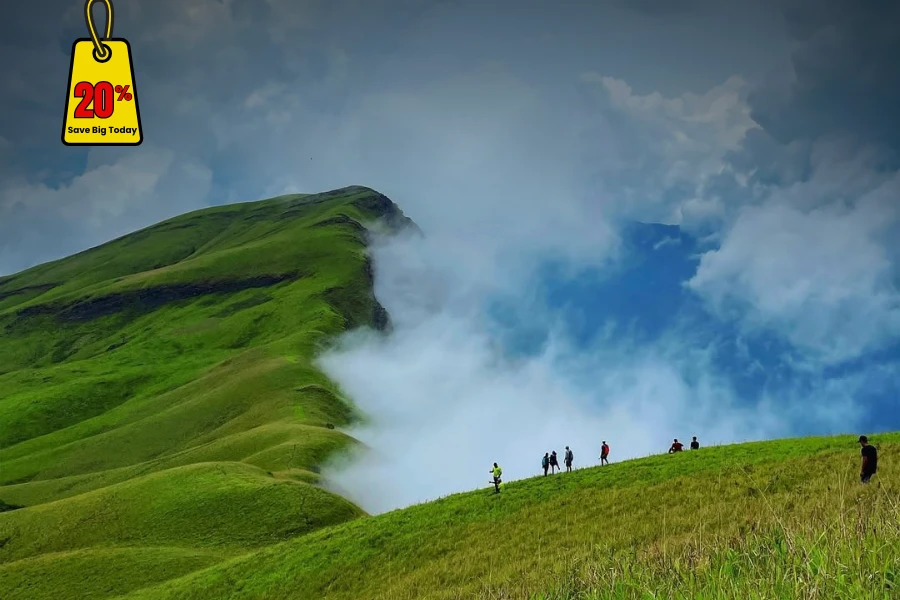
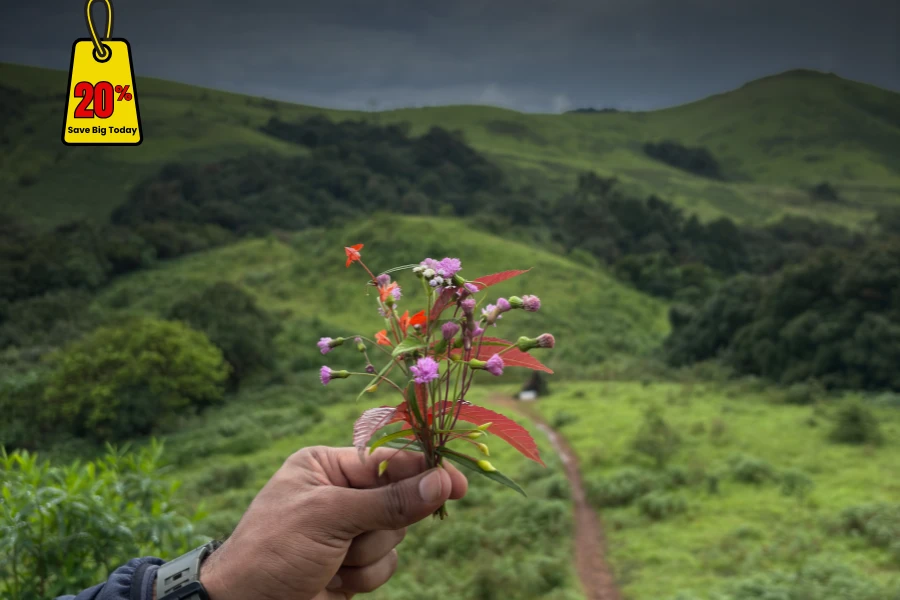
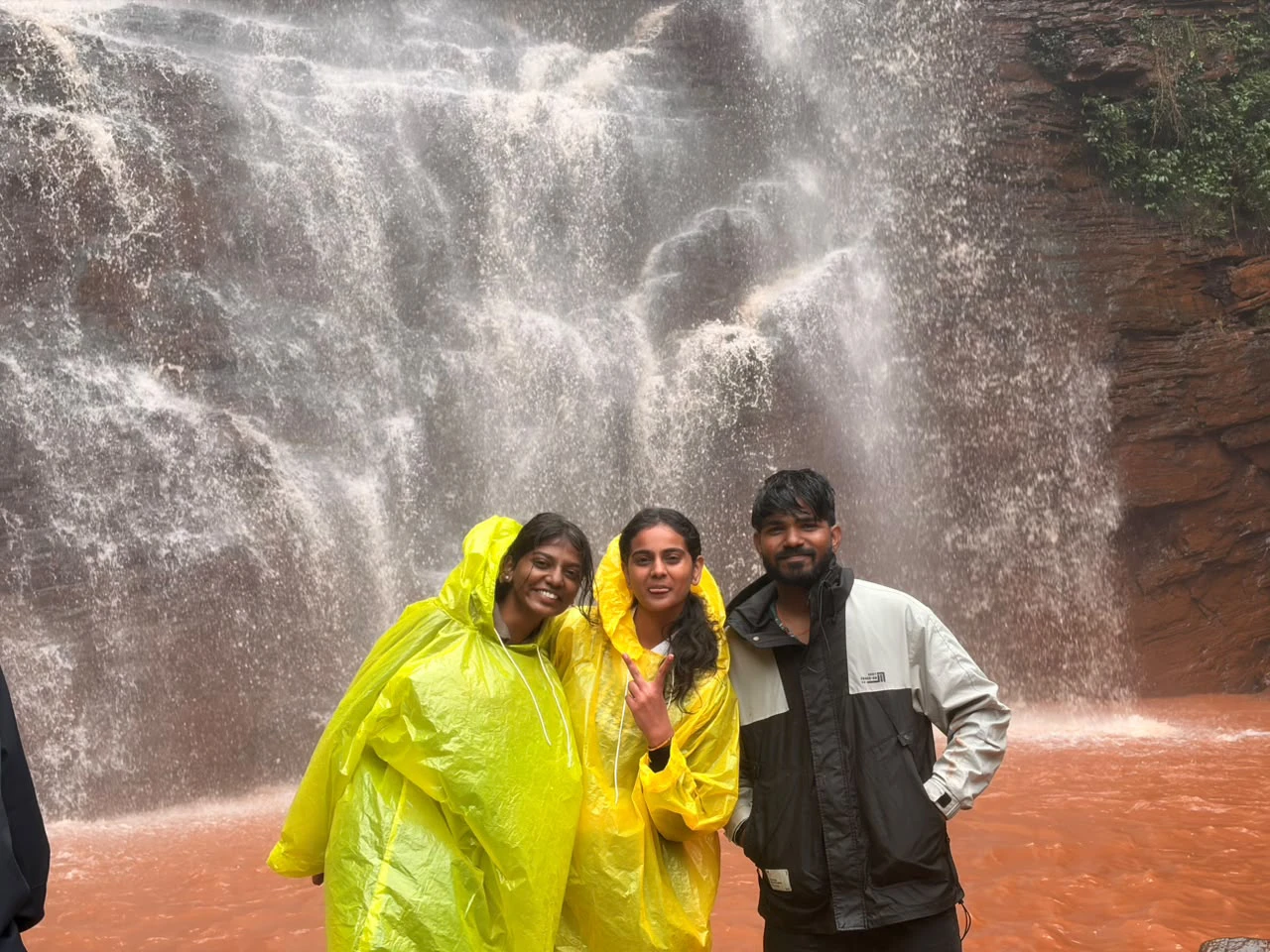
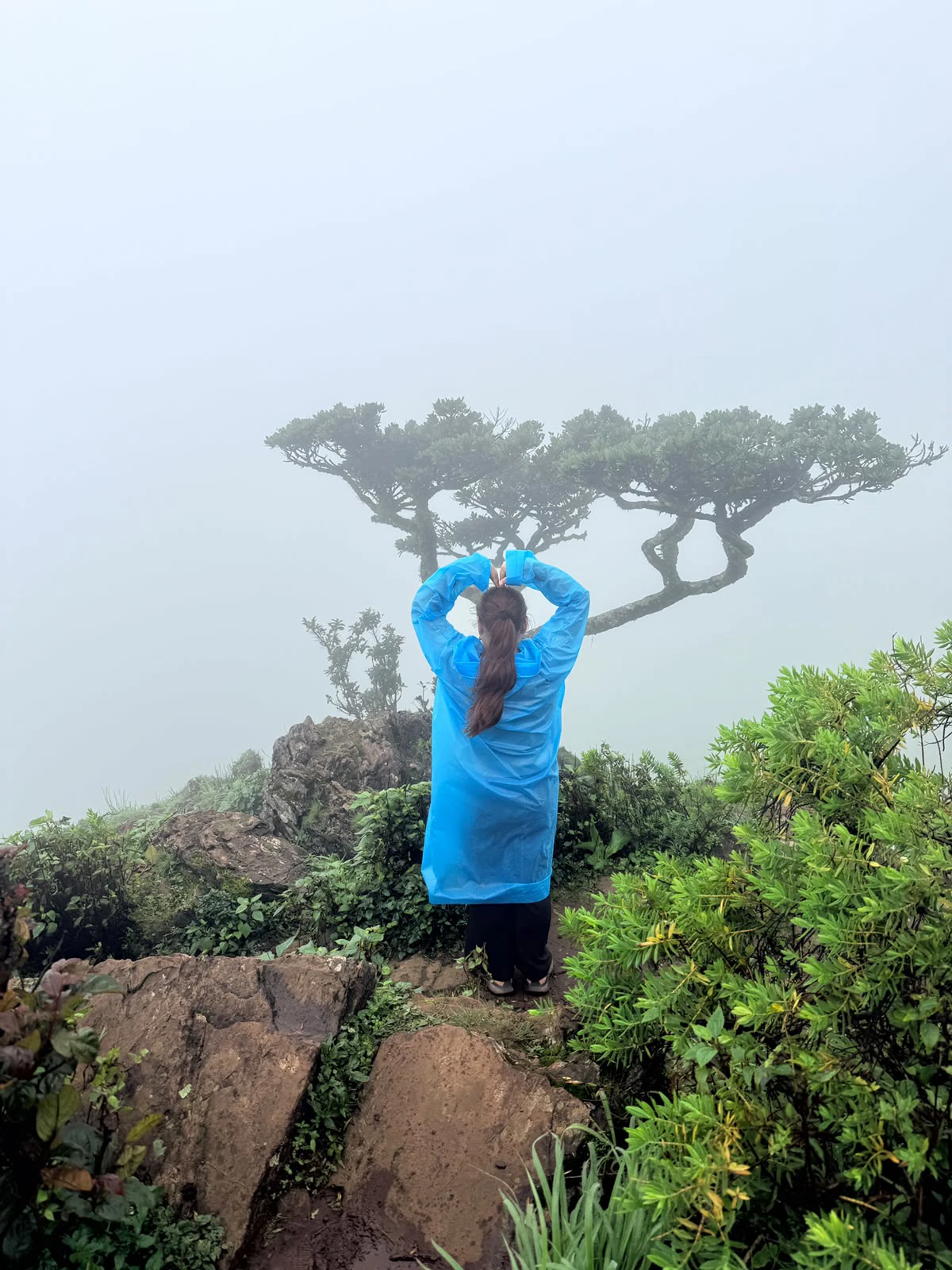
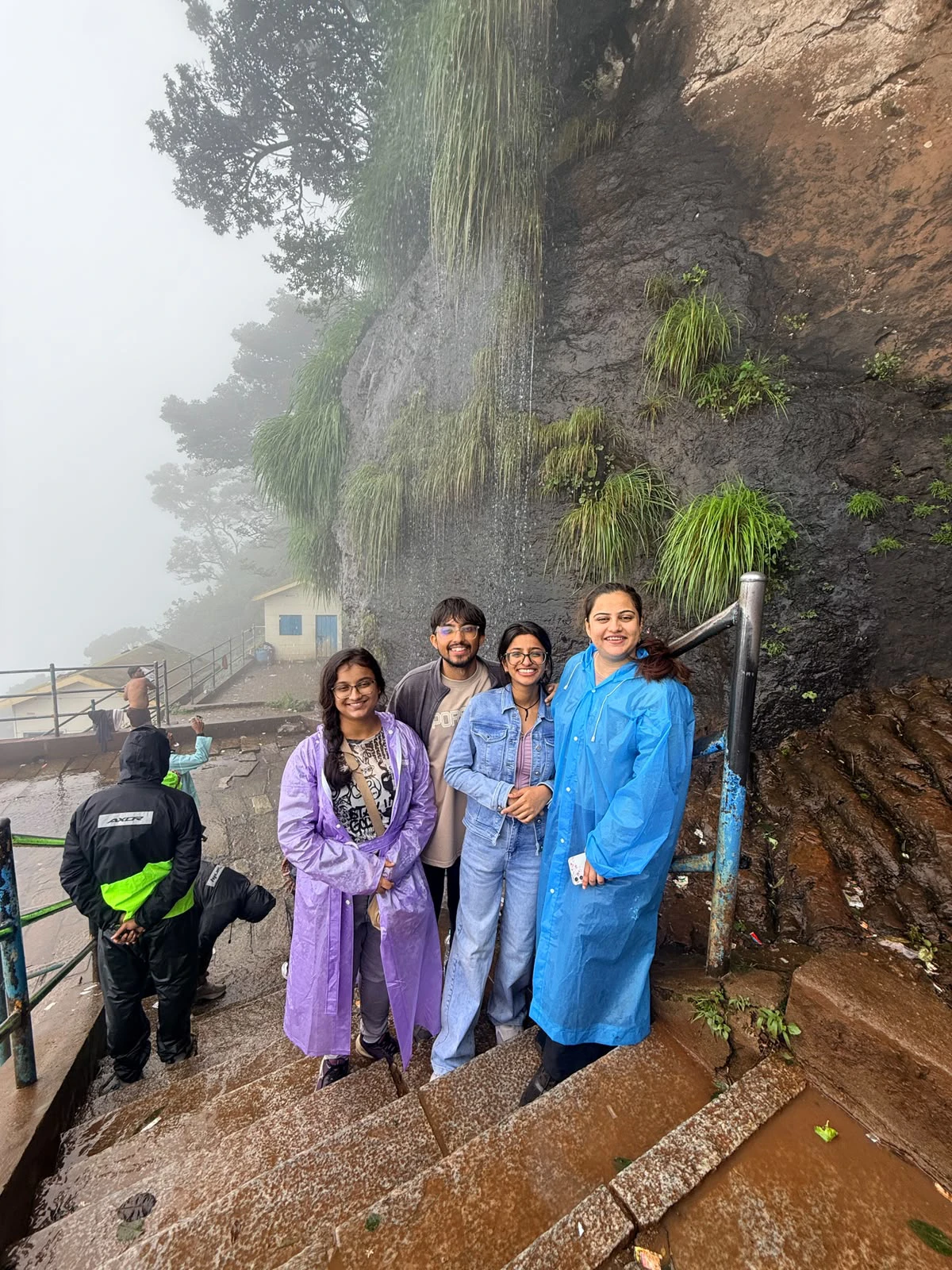
Once the monsoon reaches the Western Ghats in Karnataka, these misty mountains, thundering waterfalls, dense green forests and the serene deep green valleys all change into an amazing heaven. Sure, a trekking heaven, Karnataka! Since the most picturesque and rewarding monsoon treks are listed below for you to be there.Table of ContentsIntroductionBest Monsoon Treks in KarnatakaTips for Monsoon Treks in KarnatakaConclusionA world heritage site which falls in the Western Ghats of Karnataka, the western state has a luxuriant flora and fauna, providing the most remarkable treks of Southern India. Waterfalls, evergreen dense forests, green mist and grasslands appear in the monsoon season covering the hills. There is no time of year as refreshing for trekkers as the monsoon, as streams flow with clarity, and the climate is very pleasant. To list some of the most arresting trek routes in the country with mountainous terrain of waterfalls and deep forests, one has all that within Karnataka during the monsoons. If you love mountain adventures and scenic hiking trails, explore more destinations through our Treks in Karnataka guide.Top Rainy Season Treks in Karnataka for Nature and Adventure Lovers1. Netravati TrekSTARTING POINT: Samse VillageENDING POINT: Netravati PeakDIFFICULTY LEVEL: ModerateTREK DISTANCE: 14 KMBEST SEASON: Monsoon & Post-MonsoonHere, you'll come face to face with the dense green forests and the rolling grasslands of the Western Ghats. Generally, the whole trek would take place on a path covered by mist all over, which, during the monsoon, appears to be a white covering on all sides of the hill and clouds hovering through them. The path will take you through the dense forest and emerge at the ridge for you to view the valley completely, with the rolling green grassy fields on it. With fresh air, wet slopes and a peaceful environment, it becomes one of the best monsoon treks in Karnataka. Among Karnataka's most scenic monsoon trails, Netravati Trek is famous for rolling grasslands, cloud-covered ridges, and breathtaking Western Ghats views.2. Bandaje Falls TrekSTARTING POINT: Sunkasale VillageENDING POINT: Bandaje Falls ViewpointDIFFICULTY LEVEL: Moderate to DifficultTREK DISTANCE: 16 KMBEST SEASON: Monsoon & Post-MonsoonThe Bandaje Falls has got everything that a best waterfall trek in Karnataka would have: dense woods, grasslands, cliffs, etc. The view from the Bandaje falls is an awe-inspiring experience, especially during monsoons, as the falls will be streaming down the rocks from a height of 200 ft or more! The Bandaje Falls trek is made through shola forests and grasslands, leading to a few spell-binding falls dropping into valleys! The spectacular waterfall views and dense forest trails make Bandaje Falls Trek one of the most rewarding monsoon adventures in Karnataka.3. Kodachadri TrekSTARTING POINT: Nittur VillageENDING POINT: Kodachadri PeakDIFFICULTY LEVEL: ModerateTREK DISTANCE: 10 KMBEST SEASON: Monsoon & Post-MonsoonKodachadri Trek: A magnificent peak located in the Western Ghats, Kodachadri is carpeted with dense green rainforests and mist-covered tracks and has excellent viewpoints. The rains make the forests complete with numerous waterfalls and streams, and clear skies of summer present amazing views of the vast ranges of hills and mist-filled valleys. It's the sunset that is breathtaking. Known for its mist-covered peaks and rich biodiversity, Kodachadri Trek is a must-visit destination during the monsoon season.4. Dudhsagar Falls TrekSTARTING POINT: Castle RockENDING POINT: Dudhsagar FallsDIFFICULTY LEVEL: ModerateTREK DISTANCE: 12 KMBEST SEASON: MonsoonTrek to Dudhsagar Falls. Dudhsagar Falls, which appears like milk, is one of the highest falls in India and is at their most magnificent during monsoons. The trek route will take a trekker across railway tracks, through tunnels, forest patches and across rivers and will surely prove to be a wonderful experience of the Western Ghats. A trekker will surely be mesmerised by the thundering noise of the falls and the mist at the bottom. The roaring cascades and lush surroundings make Dudhsagar Falls Trek one of the most iconic monsoon treks in South India.5. Kudremukh TrekSTARTING POINT: Mullodi VillageENDING POINT: Kudremukh PeakDIFFICULTY LEVEL: ModerateTREK DISTANCE: 20 KMBEST SEASON: Monsoon & Post-MonsoonKudremukh Trek: This trek is named after the horse mouth-shaped peak. This is another of the popular treks in Karnataka. One will be trekking through dense green forests, clear, bubbling streams and lively rivulets, expansive meadows that extend onto distant grassy hills, and mist-covered hills. The diverse terrain of this trek turns into green landscapes during the monsoons, and walking through clouds becomes an integral part of this trek at this time of the year. The views from the summit are surreal, where valleys spread far below in all their natural beauty of the Western Ghats. Famous for its endless green hills and breathtaking landscapes, Kudremukh Trek remains a favorite monsoon destination for trekkers.6. Gangadikal TrekSTARTING POINT: MaranahalliENDING POINT: Gangadikal PeakDIFFICULTY LEVEL: DifficultTREK DISTANCE: 18 KMBEST SEASON: Monsoon & Post-MonsoonGangadikal Trek Far away from all, this place is deep within the Kudremukh range and is not as popular as others. However, this would be a good option for each of the nature-loving people looking to be in a deserted paradise. All the trek paths in this range comprise thick woods, meadows and dry ranges, but the monsoon turns it into a completely different zone where you have many colourful wild flowers, cascading streams and drifting clouds. There are fantastic views from the peak of other mountain ranges, giving a sense of achievement to trek lovers. For trekkers seeking less-crowded trails and dramatic mountain scenery, Gangadikal Trek offers a rewarding monsoon experience.7. Banasura Hill TrekSTARTING POINT: Vellarimala BaseENDING POINT: Banasura Hill SummitDIFFICULTY LEVEL: Moderate to DifficultTREK DISTANCE: 14 KMBEST SEASON: Monsoon & Post-MonsoonBanasura Hill Trek- Situated as one among the highest peaks of the Western Ghats (6700 ft), Banasura presents as the ultimate adventuring spot to relish the rain trek. The trekking path consists of evergreen forests, bamboo, and grassland, which leads through the mist-covered summit of the peak. Entire surroundings will be filled with verdure when the rains pour, while the clouds dance around and pass by so fast that all the ranges become one big green undulating hill stretching to infinity. Surrounded by forests and misty mountain views, Banasura Hill Trek provides an exciting trekking experience during the rainy season.8. Kurinjal TrekSTARTING POINT: Kudremukh National Park EntranceENDING POINT: Kurinjal PeakDIFFICULTY LEVEL: ModerateTREK DISTANCE: 12 KMBEST SEASON: Monsoon & Post-MonsoonKurinjal Trek - Situated on the borders of the Kudremukh National Park is a beautiful trek that traverses through dense forests, undulating grasslands and picturesque ridgelines. An ideal monsoon destination to be because of its pleasant cool weather, full bloom vegetation and mist-covered peaks. The view from the top is absolutely marvellous, looking out on the Western Ghats. Best for nature lovers and wildlife photographers. With dense forests, wildlife, and beautiful mountain views, Kurinjal Trek is one of Karnataka's hidden trekking treasures.Tips for Monsoon Treks in KarnatakaWear waterproof trekking shoes with good grip.Carry a raincoat or poncho for unexpected showers.Use waterproof covers for backpacks and electronics.Wear quick-dry clothing instead of cotton.Pack light and carry only essential items.Stay hydrated throughout the trek.Walk carefully on slippery rocks and muddy trails.Check weather forecasts before planning your trek.Carry a basic first-aid kit and emergency supplies.Use anti-leech socks or repellents in forest sections.Trek with a guide or group whenever possible.Start early to avoid trekking in poor visibility.ConclusionMonsoon has started pouring its bounty on the Western Ghats, and this might be the right time for trekking in India (Karnataka). Trek guides are available, from Netravathi and Kudremukh to Bandaje and Dudhsagar, and many more are available, surrounded by fog-covered hills and thundering waterfalls. It doesn't matter whether it is hardcore trekking that your heart desires or you just love the nature around, these monsoon treks in India are definitely going to provide everlasting memories. All you need is the raincoats and cool winds blowing heavily against your face, while trekking along the brilliant paths in Karnataka. For trekkers looking to experience lush greenery, waterfalls, and mist-covered peaks, our Best Winter Treks in Karnataka guide features the region's top rainy-season adventures.
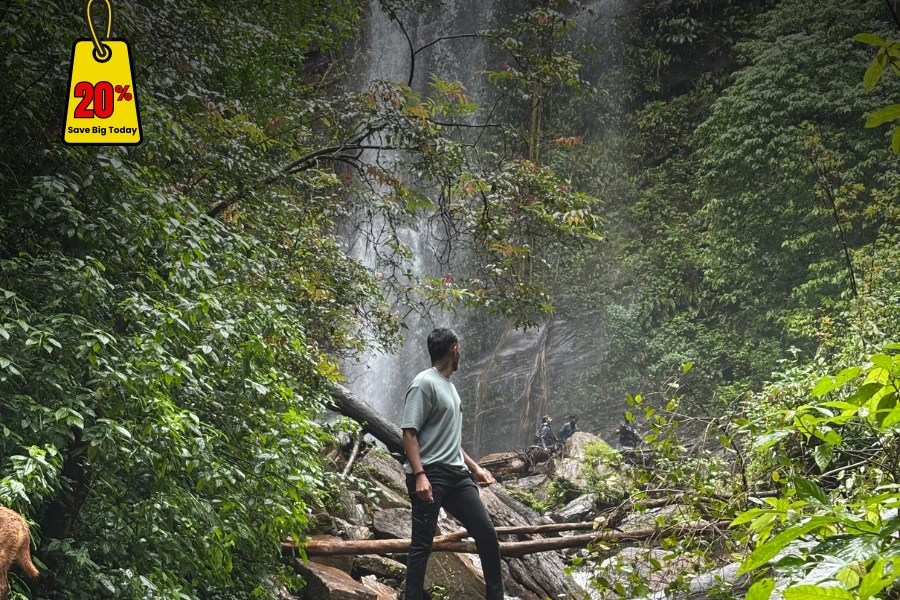
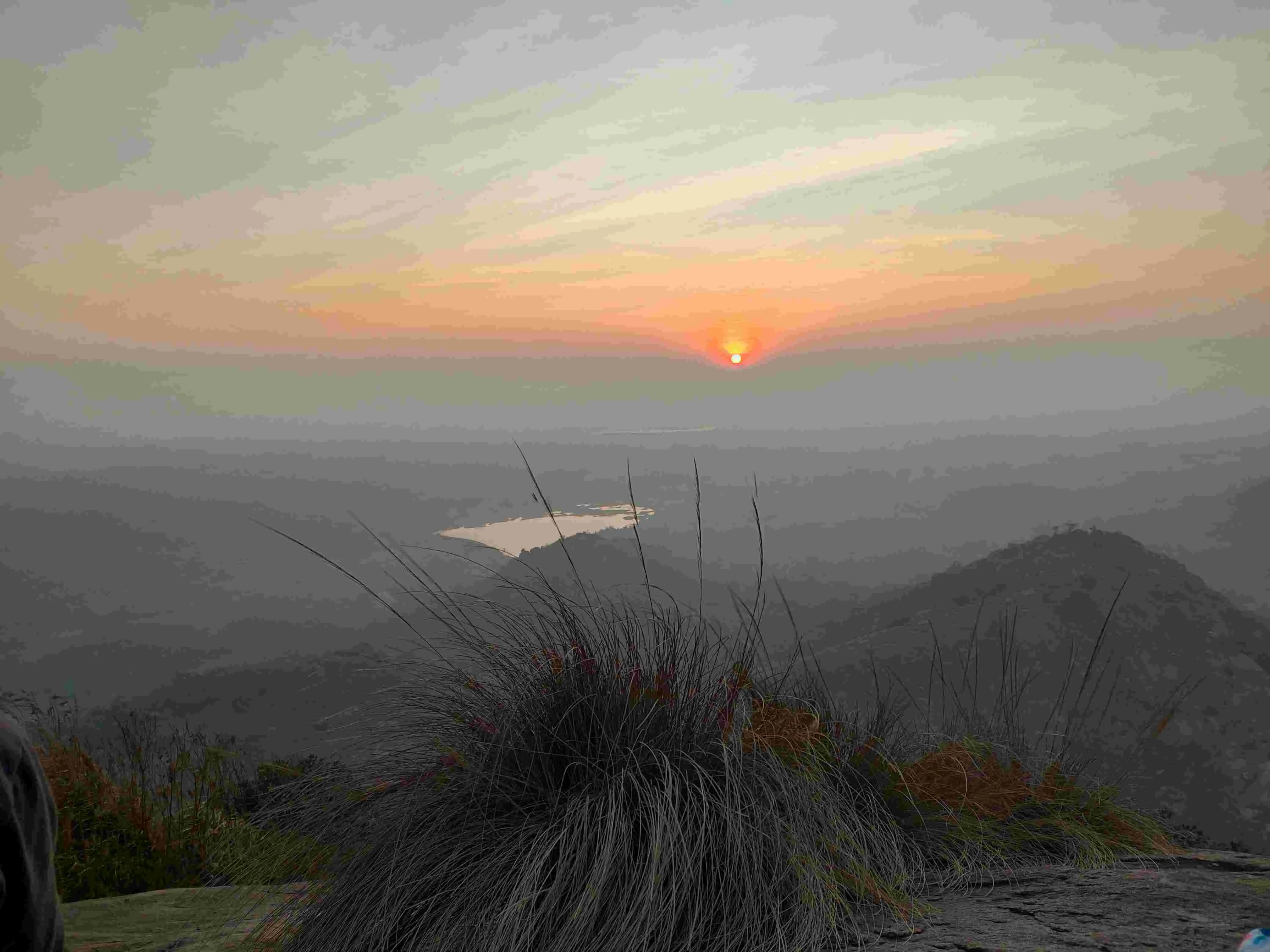
Activity location: Kodachadri, ShimogaStarting day: FridayEnd day: SundayKodachadri Trek Distance: 10 kmTrek Difficulty: Moderate to Difficult Kodachadri Height: 5,735 ft. (1,343 m)Distance from Bangalore: 380 KmAbout Kodachadri Trek, Shimoga: Kodachadri trek offers an ideal setting for nature enthusiasts and wildlife enthusiasts. Home to numerous plant and animal species, its wilderness setting makes for a memorable wildlife viewing experience. The trek is moderate in difficulty and requires good fitness levels and endurance. Before beginning the trek, it is vital to prepare your body by practising yoga and stretching muscles - this will reduce muscle aches and fatigue during your trek! Additionally, drinking plenty of water and carbohydrates is also key to fueling your body properly during its journey. Hidlumane Falls are one of the many sights worth seeing during this trek; these seven waterfalls cascading from mountain pinnacles make an impressive sight during monsoon season. Moola Mukambika Temple can be found at the summit of Kodachadri hill and is dedicated to Goddess Mookambika, who is said to have killed the demon Mookasura. Additionally, Adi Shankaracharya meditated at this location, making it an important spiritual site. Once at the summit, trekkers can take in breathtaking views of the surrounding hills and valleys as well as witness an exhilarating sunset from this point. Additionally, an ancient fort nearby offers another opportunity for discovery if desired. Hikers must remember that this trail forms part of Mookambika Wildlife Sanctuary and should take great care not to disturb or harm any of its wildlife. Looking for similar overnight adventures? Explore more exciting Monsoon Treks From Bangalore.
Activity location: Chikkamagaluru, KarnatakaStarting day: FridayEnd day: SundayKurinjal Height: 5,751 ft. Kurinjal Trek Distance: 10 km (both ways)Trek Difficulty: Moderate to Difficult Distance from Bangalore: 350 KmAbout Kurinjal Trek Chikmagalur:The Kurinjal Trek in the Western Ghats offers an unforgettable wilderness adventure, challenging both physically and mentally. Along the trail are dense forests, shola grasslands, rocky outcrops, stunning valley views of valleys and hills comprised by this region; coupled with sounds such as birds chirping away in harmony, waterfalls cascading down waterfalls or streams and leaves rustling underneath your feet - an experience which makes the entire trek truly special! This hike stands out from the pack in that it does not follow the conventional historical trail by featuring ancient temples or forts on top of hills; that makes it all the more special. Instead, this journey demonstrates how humankind can work alongside nature instead of trying to eradicate it; it offers us a glimpse into adventure travel's future when our natural surroundings can coexist without being exploited for commercial gain. No matter your level of trekking experience or desire for adventure, this moderately levelled hike offers something special. Discover breathtaking natural landscapes that will remain with you forever. As you prepare to embark on the Kurinjal Trek, the best way to prepare is by practising on hilly terrain similar to what will be encountered during your hike. Visit a nearby trekking spot and trek for 2-3 hours at a comfortable pace while stopping when needed and resting when necessary. Adventure seekers looking for challenging climbs can explore more Monsoon Treks Near Bangalore.
Activity Location: Chikkamagaluru, Karnataka Starting Day: FridayEnd Day: SundayKudremukh Height: 2,674 FtKudremukh Trek Distance: 18 kmTrek Difficulty: Moderate to Difficult Distance from Bangalore: 330 KmAbout Kudremukh Trek, Chikmagalur: Kudremukh Trek offers the ideal weekend escape from Bangalore. Filled with dense Shola forests, numerous streams, bamboo plants that reach up into the sky and lush green meadows - this trek makes an excellent photographer's playground! Additionally, during the monsoon and winter seasons, this path becomes even more breathtakingly beautiful. Trekkers can enjoy the lush beauty of this trail and spot wild animals like barking deer, lion-tailed macaques, Malabar giant squirrels and leopards along the route. Additionally, this trekking adventure provides breathtaking panoramic views of rolling hills and lush valleys that are sure to please nature enthusiasts alike. Kudremukh is one of the premier trekking trails in the Western Ghats, famed for its lush forests and breathtaking vistas. Although a difficult and rewarding hike that requires patience, endurance, and mental fortitude to complete successfully, Kudremukh nonetheless rewards you with breathtaking views from its cloud-covered peak at its conclusion! The trail begins at the Forest Department Office, where permits and guides must be obtained before beginning to trek across coffee plantations and muddy roads with waterfalls to reach Ontimara for your first glimpse of the forest. Once in the forest, the path becomes steeper and more difficult to traverse. After travelling a short distance, however, you'll reach a flat area covered by an impressive stand-alone tree where seating arrangements have been put in place so that you may rest at this scenic locale. This trek is one of the most popular experiences featured in our Monsoon Treks Near Bangalore collection.NOTE: Select the Friday date(Departure on Friday) for Saturday’s Trek.
Activity location: Sonaulim, GoaStarting day: FridayEnd day: SundayDudhsagar Falls Trek Distance: 09-11 km (one side)Trek Difficulty: Moderate to Difficult Dudhsagar Falls Height: 1017 FtDistance from Bangalore: 550 KmAbout Dudhsagar Waterfall Trek, Goa: Dudhsagar Waterfall Trek offers an unforgettable experience for anyone seeking an up-close glimpse of one of India's most stunning natural wonders. Nestled within Bhagwan Mahaveer Wildlife Sanctuary, Dudhsagar Waterfall is known for its picturesque white waters surrounded by lush vegetation, sure to leave any beginner speechless upon seeing this breathtaking spectacle! Although initially challenging, once your eyes fall upon this magnificent waterfall, you will be completely transfixed! Dudhsagar Waterfall's natural setting attracts an abundance of plants and animals, such as insects and birds. Look out for Emerald Doves, Great Indian Hornbills, Drongos, and Fairy BlueBirds when trekking through its lush forests and cascading waterfalls; just remember to keep a safe distance away from wildlife to respect its habitat! Dudhsagar Waterfall should be visited during post-monsoon or winter, when temperatures are comfortable and greenery still thrives - this enables visitors to take in its majestic views without dealing with high waters or slippery terrain. Dudhsagar Waterfall Campsite can be reached via a 14-kilometre trek that starts from Castle Rock railway station and finishes in Dudhsagar Waterfall Campsite via the railway track and off mud roads. On your journey, you'll have an opportunity to witness Western Ghat jungles up close while experiencing nature at its finest! In addition, walk along the railway tunnels adorned with lush green moss. If you enjoy mountain trails and scenic viewpoints, check out more destinations in our Monsoon Treks Near Bangalore guide.
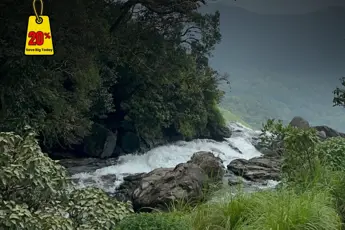
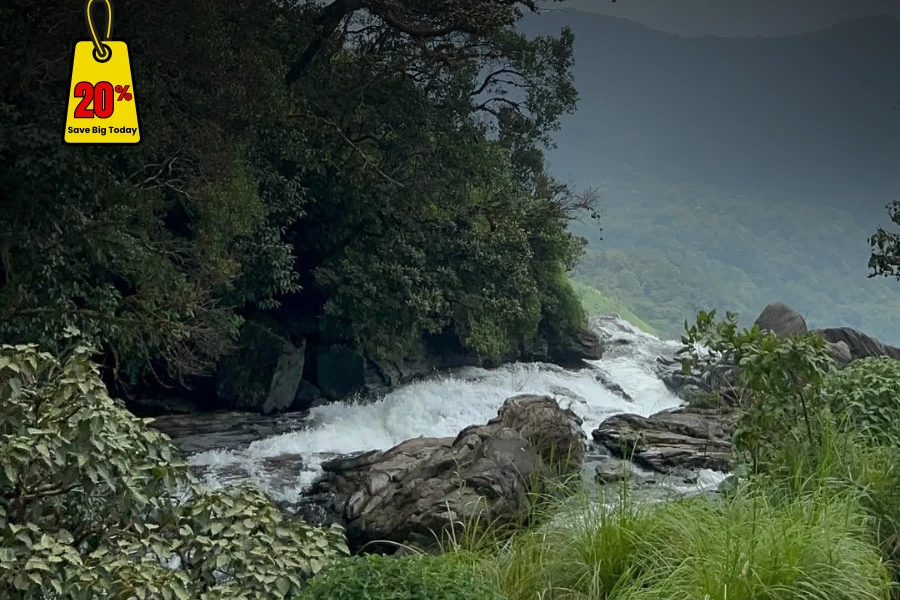
Activity location: Madugundi, Karnataka Starting day: FridayEnd day: SundayBandaje Falls Height: 700 m Bandaje Falls Trek Distance: 9 - 12 km Trek Difficulty: Moderate to Difficult Distance from Bangalore: 308 KmAbout Bandaje Falls Trek, Dakshina Kannada:If you're searching for an exhilarating monsoon trek near Bangalore, the Bandaje Falls trek offers an exhilarating weekend adventure. Boasting scenic trails, an ancient fort and breathtaking sunrise views - its centrepiece is undoubtedly Bandaje Arbi waterfall - an incredible natural marvel that stands as testament to nature's splendour. Start your trek off right with an enjoyable drive through mist-covered roads and lush countryside, stopping briefly in Ujire before arriving at Mundaje village - your starting point. Surrounded by dense forests and towering trees that create natural tunnels overhead while filtering sunlight onto the ground below, Mundaje village promises an escape from city life as you begin trekking through its lush jungle environment. As you journey through the dense forest, you will reach Ballalarayana Durga Fort perched atop a hill, providing breathtaking views and access to ancient relics. Once finished exploring this marvel, head towards Bandaje Falls; this magnificent sight consists of cascading falls crashing over cliffs before plunging into a lush gorge below; an experience which will leave you speechless! While you can travel independently on this trek, travelling in a group will make the experience more enjoyable and secure. Escape2Explore guides have extensive experience and training to provide expert guidance, so that your trekking experience remains safe and memorable. The trek can easily be reached from major cities in Karnataka, such as Bangalore and Mangalore, making it easily accessible for travellers from across India. As this trek is popular among visitors from various corners of the globe, early booking is necessary as tickets sell quickly! This trail is perfect for travelers planning scenic Monsoon trekking from Bangalore.
Activity location: Wayanad, KeralaStarting day: FridayEnd day: SaturdayBanasura Hill Height: 6,735 ft.Banasura Hill Trek Distance: 7-8 km (both ways) Trek Difficulty: Moderate to Difficult Distance from Bangalore: 270 KmAbout Banasura Hill Trek, Wayanad: Banasura Hill Trek is an unforgettable outdoor experience and should not be missed by adventure enthusiasts looking for an engaging nature experience. Set in Wayanad's unexplored region, this mountainous trek provides both thrills and peace amidst breathtaking natural surroundings. Offering breathtaking vistas of mountainous landscape, blue reservoir, and cloud-enshrouded skies - as well as offering opportunities to capture incredible pictures or videos of these remarkable surroundings, Banasura Hill Trek should definitely make the list of must-dos before setting off! Treks like these are great adventures for both amateur and expert hikers alike, providing an engaging challenge without being overly steep or treacherous. Winter months offer ideal temperatures to embark on this trek adventure. As soon as you begin your trek, the forest trail takes you through stunningly picturesque hills and the impressive Banasura dam. Along this picturesque journey are abundant trees and flowers to please the eye, and wild boars and elephants abound! After traversing a dense forest, you will come upon a picturesque lake on top of Banasura Hill. Surrounded by lush green grasslands, its beauty makes an amazing sight. Additionally, this peak boasts various attractions like the Caves of Banasura and a temple dedicated to Lord Vishnu, making for an amazing visit! Want more trekking getaways? Discover the best Monsoon Treks Near Bangalore for nature lovers.
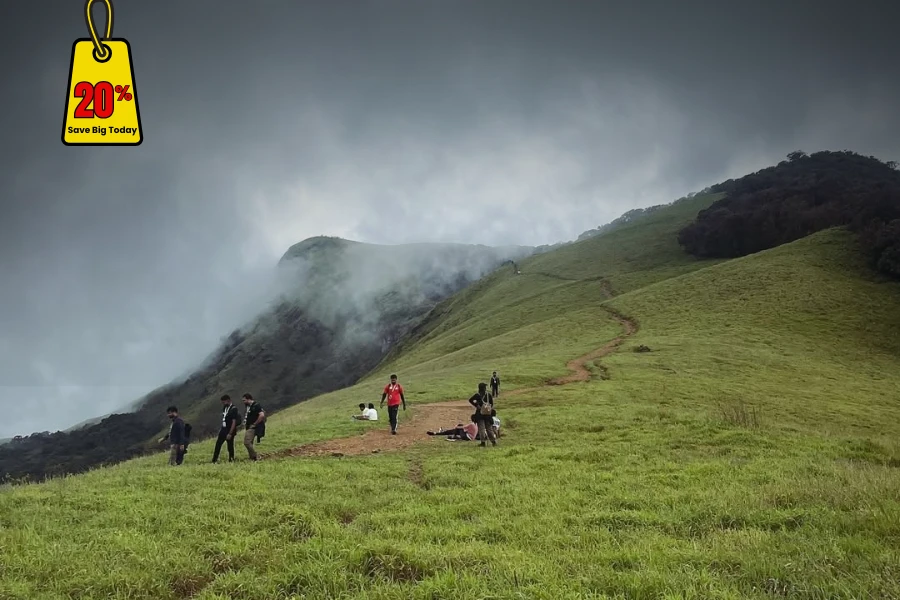
Activity location: Chikkamagaluru, KarnatakaStarting day: FridayEnd day: SundayNetravati Peak Height: 4,986 ftNetravati Peak Distance: 14 km approx.Trek Difficulty: Moderate to Difficult Distance from Bangalore: 320 KmAbout Netravati Trek, Chikmagalur:Netravati trek is a 2-day monsoon trek to a 4,986-ft peak in Chikmagalur's Kudremukh range, rated moderate to difficult and best done between June and September, when the grasslands are green and the route's waterfalls are running. Most people book this as a weekend escape rather than a planned vacation. The bus leaves Bangalore's Majestic around 7 PM on Friday; you're at the base by early morning, and the climb itself takes most of Saturday. Day two is lighter: a visit to Beluru Temple and the Samse Tea Estate before the drive home, so the whole trip isn't spent on your feet. Netravati sees fewer trekkers than Kumara Parvatha or Kudremukh — the two treks people usually compare it against — which is part of the draw if you'd rather not queue at the summit. The tradeoff: the trail is less worn, and as with most Western Ghats climbs in monsoon, expect slippery patches after rain, especially in July and August. With a trek captain accompanying the group throughout and an itinerary paced across two days rather than crammed into one, it's manageable for a reasonably fit first-timer — though "moderate to difficult" means it's not the gentlest introduction to trekking either. If you've never done a multi-hour climb, this shouldn't be your very first one. Whether you are trekking with friends, solo, or with a group, this trek promises an unforgettable outdoor adventure. Love lush green landscapes and misty trails? Explore more Monsoon Treks from Bangalore.
Activity location: Chikkamagaluru, KarnatakaStarting day: FridayEnd day: SundayGangadikal Height: 4,806 ftGangadikal Trek Distance: 16 km approx.Trek Difficulty: Moderate to Difficult Distance from Bangalore: 320 KmAbout Gangadikal Trek, Chikmagalur:The Gangadikal Trek offers an entrancing adventure nestled within the Kudremukh National Park in the Chikkamagaluru district, Karnataka. A lesser-known trail that blends physical challenge with spiritual renewal, this offbeat adventure lets you witness the raw beauty of the Western Ghats. Famed for its peak that resembles a horse's head ("Kudremukh" means "horse-face") and sense of seclusion that draws hikers from far and wide, famous personalities such as Kalpana Chawla have explored this rugged terrain, thereby adding an aura of mystery that only adds further allure. Gangadikal Trek offers stunning panoramas and intimate environments to provide an escape from daily stressors while experiencing nature at its finest. Popular among experienced hikers, this trek offers unparalleled tranquillity - with its remote villages, rugged terrains, abundant biodiversity and plentiful amenities along the trail of Gangadikal, it's sure to please all who choose to embark upon it. This trail is an ideal option for both experienced and novice trekkers, offering moderately challenging terrain that suits almost every fitness level. Additionally, this path is home to various animals and birds such as deer, lion-tailed macaque monkeys, Malabar giant squirrels, Leopards, and Common Langurs; many of which make an appearance on this trek! As soon as you reach the peak, take in stunning views of the entire ridge and its deep valleys. Additionally, it may prove challenging but ultimately enjoyable, climbing Gangadikar Peak offers you a rare and exclusive vantage of the Kudremukh range, unlike any other summit. Want more trekking getaways? Discover the best Monsoon Treks Near Bangalore for nature lovers.
Really enjoyed our Chikmagalur trip with Escape2Explore. The greenery, waterfalls and mountain views were beautiful. Travelling with a group was also a fun experience, and we got to meet some... Read More
View More
Darshan
Reviewed: Aug 21, 2026
star
5/5
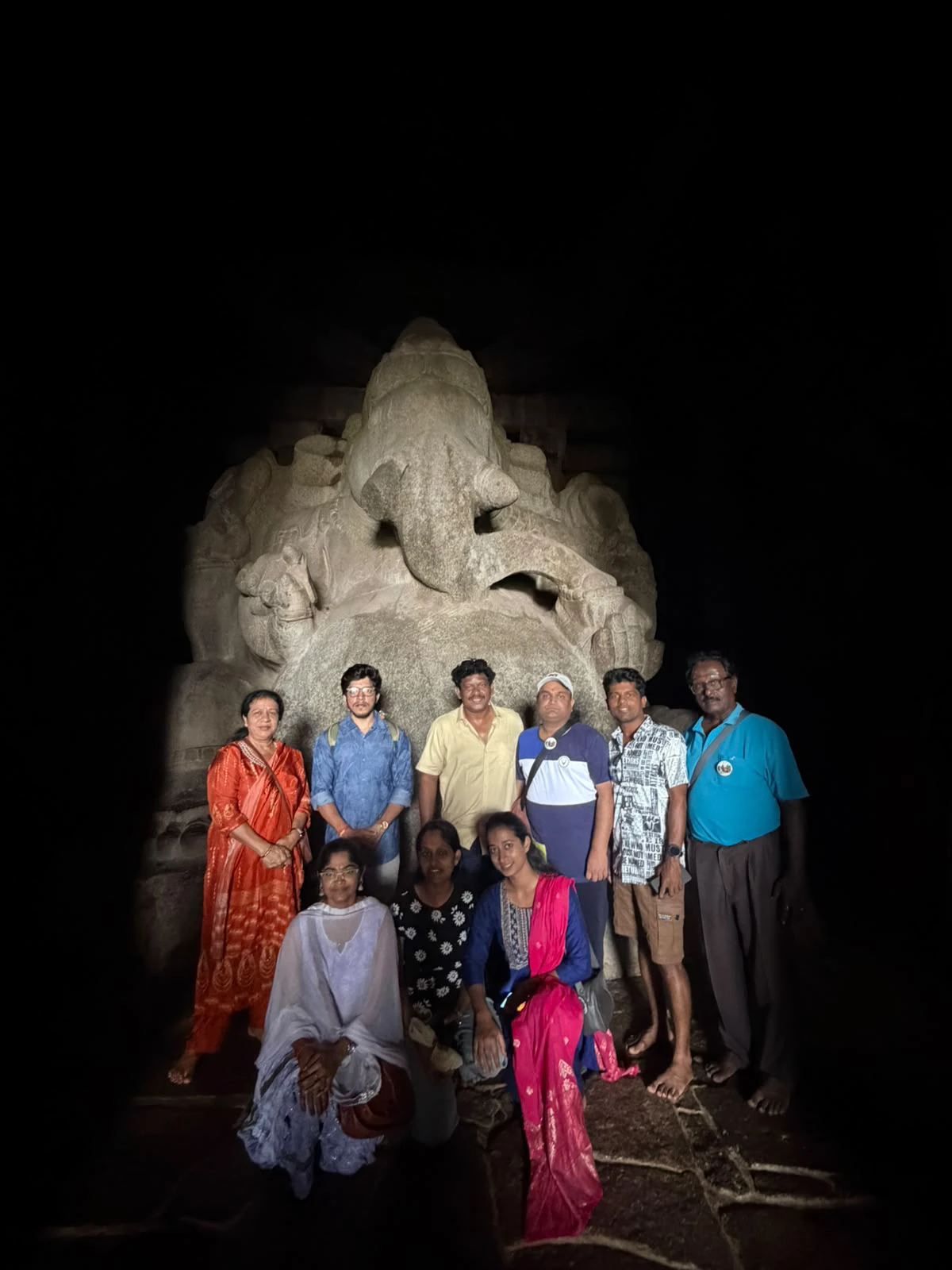
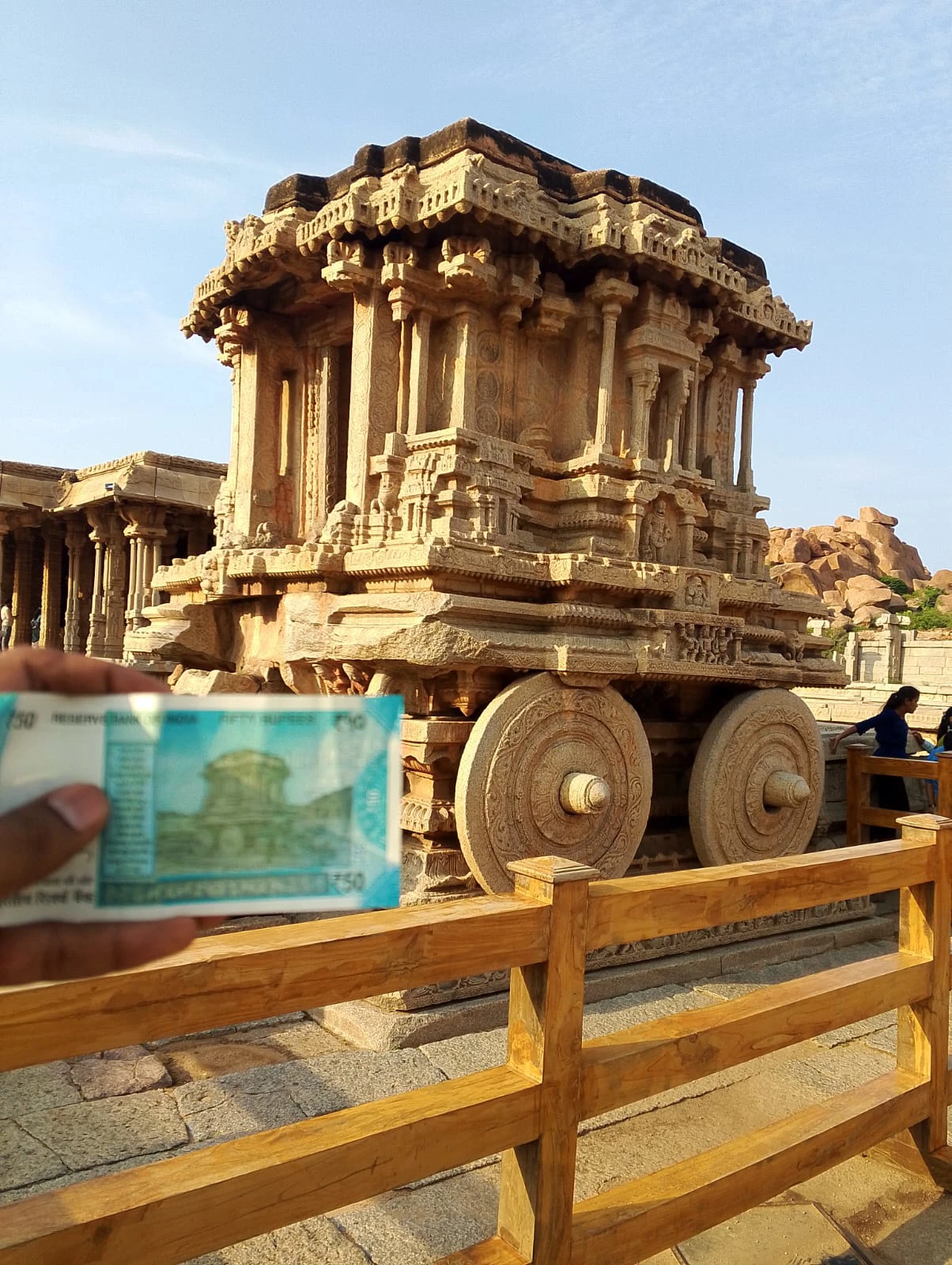
Had a really good experience with the Hampi trip. The place itself was amazing, and the trip was a nice mix of sightseeing, exploring and spending time with the group.... Read More
View More
View More
Tejas
Reviewed: Aug 20, 2026
star
5/5
Uttari Betta was a surprisingly beautiful trek, and Escape2Explore made the experience easy and enjoyable. The trek leaders were helpful, the group was fun, and the views from the top... Read More
Sneha
Reviewed: Aug 19, 2026
star
5/5
Took the Uttari Betta trek with Escape2Explore and enjoyed every bit of it. The route was exciting and the scenery was beautiful. The team handled the group well, and there... Read More
Rahul
Reviewed: Aug 18, 2026
star
5/5
Loved the overall vibe of the Uttari Betta trek with Escape2Explore. It was more than just walking uphill—the trail, rocks, greenery, and views made it interesting throughout. Met some nice... Read More
Qureshi
Reviewed: Aug 17, 2026
star
5/5
Had a fantastic time exploring Uttari Betta with Escape2Explore. The trek leaders were energetic and made sure everyone stayed on track. The natural scenery and open views along the route... Read More
Priya
Reviewed: Aug 16, 2026
star
5/5
The Uttari Betta trek was a great experience with Escape2Explore. Everything felt well coordinated, and there was a nice balance between trekking and taking breaks. The peaceful surroundings at the... Read More
Owaiz
Reviewed: Aug 15, 2026
star
5/5
Went to Uttari Betta with Escape2Explore over the weekend and absolutely enjoyed it. The trail was interesting, especially the rocky sections, and the views from the higher points were beautiful.... Read More
Nisha
Reviewed: Aug 14, 2026
star
5/5
Escape2Explore made my first Uttari Betta trekking experience really memorable. The instructions were clear, the coordination was good, and the trek leaders were supportive. Watching the scenery change as we... Read More
Manju
Reviewed: Aug 13, 2026
star
5/5
Had a fun-filled day at Uttari Betta with Escape2Explore. The trek had enough adventure to keep things exciting without being too long. The landscape was beautiful, and the overall group... Read More
clear Hey there!! 👋 Have any enquiries
About Us
Unleash adventure near Bangalore! From hills to caves, immerse in nature's thrill. Unforgettable memories await!