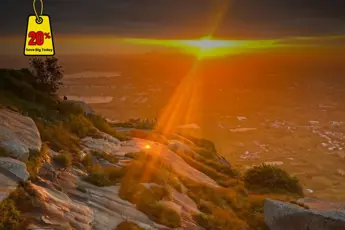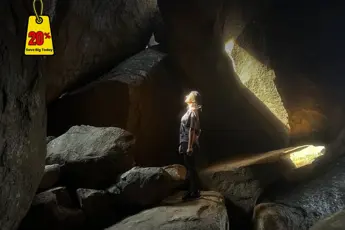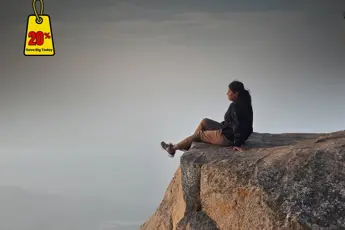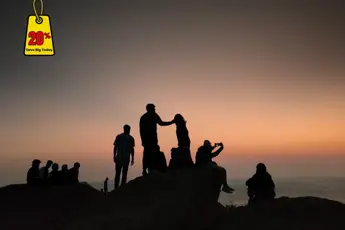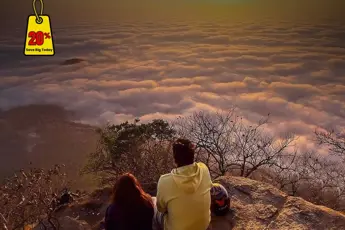

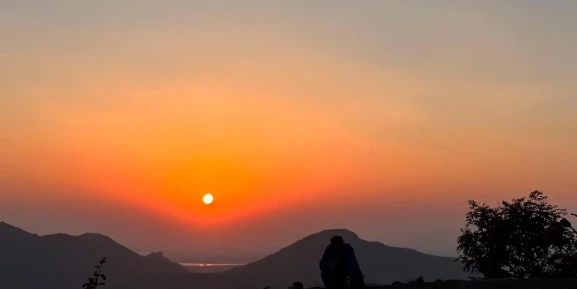
Devarayanadurga is full of history and lore and constitutes the cultural heritage of Karnataka. "Devarayanadurga," the toponym in Kannada, means "God's Fort," and the region was so named because it was so named by the king of Mysore, Chikka Devaraja Wodeyar, who reportedly occupied and protected the hill during the 17th century. Otherwise known as Jataka Durga previously. The hill has been a place of religious importance right from ancient days. The ancient temples of Lord Narasimha, an avatar of Lord Vishnu, are located on the hill. Yoga Narasimha Temple at the summit and Bhoga Narasimha Temple at the base are centuries old by tradition. Both of these temples are part of the Dravidian school of architecture and have been sacred pilgrimage spots for devotees from across Karnataka. Short outdoor escapes and scenic destinations can be explored through our Things To Do In Bangalore guide.Temple architecture and fort indicate that these temples and defence lines were built and rebuilt by the later dynasties like the Hoysalas, Cholas, and the Vijayanagara rulers. Strategically located indicated the hill in question was significant in the past, too and even the trekking path route today has left some traces of an old defence line there. In addition to being a religious and historical place, Devarayanadurga also features sages and saints residing in the region as a meditating centre in caves and peaceful hilltops. Even today, the location is spiritually energised and attracts pilgrims and trekkers. Years have witnessed Devarayanadurga transform from a hill fort to a trekker's haven of choice without losing its historical sanctity and vintage glow. Its mix of history, myth, and landscape continues to thrill the heart of a traveller. Travelers looking for nearby hill adventures frequently explore our Devarayanadurga Trek Package.Places to see around DevarayanadurgaNamada Chilume: A legendary spring only 2 km from Devarayanadurga, Namada Chilume is a legendary spring. Myth has it that Lord Rama inserted an arrow in the stone to create a water source so that he might inscribe a nama (auspicious mark) on his forehead. Water oozes perpetually from a minute hole in the stone, and the spot has turned into a peaceful picnic site amidst thick green cover and a deer park.Siddaganga Math: Around 24 kilometres from Devarayanadurga lies the holy religious and educational institution of Siddaganga Math. It has been a centre of religion for more than five decades now, and is also famous for social welfare and education. The ashram continues to be popular among the visitors because of the spiritual atmosphere, communal dining, and shrine of Sri Shivakumara Swamiji.Shivagange: Shivagange is a hill, about 20 km from Devarayanadurga, that is used as a trekking point as well as a pilgrim centre. It is also called the "Dakshina Kashi" and has various temples, of which the popular Gavi Gangadhareshwara Temple is one. Climbing is difficult and adventurous, but the scenery and sacred ambience are worth it.Tumkur City: The nearest big city, about 15 km in the eastern direction, is Tumkur, which is a reasonable headquarters town for visitors. There are a few places of interest at Tumkur, e.g., Sri Siddeshwara Temple, Gulur Ganesha, and some small restaurants and bazaars. Tumkur is reasonably well connected by rail and road, too, from Bangalore.Madhugiri Fort: A location about 45 km from Devarayanadurga, Madhugiri has Asia's second-largest monolithic structure and the hill fort. Ascending to the top is tiresome but worthwhile, with the view and scenery of military architecture and the history of the place.Best Time to VisitOctober to March – October to March is a good time to visit Devarayanadurga. It is pleasant and cool weather, and most appropriate for temple tours, photography, and trekking. Post-monsoon vegetation is a green canopy, and the temperature is between 15°C and 28°C; hence, all outdoor activities are at their best. It is also the ideal time to enjoy fabulous sunrises and sunsets while sitting on the hill with bright blue skies to accompany.July to September – Monsoon also gets in on the act, freezing the area with fresh leaves and filling streams and springs. Namada Chilume and forest areas near Devarayanadurga are particularly lovely in these months. However, trekkers have to watch out because the trails become slippery. Nature enthusiasts and photo enthusiasts can have some pleasant moments during monsoon when there are some good scenes and misty hilltops.April to June – Summer is hot with day temperatures well over 35°C. Walking in sunlight is exhausting and best avoided unless you go very early morning. But the hilltop is manageable than the plains below, so a morning trip out for sunrise or a short temple trip can be planned.How to Reach DevarayanadurgaBy Road: Devarayanadurga is also well connected by road and is around 70 km from Bangalore and just 15 km from Tumkur. A private car or taxi is the most convenient mode of transport, especially for trekkers and group tourists. By NH 75 (Bangalore-Tumkur Highway) route is a smooth drive with picturesque scenery. Frequent buses are available from Tumkur to Bangalore, and from Tumkur, local autos or taxis can travel up to the foot of the hill.By train: The closest railway station is Tumkur Railway Station, 15 km from there. It is well linked with Bangalore and other urban parts of Karnataka. One can go to Devarayanadurga in an auto-rickshaw or taxi from Tumkur. Trains can even be taken for those who would like to travel shoestring style but would want a bit more comfort than travelling by bus.By Bus – Karnataka State Road Transport Corporation (KSRTC) and private buses run frequently from Bangalore to Tumkur. Local bus and shared auto ply from the bus stand at Tumkur to Devarayanadurga, the frequency would be bad, but more so early morning or late evening. Timings should be checked in advance, or some waiting time should be factored in.By Airport – Bangalore Kempegowda International Airport (BLR), located about 95 km from Devarayanadurga, is the nearest airport. Either drive directly in a cab or go to the city of Bangalore by cab and proceed further by train or bus from there to continue in the direction of Tumkur.