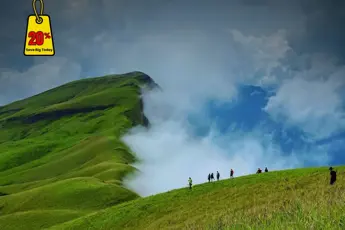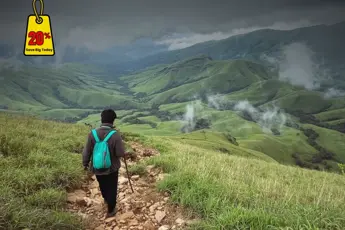

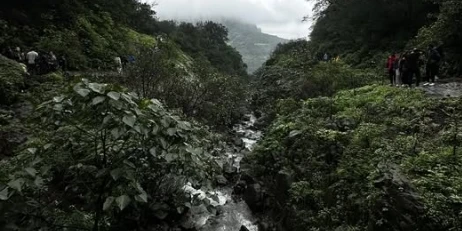
This located within the Tamhini Ghat region of Maharashtra, lacks a record of historic significance about wars or forts that existed in ancient times, unlike other trek locations in the Western Ghats. Its popularity results from its eco-significance as well as its cultural significance. Previously, the area of Tamhini Ghat, which includes Andharban, was used as the historic trade route from the Deccan Plateau to the Konkan coast. The forests existed as natural protectors and were also sources of useful resources in the form of medicinal plants, timber, and habitat for original tribal communities. Original tribes like the Mahadeo Koli and Thakar lived within the forest with complete harmony against nature, and their livelihood was sustained by forest resources. Forest trails and scenic mountain routes are featured throughout our Treks in Maharashtra guide.The Sahyadri mountain range, to which Andharban belongs, has been referred to in old Indian literature and has been highly valued for centuries due to its religious significance and variety. Various sages and ascetics are believed to have conducted their meditation here in these remote forest segments. As Tamhini Ghat got settled with roads through urbanisation, the Andharban path slowly started gaining popularity among trekking fanatics and nature enthusiasts due to its virgin, untouched glory. Andharban has been welcoming tourists as an ecotourism destination, especially in the last few decades, due to its reverse trek and fog-covered trail. It is not particularly proud of having a nice historical landmark, but due to its cultural and natural connection with the indigenous people of the Western Ghats, it is a place of peaceful, enduring legacy. Nature enthusiasts and monsoon trekkers frequently explore our Andharban Trek Package.Book the Andharban Jungle Trek from PuneFrom ₹1,799 per person. Rated 4.5/5 by 30 trekkers. 80 km from Pune. Check dates & book -> Andharban Jungle Trek from PunePlaces near Andharban JungleTamhini Ghat: Near the trekking trail of Andharban, Tamhini Ghat is a picturesque mountain pass of the Western Ghats connecting Pune to the Konkan region. Renowned for its rolling green hills, tumbling waterfalls, and misty monsoon weather, it's a nature drive and shutterbug paradise. Its dense biodiversity makes it a heaven for bird watchers and wild life enthusiasts too.Mulshi Dam: A mere few kilometers from the trek commencement point, Mulshi Dam is a serene reservoir lying between hilly landscape and forest cover. It is an ideal site to take a relaxed break following the trek. It is also the ideal site for picnicking, bird watching, and viewing broad-angle shots of the water reflecting surrounding greenery, especially during monsoon season.Devkund Waterfall: Concealed deep in the forest region near Bhira village, Devkund Waterfall is a peaceful plunge waterfall that has become the most popular among nature lovers and trekkers too. Devkund's trek of limited distance is on forest paths and river wades. The blue pool at the bottom, created by the waterfall, is an eyesore and perfect for a peaceful sojourn in nature.Plus Valley: Plus Valley is a V-shaped valley along Tamhini, looking like the silhouette of a sign from the air. It is a thrilling trekking spot well known for cliff tops with a bird's eye view and a path at the level of the gorge. It is more difficult and reserved for trekkers, but it is worth climbing, considering its lovely scenery.Bhira Dam: Located at the end of Andharban, Bhira Dam, commonly referred to as Tata Power Dam, is a working and sightseeing spot. Kundalinka River starts from here and is very famous for rafting in white-water rafting. A hills-and-forests landscape spot, the spot of the dam itself is also peaceful to be situated on.Best Time to VisitMonsoon (June to September): The best time to go for the Andharban is the monsoon season between June and September. The jungle is ideal at this time with full green cover, cascading waterfalls, and misty roads. The pleasant weather and drizzle make it a perfect trekking experience, and it becomes a paradise for nature lovers and adventure seekers too. The plenty of rain also adds a touch of beauty to the thick jungle and imparts a mystic atmosphere. Although one should prepare oneself for slippery trails, as trails become more challenging in the rain.Post-Monsoon (October to December): If you prefer a little dry season but also want to see the forest at its peak beauty, the post-monsoon season (October to December) is ideal. The landscape is still rich in colours, and the weather is also cooler and comfortable with crystal clear skies and low humidity. It is the optimum ratio in the sense that the forest remains green but not much waterlogged due to excessive rainfall. The trails for trekking are firmer, and the trekkers have a shorter walk. The view of the valleys around is even better at this time, including the more extensive views on offer as well.Winter (January to February): For travellers who prefer a cooler climate and do not wish to subject themselves to the hazards of trekking during monsoon, January and February are months that offer pleasant weather with dry trails. The forest need not be so green in these months, but the quiet and peacefulness of winter months are ideal. The weather is ideal for a comfortable hike, and the landscape is usually crisp and clear. It's ideal for photography and to see the peaceful beauty of the jungle without the crowds.Summer (March to May): Although the summer months (March to May) are not ideal for this trek due to the warmer and more humid weather, it can still be attempted during these months. The climate is milder, and the hike is tiresome, with some of the canopy of the forest providing shade. However, it is best to hike early morning to avoid the sun during the day and have sufficient drinking water throughout the trek. Summer would be perfect for those looking for a serene trek with fewer monsoon hikers, but take precautions against the heat.How to Reach (Tamhini Region)By Road: The road to reach Andharban is most convenient, with freedom and pleasant tracks as a unique feature. The trek begins from the village of Pimpri at a distance of 55-60 km from Mumbai and 120-130 km from Pune. Travel via the Mumbai-Pune Expressway from Mumbai, the same way to Lonavala. Take a path from Lonavala to Tamhini Ghat where the trekking base road starts. Hiring a taxi or travelling in one's car is also feasible. It can be done by public transport in the form of buses from Pune and Mumbai to Tamhini Ghat, but may run less often the bus.By Train: If one has to go by train, the closest railway stations to the base of the trek are Lonavala and Karjat. There is a local bus or taxi from either of these two stations to the village of Pimpri, where the trek starts. These two stations have good communication connectivity with Mumbai and Pune by regular trains and are good pickup points. But it is better to organise beforehand since the trek begins from a very remote place, and there may not be public transportation convenient enough to take you to the starting point of the trek.By Airport: For the outstation visitors, the nearest airports are Mumbai's Chhatrapati Shivaji Maharaj International Airport and Pune International Airport. Both have taxi or rental car facilities for reaching Tamhini Ghat. A 3-4 hour drive from Mumbai airport reaches to the starting point of the trek, and with the Pune airport, it takes around 2-2.5 hours of drive.