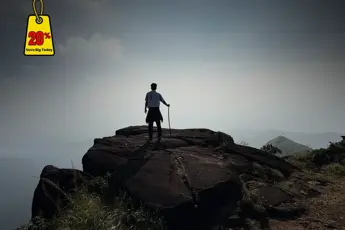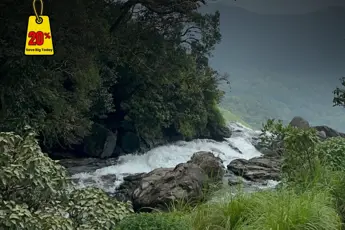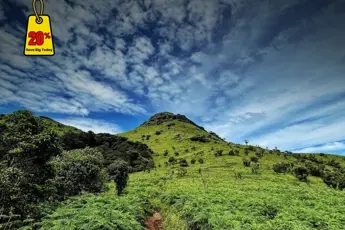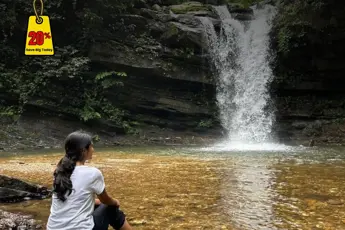

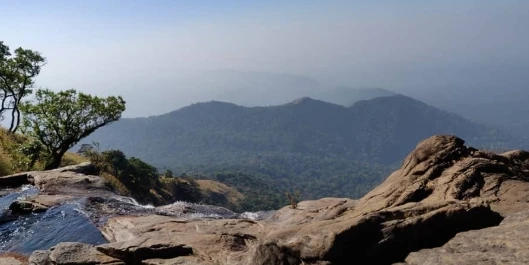
Nestled deep within the verdant forests of the Western Ghats, Bandeja Waterfall is one of Karnataka's lesser-known yet truly mesmerizing natural wonders. Tucked away from the usual tourist circuits, this cascading beauty offers an enchanting retreat for nature lovers, adventure seekers, and peace hunters alike. With its pristine waters tumbling from a great height into a rocky plunge pool below, surrounded by lush greenery and melodious bird calls, Bandeja is a scene straight out of a dream. Unlike the more commercialized waterfalls in the region, Bandeja retains its raw, untouched charm, offering visitors an authentic experience of the wilderness. Reaching the waterfall itself is an adventure. The journey typically begins with a scenic drive through winding roads flanked by coffee plantations, spice farms, and dense forest stretches. The final leg involves a moderate trek through thick jungle trails, overgrown shrubs, and the occasional stream crossing. This trail not only makes the visit thrilling but also allows you to immerse yourself in the rich biodiversity of the Western Ghats, which is recognized as one of the eight “hottest hotspots” of biological diversity in the world. Along the path, lucky trekkers might spot colourful butterflies, chirping birds, and even small mammals like Malabar squirrels or monkeys leaping through the canopy.Upon reaching Bandeja Waterfall, the view is nothing short of magical. The falls cascade down multi-tiered rock formations, creating a curtain of white water that glistens in the sunlight. The cool mist from the waterfall creates a refreshing atmosphere, perfect for a dip in the natural pool or simply relaxing by the rocks. The area is often devoid of large crowds, making it ideal for picnics, photography, or quiet meditation. It's not just the waterfall but the entire setting that captivates—giant trees standing guard, the occasional echo of wildlife, and the earthy aroma of wet leaves and moss. Bandeja Waterfall is best visited during or just after the monsoon season, typically between July and October, when the water flow is at its peak and the surrounding foliage is vibrant and lush. However, those preferring less slippery trails and easier access might opt for the post-monsoon months when the region still holds its beauty but with calmer conditions. While visiting, it's recommended to carry essentials like good trekking shoes, sufficient drinking water, snacks, insect repellent, and a first-aid kit. Being a relatively untouched location, there are minimal facilities near the falls, so visitors must be prepared and responsible, especially with waste disposal. Monsoon adventure lovers can browse our Treks Near Bangalore guide for more trekking destinations.Nearby Attractions Around Bandeja FallsWhile Bandeja Falls itself is a major highlight, the surrounding region is filled with offbeat spots and scenic experiences that make your trip even more memorable. Here are some must-visit nearby attractions:Scenic ViewpointsThe Western Ghats are known for their rolling hills and misty vistas, and there are several unnamed viewpoints near Bandeja Falls where you can catch breathtaking sunrise or sunset views. A short hike from the waterfall area may lead you to open cliffside views, perfect for photography or simply soaking in the moment.Coffee and Spice PlantationsJust a short drive away, you’ll find sprawling coffee estates and spice plantations typical of the region. Many of these offer guided tours where you can learn about the cultivation of pepper, cardamom, vanilla, and of course, coffee. Some even serve fresh brews right at the estate—an aromatic treat you don’t want to miss.Local Temples and Cultural SpotsThe nearby villages have age-old temples and shrines tucked within the forests, reflecting the spiritual connection locals have with the land. These peaceful spots offer a glimpse into rural traditions and often host small village festivals during certain seasons.Birdwatching TrailsBeing part of the Western Ghats, the area around Bandeja Falls is rich in birdlife. Bring your binoculars and keep an eye out for hornbills, drongos, paradise flycatchers, and more. Early mornings are the best time for spotting these winged wonders as they glide through the canopy or call from treetops.Eco Camps and HomestaysFor those wanting to extend their visit, there are a few eco-friendly homestays and nature camps within a 10–20 km radius. These offer rustic lodging, local food, bonfire nights, and often guided treks into the nearby forests. Staying here gives you a deeper connection to the land and the community.Best Time to Visit Bandeja FallsThe beauty of Bandeja Falls shifts with the seasons, offering unique experiences throughout the year—but to truly witness it in all its glory, timing your visit right is key.Monsoon Season (July to September) – Best for Water FlowThe monsoon months bring Bandeja Falls to life. Heavy rains in the Western Ghats swell the streams, and the waterfall roars down in full force. The surrounding forests turn lush and vibrant, creating a magical green world. This is the best time for photography and experiencing the raw power of nature. However, the trail can be slippery, and swimming is usually unsafe due to strong currents—so caution is advised.Post-Monsoon (October to December) – Ideal for Treks & Scenic ViewsThis is the perfect time to visit for most travellers. The waterfall still flows gracefully, the weather is pleasant, and the forest trails are drier and safer. It's a great window for trekking, picnicking, and casual swims if water levels are safe. Fewer insects, clearer skies, and rich greenery make it ideal for a relaxing escape.Winter (January to February) – Great for Camping & ExplorationThough the water flow reduces, the serene surroundings and cool temperatures make winter a wonderful time for eco-stays, birdwatching, and plantation walks nearby. It’s the best season for longer treks and exploring hidden viewpoints without the fatigue of summer or monsoon humidity.Summer (March to June) – Not RecommendedDuring peak summer, the water level drops significantly, and the falls may even dry up by late May. The heat can be intense, and forest trails become dusty and dry. Unless you’re specifically visiting for nearby plantations or cultural experiences, it’s best to avoid this season.How to Reach Bandaje FallsBandaje Falls (also known as Bandaje Arbi Falls) is located in the Western Ghats of Karnataka, near the scenic town of Charmadi in the Chikmagalur district. Waterfall trails and Western Ghats scenery make our Bandaje Falls Trek Package a favorite among trekkers. Though a bit remote, the journey to this hidden gem is an adventure in itself, through winding forest roads, hilly terrain, and lush greenery. Here's how you can get there:Nearest Towns & Base PointsUjire (approx. 15 km away) – Nearest small town, well-connected by roadDharmasthala (approx. 20 km) – A popular pilgrimage centre, often used as a standpointChikmagalur (approx. 85 km) – Major tourist hub with better accommodation optionsMangalore (approx. 100 km) – The nearest major city with airport and railway accessBy RoadFrom Bangalore: Approx. 300 km (6–7 hours). Route: Bangalore → Hassan → Belur → Mudigere → UjireFrom Mangalore: Approx. 100 km (3 hours). Route: Mangalore → Bantwal → Belthangady → UjireFrom Chikmagalur: Approx. 85 km (2.5 hours). Route: Chikmagalur → Mudigere → Charmadi Ghat → UjireOnce you reach Ujire or Somanthadka village, you’ll need to drive or take a local jeep to the starting point of the Bandaje trek—usually near Ballalarayana Durga Fort or Kottegehara.By TrainNearest railway stations:Mangalore Junction (MAJN) – 100 kmHassan Railway Station – 130 kmFrom either station, you’ll need to hire a cab or take a bus to reach Ujire or Charmadi.By AirportNearest Airport: Mangalore International Airport (IXE) – Approx. 110 km awayConnected to major cities like Bangalore, Mumbai, and ChennaiFrom Mangalore Airport, take a taxi or bus toward Ujire/Charmadi.Trekking to Bandaje FallsThe falls are accessible only by trekking—no direct road access.The most common trekking route starts from Kottegehara village or Ballalarayana Durga Fort.Trek Distance: Around 8–10 km (one way) through dense forest and moderate terrain.Duration: 3–4 hours, depending on fitness level and trail condition.It is highly recommended to go with a local guide, as the trail passes through wildlife zones and can be confusing.