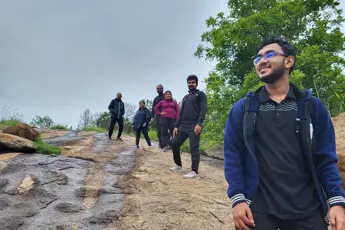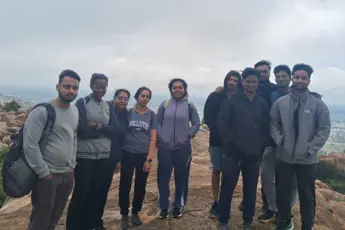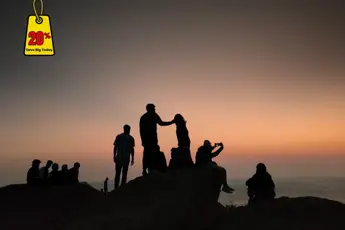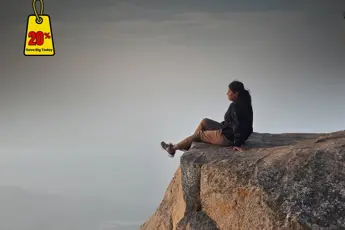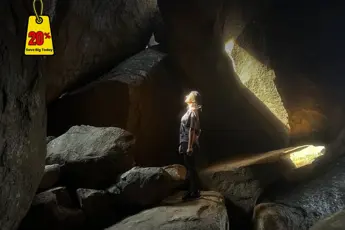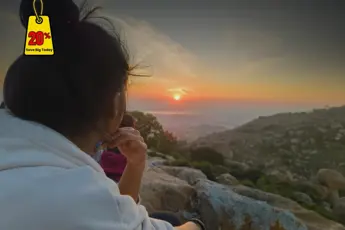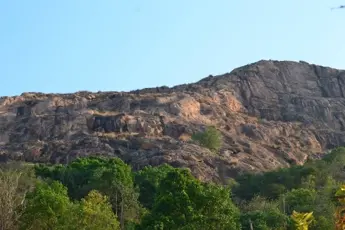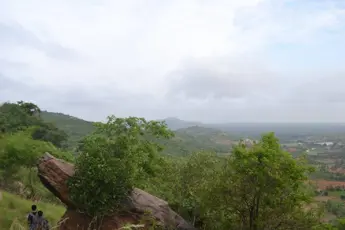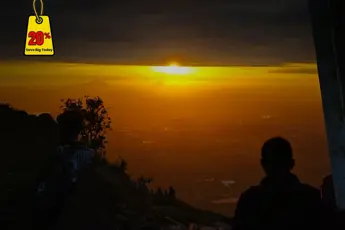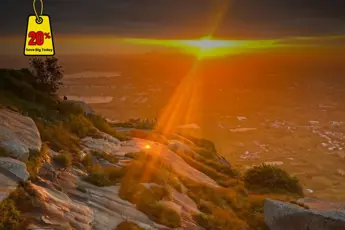

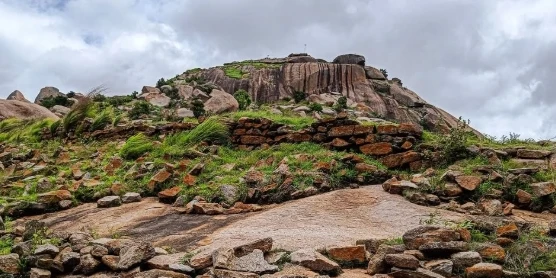
Minchukallu Betta is a well-hidden treasure in the rugged landscapes of Karnataka, India, with a rich tapestry of history woven into natural beauty and cultural significance. This lesser-known hill site, just outside Bangalore, silently witnessed the passage of time, echoing tales of ancient civilizations, dynastic rule, and spiritual pursuits. The name 'Minchukallu' is derived from the Kannada words 'Minchu' meaning lightning and 'Kallu' meaning rock, signifying the striking rocky outcrops that gleam under the sunlight, resembling flashes of lightning. The region is characterized by steep rocky cliffs, dense vegetation, and panoramic views, making it a favoured spot for trekkers and nature enthusiasts today. However, beyond its scenic allure lies a history that dates back centuries. this Betta has been an integral part of the ancient domains of the Ganga dynasty that dominated large tracts of Karnataka from the 4th to the 10th century CE. The Gangas were remarkable for their administrative skill and Jainism patronage; they have left behind innumerable relics, inscriptions, and architectural marvels in the region. It is believed that the strategic elevation of this Betta made it an excellent lookout point, offering a vantage view over the surrounding plains, thus playing a role in regional defence mechanisms during ancient times.With time, the region was under the influence of the Chola dynasty during their northern expansions. The Cholas, with their excellence in temple architecture and efficient governance, have left an indelible mark on the cultural landscape of Karnataka. Though there are no grand temples atop of Betta, the surrounding areas have remnants of Chola-style inscriptions and temple ruins hinting at the hill's historical connectivity. During the medieval period, came under the shadow of one of South India's most powerful empires, the Vijayanagara Empire. This empire was renowned for its trade, art, and military strategies, which used the natural fortifications offered by such rocky hills. It is believed that betta served as a minor outpost or a watchtower location that helped in the surveillance of trade routes that crisscrossed the Deccan plateau. With the dawn of the colonial period, the importance of such land masses again differed. As the British looked to place administrative and military centres across the continent in more accessible areas, hills like Minchukallu remained undeveloped, preserving their natural and historical, living essence. However, British surveyors and cartographers did take note of the area, charting unique geological formations and biodiversity. Adventure seekers exploring scenic hiking trails can also browse our Treks Near Bangalore guide for more outdoor experiences.Nearby Places to VisitDevarayanadurga: Located close by, this hill station is known for ancient temples built for Lord Narasimha. The difficult terrain and scenery attract pilgrims as well as trekkers.Namada Chilume: This is a natural spring created by Lord Rama, which is a silent spot with some mythological value. Cool and clear water that flows out from a rock in a natural process is a different wonder of nature.Siddara Betta: These spots are known for caves and sacred importance as both trekkers and devotees come here. These caves were said to be used by sages in meditation.Shivagange: It is also called the "Dakshina Kashi." Shivagange is a mountain peak that holds religious importance. The climbing hike to the top is arduous and turns out to be a panoramic sight together with ancient temples.Makalidurga: Another popular trekking destination, Makalidurga offers a blend of adventure and spirituality. The fort ruins atop the hill add to the historical charm.Anthargange: Known for its volcanic rock formations and caves, Anthargange is perfect for trekking and cave exploration.Trek Highlights:Base village: Generally, this trek takes off from a base village adjacent to the hill. For a trekker, local guides are also provided which will help in a secure yet knowledgeable exercise.Trail: The trail passes through dense vegetation and rocky outcrops, open meadows and the slippery terrain during monsoon creates a slippery slope in certain parts of the trail.Viewpoints: There are various viewpoints along the trails that offer spectacular views of the hills, valleys, and distant water bodies.Flora and Fauna: This region has very rich biodiversity in terms of various plants, birds, and species of small wild animals. For bird watchers, it would be particularly rewarding.Sunrise and Sunset: For photography and nature enthusiasts, the Betta is like heaven. The view during sunrise and sunset is truly mesmerizing as golden hues light up the sky.Trekking Tips:Sufficient water supply and some light snacks must be carried along.Comfortable trekking shoes with good grip are to be worn.Use sunscreen and dress accordingly while going in direct sun.First Always carry first aid.First of all, go in groups, especially during the early morning or in the evening.How to get to Minchukallu BettaThis Betta is a very easy location from Bangalore. One can reach it over a day trip or a weekend picnic. Travelers who enjoy similar trekking experiences can also explore our Minchukalu Betta Trek package for another rewarding climb near Bangalore.By Road:From Bangalore: The hill is 80 to 100 kilometres from Bangalore, depending on the route taken. The general route will be NH 75, Nelamangala and Dabaspet.Private Vehicles: The best way is to hire a car or drive in your vehicle. The roads are in good condition with clear signboards leading to the base village.Buses: KSRTC and private buses ply regularly from Bangalore to the nearest towns of Tumkur and Dabaspet. From there, you can hire an auto-rickshaw or taxi to reach the trekking base.By Train: The nearest railway station is Tumkur, which is well-connected to Bangalore. From Tumkur, you can hire a taxi or take a bus to reach the Betta.By Airport: The nearest airport is Kempegowda International Airport in Bangalore. From the airport, one can hire a cab or avail public transport to reach the trekking destination.Best Time to VisitPost-Monsoon (September – November):Lush greenery with rejuvenated landscapes.Blooming wildflowers and flowing streams enhance scenic beauty.Pleasant temperatures (15°C - 25°C), ideal for trekking.Trails are firmer due to moist soil but may have some wet patches.Best time for photography and nature walks.Winter (December – February):Cool and crisp weather with temperatures dropping to 10°C at night.Comfortable trekking conditions with clear skies and panoramic views.Ideal for camping under starlit skies.Dry trails make trekking easier, even for beginners.Summer (March-May):Not the most recommended season due to high temperatures (up to 35°C).Early morning and late afternoon treks are more comfortable.Rugged beauty with clear skies and unobstructed views.Attracts solitude seekers and experienced trekkers prepared for the heat.Monsoon Considerations:Lush greenery but slippery trails require caution.Best for those seeking an adventurous trek with vibrant landscapes.Overall Best Seasons:Post-monsoon (September – November) for lush landscapes.Winter (December – February) for comfortable trekking and breathtaking views.