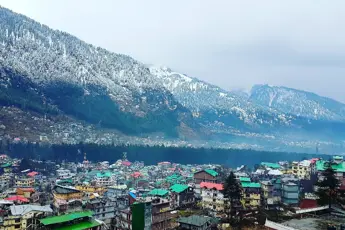


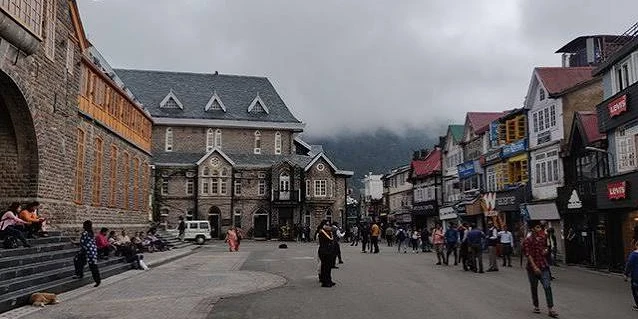
IntroductionThe capital of Himachal Pradesh, Shimla, is famed for its colonial architecture, panoramic mountain views, greener valleys, and good weather. Summer is the peak season when tourists flock to Shimla, but the monsoon season offers an entirely different perspective on these wonderful hill stations: greener hills, clouds covering the mountains, waterfalls flowing higher, and lush forests greener after the monsoon rains. But there are some disadvantages of travelling to Shimla in the monsoon as well. Heavy downpour leads to road blockages, landslides, road delays, and temporary transportation halts, leading many travellers to question whether visiting Shimla in July & August is really a good decision. When you are searching for Shimla in the monsoon for a holiday, know about the weather, road conditions, travel hazards, and safety tips before deciding. What to expect from the monsoon, where to go, travel inconveniences, and the relevance of Shimla in the rainy season this guide helps you with it all.1. How Is the Weather in Shimla During Monsoon?The best time to visit Shimla is in the months of July to September, when the monsoon season is usually at its peak. The region witnesses abundant rainfall and is chilly with less heat. The weather can turn on a dime. An overcast morning can be followed by sunshine, then showers or a downpour.Typical conditions include:Temperature: In the majority of locations, it is 13°C to 22°C, but it varies.Rain: Common rain showers. Heavier rain during the monsoon.Humidity: More humid than on summer days.Visibility: With fog and low clouds on mountain roads, be aware of poor visibility.Landscape: Green hills, foggy woods, and waterfalls in the season.July and August tend to have heavier monsoon rains, with September being better in terms of travel depending on the rainfall.Travelers should also pack raincoats, footwear suited for wet weather, and warm clothing, plus protection for their gadgets.2. Are Landslides Common in Shimla During Monsoon?Landslides are one of the major worries while planning a trip to Shimla in the monsoon. Shimla is in a hilly area with steep slopes, hilly roads, and locations that could be vulnerable during sustained or heavy rains. In a waterlogged situation, soil and stones may loosen, which can trigger a landslide.Landslides can affect:National and state highways of Shimla linking the city to its surroundings.Roads between minor villages and in the hill areas.Mountain roads with switchbacks and gradients.Routes across forested and landslide-affected sections.Blocked mountain roads can also result from much smaller landslides. A narrow mountain road being blocked by a relatively small landslide.Important safety precautions:Inspect local weather notifications before you go away.Avoid travelling during heavy rainfall warnings.Follow instructions issued by local authorities.Never park your vehicle adjacent to unstable slopes or falling rocks.Do not walk near broken roads or landslides.Allow extra time in your schedule for delays.Please bear in mind that it is impossible to forecast landslide hazards everywhere. A road that was safe in the morning can become dangerous due to rain later in the day.3. How Are Road Conditions in Shimla During Monsoon?Here are other factors to consider before making a trip to Shimla during the rainy season. Road conditions. During heavy rainfall, there is a possibility of road traffic disruptions on the major routes connecting Shimla to Chandigarh, Kalka, and other locations in the vicinity. Damaged road surface, debris, mudslides, and waterlogging may impact traffic.Some frequent road-related difficulties areThe mountain roads become slippery with rain and other liquids and require careful driving, especially on sharp turns and slopes. Traffic jams can form because traffic lanes are blocked. And for the breakdown of cars which may result into long queues. During emergencies, authorities might close roads or limit vehicle access to steep and potentially hazardous slopes.Limited visibility: Fog, mist, and heavy rain can obscure the road.Tips for travelling by roadPrefer travelling during daylight hours.Opt for a seasoned mountain vehicle driver if you are not familiar with mountain roads.Note the most recent road alerts and updates.Avoid unnecessary travel during heavy rainfall.Continue to carry drinking water, snacks, and your crucial medicines.Don't fully rely on fixed travel schedules.If you are coming from Chandigarh or Delhi, please allow some flexibility in your check-in and check-out plan.4. Best Places to Visit in Shimla During MonsoonMall Road: For walks, shopping, cafés, and local cuisine. This is the best sightseeing location possible when the weather allows.Kufri: Near Shimla, Kufri is famous for its mountain scenery and outdoor activities. It gets greener in the monsoon, but road conditions should be checked.Jakhu Temple: Hill, this temple is known for providing a wonderful view of Shimla. The uphill journey can be slippery during the rains; thus, try avoiding the temple during rains.Glen Forest: Known for its relaxed forest environment and natural beauty. Do not walk along forest trails and stream areas in rainy weather because of slippery trails and the rapid water levels.5. Is Shimla Worth Visiting in July and August?It really depends on what sort of journey you're planning to have and if you're happy to make changes to your trip.Why visit?We have very green hills all around us.Almost no rain, but dry weather with cool and clear conditions during dry periods.Mist-covered mountains create beautiful photography opportunities.The town offers peace when not busy with holidays.Certain accommodations may cost less on a specific day.Reasons to reconsiderHeavy rainfall can disrupt road connectivity.Landslides may cause unexpected travel delays.Outdoor sightseeing can become difficult.Lack of visibility due to rain and fog.Trekking, camping, and adventure activities may be subject to safety restrictions.6. Essential Travel Tips for Visiting Shimla During MonsoonCheck the weather forecast for the present day.Bring a raincoat, a brolly, and a good, comfy pair of walking shoes that are waterproof.Take clothes for colder weather, as it may be cold weather when you get the rain.Do not drive through the landslides when the roads are wet.Factor in a few days to your trip for possible road closures.Choose accommodation with good access to the facilities you need.Avoid rivers, streams, and waterfalls when it is raining heavily.Never hike or camp if weather warnings have been issued.Bring important medication, a battery pack, and a bottle of water.Seek recommendations from the police and disaster management agencies of the place.7. What Should You Pack for a Shimla Monsoon Trip?Things to Consider Carrying:Waterproof jacket or raincoat.Umbrella and waterproof backpack cover.Comfortable shoes with good grip.Warm sweaters or light jackets.Extra pairs of socks and clothes.Waterproof pouches for phones and cameras.Any regular medications you use and a small first-aid kit.Power bank and torch.Important identification documents.8. Important Weather and Road Updates Before TravellingOne of the most crucial aspects when planning a visit to Shimla during monsoon is to check official updates, rather than depending on social media or outdated travel blogs.Helpful links:IMD Meteorological Centre, Shimla: Official weather warnings, alerts, and directions.Himachal Pradesh State Disaster Management AuthorityHimachal Tourism: Official travel safety information9. Should You Visit Shimla During Monsoon?Shimla offers a fabulous view of foggy mountains and greenery in lovely weather and a blissful environment. It is a place for nature lovers and hill lovers. Please remember the dangers of landslides, slippery roads, flooding, and temporary slowdowns in transportation.Before you plan your trip, be flexible and also drive only if your safety is not at risk due to road blockades and rain if you are traveling in July and August. Try if the month of September will be a better option to watch that monsoon greenery with improving weather. Do not travel unless you need to when there is a warning for heavy rainfall.ConclusionVisiting Shimla in Monsoon A monsoon trip to Shimla can be a memorable trip for travelers who look forward to lush greenery, misty hills, and cool mountain air. There are plenty of adventures to do in Shimla, including visiting Mall Road and The Ridge and exploring the scenic surroundings of Kufri. Always keep in mind that road safety and weather can change at any time. Just stay on the safe side and check with the official forecast before you head out. If you are planning a holiday to Himachal Pradesh, explore the Shimla tour package by Escape2Explore and plan your mountain getaway with suitable travel dates and safety precautions.