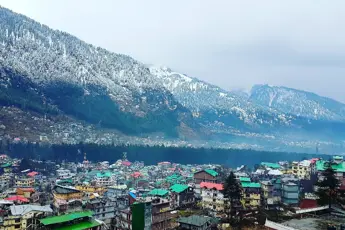


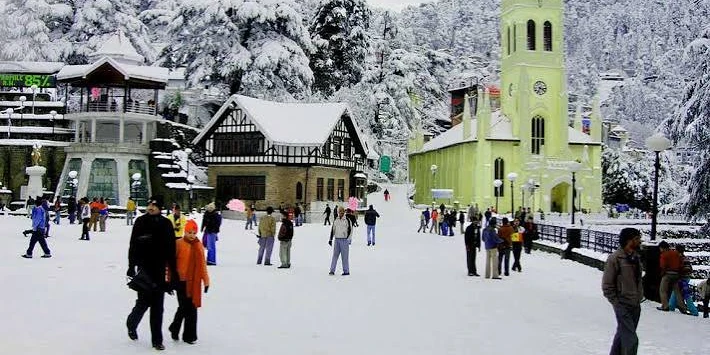
Best Time to Visit ShimlaShimla should be visited when you decide to visit. The best time to visit and get the complete outdoor experience along with sightseeing is between the months of March and June. If you wish to plan your visit for a winter vacation, then you should plan between December and February. July and August. Can experience heavy showers that hamper driving and outdoor activities.Shimla Weather Month by MonthJan-Feb Winter & Snow SeasonJanuary and February are considered the coldest months in Shimla. The temperature in Shimla can go below zero on colder nights, and snow can occur in Shimla as well as surrounding areas that are at a higher altitude. Hoteliers should consider travellers who are active in cold weather, go out in the snow, and stay in high-altitude places.Best experiences:Visit Kufri for possible snowfall experiences.Explore Mall Road and The Ridge.Enjoy winter photography.Experience cosy cafés and mountain views.This isn't snow - obviously, you can't control the weather, and we're not guaranteed snow every year.March - April: Pleasant Spring SeasonThe odds of these months are late winter/early spring. The weather has settled, and the scenery is beginning to look a little brighter and a bit more colourful. During this period, you are free to explore a few attractions, along with nature walks, sightseeing, etc.Best experiences:Explore Mall Road and Christ Church.Visit Jakhoo Temple.Discover Mashobra and Naldehra.Enjoy scenic photography and peaceful walks.April is a beautiful time for couples, families, and new visitors.May – June: Summer Vacation PeriodMay and June see the maximum traffic in Shimla. This hill station draws tourists from warm regions who seek a respite from the hot weather, and being outdoors is relatively easy. Ideal for travel with your family, for holidays and excursions to sights, and for short journeys.Best experiences:Visit Kufri and its scenic surroundings.Enjoy the Kalka-Shimla toy train journey.Explore The Ridge and Mall Road.Discover nearby mountain viewpoints.You may also consider booking hotel accommodation in advance during school holidays and weekends.July - August: Monsoon PeriodThe hills surrounding Shimla offer stunning views, covered in misty shades of greenery during the months of monsoon. Sometimes, though, the rain will even result in a landslide, a road closure or the inability to see sights in heavy rain.Best experiences:Enjoy green mountain landscapes.Explore cafés and indoor attractions.Experience peaceful surroundings.Try to take pictures of misty mountain scenery when conditions are right.Check the weather forecast and road conditions before traveling during the monsoon.September-October: Fall and Mountain VisibilitySeptember- October months are one of the best times to visit Shimla for the picturesque views of the hills that still remain green. The weather is also cooler and pleasant. This is a month best suited for sightseeing, photography, and calming mountain holidays.Best experiences:Explore Shimla's historic attractions.Enjoy scenic drives around the hills.Visit Kufri, Mashobra, and Naldehra.Experience pleasant weather and beautiful landscapes.November - December: Early Winter and Holiday SeasonIn November, the weather will be cooler, and the crowds will be fewer than in peak summer. December brings in the winter holiday feel (especially Christmas and New Year). December may have snow, but not guaranteed and conditions may vary.Best experiences:Enjoy winter sightseeing.Explore Mall Road during festive celebrations.Visit Kufri for possible snow experiences.Enjoy cold-weather mountain scenery.Best Places to Visit in ShimlaMall Road: For shopping, cafes, eateries, and an evening walk.The Ridge: Beautiful scenery and historic attractions.Kufri: A picturesque and charming location for winter snow and outdoor sports adventure.Situated on top of Jakhoo Hill, it is a popular place of worship.Mashobra: Perfect for a life of peace and oneness with nature.Naldehra: Known for its majestic mountain views and stunning scenery.Tips for Planning Your Shimla TripCarry warm clothes even during summer, especially for evenings.Book accommodation early during peak tourist seasons.Check weather forecasts before travelling during monsoon and winter.Allow additional travel time during heavy rainfall or snowfall.Wear comfortable shoes for exploring hilly streets.Check road conditions before visiting nearby destinations.Avoid travelling through areas affected by landslide warnings.