
Pangarchulla Trek 2027: India's Thrilling Summit Challenge
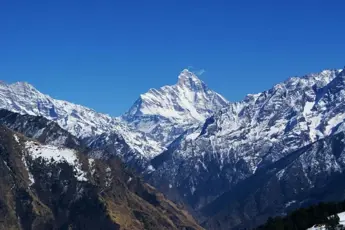
This trek through the Garhwal Himalayas takes you through scenic forested regions and meadows and is a difficult high-altitude trek. This ‘Pangarchulla Trek’ provides an exhilarating and challenging trekking adventure. Starting in the Chamoli District of Uttarakhand, this trek passes through dense oak forests, green meadows, camping areas, and challenging high altitudes. The highest altitude reached on this trek is 15,100 feet at the peak of Pangarchulla. It is the summit of this trek that makes it challenging, and a lot of determination is required. Depending on the weather conditions during your trek, you may be able to view some of the most spectacular peaks within the Himalayas, including Nanda Devi, Dronagiri, Kamet, and Trishul. Understanding what to expect from this trek in 2027 by knowing what route it takes, the altitude, the difficulty level, and the seasonal conditions will allow you to be well prepared.
Where Is Pangarchulla Trek Located?
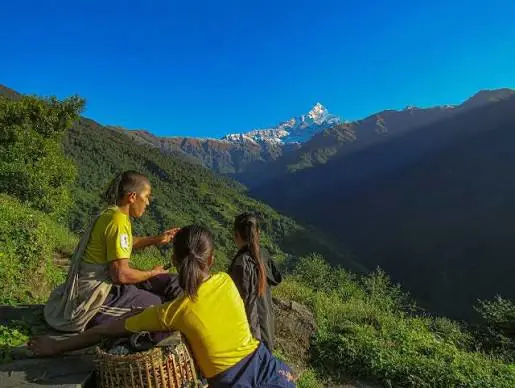
Pangarchulla Peak lies in the Garhwal Himalayas of Uttarakhand, in the Chamoli region near Joshimath and Auli. The trek approaches the mountain through forest trails, alpine landscapes, and high-altitude camping areas. Joshimath serves as an important base for reaching the trail region. From there, trekkers travel towards Dhak and begin walking through the mountain landscape, gradually gaining altitude as they approach Gulling and Khullara. The route is particularly known for its combination of forest trekking, open mountain views, and a challenging summit climb. The landscape changes as you gain elevation, with dense woodland giving way to meadows, rocky sections, and snow-covered terrain during suitable seasons. Experience the thrill of the Pangarchulla Trek, a challenging Himalayan adventure offering breathtaking mountain views, snow-covered trails, and an unforgettable summit experience.
Pangarchulla Trek Altitude and Distance
Altitude
Maximum Elevation: 15,100 ft
Region: Chamoli (Uttarakhand)
Duration: 6 days / 5 nights (Escape2Explore)
Distance: 43 km
Starts in: Joshimath-Dhak
Type of Terrain: Forest trails, grasslands, rocky terrain, snow (seasonal)
Due to the increasing altitude, less oxygen will be available. As a result, trekkers may feel short of breath and tired, get a headache, or struggle to keep up. To overcome these effects, trekkers should increase altitude gradually, stay well hydrated, and take regular rests. However, the final ascent is very hard. Due to the steep incline, rough terrain, and increased elevation, it becomes difficult to move quickly and is very tiring.
What Makes Pangarchulla Trek Special?
A demanding Himalayan summit
This route is an extremely strenuous walk and requires some difficult climbing. As snow conditions can vary, some parts of this route may be very challenging, requiring specialist equipment and guides.
Varied Terrain
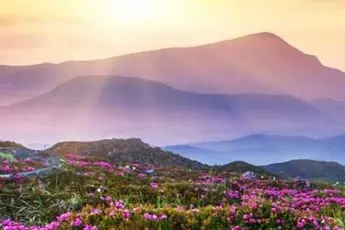
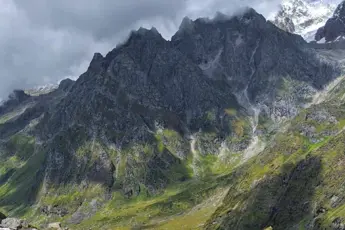
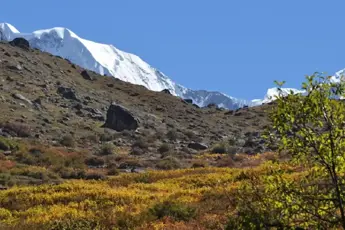
There is varied terrain throughout the walk. It includes a mix of woodland, rhododendrons, grasslands, and high slopes. From day to day, you will get a different view across the Garhwal mountains.
Mountain Views
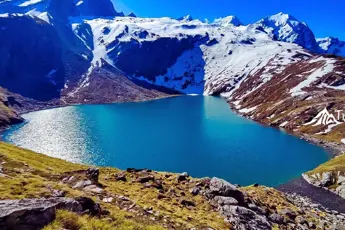
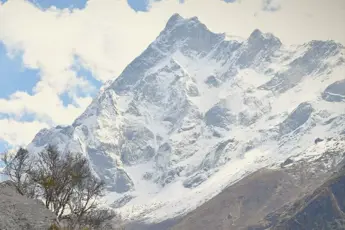
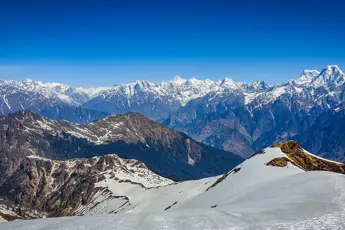
With clear skies, you can enjoy beautiful views of surrounding peaks such as Nanda Devi, Dronagiri, and Chaukhamba. At the summit, even more expansive views across surrounding mountain ranges can be enjoyed.
Physical & Mental Challenge
On Summit Day, it is important to begin early. You must be persistent and able to push on through difficult terrain. While fitness is important, patience and decision-making in response to changing weather and terrain conditions are also key.
Pangarchulla Trek Itinerary
Day 1: Rishikesh to Joshimath
Drive: Rishikesh to Joshimath (approx. 9–10 hours).
Travel through Devprayag, Srinagar, Rudraprayag, and Karnaprayag, enjoying beautiful river confluences and Himalayan landscapes.
Stay: Overnight at a hotel in Joshimath on a twin/triple-sharing basis.
Day 2: Joshimath to Gulling Camp via Dhak
Drive: Joshimath to Dhak (approx. 30–45 minutes).
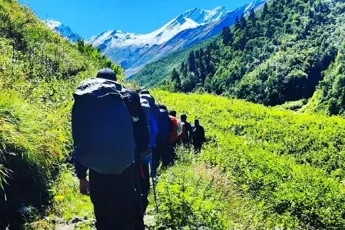
Trek: Dhak to Gulling Camp (approx. 5 km, 3–4 hours), passing through forest trails, streams, and mountain views.
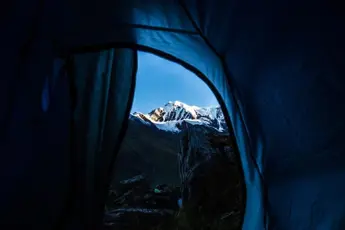
Stay: Overnight camping at Gulling Camp in twin-sharing tents.
Day 3: Gulling Camp to Khullara Camp
Trek: Approx. 5 km, taking 4–5 hours through alpine meadows, rocky trails, and scenic mountain landscapes.
Gradually ascend towards Khullara Camp, enjoying panoramic views of the Garhwal Himalayas.
Stay: Overnight at Khullara Camp in tents.
Day 4: Khullara Camp to Pangarchulla Peak and Back
Trek: Approx. 13 km round trip, taking 7–8 hours.
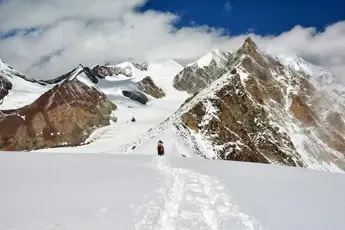
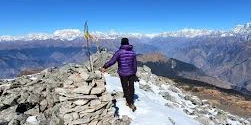
Trek through steep, rocky, and possibly snow-covered trails to reach Pangarchulla Peak (15,096 ft), offering breathtaking views of Nanda Devi, Trishul, Chaukhamba, and Kamet.
Stay: Return to Khullara Camp for an overnight stay.
Day 5: Khullara Camp to Dhak – Joshimath
Trek: Khullara Camp to Dhak (approx. 11 km, 5–6 hours).
Descend through alpine meadows and forest trails before driving back to Joshimath.
Stay: Overnight at a hotel in Joshimath.
Day 6: Joshimath to Haridwar via Rishikesh
Drive: Joshimath to Haridwar (approx. 9–10 hours).
Travel through Chamoli, Karnaprayag, Devprayag, and Rishikesh, enjoying scenic mountain valleys and rivers along the way.
How Difficult Is the Pangrāculla Trek?
The difficulty of this trek lies in the summit. Although the walk up to the summit is relatively easy, the climb itself can be very challenging.
Things to be aware of on this trek include:
Steep hills
Long distances
High altitude (less oxygen)
Snowy paths
Rough rocky paths
Cold and variable weather
Tiring
Depending on how much snow there is, this trail can be very different. In some months there may be more consistent ground; however, when the snow melts, rough rocks and difficult gaps may appear. This means that, depending on what time of year you go, it may be very different in difficulty. Because of this, it would not be advisable to undertake this trek without prior experience. To make the most of your trip, it is recommended that you are in good physical shape and have competent trek leaders.
Best Time to Do the Pangarchulla Trek in 2027
1. Spring Season (March–May) – Best for Snow Trekking
March: Experience winter snow, cold temperatures, and snow-covered trails at higher altitudes.
April: The best month for summit attempts, with snow-covered slopes, beautiful Himalayan views, and rhododendron blooms.
May: Enjoy longer days, warmer weather, and a mix of snow and rocky terrain, especially at higher elevations.
2. Autumn Season (October–November) – Best for Clear Mountain Views
October: Pleasant trekking conditions, clear skies, and excellent views of the Himalayan peaks.
November: Crisp weather, colder nights, and beautiful mountain scenery with less snow on the lower trails.
Fitness Preparation for Pangarchulla Trek
It is advisable to start training a few weeks before setting off. As well as increasing your running performance, training should also develop your stamina for both flat and incline walking and for a long day on the mountain.
Cardio
Train your cardiovascular system by fast walking, running, and/or cycling or using stairs. Increase the time and level of challenge of these activities, but do so gradually.
Legs and balance
Various exercises, including squats, lunges, steps, and calf lifts, can be used to strengthen your legs, preparing you for ascending and descending. Improving your balance is also beneficial for negotiating mountainous and often unstable ground.
Simulated mountain walking
Wherever possible, undertake simulated mountain walks whilst wearing a (light) rucksack. This will illustrate how your body copes with extended periods of walking and will also allow you to trial your footwear.
Rest and continuity
As well as training, you should also rest. Further, it is more beneficial to maintain training regularly for a number of weeks rather than undertaking highly demanding activity in the run-up to your trip.
What to Pack for the Pangarchulla Trek
Consider what to pack for Pangarchulla. It should include items that keep you warm, protect you, and ensure your general comfort.
Thermal layers
Fleece or thermal jacket
Weatherproof and windproof shell
Travelling trousers
Gloves and woolen socks
Woolly hat and sun protection
Good quality, non-slip hiking boots
Sunglasses and sunscreen
Hiking walking sticks
A torch and spare batteries
Rucksack with a waterproof bag
Water bottle/hydration pack
Personal drugs and other items
High-energy food
Depending on where you are travelling and prevailing conditions, you may also need specialist snow equipment such as microspikes, crampons, etc. Check what is provided by the trek company and which items you will need to supply yourself.
How to Reach Pangarchulla Trek
By Plane: The nearest and most often used main airport for accessing the area around Rishikesh is Jolly Grant Airport (located in Dehradun). Transfers can then be organised from here to Rishikesh.
By Train: Haridwar and Rishikesh are often the train points of entry for trekkers from various cities across India. Ensure that suitable trains are available and then add sufficient contingency time before your trek collection time.
By Car: Rishikesh is generally the road point of entry for the Escape2Explore trek. Following this, the route moves to Joshimath using the mountainous roads in Uttarakhand.
In the Himalayas, road conditions can be impacted by a number of factors, including the weather, landslides, and traffic. Be prepared to adapt your plans, especially for the outward and return journeys.
Who Should Attempt the Pangarchulla Trek?
This trek can be enjoyed by those who have the physical ability and knowledge required to successfully attempt a Himalayan summit.
Experience of hill walking may be appropriate.
Adventure-oriented individuals seeking a summit trek.
Those who can walk long distances and ascend hills.
People who are able to endure cold weather and camp simply.
Individuals who can comply with safety advice and know when to retreat from a trek.
If you are new to trekking, you may wish to first gain more experience on less strenuous Himalayan treks. Good general fitness is not always sufficient preparation for a summit trek.
Conclusion
The Pangarchulla trek is an extremely exciting adventure. Camps are situated in the mountains, and there is also a difficult climb. Throughout the journey, there is much diversity in the scenery. In order to successfully reach the summit, people must prepare themselves, be resolute, and also be fit. Good preparation, appropriate timescales, and information about the area will all prove highly beneficial. For comprehensive information regarding the package, such as what is involved and when departures are, please refer to the Pangarchulla Trek Package on Escape2Explore.