

Har Ki Dun Trek 2027: Complete Itinerary, Dates, Cost
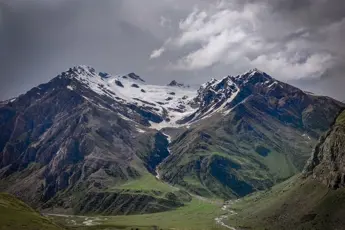
The Har Ki Dun Trek offers a unique valley trekking experience in Uttarakhand. This route takes you through dense forests, traditional Himachali villages, and along riverside paths, opening into a broad valley framed by towering mountains. Unlike treks focused on reaching summits, the Har Ki Dun trek emphasizes daily immersion in the valley's scenery and a closer experience of the Garhwal Himalayas. Located in the Uttarkashi district, the trek showcases the valley's natural beauty, historic villages like Osla, and the impressive Swargarohini mountain range. It's a favored choice for trekkers and outdoor enthusiasts interested in camping in the Himalayas. Planning your Har Ki Dun Trek for 2027 would benefit from understanding the specific route and other important details.
Har Ki Dun Trek Overview
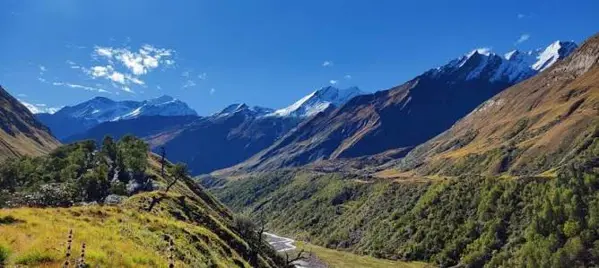
This trail is a valley trek situated at a higher altitude within the Garhwal Himalayas, specifically in the Govind Pashu Vihar region of Uttarakhand. Planning to explore the beautiful Har Ki Dun Valley? Join the adventure with our Har Ki Dun Trek and experience the Himalayan trails, scenic campsites, and mountain landscapes with escape2explore.
Trek Specifics:
Location: Uttarkashi, Uttarakhand.
Starting Village: Sankri.
Trek Path: Sankri to Taluka, then to Pauni Garaat, followed by Seema/Simatra, and finally reaching Har Ki Dun.
Estimated Duration: Approximately 6 to 7 days, varying with the chosen route.
Highest Point: Reaches an altitude of about 3,566 meters (11,700 feet).
Total Trek Distance: Roughly 44 to 50 kilometers, depending on the specific path taken.
Difficulty Level: Ranges from easy to moderate, potentially moderate depending on the trek operator and the specific route. It is considered a valley trek.
Ideal Time to Visit: Spring and autumn.
Please note that the exact route distance, names of camping locations, duration of trekking segments, and altitude can differ based on the itinerary provided by the trek operator.
What Makes the Har Ki Dun Trek Special?
The Har Ki Dun Trek offers a different experience compared to treks focused on reaching a summit. Instead of ascending to a peak, this trek takes you deep into a valley with varied scenery. A key attraction is the blend of natural beauty and local village life. Your path will wind through forests, alongside streams, past small settlements, and across open spaces with views of the surrounding mountains. The trek also has ties to mythology, specifically the Mahabharata, as the Har Ki Dun valley is thought to be part of the route the Pandavas took on their journey to Swargarohini. This trek is well-suited for those who enjoy extended trekking, appreciate mountain landscapes, prefer camping in designated sites, and seek to explore untouched natural areas.
Har Ki Dun Trek Itinerary
Day 1: Dehradun to Sankri – Mountain Road Journey
Distance: Approximately 197 km
Travel time: 9–10 hours
Starting point: Dehradun
Begin your journey from Dehradun and drive towards Sankri, the base village for the Har Ki Dun trek. The route passes through Mussoorie, scenic mountain roads, river valleys, and forest stretches. As you approach Sankri, enjoy views of the surrounding Himalayan landscapes. Reach Sankri, check into your accommodation, relax, and prepare for the trek the following morning.
Stay: Guesthouse in Sankri
Day 2: Sankri to Taluka to Pauni Garaat
Sankri to Taluka: Approximately 12 km by road
Taluka to Pauni Garaat: Approximately a 9 km trek
Trekking time: 5–6 hours
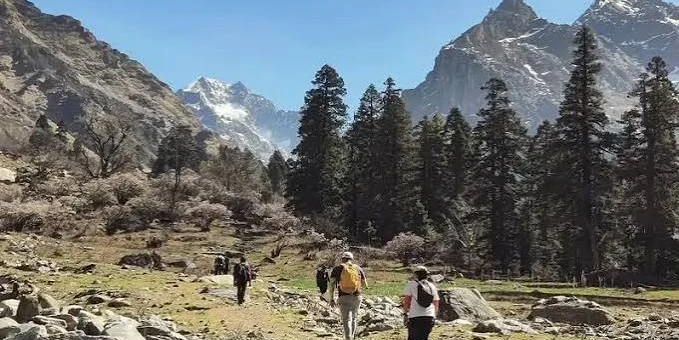
After breakfast, travel from Sankri to Taluka, where the trek begins. From Taluka, follow the trail alongside the Supin River through forests of pine, cedar and walnut trees. The route passes streams, forest sections, village trails, and Gangar village before reaching Pauni Garaat. The final stretch takes you through agricultural fields and scenic surroundings. Arrive at the campsite, relax and enjoy dinner surrounded by the peaceful Himalayan landscape.
Stay: Camp at Pauni Garaat
Day 3: Pauni Garaat to Simatra
Distance: Approximately 8 km
Trekking time: 3–4 hours (as listed on the package)
After breakfast, begin your trek towards Simatra. The trail passes through forested stretches, village surroundings, and scenic mountain terrain. You will pass Seema village and cross the bridge over the Supin River before continuing uphill.
Along the way, enjoy views of the surrounding Himalayan ranges and open meadows. The trail gradually climbs towards Simatra, where you reach your campsite and have time to rest, acclimatize, and enjoy the mountain views.
Stay: Camp at Simatra
Day 4: Simatra to Har Ki Dun Valley and Return to Simatra
Distance: Approximately 14 km round trip
Trekking time: 7–8 hours
Start early in the morning after breakfast and trek towards Har Ki Dun Valley. The trail takes you through beautiful mountain landscapes, forest sections, river stretches and open valley terrain.
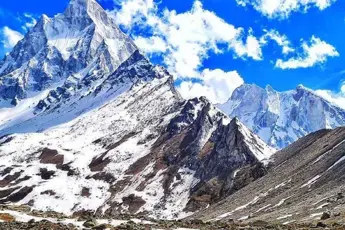
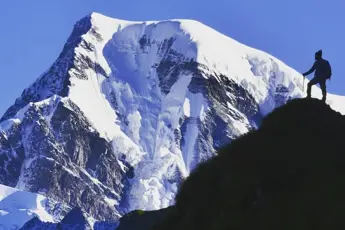
As you reach Har Ki Dun, take in the spectacular views of the surrounding Himalayan peaks, including the Swargarohini massif and other mountain ranges. Spend time exploring the valley, enjoying its meadows and natural surroundings before having lunch and beginning your return trek to Simatra. This is the trek's main highlight, offering a memorable experience of the beautiful Har Ki Dun Valley.
Stay: Camp at Simatra
Day 5: Simatra to Pauni Garaat
Distance: Approximately 7 km
Trekking time: 3–4 hours
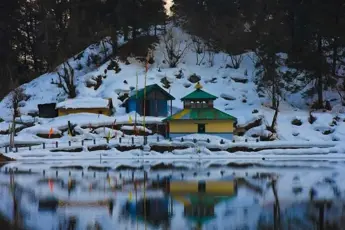
After breakfast, begin the descent from Simatra towards Pauni Garaat. The trail takes you through mountain paths, forest sections, and scenic valley surroundings. You can enjoy the changing landscape as you descend to lower altitudes. Depending on the route conditions and schedule, you may also get the opportunity to explore the nearby Osla village, known for its traditional wooden architecture and cultural significance.
Stay: Camp at Pauni Garaat
Day 6: Pauni Garaat to Taluka Trek and Drive to Sankri
Pauni Garaat to Taluka: Approximately 12 km trek
Trekking time: 5–6 hours
Taluka to Sankri: Approximately 12 km by road
After breakfast, trek downhill from Pauni Garaat towards Taluka. Retrace the trail through forests, river stretches, villages and mountain paths. Once you reach Taluka, meet your vehicle and drive back to Sankri. After arriving, relax at your guesthouse and enjoy your final evening in the mountains.
Stay: Guesthouse in Sankri
Day 7: Sankri to Dehradun – Return Journey
Distance: Approximately 197 km
Travel time: 9–10 hours
After breakfast, leave Sankri and drive back to Dehradun, retracing the mountain route. Enjoy the final views of the Himalayan valleys, forests, and rivers during the journey. Reach Dehradun by evening, marking the end of your Har Ki Dun trekking adventure.
Best Time to Visit Har Ki Dun Trek
The Har Ki Dun Trek is best experienced during the spring and autumn trekking seasons, which offer favorable conditions. However, the trek's experience differs significantly with the season.
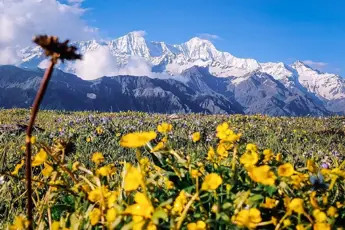
Spring and Early Summer (March to June): This period brings warmer temperatures, abundant forest greenery, and blooming flowers. Snow may persist in higher elevations, particularly earlier in the season, and nights can still be cold. The season is well-suited for trekkers interested in observing the evolving mountain landscapes, fresh vegetation, and longer daylight hours.
Autumn (September to November): Autumn is widely regarded as an optimal time for Himalayan trekking. Following the monsoon, clearer weather often provides enhanced mountain visibility on certain days. During this season, the valley's scenery transforms as vegetation displays autumn colors. Nights become colder, necessitating appropriate attire.
Monsoon (July to August): The monsoon season is marked by rainfall, leading to muddy and slippery trails, potential landslides, and road disruptions in Uttarakhand's mountainous regions. Trekking during this time requires careful assessment of local weather, road accessibility, and operator guidance. Generally, it is not the preferred period for this trek.
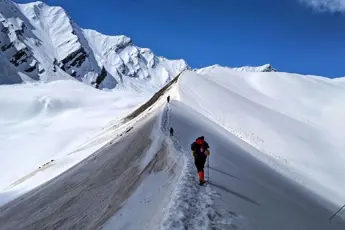
Winter (December to February): Winter brings colder temperatures and significant snowfall in higher areas. Snow-covered trails alter the route's difficulty and impact available camping sites. Specialized gear and guide expertise become essential. Access and feasibility during this season should not be assumed; it's important to verify current forest restrictions, snow conditions, and operator availability.
How Difficult Is the Har Ki Dun Trek?
The Har Ki Dun Trek difficulty can range from easy to moderate, depending on the specific route and schedule provided by trekking companies. Factors such as the trek's length, the total elevation climbed, the terrain's unevenness, and the extended daily walking periods can present significant physical challenges.
Participants should anticipate:
Extended periods of walking over multiple consecutive days.
Trails that involve both ascents and descents.
Walking on uneven surfaces, including rocks and muddy sections.
Navigating across streams and crossing bridges.
Campsites experiencing cold nighttime temperatures.
A decrease in comfort levels at higher altitudes.
While individuals new to trekking and in good physical condition might consider undertaking this trek, arriving unprepared is not recommended. Engaging in consistent walking, stair climbing, cardiovascular activities, and exercises to strengthen leg muscles prior to the trek can help build the necessary endurance.
How to Reach Har Ki Dun
By Train: Dehradun Railway Station serves as the primary rail gateway for trekkers coming from across India. From Dehradun, you can continue to Sankri via bus, shared taxi, or private car.
By Air: Jolly Grant Airport, located in Dehradun, is the closest major airport for those preparing for the trek. Upon arrival, you will need to make your way to Dehradun or arrange for direct road transport to Sankri.
By Road: Sankri is accessible by road from Dehradun, passing through the mountainous terrain of Uttarakhand. This journey typically spans several hours, featuring winding routes and varied landscapes.
Travel details such as road conditions, journey time, and vehicle options can be affected by weather, traffic, road work, or landslides. It's advisable to allow ample extra time for your travel to Sankri, rather than booking your arrival immediately before the trek's scheduled start.
What to Pack for the Har Ki Dun Trek
Proper packing is essential for mountain treks due to unpredictable weather, which can shift rapidly even within the trekking season.
You should bring:
Sturdy trekking shoes with reliable grip.
Base layers for warmth.
An insulating jacket, such as fleece.
A waterproof and windproof outer shell.
Durable trekking pants.
Warm gloves and woolen socks.
Sunglasses and sunscreen.
A cap and a woolen hat.
A water bottle or hydration pack.
Personal medications and basic first-aid items.
A headlamp with extra batteries.
A portable power bank.
A rain cover for your backpack.
Your usual toiletries and personal necessities.
By avoiding excess items, you will find that a lighter backpack significantly eases uphill climbs and extended trail navigation..
Har Ki Dun Trek Cost: What Should You Budget For?
The cost of the Har Ki Dun Trek varies depending on the operator, departure date, group size, transportation, accommodation and inclusions.
Before booking, check whether the package includes:
Accommodation in Sankri
Camping arrangements during the trek
Meals throughout the trekking itinerary
Trek leader and support staff
Forest permits and applicable entry fees
Camping equipment
Transportation from Dehradun, if applicable
Safety and emergency arrangements
Additional expenses may include personal trekking gear, travel to Dehradun, optional backpack offloading, insurance, snacks, and other personal purchases.
If you are comparing packages, check the inclusions and exclusions rather than choosing solely on the lowest price. You can explore the Har Ki Dun trek cost and package details to understand the itinerary, arrangements, and booking information for the trek.
Tips Before Planning the Har Ki Dun Trek
Before you set off on the trek, get your body ready by building up your walking or cardio routine. You'll find it much easier to hike several days in a row if you've already been doing that. Keep your personal papers, medicines, and other essentials within easy reach. Carry some cash too, since digital payments and internet access may not be available where you're going. Listen closely to the trek leader, especially when you're crossing rivers, tackling tough stretches of trail, or dealing with changing weather. Stay with the group rather than rushing ahead or striking out on your own. Treat the villagers you meet with respect, leave the wildlife undisturbed, and carry all your trash out with you, plastic included.
Conclusion
Har Ki Dun Trek is ideal for those who want to go beyond the usual summit-focused treks and really discover the Garhwal Himalayas. Along the way, you'll pass rushing rivers, dense forests, quiet mountain villages, and camps set in wide, high-altitude valleys, and all of it makes the journey feel richer. To make the most of it, pick the right season, build up your fitness, carry dependable trekking gear, and plan carefully. Before anything else, learn the route, the campsites, the expected weather, the permit requirements, and the departure details for the date you have in mind.