dayshrsminsec
Login

Two-Day Trips Near Pune

One Day Trips Near Bangalore

One Day Trips Near Bangalore

Two Day Trip From Bangalore

Two Day Trip From Bangalore

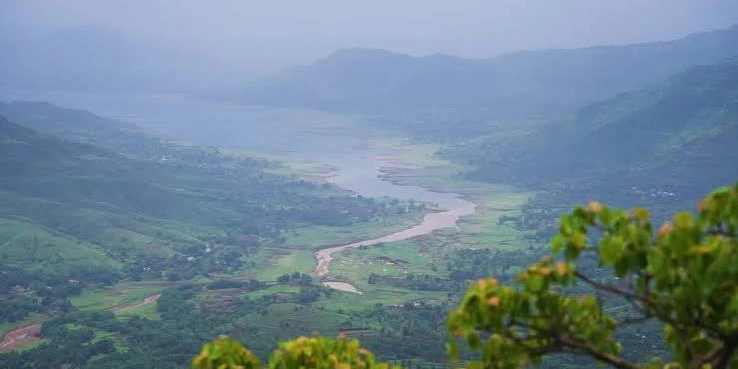
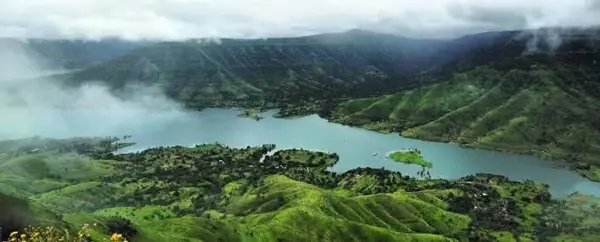
Best Two-Day Trips Near Pune for Nature, Adventure and Weekend Escapes

From hill stations and misty mountain passes to beaches, forts and scenic valleys, discover the best destinations for a refreshing two-day escape from Pune. f you're looking for a more adventurous getaway, you can also explore some of the best Treks Near Pune, from scenic hill trails to historic forts across the Western Ghats.

...

One Day Trips Near Bangalore

Explore All

Two Day Trip From Bangalore

Explore All
01

Kashid Beach

Kashid Beach

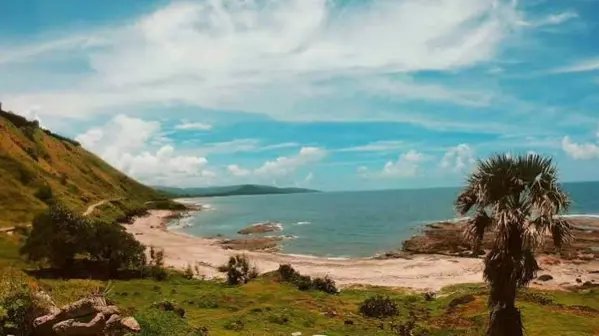
Kashid Beach A long expanse of white sand, clean and clear waters, and peaceful settings; Kashid beach, Maharashtra has all that it takes to be named one of the most beautiful destinations in India. Away from city rush Kashid beach in Maharashtra is only 135km off Mumbai is a favorite spot among holidaymakers. One can find immense peace and solace at this beautifully pristine beach in the Konkan region as it is one of the least crowded beaches near Mumbai and thus very few tourists visit it. The entire length of the beach is covered with casuarina trees and offers a serene environment for family and for couples looking for their own cozy little spot. If you have an extra day during your Mumbai trip, consider exploring the nearby Treks Near Mumbai for a change of scenery and a more adventurous experience.

  • Major Attractions: Kashid Beach, Murud-Janjira Fort, Phansad Wildlife Sanctuary, Revdanda Fort, Datta Mandir

  • Top Activities: Beach walks, swimming, water sports, photography, camping, sightseeing, birdwatching

  • Duration: 1 Day to 2 Days

  • Best Time to Visit: October to March

Kashid Beach Travel Guide

This destination is ideal for families, couples and photographers. Other than beaches this destination also serves as the entry point for nearby tourist destinations in Kashid. Other than beaches Kashid is a great point of reference to explore the nearby Murud-Janjira Fort, Phansad Wildlife Sanctuary and Revdanda Fort. This region is known for offering water sports in Kashid beach as well as one can see the most scenic sunsets. Nature lovers will also come across abundant opportunities for watching breathtaking sunrises and appreciating the untouched coastal scenery. This is one of the finest beaches of Maharashtra. The clean shore and safe swimming for water sports activities like jet skiing & banana ride in decent weather. In Maharashtra's Kashid, visitors can also spend leisurely hours relaxing by the soft sand, partaking in various water sport activities and marvel at the setting sun over the expansive Arabian Sea. If you're a nature lover, the Phansad Wildlife Sanctuary nearby will fascinate you with its biodiversity and diverse bird species. In close proximity also lies the spectacular Murud-Janjira Fort, a remarkably sturdy sea fort holding much historical importance in India. This tranquil getaway, with its spectacular coast and ease of access, is definitely the perfect weekend break from Mumbai's bustling lifestyle.

...
02

Alibaug

Alibaug

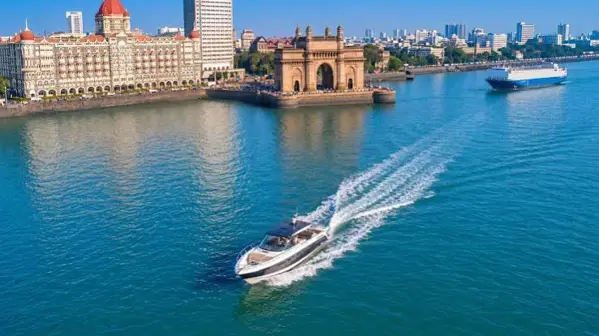
Alibaug A Coastal retreat from the urban chaos. Alibaug is among Maharashtra’s preferred beach holiday destinations, especially due to its clean shorelines, historical ruins, thrilling water activities and an easy going nature. Situated just 95kms from Mumbai, this charming coastal town can easily be reached by aferryor by the road. This is no surprise that this destination is extremely popular among families and couples that intend to take a trip for weekends and ofcourse, adventure seekers too. Rich with white golden beaches, coconut trees, fresh sea food and vivid history, Alibaug is wonderfully bordered by the mighty Arabic Ocean. The wonderful climate as well as visual surroundings that Alibough has allure vacationers throughout the year. You can plan a visit to this picturesque place throughout the winter months and also right after the monsoon time. The Alibough Coastline, Varsoli Beach, Kihim Beach andalso Nagaon Beach are just great to chill out by the sea, enjoy the magnificent sunset views andalso go through invigorating water tasks. Those planning a short escape from the city can find several Treks Near Mumbai that are accessible within a few hours and are ideal for a day of outdoor adventure.

  • Major Attractions: Alibaug Beach, Kolaba Fort, Varsoli Beach, Nagaon Beach, Kihim Beach, Murud-Janjira Fort (nearby), Kanakeshwar Temple

  • Top Activities: Beach hopping, water sports, fort exploration, sightseeing, photography, boating, seafood tasting

  • Duration: 2 Days

  • Best Time to Visit: October to March

Alibaug Travel Guide:

Alibough can be peppered by historical sea strongholds which include the outstanding Kolaba Fort, erected by the famous Maratha king, Chhatrapati Shivaji Maharaj. You can likewise check out history as well as find exciting locations of Alibough and also have the enjoyment of exploring them on a vacation. At Alibough, there’s all sort of entertainment right from quiet, tranquil holiday breaks on the coastline to an interesting tour in order to trip along the coastline. Whether it’s Alibough Coastline that offer the wonderful views of the sunrise, Nagaon Beach with its adventurous tasks like water skidding, banana boating, parasailing as well as speed cruising, or historic forts like Kolaba Fort which offer to be well-known historical visitor attractions where you could look into the history of the Konkani coastline, Alibough has all of it to use visitors. There can also be getaways within and around the rustic townlands of Alibough to savor the mouthwatering regional Kankoki food as well as home stays. An evening stroll along the crystal clean beach with fantastic opinions from the Arabic Ocean during the sundown and a memorable ferry trip starting from The Gateway of India as well as travelling your way to the enchanting land of Alibough as a pleasant vacation to the western coast of India would simply leave you feeling revitalised and rejuvenated.

...
03

Kolad

Kolad

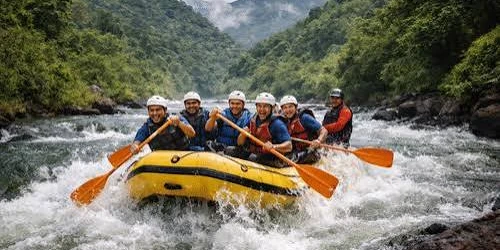
Nestled in the district of Raigad on the river banks of Kundalika, Kolad stands tall as one of the finest adventure destinations that Maharashtra has to offer and holds fame for its fun river rafting options and gorgeous river views. It is about 120 km away from Mumbai and 145 km from Pune and welcomes adventure enthusiasts, camp enthusiasts, nature lovers as well as companies all round the year. Kolad encloses the traveler with forests, rivers, and waterfalls and has rugged hills providing you with thrilling entertainment and a blissful countryside experience. Those planning a short escape from the city can find several Treks Near Mumbai that are accessible within a few hours and are ideal for a day of outdoor adventure.

  • Major Attractions: Kundalika River, Tamhini Ghat, Bhira Dam, Sutarwadi Lake, Ghosala Fort, Devkund Waterfall, Tala Fort

  • Top Activities: River rafting, kayaking, ziplining, camping, waterfall trekking, rappelling, nature walks, photography

  • Duration: 2 Days

  • Best Time to Visit: June to February

Kolad Travel Guide

The finest attribute and attraction of Kolad is white-water rafting conducted on the river, kundalika. The controlled release of water from the bhira dam during the best season, and a good share of water flow throughout, facilitates you to have great rafting condition for maximum time of the year. So if we consider the river rafting options across India, Kolad is one of the unique spot where you can enjoy rafting any time of the year. Apart from rafting in riverkundalika, there are many adventure sports such asKayaking, Zipline, rappelling, traversing across Burma Bridges, trekking in water fall that are conducted under the care of experienced at the several camp grounds in kolad and can be practiced by absolute beginner to hardcore extreme adventurer. For Nature lovers there is a Devkund waterfall(best hidden waterfall ofMaharashtra) accessed through some trek or there can be a peaceful time enjoyed at the Sutarwadi lake surrounded by vegetations all through the way. Enjoy the views from the Tamhini Ghats when there are falls gushing on the hilly slopes during the rains and you get a surreal scene with a blanket of mist over the complete valley. Kolad’s thrill doesn’t stop at the water rafting sports, and trekking on waterfalls in Kolad can also be one awesome experience and Zipline as well as an array of adventure activities like rappelling on waterfall and Burma bridges will truly prove challenging for even adventurous lovers with amazing skills of balancing. Kolad’s scenic views house some excellent adventure camps and homestays and nobody would forget Bonfire, music, games and stargazing with one’s companions and friends by the riverside and local cuisine if flavored with traditional Maharashtrian taste on top of everything. No matter whatever be your reason to make your plans. Whether for an adventuresomeWeekend’ or a leisurely stay with Nature as your companion, Kolad is there to satisfy you and is considered as best weekened holiday plan from Mumbai and Pune.

...
04

Bhandardara

Bhandardara

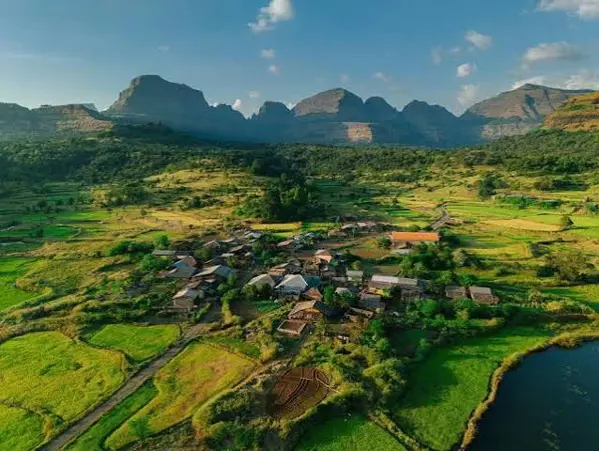
Bhandardara is a tranquil hill station enveloped by the mighty Sahyadri mountain ranges that hosts pristine lakes, majestic waterfalls, ancient temples and incredible trekking routes. Bhandardara is about 165 kms from Mumbai and 175 kms from Pune, a breathtaking hill station blessed with ample greenery and spellbinding vistas. Its refreshing atmosphere, pleasant climate, and an eclectic assortment of natural elements have made it one of the popular choices among trekkers, campers, honeymooners, photographers and families. Nature lovers can make their weekend more exciting by choosing one of the scenic Treks Near Mumbai, especially during the monsoon and cooler months.

  • Major Attractions: Arthur Lake, Randha Falls, Wilson Dam, Umbrella Falls, Mount Kalsubai, Ratangad Fort, Amruteshwar Temple

  • Top Activities: Trekking, camping, boating, waterfall visits, stargazing, photography, sightseeing, nature walks

  • Duration: 2 Days

  • Best Time to Visit: June to February

Bhandardara Travel Guide

Bhandardara is counted as one of the most picturesque hill resorts in Maharashtra as the beautiful Arthur Lake is surrounded by hills creating amazing reflections for boating & Photography lovers. It is here that Randa Falls and Umbrella falls have been brought to life with furious torrents and are spectacular water features at the height of monsoons attracting visitors from far away. The challenging trek to Mount Kalsubai, the highest peak in Maharashtra as well as the trek to the historical Ratangad fort can fulfill your thirst for adventure. You can relax by a bonfire near the refreshing Arthur lake this year during your visit to this amazing hill station. This hill station has also home to a very ancient Hindu temple-Amruteshwar Temple which follows Hemadpanthi Architecture and goes more than a thousand years back. With its beautiful bird watching opportunities, serene nature walks and scenic mountain rides you can certainly get rid of all the stress. So, plan your lakeside camping holiday, trek in these hills and enjoy the serene and pristine Bhandardara.

...
05

Matheran

Matheran

What we love about Matheran There possibly could be no more extraordinary destinations in Maharashtra than Matheran, India's tinyest hill station, known worldwide for being eco sensitive nature tour place in whole country ( no motor able traffic ). At elevation of 2,600 feet (about 800m) in the Western Ghats this Matheran destination lets you enjoy of Forests, red mud trails, valleys, spectacular viewpoints and soothing feel from refreshing air of mountains. Relatively only 90 km from city like Mumbai, Matheran is able to preserve it self in the whole city yet still is a favourite romantic gateway, family picnics and nature destination. Many a tourists love to journey on the antique toy train from Neral to Matheran, enjoy the views of valley, lush green forest and rolling hills. Travellers who enjoy spending time outdoors can also explore some of the best Treks Near Mumbai for a refreshing break from the city's busy lifestyle.

  • Major Attractions: Panorama Point, Echo Point, Charlotte Lake, Louisa Point, Alexander Point, One Tree Hill Point, Porcupine Point, Matheran Toy Train

  • Top Activities: Toy train ride, trekking, horseback riding, sightseeing, photography, nature walks, sunset viewing

  • Duration: 2 Days

  • Best Time to Visit: October to May

Matheran Travel Guide

Matheran provide a lot of options for getting from point to point from any other hill stations in India such as hiking, horseback or pushback rickshaws and let travellers see wonderful places without any fear of air pollution or pollution from vehicles. On the Matheran hill station there are 35+ points of interest offering magnificent views of the surrounding hills, along with 30+ valley points offering the panoramic beauty. Some important locations you need to cover are Charlotte Lake, Panorama point, Louisa point and echo point; Matheran’s scenic spots serve as a wonderful place for viewing sunrise, the most popular of that being at Panorama point, sunrise & sunset views being the specialty. The salubrious atmosphere and greens all around of Matheran hills give all its people pleasant weekend retreat, with all refreshment from bustles and hurried life, offering plush forests and rich vibrant greenery. The roads within Matheran are a series of pathways winding through densely shaded Forests leading towards unique hidden viewpoints. Being the essential dam of Matheran, the picturesque Charlotte Lake is most lively and alluring after rains are over. Those looking for railways, have to take the journey through unique toy train travelling along from Neral to Matheran that is ranked as India’s most picturesque peaceful rail route. Trekker travel Matheran trails via Neral whereas photographer’s are attracted towards misty valleys and unique exotic sunsets along with primitive forests of Matheran hills. Undeniably it one of India’s finest hill station providing pure, pristine pristine wilderness, Pollution free environment coupled with ambience of colonial times.

...
06

Mahabaleshwar & Panchgani

Mahabaleshwar & Panchgani

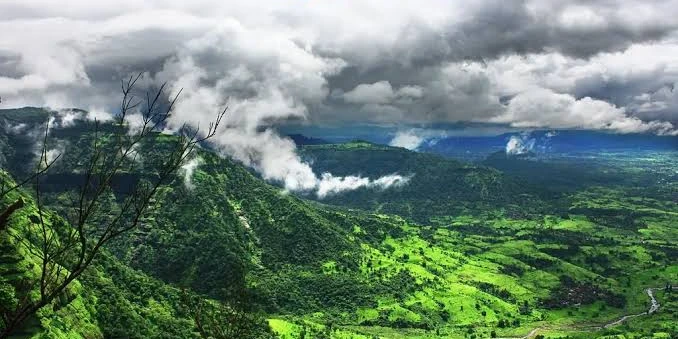
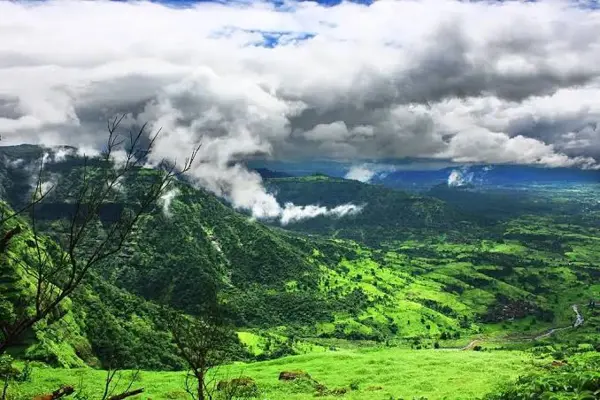
Nestled in the dense green cover of the Western Ghats, are the ever popular hill stations of Maharashtra- Mahabaleshwar & Panchgani. Only about 120 Kms away from Pune & about 260 Kms from Mumbai, this duo surely offers an ideal respite from city life with their pleasant climes, snow white misty peaks, acres of red fruit covered lands in summer, beautiful valleys and breathtaking views. Whether it's a quiet, romantic interlude, a wonderful family vacation or an adventurous, fun-filled weekend excursion for yourselves, the charm of thesetwin hill resorts will leave you enchanted all the year around. Whether you're planning a monsoon adventure or a quick weekend escape, Treks Near Pune can be a great addition to your Maharashtra travel itinerary.

  • Major Attractions: Arthur's Seat, Elephant's Head Point, Wilson Point, Venna Lake, Mapro Garden, Lingmala Waterfall, Sydney Point, Table Land, Parsi Point, Rajpuri Caves

  • Top Activities: Boating, horse riding, strawberry picking, sightseeing, trekking, photography, camping, shopping for local products

  • Duration: 2 Days

  • Best Time to Visit: October to June

Mahabaleshwar & Panchgani Travel Guide

Encircling the hill station lie a chain of beautiful forests and captivating vales, with both Panchgani and Mahabaleshwar promising to bring its visitors a unique slice of heaven away from the city grind. Embark on this tour starting with the breathtaking spectacle of sunrise views from Wilson's Point (the highest point) followed by a visit to a plethora of sights such as the Arthur's Seat, The Elephant's Head Point & many more, Enjoy a boat ride at Venna Lake and don't forget to savor the delights of fresh strawberries at the popular Mapro garden. Explore the expansive and flat plateau at Panchgani which lends itself beautifully to horseriding and relaxing nature walks accompanied by the vista of verdant valleys,which draws trekkers and photographers alike, Mahableshwar offers the option to get a first hand experience of dense forest and nature treks as well for all thosenature enthusiasts ,and families can just relax enjoying the plush gardens and refreshing waterfalls. No tour is ever complete with out some souvenir shopping. Do take along with you some fresh produce, juices and jams at local markets or at the famous Mapro and Local Haats selling handmade arts, handicrafts & jewellery. Whether it’s a romantic getaway, a family bonding trip, a quick weekend getaway – The Monsoons have these two beautiful destinations painted green, bursting with waterfalls and a cool ambiance, while the winters present spectacular views and cool, crisp air- a heavenly abode to take out your loved ones to cherish them.

...
07

Kaas Plateau in One Day, Season, Tickets and Route

Kaas Plateau in One Day, Season, Tickets and Route

Most people get Kaas Plateau wrong in one of two ways. They go in the wrong month and see bare ground, or they leave booking to the last minute and find the slots gone.

This guide fixes both. It covers when the flowers usually bloom, how to book your visit, and how to fit the plateau into one day with a few nearby stops. It's honest about rain, weekend crowds and the long journey from Bangalore too.

When is the best time to visit Kaas Plateau? (Quick answer)

The best time to visit Kaas Plateau is usually late August to early October, with the bloom often peaking around September, though it shifts with each year's rain. Entry is regulated and slots are limited, so book your visit through the official forest department system before you travel, and check bloom status first.

The rest of this guide covers dates, routes, booking and a one-day plan. Skip to the section you need.

Kaas Plateau Travel Guide

Written by a Bangalore-based travel team. Season dates, timings, fees and entry rules change, so check the official source before you travel.

Best time to visit Kaas Plateau

Blooming follows the monsoon, so dates move every year. Treat these windows as a guide, not a promise.

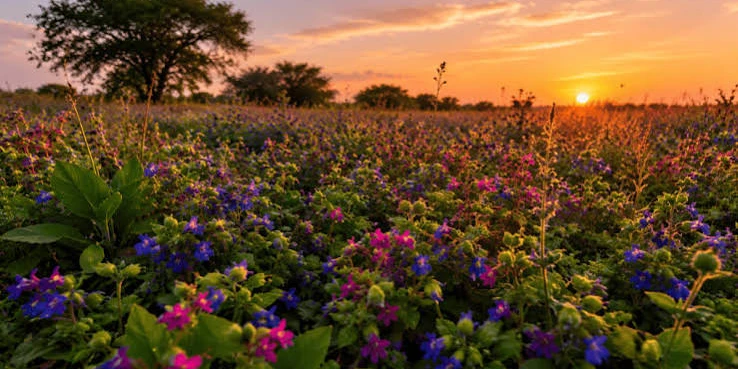
  • Late August to early October (flowering window). Wildflowers cover the plateau, and the colours change through the season. Suits photographers, nature lovers and first-timers. Watch-outs: weekend crowds, limited slots and wet paths. Peak dates vary (verify).

  • July to mid August (monsoon). Green, misty and often heavy rain, with the flowers not yet at their fullest. Suits people who enjoy monsoon greenery and don't mind getting wet. Watch-outs: slippery paths, poor visibility and road conditions.

  • Mid October to June (off-season). Usually dry and brown, with no bloom. Access for regular visitors may be limited or closed outside the flowering season (verify). It's not worth a trip for the flowers.

Check current bloom updates a few days before you go, and don't rely on last year's dates. Maharashtra monsoon trips

How to reach Kaas Plateau

Kaas Plateau is roughly 25 km west of Satara in Maharashtra (verify). Satara is your natural base, since it sits on the main Pune to Bangalore highway (NH48, verify) and has the widest choice of stays, food and transport.

  • From Pune by road. Roughly 130 to 140 km, about 3.5 to 4.5 hours depending on traffic (verify). It works as a day trip with a pre-dawn start, though a night in Satara makes life easier.

  • From Mumbai by road. Roughly 280 km, about 6 to 7 hours (verify). Stay a night in Satara rather than doing it in a day.

  • From Bangalore by road. Roughly 700 to 750 km, around 11 to 13 hours one way (verify).

  • By rail. Satara station is on the Pune to Miraj line (verify). Take a cab for the last stretch. From Bangalore you'll likely change trains, so check IRCTC.

  • By air. Pune is the nearest major airport (verify). Bangalore has flights to Pune (check live schedules), then continue by road.

From Bangalore, Kaas Plateau is a long trip. It doesn't work as a same-day outing, so fold it into a longer Maharashtra plan. Ideally fly to Pune, then drive down.

Kaas Plateau entry, booking, and rules

Kaas Plateau is a fragile ecosystem, so entry is regulated. Visitor numbers are limited, and slots can sell out, especially on weekends and holidays in peak bloom.

Booking is generally done through the official forest department system (verify the current portal and process). We haven't listed fees, slot times or daily caps, because they change and we don't have verified figures. Confirm these on the official source:

  • the current entry fee and how it's paid

  • slot timings and how long you can stay

  • vehicle, group and children's rules

  • plastic, photography and other on-site rules

On the final stretch, vehicle access may be limited, and you may need to park and walk or use a shuttle (verify). Weekdays usually have thinner crowds, though slots still need booking. If you book a packaged outing, check the package page to see how entry is arranged.

What to see and do at Kaas Plateau

We picked stops that people commonly combine with the plateau in one day and that sit within a manageable drive. Here they are at a glance.

  • Kaas Plateau viewing area: best for the flowers. Time: 2 to 3 hours. Season: late Aug to early Oct. Distance: the main stop.

  • Kaas Lake: best for a short break. Time: 30 to 45 minutes. Season: Jun to Oct (verify). Distance: near the plateau (verify).

  • Vajrai Waterfall: best for a big waterfall in the rains. Time: 1 to 1.5 hours. Season: Jul to Sep. Distance: approx. 10 to 15 km from Kaas (verify).

  • Sajjangad: best for history and views. Time: 1.5 to 2 hours. Season: year-round (verify). Distance: approx. 30 to 35 km from Kaas (verify).

  • Thoseghar Waterfalls: best for a second monsoon waterfall. Time: 1 to 1.5 hours. Season: Jul to Sep. Distance: approx. 30 to 45 km from Kaas (verify).

1. Kaas Plateau viewing area, best for the flower bloom

The reason you're here, so go early and give it at least two hours.

You walk along marked paths over a rocky plateau. Many of the flowers are small and grow low, so the reward is looking closely, not sweeping fields of colour. Morning light is softer for photos and the crowd is thinner. Paths turn slippery in the rain and weekends fill up. Stay on the path and never pick flowers. Kaas Lake is the natural next stop.

2. Kaas Lake, best for a short break

A quiet stop that works as a breather after the plateau walk.

It's a small lake in the forested hills near the plateau, so treat it as a 30 to 45 minute stop, not a destination. Go after the plateau, when your feet want a rest. Parking and access rules may change, so check locally. It pairs well with a snack break before you head on.

3. Vajrai Waterfall, best for a big waterfall in the rains

Worth adding only in the monsoon and only if you have time to spare.

Vajrai is a tall, tiered waterfall in the Bhambavli area, often described as one of India's highest (verify). It's impressive when the rains are running and thin in dry weeks. Viewing spots get misty and wet, so stay behind barriers. Skip it if your plateau slot runs late, because the drive adds time.

4. Sajjangad, best for history and a calm end to the day

A good finish if you still have energy, and it sits close to Satara on your way back.

Sajjangad is a hill fort near Satara, associated with the saint Samarth Ramdas Swami, whose samadhi is here. Expect steps and open views. Go in the late afternoon, and dress modestly, since it's a place of worship. Skip it if you're running late or tired. It's a climb after a long plateau morning.

5. Thoseghar Waterfalls, best for a second monsoon waterfall

Only worth it in strong rain, and not on a short day.

The falls near Satara drop from a plateau edge, and viewing platforms may be available (verify). They get crowded on rainy weekends, and the rock and railings are wet and slippery. The drive is long, so check the route before you commit. Choose either this or Vajrai if time is tight.

A simple one-day Kaas Plateau plan

This works best from a Satara base. These timings are suggested, not official. Fit them around your booked slot.

  • 6:30 AM: Leave Satara, roughly 25 km to the plateau (verify).

  • 7:30 AM: Arrive at your booked slot and start walking.

  • 7:30 to 10:30 AM: Kaas Plateau viewing area.

  • 10:30 to 11:15 AM: Kaas Lake.

  • 11:15 AM to 12:30 PM: Vajrai Waterfall (monsoon only, if time allows).

  • 12:30 to 1:30 PM: Lunch. Carry water and snacks, since food options near the plateau may be limited (verify).

  • 2:30 to 4:00 PM: Sajjangad on the way back towards Satara.

  • 4:00 PM onwards: Return to Satara, or head on to Pune.

From Pune in a day, leave before dawn and drop the extra stops. From Bangalore, don't try this in a day.

Mistakes to avoid and quick tips

  • Going in the wrong month. Check bloom status a few days before you book, not just last year's dates.

  • Booking late. Slots are limited, so sort your ticket before you pay for hotels or transport.

  • Wearing flat sandals. Wear shoes with grip. Wet rock and mud don't forgive smooth soles.

  • Skipping rain gear. A poncho or light waterproof jacket beats an umbrella on a windy plateau.

  • Stepping off the path or picking flowers. It damages a fragile habitat, and rules may fine you (verify).

  • Forgetting water. Carry your own, and take your wrappers and bottles back. Plastic rules apply (verify).

  • Starting late. Crowds build and the light flattens by mid-morning.

  • Cramming too much. The plateau, Kaas Lake and one more stop is a full day.

Who this trip suits

  • Nature lovers and photographers. The best fit. Go early, bring patience, and look low.

  • Families with kids. Fine if children stay on the path and you're ready for wet ground and a long day.

  • Groups. Book together, and check group rules on the booking system (verify).

  • Senior citizens. The walking is on uneven, sometimes slippery ground. Check how much walking is involved before you commit.

  • Not ideal for: anyone expecting tall, dense fields of colour, or visiting outside the flowering window. You may find it underwhelming.

Visiting Kaas Plateau with escape2explore

escape2explore is a Bangalore-based company that plans trips across India, and it offers a Kaas Plateau one-day outing. See the Kaas Plateau one-day outing package page for current inclusions, pricing and departure details.

Compare it with planning your own transport and slots, then pick what fits your dates.

FAQ

1. What is the best time to visit Kaas Plateau?
The best time to visit Kaas Plateau is usually late August to early October, when the wildflowers bloom. Peak colour often falls around September, but it shifts with the year's rainfall. Check current bloom updates and the official booking portal before you fix dates, since the season and slots can change.

2. Which month do flowers bloom at Kaas Plateau?
Flowers at Kaas Plateau usually bloom from late August into early October, with the display changing through those weeks. The exact peak depends on the monsoon and varies each year. Check bloom status close to your travel date, and don't rely on dates from a previous season.

3. Do I need to book Kaas Plateau tickets in advance?
Yes, plan to book ahead. Entry to Kaas Plateau is regulated to protect the plants, and visitor numbers and slots are limited, especially on weekends and holidays. Booking is done through the official forest department system. Confirm the current process, portal and slot rules on the official source before you travel.

4. What is the Kaas Plateau entry fee?
The entry fee changes and can depend on how you book, so we haven't listed a figure. Check the current fee on the official Kaas Plateau booking portal before you pay. If you're taking a packaged outing, see the package page for current inclusions and pricing.

5. How do I reach Kaas Plateau from Pune or Mumbai?
Kaas Plateau is roughly 130 to 140 km from Pune and about 280 km from Mumbai (approximate, verify). By road, Pune takes around 3.5 to 4.5 hours and Mumbai 6 to 7 hours, depending on traffic. Most visitors stay in Satara, roughly 25 km away, and drive up in the morning.

6. Can I visit Kaas Plateau from Bangalore in one day?
Not realistically. Bangalore to Kaas Plateau is roughly 700 km or more each way, so a same-day trip doesn't work. Fly to Pune and continue by road, or treat Kaas as one stop in a longer Maharashtra plan. Allow at least two days including travel.

7. How many hours do you need at Kaas Plateau?
Plan 2 to 3 hours on the plateau itself, depending on your slot and how much you walk. Add time for Kaas Lake, and a few more hours if you want Vajrai Waterfall or Sajjangad. A full day works comfortably from Satara. Check slot duration on the booking system.

8. Is Kaas Plateau worth visiting?
Yes, if you go in the flowering window and manage expectations. Many flowers are small and low, so it's about looking closely, not big fields of colour. Book in advance, go early, and skip off-season dates when the plateau is bare. If you dislike crowds, choose a weekday.

...
08

Places to Visit in Nashik, Plus a 2 Day Itinerary

Places to Visit in Nashik, Plus a 2 Day Itinerary

Nashik gets planned badly. People arrive with a list of temples, a winery and a waterfall, then spend half the trip in cabs crossing the same roads twice.

This guide fixes that. It sorts the 10 places to visit in Nashik by area, so each day follows one stretch of road. It's also honest about the journey from Bangalore, which is long.

What are the best places to visit in Nashik? (Quick answer)

The best places to visit in Nashik for a first trip are Ramkund and Panchavati for the city's pilgrimage core, Trimbakeshwar Temple (close to the Godavari's source), and a Sula Vineyards tasting for the wine side, chosen for cultural weight and how easily they link by road within a 2 day plan.

Add the Pandavleni Caves if you like history, and Anjaneri Hill if you fancy a short climb. Everything below is grouped so you can drop stops without wrecking the route.

Nashik Travel Guide

Written by the Bangalore-based escape2explore travel team. Timings, fees and rules change, so verify before you travel.

Top 10 places to visit in Nashik (compared)

We picked these for cultural weight, ease of pairing by road and the effort they need, then ordered them by area, starting in the city and moving outward. Here are the things to do in Nashik at a glance.

  • Ramkund and Panchavati: best for first-time pilgrims. Time needed: 1 to 2 hours. Best season: Oct to Feb. Distance: in the city.

  • Kalaram Temple: best for temple architecture. Time needed: about 45 minutes. Best season: Oct to Feb. Distance: in Panchavati.

  • Sita Gumpha: best for the Ramayana trail. Time needed: about 30 minutes. Best season: Oct to Feb. Distance: in Panchavati.

  • Pandavleni Caves: best for history and views. Time needed: 1.5 to 2 hours. Best season: Oct to Feb. Distance: approx. 8 km from Nashik city (verify).

  • Sula Vineyards: best for wine tasting. Time needed: 2 to 3 hours. Best season: Oct to Mar. Distance: approx. 12 to 15 km (verify).

  • Someshwar Waterfall: best for monsoon visits. Time needed: 1 to 2 hours. Best season: Jun to Sep. Distance: approx. 8 to 10 km (verify).

  • Trimbakeshwar Temple: best for Jyotirlinga darshan. Time needed: 2 to 4 hours. Best season: Oct to Feb. Distance: approx. 28 to 30 km (verify).

  • Anjaneri Hill: best for a short hike. Time needed: 2 to 3 hours. Best season: Oct to Feb. Distance: approx. 20 to 25 km (verify).

  • Saptashrungi Gad: best for a devi pilgrimage. Time needed: half a day. Best season: Oct to Feb. Distance: approx. 60 to 65 km (verify).

  • Igatpuri: best for monsoon greenery. Time needed: half to full day. Best season: Jun to Sep. Distance: approx. 45 to 50 km (verify).

Times and distances are approximate (verify live).

1. Ramkund and Panchavati, best for first-time pilgrims

This is where Nashik makes sense, so start here at sunrise.

Ramkund is the bathing tank on the Godavari. The Panchavati area around it is tied to the Ramayana, with Ram, Sita and Lakshman said to have stayed nearby during their exile. Mornings are calm. Evenings and festival days get crowded, and Kumbh years are on another scale. Walk on from here to Kalaram Temple and Sita Gumpha.

2. Kalaram Temple, best for a quiet architectural stop

A short stop with a black stone Ram idol that gives the temple its name.

It's a short walk from Ramkund and dates to the 18th century (verify). Go early to skip festival queues. Rules on phones, leather items and photography vary at temples like this, so check at the gate.

3. Sita Gumpha, best for a short Ramayana detour

Tiny, tight and memorable, if you're fine in narrow spaces.

This cave in Panchavati is linked to Sita during the exile. The entrance is narrow and low, which is awkward for anyone with mobility issues. It can feel claustrophobic when queues build. Skip it with small children on a busy day.

4. Pandavleni Caves, best for history and a city view

A rock-cut Buddhist site that makes a good break from temple crowds.

The caves are carved into a hill and are roughly 2,000 years old (verify). You'll climb steps in the open with little shade, so go in the morning or late afternoon. Ticket rules and closing time change, so check before you leave.

5. Sula Vineyards, best for a relaxed tasting afternoon

Nashik's wine reputation in one stop, and a good way to end a temple-heavy day.

Sula is among the best-known wineries here, with vineyard views, tours and tastings. Weekends get busy, so book ahead where slots are offered. Tasting formats and harvest-season timing vary. Hire a driver if you're tasting, and don't drive afterwards. Other wineries nearby suit you better if you want somewhere quieter.

6. Someshwar Waterfall, best for monsoon days

Worth it in the rains, a trickle otherwise.

The falls sit on the Godavari a short drive from the city and look best from June to September. Rocks get slippery, and access can be restricted after heavy rain. Follow local warnings and stay at permitted viewpoints. It works as a quick stop on a Nashik monsoon day.

7. Trimbakeshwar Temple, best for Jyotirlinga darshan

The anchor of most Nashik trips, and it rewards an early start.

Trimbakeshwar is one of India's twelve Jyotirlingas, set in the hills roughly 28 to 30 km from Nashik, near the source of the Godavari. Queues often build on Mondays and festival days (verify), so leave the city by 6 AM. Dress code and sanctum rules apply and can change, so check with the temple trust. Pair it with Anjaneri the same morning.

8. Anjaneri Hill, best for a short hike with a legend

A manageable climb near Trimbak, where local tradition places Hanuman's birth.

The hill has steps and rocky patches, with wide views on a clear day. In the monsoon it turns green and slippery, so wear shoes with grip. Carry water, because exposed sections have little shade. It's a religious site, so check access and local rules before you go.

9. Saptashrungi Gad, best for a devi pilgrimage in the hills

A full half day, so add it only if you have a third day.

The temple of the goddess Saptashrungi sits on a hill in the Vani area, roughly 60 to 65 km from Nashik. You climb steps to reach it, and a ropeway or lift may run (verify). Navratri and festival days are packed. Start early, and don't pair it with anything else the same day.

10. Igatpuri, best for a cool, green monsoon day

Skip it outside the rains, unless you're doing a Vipassana course.

Igatpuri is a hill town in the Western Ghats, roughly 45 to 50 km from Nashik towards Mumbai. It's misty and lush from June to September, and that's the whole draw. Weekend highway traffic, fog and slippery paths are the watch-outs. The Vipassana centre needs advance course registration, so it's not a drop-in visit.

When is the best time to visit Nashik?

October to February suits most trips.

  • October to February: cooler and drier, and comfortable for temple walks and cave steps. Best for first-timers, families and wine visits.

  • March to May: hot and dry, with harsh midday sun. Stick to early-morning temple visits only.

  • June to September: green and wet, with waterfalls running and hills misty, but paths are slippery. Best for Someshwar, Igatpuri and Anjaneri.

Check dates before you book. Nashik hosts the Simhastha Kumbh Mela roughly every 12 years, and the next is expected in 2027 (verify dates). It changes crowds, road closures and stay availability in the city and Trimbak.

Availability in the city and Trimbak.

How to reach Nashik from Bangalore

From Bangalore, fly to Mumbai or Pune, then go on by road or train. A Nashik trip from Bangalore works best over three or four days, not a standard weekend.

  • By air: Nashik's Ozar airport has limited flights, so check live whether a direct or one-stop option fits your dates. Otherwise fly to Mumbai (about 2 hours in the air, verify) and continue roughly 170 km by road, usually 4 to 5 hours depending on traffic (verify). Pune is roughly 210 km away.

  • By train: Nashik Road is the main station, on the Mumbai line. From Bangalore you'll usually change at Pune or Mumbai, and the total journey is long. Check IRCTC for current options.

  • By road: Bangalore to Nashik is roughly 1,000 km or more, so driving is a two-day trip. From Mumbai or Pune, buses and cabs run to Nashik (verify).

A 2 day Nashik itinerary

These places to visit in Nashik fit two days if you keep the city on day one and the Trimbak side on day two.

Day 1 (city and wine)

  • 7:00 AM: Ramkund and Panchavati. Calm before the crowds.

  • 8:30 AM: Kalaram Temple. Short darshan.

  • 9:30 AM: Sita Gumpha. Quick detour.

  • 11:00 AM: Misal lunch and rest. Beat the midday heat.

  • 3:30 PM: Pandavleni Caves. Check closing time.

  • 6:00 PM: Sula Vineyards tasting. Book ahead and hire a driver.

Day 2 (Trimbak side)

  • 6:00 AM: Leave for Trimbakeshwar. Roughly 30 km.

  • 7:00 AM: Trimbakeshwar darshan. Queue times vary.

  • 10:30 AM: Anjaneri Hill. Skip in heavy rain.

  • 1:00 PM: Lunch and return. Add Someshwar in monsoon.

Got a third day? Add Saptashrungi Gad or Igatpuri. Each takes half a day or more.

How much does a Nashik trip cost?

We've left rupee figures out on purpose. Fares and stays swing with season and festival dates, and a stale number does more harm than none. Here's what drives the total:

  • Getting there from Bangalore. Flights plus the onward road or train are usually the biggest swing.

  • Where you stay. A simple pilgrim lodge and a vineyard resort sit far apart.

  • Local transport. A cab for the Trimbak day costs more than city autos.

  • Extras. Wine tastings, cave tickets and any paid darshan options.

Check live rates for your dates before you settle on a budget.

Where to stay in Nashik

Pick your area by what your mornings look like. We haven't named hotels, so check current listings.

  • Panchavati and the old city. Walkable to the ghats and temples, and busy and noisy on festival days.

  • Nashik Road. Handy if you arrive by train, but some way from the ghats.

  • Gangapur Road and the wine side. Resort-style stays, and you'll need a cab.

  • Trimbak. Best if darshan comes first, though options are simpler. Book well ahead in festival periods.

What to eat in Nashik

  • Misal pav. Nashik's version is known for its heat. Ask for it medium if you're unsure.

  • Nashik chivda. A crunchy snack that travels well, so it's an easy one to carry home.

  • Sabudana khichdi and vada. Common Maharashtrian fasting food, and a filling start to a temple day.

  • Grapes. Nashik is known for them, with fresh ones in season (verify months).

  • A Maharashtrian thali. Good for a proper lunch break before an afternoon of sightseeing.

Mistakes to avoid and quick tips

  • Cramming Trimbak, Saptashrungi and the wineries into one day. They're in different directions. Group by area.

  • Ignoring the Kumbh. Check Simhastha dates before you book flights or stays.

  • Reaching Trimbak late. Queues grow through the morning. Be in the city's outskirts by 6 AM.

  • Visiting Someshwar in dry months. You'll drive out for a trickle.

  • Wrong temple clothing. Cover shoulders and knees, and carry easy-to-remove footwear. Rules vary by temple.

  • Tasting and driving. Hire a driver for winery visits.

  • Treating Bangalore as a weekend base. Give it three or four days, or fly and accept a short trip.

Planning this trip with escape2explore

escape2explore is a Bangalore-based company that plans trips across India. If you'd like a customised Nashik plan built around your dates, group and interests, get in touch.

Tell us how many days you have and whether you're coming for the temples, the wine or both. Get in touch here: Contact us

FAQ

1. How many days are enough for Nashik?
Two days cover the main places to visit in Nashik: the Panchavati group and caves on day one, Trimbakeshwar and Anjaneri on day two. Add a third day if you want Saptashrungi Gad or Igatpuri. Trips from Bangalore need extra travel time, so plan around your flights or trains.

2. What is the best time to visit Nashik?
October to February is the best time to visit Nashik, with cooler weather that suits temple walks, cave climbs and vineyard visits. Monsoon (June to September) is greener and brings waterfalls but slippery trails. March to May is hot, so keep sightseeing to early mornings. Check the Kumbh dates before booking.

3. How do I reach Nashik from Bangalore?
From Bangalore, the easiest way to reach Nashik is to fly to Mumbai or Pune, then continue by road or train. Nashik's Ozar airport has limited flights, so check whether a direct or one-stop option runs on your dates. Driving from Bangalore is a long two-day trip. Confirm schedules and fares live.

4. Is Nashik worth visiting?
Yes, if you like temples, Ramayana-linked sites, rock-cut caves and wine tastings in one compact trip. It's less suited to travellers wanting beaches or a quick weekend from Bangalore. Go for two full days, group stops by area, and avoid the hot months if you can.

5. How much does a Nashik trip cost?
A Nashik trip's cost depends mostly on how you travel from Bangalore, the type of stay and how you get around locally. Flights and onward transfers are usually the biggest swing. Wine tastings and any paid darshan options add extra. Prices change by season and festival dates, so check live fares and rates before you budget.

6. Nashik vs Shirdi, which should I pick?
Pick Nashik for variety (Ramayana sites, Trimbakeshwar, caves, wine) and Shirdi if your main aim is a Sai Baba pilgrimage. They're roughly 90 km apart, so you can combine them with an extra day or a stopover, but check road and darshan timings first.

7. Can you do Nashik and Trimbakeshwar in one day?
Yes, but pick one focus. Trimbakeshwar is roughly 30 km from Nashik, so an early start gets you darshan and a stop at Anjaneri before lunch. Doing the city's Panchavati sights the same day is tiring. Split them across two days if you can, especially on weekends and festival days.

8. Is Nashik a good weekend trip from Bangalore?
Only as a long weekend, and only if you fly. Road travel is roughly 1,000 km or more each way, and a standard two-day weekend loses most of its time to transit. Take a Friday or Monday off, fly to Mumbai or Pune, and keep buffer time for the road transfer.

...
09

Rajmachi Fort

Rajmachi Fort

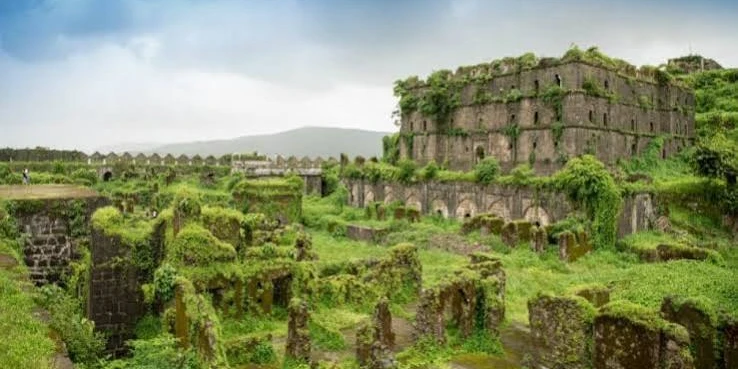
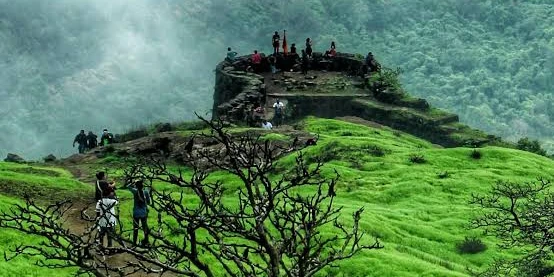
An Ideal Blend of History, Adventure, and Nature, Set among the pristine Sahyadri mountain ranges, Rajmachi fort, a popular trekking destination in Maharashtra, stands between two significant cities. It is positioned approximately 85 km from Mumbai and 75 km from Pune, located in the between Lonavala and Karjat. This historic fort comprises two ancient strongholds – Shrivardhan and Manaranjan forts. Mumbai's surrounding hills are home to several historic forts and scenic trails, making Treks Near Mumbai a popular choice for weekend adventures.

  • Major Attractions: Shrivardhan Fort, Manaranjan Fort, Rajmachi Village, Kondane Caves, Udaysagar Lake, Firefly Festival (Summer)

  • Top Activities: Trekking, camping, fort exploration, photography, nature walks, night trekking, firefly watching, village exploration

  • Duration: 1–2 Days

  • Best Time to Visit: June to February

Rajmachi Fort Trek Guide

Surrounded by thick forests, verdant valleys, gurgling waterfalls and fog-covered peaks, it makes a rendezvous for nature-lovers and trekkers, campers, history lovers and photography enthusiasts year round. In monsoon, this trail becomes a pristine verdant wonderland, and undoubtedly becomes one of the most romantic of all the Maharashtra hikes in the western ghats. Rajmachi fort trek can be one of the greatest trekking experiences in your life that both beginner and seasoned hikers could enjoy! Lonavla trek pass through beautiful plateau , waterfalls and thick forests while the Karjat trekking route to Rajmachi fort is full of rocks and flora. The fort which existed even since the time of the Satavahana Dynasty became an important fortification during Shivaji Maharaja’s reign. Inside the fort, one may explore ancient gates, stone walls, watchtowers and water cisterns to beget magnificent views of the adjacent valleys and mountain ranges. If not the historic sites, but it also offers immense camping opportunities and beautiful, stunning views as you lie down in the comfortable Homestay and soak in the natural wonder around you. You will find immense opportunities at this site to photograph nature with its beautiful landscapes, unique waterfalls, sunrise spots, misty mountains, ancient ruins, fort gateways. Not only trekkers come here for camping but also people wanting to see fireflies flock on pre-monsoon, months of May and June in Rajmachi. At night, if you camp under stars, it’s the perfect place where you can experience camping like any other trekking destination! Another popular choice for adventure seekers is Rajmachi Fort trek, offering scenic trekking trails and beautiful views of the surrounding Sahyadri ranges.

...
10

Murud Janjira Fort: Boat, Timings, How to Reach

Murud Janjira Fort: Boat, Timings, How to Reach

Picture this. You drive five hours, reach the coast, and learn the boats aren't sailing today because the sea is rough. Or you arrive at 4 pm on a Sunday, and the last boat has gone. Or nobody told you the fort sits on an island, and you can only get there by a crowded sailboat from a jetty. These are the three ways a Murud-Janjira fort trip goes wrong, and all three are avoidable.

The promise is simple: plan around the boat and the season, and this becomes one of the most rewarding coastal day trips in Maharashtra. This guide gives you the honest version, from real road times to the weekend queue to who may find the crossing hard.

How do you reach Murud-Janjira Fort, and when should you go? (Quick answer)

You reach Murud-Janjira Fort only by a short boat from Rajapuri jetty near Murud town, roughly a 15 to 20 minute crossing across the Arabian Sea. The best season is October to March, when the sea is calm. The one thing to check before you travel is whether boats are running that day, because weather and the monsoon pause the service.
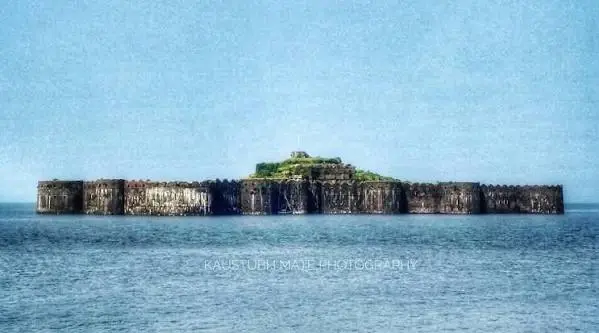
Murud-Janjira Travel Guide

Written by a Bangalore-based travel team. Timings, fees, and boat operations change with season and weather, so confirm locally before you travel.

Best time to visit Murud-Janjira

The season decides your whole trip here, so choose it carefully. Here is the honest breakdown.

  • Winter (October to March). What to expect: cool, dry days, calm seas, and the smoothest boat crossings. Who it suits: families, first-timers, photographers, seniors. Watch-outs: weekends and holidays bring crowds and longer jetty queues, so start early.

  • Summer (April to May). What to expect: hot, humid coastal days with hazy light. Who it suits: budget travellers who don't mind heat and want fewer crowds. Watch-outs: midday on the open boat and the exposed fort is draining; go early morning or late afternoon and carry water.

  • Monsoon (June to September). What to expect: heavy Konkan rain, lush green hills, dramatic seas. Who it suits: scenery lovers who will skip the fort itself and enjoy Murud town and the coast. Watch-outs: rough seas pause boat service, and in 2026 the administration closed Murud-Janjira for three months from 26 May as a monsoon safety measure, Lokshahi with local reporting expecting a reopening only after the rains eased. Do not plan the crossing in these months without confirming status first.

Sea conditions genuinely stop boats here. Treat the monsoon as a "no fort" season unless local authorities say otherwise.

How to reach Murud-Janjira

Murud sits on the Konkan coast in Raigad district, about 165 km south of Mumbai. Eindiatourism Once you reach Murud town, you still need a boat from Rajapuri jetty to reach the island fort. Plan the drive and the boat as two separate legs.

By road from Mumbai. Murud is roughly 165 km, commonly a 4 to 5 hour drive via Panvel, Pen and the Alibag-Revdanda-Murud coastal road. Distances and times are approximate and depend on traffic. Verify before you travel.

By road from Pune. Murud is roughly 165 to 195 km depending on route. The Tamhini Ghat and Mulshi route is scenic but has rough patches; the Lonavala-Khopoli-Pen route is longer but smoother. Budget 4 to 6 hours. Verify current road conditions.

By rail. The nearest railhead is Roha, roughly 45 to 50 km away, then a taxi or bus to Murud. Panvel is another option with more long-distance connections. Confirm train timings separately.

By air. The nearest airports are Mumbai and Pune, both well over 150 km away, followed by a long road transfer. There is no quick airport near Murud.

A word for readers from Bangalore. This is a very long haul by road, close to 900 km or more, so a single dash is not sensible. It works far better folded into a longer Maharashtra or Konkan itinerary, for example flying to Mumbai or Pune and driving the coast over several days.

Murud-Janjira boat ride, tickets, and rules

Here is how the crossing generally works, so you know what to expect. Fees, boat timings and rules change, so confirm at the jetty or an official source on the day.

You buy a boat ticket at or near Rajapuri jetty. Boats usually fill up before they leave, and on weekends you may wait in a queue both ways. The crossing takes roughly 15 to 20 minutes. Many boats are sailboats, sometimes pulled by a motorboat when wind is low.

Life jackets are not always provided, and travellers have reported crowded boats, so use your own judgement and speak up if you feel unsafe. Disembarking means stepping or jumping from a rocking boat onto wet stone steps, which needs care.

Your time on the island is limited, often around an hour, because the same boat waits to bring you back. If you want longer, tell your boatman or plan to catch a later boat. Entry to the fort itself is commonly described as free, with only the boat charged, but confirm this locally because it can change.

What to see and do around Murud-Janjira

I have kept this list to stops most day-trippers can realistically reach, and I have flagged how each pairs with the next. All distances are approximate, verify before you go.

At a glance (Stop | Best for | Time needed | Best season | Approx. distance from Murud):

  • Janjira Fort | history, the boat experience | 2 to 3 hours with the crossing | winter | fort is offshore, boats from Rajapuri jetty about 5 km from Murud town

  • Murud Beach | sunsets, easy strolls | 1 hour | winter and post-monsoon | in Murud town

  • Datta Mandir | viewpoint over the coast | 1 to 1.5 hours | winter, late afternoon | about 1.5 to 3 km from Murud

  • Ahmedganj (Nawab) Palace | a look from outside | 20 to 30 minutes | any dry day | about 6 km from Murud

  • Padmadurg (Kasa) Fort | offbeat sea fort | half day, needs permission | winter | about 9 km offshore

  • Kashid Beach | white sand, water sports | 1 to 2 hours | winter | about 16 to 20 km

  • Diveagar | quiet beach, temple | half day | winter | about 20 km by road

  • Harihareshwar | temple and beach | half day | winter | about 34 km

  • Alibag | forts and beaches | full day | winter | about 50 km

1. Janjira Fort, best for history and the boat experience

This is the reason you came, and it earns the trip. You cross from Rajapuri jetty, land at the concealed main gate, and walk among bastions, ruined palaces, freshwater ponds and the three surviving giant cannons, Kalalbangdi, Chavri and Landa Kasam, out of the 572 the fort once held. Go on the first boats of the day for calmer seas and smaller queues. One honest watch-out: getting on and off the boat is the hardest part, so take your time on the wet steps. Pair it with Murud Beach afterwards to wind down.

2. Murud Beach, best for sunsets and easy strolls

A long, calm black-sand beach that makes the perfect after-fort decompress. You can walk the shore, watch the sunset with the fort silhouetted offshore, and eat fresh seafood at the shacks and small restaurants in town. Best in the late afternoon. Watch-out: check local advice before swimming, especially outside winter. It is a short hop from the jetty and the town.

3. Datta Mandir, best for a viewpoint over the coast

The best view in Murud, if you are up for a climb. A hilltop temple reached by road or by a long flight of steps, with a panorama over Murud, the beach and the two sea forts. Best at around 5 to 6 pm for sunset. Watch-out: the step climb takes time and there are no shops on the way, so carry water. It pairs naturally with a Murud Beach sunset below.

4. Ahmedganj (Nawab) Palace, best for a look from outside

A grand Siddi-era palace you admire from the road, not inside. It is private property of the Nawab's descendants, so treat it as a photo stop, not a tour. Wikipedia A few minutes is enough. Watch-out: do not attempt to enter or take selfies at the gate. Combine it with the Datta Mandir drive.

5. Padmadurg (Kasa) Fort, best for offbeat explorers

A quieter island fort that Chhatrapati Shivaji Maharaj built in 1676 to challenge Janjira. It sits offshore north of Janjira and needs a private boat and prior permission, so it is for those with time and planning, not a casual add-on. Best in calm winter seas. Watch-out: no scheduled service and access can be restricted, so arrange it well ahead. Treat it as a separate half-day, not a Janjira add-on.

6. Kashid Beach, best for white sand and water sports

The bright, busy beach counterpoint to Murud's quiet. White sand, blue water and water sports make it a favourite family stop on the drive between Alibag and Murud. Best in the morning or late afternoon. Watch-out: weekends get crowded, so time it off-peak. It sits neatly on the route if you are heading back towards Alibag or Mumbai.

7. Diveagar, best for a quiet beach and temple

A long, calm beach and a well-known Ganesh temple, south of Murud. Good for a slow half-day if you are staying overnight in the area. Watch-out: some connecting roads can be rough and slow, so check the route. It pairs with Harihareshwar for a two-beach southern loop.

8. Harihareshwar, best for a temple and beach combo

A pilgrimage-and-beach town at the southern end of this coast. You visit the Kalbhairav temple and walk the hill-backed beach. Best as an overnight or a longer loop, not a rushed day add-on from Murud. Watch-out: it is far enough that it stretches a single day thin. Pair it with Diveagar and Shrivardhan.

9. Alibag, best for a fuller coastal day

The busy anchor town of this coast, with its own forts and beaches. If you are coming from Mumbai, many travellers base in or pass through Alibag. Best as its own day. Watch-out: doing Alibag and Janjira in one day is a lot of driving. Use it as a base or a separate leg.

A simple one-day Murud-Janjira plan

Timings below are suggested, not official. Build in a buffer for the boat queue, especially on weekends.

  • Before 6:00 am: Leave Mumbai or Pune early to beat traffic and reach Murud by mid-morning.

  • 9:30 to 10:00 am: Reach Rajapuri jetty, park, buy your boat ticket, and join the queue.

  • 10:00 am to 1:00 pm: Cross to Janjira Fort, explore for your allotted time, and return. Keep an eye on your return boat.

  • 1:00 to 2:00 pm: Lunch in Murud, fresh seafood or a thali.

  • 2:00 to 3:30 pm: Relax at Murud Beach or drive up to Datta Mandir for the view.

  • 3:30 to 5:00 pm: Optional stop at Kashid Beach on the way back.

  • 5:00 pm onwards: Start the drive home, or stay a night to avoid a tiring same-day return.

Mistakes to avoid and quick tips

  • Start early. The boat queue and the drive both punish a late start.

  • Check weather and boat status the day before and the morning of. This is the single most important step.

  • Wear grippy footwear. The boat steps and fort stone are wet and slick.

  • Carry sun protection and water. The boat and fort are exposed, with no shops on the island.

  • Secure your phone, wallet and camera. Boats rock and can splash.

  • Don't overload the day. The fort plus one nearby stop is plenty; three beaches and a temple is not.

  • Time the crowds. Visit on a weekday if you can, or take the first boats on a weekend.

Who this trip suits

Families with kids will enjoy the boat and the open fort, with supervision near the edges and the boat steps. History lovers get a genuinely unusual sea fort with real stories. Photographers get the crossing, the bastions and the sunsets. Friend groups get an easy, affordable adventure.

Be honest with yourself about two groups. Senior citizens and anyone with knee, hip or balance issues may find boarding and leaving the boat hard, since it means stepping onto wet, uneven stone from a moving boat. And anyone doing a same-day dash from far away should expect a long, tiring drive. For both, an overnight stay near Murud makes the trip far kinder.

Planning Murud-Janjira with escape2explore

If you would rather not stitch the drive, the boat timings and the nearby stops together yourself, escape2explore can help. It is a Bangalore-based travel company that plans trips across India, and it can shape a Murud-Janjira visit into a wider Konkan or Maharashtra route that actually fits your dates and pace.

Tell escape2explore who is travelling and how many days you have, and ask for a customised plan at https://www.escape2explore.com. That way the boat and the season lead the plan, not the other way round.

FAQ

Q: What is the best time to visit Murud-Janjira Fort?

A: October to March is best, when the sea is calm and boat crossings are smooth. Winter days are cool and clear, ideal for the fort and beaches. Avoid the monsoon, when rough seas pause boats and the fort is often closed. Summer is doable early or late in the day. Confirm boat status before you travel.

Q: How do you reach Murud-Janjira Fort?

A: You reach it by boat from Rajapuri jetty near Murud town, a crossing of roughly 15 to 20 minutes across the Arabian Sea. First reach Murud by road from Mumbai or Pune, or by rail to Roha then road. The fort is on an island, so there is no way to walk or drive to it. Boats depend on weather.

Q: What is the entry fee and boat charge for Murud-Janjira?

A: Entry to the fort is commonly described as free, with only the boat ride charged, but figures vary widely between sources and seasons. We are not quoting a price here because it changes. Confirm the current boat charge and any fees at the jetty or an official source on the day you travel.

Q: How do you get to Murud-Janjira from Mumbai?

A: Drive roughly 165 km, commonly 4 to 5 hours, via Panvel, Pen and the Alibag-Revdanda-Murud coastal road. You can also combine the Mandwa ferry to Alibag with a road transfer, or take a train to Roha then a taxi. Times depend on traffic. Then take the boat from Rajapuri jetty. Verify routes before leaving.

Q: How do you get to Murud-Janjira from Pune?

A: Murud is roughly 165 to 195 km from Pune depending on route. The Tamhini Ghat and Mulshi route is scenic but rough in patches; the Lonavala-Khopoli-Pen route is smoother and longer. Budget 4 to 6 hours by car or bus, then the boat from Rajapuri jetty. Check road conditions in advance.

Q: Can you do Murud-Janjira as a one-day trip?

A: Yes from Mumbai or Pune, but only with an early start. Leave before dawn, reach the jetty mid-morning, cross to the fort, and add one nearby stop like Murud Beach or Kashid. A same-day return is long and tiring, so many travellers prefer to stay a night near Murud.

Q: How many hours do you need at Murud-Janjira?

A: Plan two to three hours for the fort including the boat queue and crossing, since your time on the island is often capped at about an hour. Add a couple of hours for Murud Beach or a viewpoint. A relaxed half-day covers the fort and one nearby stop comfortably.

Q: Is Murud-Janjira Fort open in the monsoon?

A: Usually not. Rough monsoon seas make the crossing dangerous. In 2026 the administration closed the fort for three months from 26 May, and it reopens only after the rains ease, generally around the end of the monsoon. Do not plan a monsoon fort visit without confirming the current status locally. You can still enjoy Murud town and the coast.

...

11

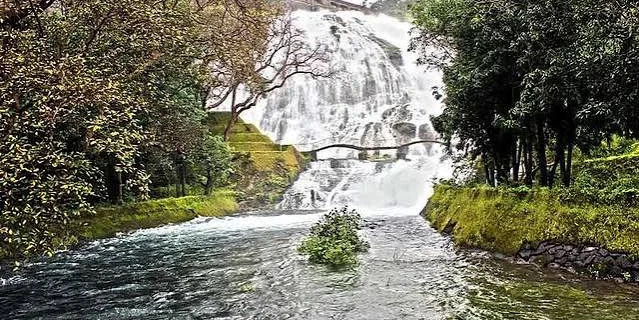
Malshej Ghat

Malshej Ghat

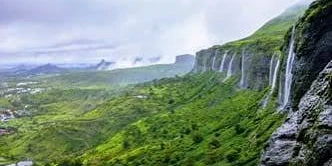
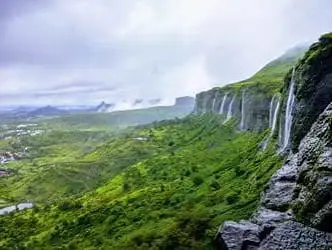
10 Most Beautiful Mountain Passes In India- Malshej Ghat (Maharashtra) – 2.5 km one-way walking Malshej Ghat is considered one of the most beautiful mountain passes in the state of Maharashtra and is a perfect getaway for nature and monsoon enthusiasts and photography lovers. Located at around 125 km from Mumbai, this mountain pass lies in the Western Ghats range at an altitude of around 700 metres. The region is dotted with lofty mountains, dense forests, and a series of numerous enchanting waterfalls. During monsoon season, the place turns into an extremely beautiful and lively green El Dorado in Maharashtra and attracts thousands of tourists every year with its refreshing climate and spellbinding vista. Nature lovers can make their weekend more exciting by choosing one of the scenic Treks Near Mumbai, especially during the monsoon and cooler months.

  • Major Attractions: Malshej Ghat Viewpoints, Harishchandragad Fort, Pimpalgaon Joga Dam, Ajoba Hill Fort, Shivneri Fort, Flamingo Point, numerous waterfalls

  • Top Activities: Sightseeing, trekking, birdwatching, photography, waterfall exploration, camping, road trips

  • Duration: 1 Day to 2 Days

  • Best Time to Visit: June to February

Malshej Ghat Travel Guide:

Covered with veils of mists, with mild climate and countless ephemeral waterfalls, Malshej Ghat leaves one with an unforgettable visual spectacle to Cherish forever and serves as a fantastic habitat for a lot of wildlife and bird species thus it’s one of the most preferable choices amongst the nature loving people. In addition to the astonishing natural beauty, The place is also popular for some ancient temples, historic fortifications and trekking destinations. It can provide you trekking opportunities till some very ancient and historic forts; these are the ones which offer sublime vistas to Sahyadris and provide immense knowledge of this very region. You can even enjoy your way up by driving over the meandering mountain road and you will find that there is a flock of pink flamingos who visit a nearby wetland place during certain months of the year. Travellers wishing for a thrill and expedition can experience some of the trekking journeys to nearby forts of Sahyadris and to enjoy the view points as well as the long rides on winding paths. This is a must for planning an unmissable monsoon trip for photographers and for lovers seeking for a relaxing holiday getaway in nature's lap. A unique highlight of Malshej Ghat is its views during monsoon season with falls flowing down the rocks and the mist filling the valley. One can go on trekking across uneven terrain to reach Harishchandragad Fort the perfect destination for trek lovers as it provides a spectacular view from its peak Konkan Kada. Bird- watchers get delighted seeing a variety of bird species and pink flamingos nearby Pimpalgaon Joga dam. Overall the serene atmosphere along with the cool climate conditions, enchanting waterfalls and breathtaking panoramas make Malshej Ghat a pleasant weekend escapade for those traveling to or fro Mumbai orPune.

...
12

Igatpuri

Igatpuri

Igrapuri, Nashik The extremely gorgeous hill station of Igatpuri lies in the Nashik district of Maharashtra and is celebrated as a mist laden hill top home to fortresses, cascades and serenely beautiful scenery. A destination found along the Mumbai Nashik highway about 120 KMs off Mumbai, Igatpuri is always been a favourite haunt for trek enthusiasts, nature dwellers, and even monsoon travellers. A jewel residing amongst the rugged heights of Sahyadri ranges, this lovely hill station in Maharashtra dazzles you with its scenery all round the year but shines out particularly in rains, when cascades plunge from high cliffs and valleys wear verdant blankets. For adventure lovers, the Western Ghats offer plenty of opportunities for trekking, with several Treks Near Mumbai suitable for both beginners and experienced hikers.

  • Major Attractions: Bhatsa River Valley, Camel Valley, Tringalwadi Fort, Vaitarna Dam, Vipassana International Academy, Kalsubai Peak, Myanmar Gate

  • Top Activities: Trekking, camping, sightseeing, photography, meditation, waterfall visits, nature walks

  • Duration: 2 Days

  • Best Time to Visit: June to February

Igatpuri Travel Guide

In fact, Igatpuri is also recognised as a host to one of the world's largest Vipassana meditations centers too to give you that much-needed peace of soul. Trekking is a must here especially since you can access forts like Kalsubai, an area favourite to many mountain lovers wanting to conquere the highest peak in the state of Maharashtra. Along with its lofty mountain ranges and forts, Igatpuri has several places that give you stunning views like the Bhatsa River Valley, Camel Valley, Vaitarna Dam and the historical Tringalwadi Fort. Igatpuri features hundreds of water cascades along the roadsides and everywhere from across and about, making the entire drive something out of a film scene when travelling during monsoons. This natural sanctuary also brims with beautiful lakes where one can just sit and relax by with good company in tow whilst enjoying lovely views of the valleys surrounding it. Whether you're someone who loves the advent of scaling rugged heights like these, meditating at world renowned locations, soaking in beautiful panoramas all round or just enjoying simple things in life, Igatpuri makes for an excellent travel getaway.

...
Bengaluru Reviews (16010)

rating icon

4.7

Out of 5.0

5

11494

4

3817

3

517

2

96

1

61

Sudeep

Reviewed: Oct 8, 2026

5/5

I really enjoyed spending a day at Bheemeshwari. The scenery was beautiful and the environment felt calm and refreshing. We tried the activities, enjoyed some snacks, and spent time chatting... Read More
Sana shaik

Reviewed: Sep 30, 2026

5/5

I love the idea of exploring Gangadikal with a group of friends. A trekking adventure is a great way to enjoy nature and create wonderful memories. Escape2Explore is worth exploring... Read More
Vinay Reddy

Reviewed: Sep 30, 2026

5/5

. A trek to Gangadikal sounds like an interesting experience for nature enthusiasts. Exploring new surroundings and enjoying outdoor activities can make the trip worthwhile. I would like to learn... Read More
Nishanth Bhat

Reviewed: Sep 30, 2026

5/5

The forest trails and open landscapes make Valikunja Trek an interesting adventure. I enjoy destinations that offer opportunities to explore nature away from crowded places. Escape2Explore is worth checking for... Read More

Shankar Bhat

Reviewed: Sep 26, 2026

5/5

Gangadikal Trek sounds appealing for travelers who enjoy peaceful outdoor settings. It is a good reminder to take time away from busy schedules and explore nature. I would consider it... Read More

Yuvan Shetty

Reviewed: Sep 25, 2026

5/5

Valikunja Trek sounds exciting for anyone who enjoys discovering natural destinations. The Western Ghats scenery makes it a promising choice for an outdoor getaway. I would research the route and... Read More

Zoya

Reviewed: Sep 24, 2026

5/5

Gangadikal Trek is a great option for anyone who enjoys discovering new places. The combination of outdoor activity and natural beauty makes the experience appealing. I would check Escape2Explore for... Read More

Malvika Krishnan

Reviewed: Sep 24, 2026

5/5

Valikunja Trek is an interesting option for travelers who prefer nature-based experiences. The chance to explore an unfamiliar trail and appreciate the landscape makes it appealing. I would look into... Read More

Lokesh Gowda

Reviewed: Sep 19, 2026

5/5

Gangadikal Trek is a nice option to research if you enjoy active holidays. A journey through nature can provide a refreshing change of pace. I would check the trek details... Read More

Pranith Rao

Reviewed: Sep 18, 2026

5/5

A trek to Valikunja sounds like a wonderful way to reconnect with nature. Exploring new trails and enjoying mountain scenery offers a refreshing change from routine. I would love to... Read More

Frequently Asked Questions

Hey there!! 👋
Have any enquiries

WhatsApp Icon

About Us

Unleash adventure near Bangalore! From hills to caves, immerse in nature's thrill. Unforgettable memories await!

Facebook IconInstagram IconTwitter IconLinkedIn IconWhatsApp IconYouTube IconPinterest Icon

Contact Us

Location Icon

318/A, 9th Main Rd, Ideal Homes Layout, BEML Layout 3rd Stage, Rajarajeshwari Nagar, Bengaluru, Karnataka 560098