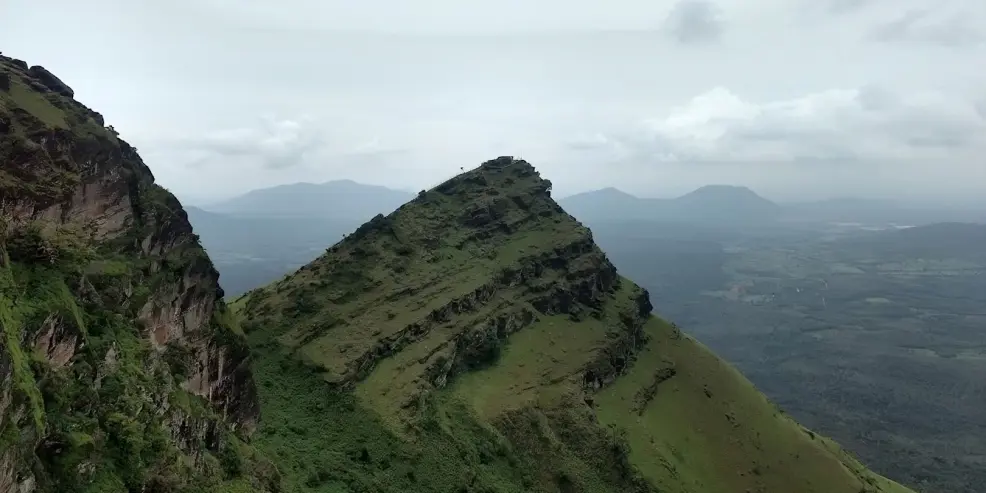
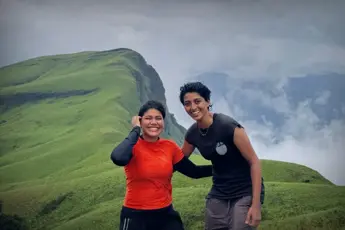
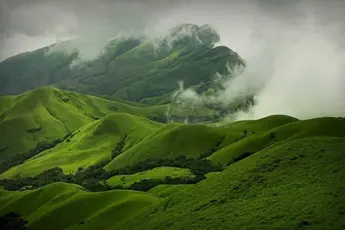
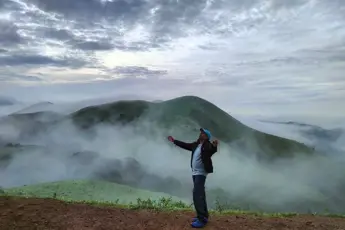
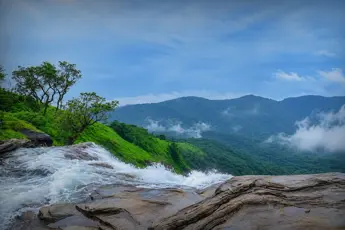
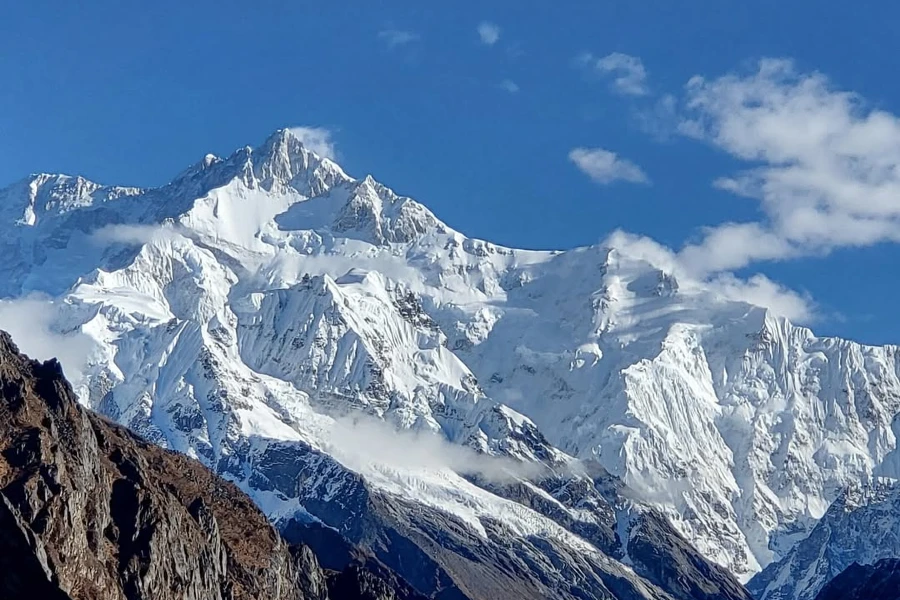
Among the most picturesque places for trekkers is Sikkim, which has mesmerizing Himalayan scenery, icy pinnacles, alpine pastures, lush green woods, and tranquil mountain valleys. Nestled in the far east of India, the beautiful hill state of Sikkim is blessed with Mount Kanchenjunga, the third-highest peak in the world, and is a paradise for adventurous people. High Altitude Treks: These high altitude trekking trips in Sikkim are specially designed for those adventure enthusiasts who want to explore dramatic mountain scenery, tough trails, remote Tibetan-style mountain villages, and spectacular views of glimpses of a range of the Himalayas. Trekking in Sikkim from the popular Goechala Trek to the Green Lake Trek.
Table of Contents
Introduction
Best High Altitude Treks in Sikkim
Tips for High Altitude Trekking in Sikkim
Conclusion
Introduction
These treks pass through rhododendron forests, glaciers, snow-capped passes, and traditional Himalayan villages. But high-altitude trekking also demands some physical preparation, slow acclimatization, and the right gear for mountain weather. For the seasoned trekker or even a Himalayan life trekker, Sikkim is a wonderful and hidden travel spot that won't fail to impress you.
Best High Altitude Treks in Sikkim
1. Goechala Trek
STARTING POINT: Yuksom, West Sikkim
ENDING POINT: Goechala viewpoint area, depending on the permitted itinerary
DIFFICULTY LEVEL: Difficult
TREK DISTANCE: Approximately 80–100 km round trip, depending on the route and itinerary
BEST SEASON: April to May and October to November, subject to weather and trail conditions
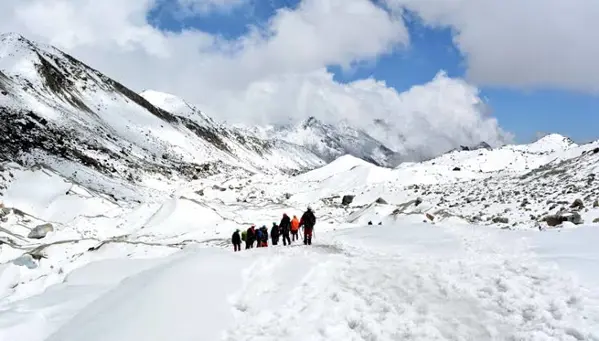
Goechala Trek: This is among the most exciting trekking experiences in Sikkim, a high-altitude trek. It is a trek that offers splendid views of Mount Kanchenjunga. You trek through pristine forests, lush green grassland, and views of glaciers and mountains as you make your way from Yuksom to Sachen, Tshoka, Dzongri, and Thansing, and finally reach the Goechala viewpoint region. When trekkers ascend further, the landscape opens up to vast mountain valleys and hilly terrain of the Himalayas, away from the thick woods and vibrant rhododendron trees. Dzongri is an additional major destination, with breathtaking views of the peaks, especially early in the morning. The Goechala Trek is suitable for seasoned trekkers wanting a challenging Himalayan trek. The path is steep, the altitude high, and the weather liable to change at any time, so you need to be well prepared. The permit access to the Goechala area can be variable; trekkers should adhere to the stated permit restrictions and instructions of the local authorities. For an unforgettable high-altitude adventure with breathtaking views of the Kanchenjunga range, explore our Goechala Trek package.
2. Dzongri Trek
STARTING POINT: Yuksom, West Sikkim
ENDING POINT: Dzongri and the surrounding trekking region
DIFFICULTY LEVEL: Moderate to Difficult
TREK DISTANCE: Approximately 40–50 km round trip, depending on the itinerary
BEST SEASON: April to May and October to November
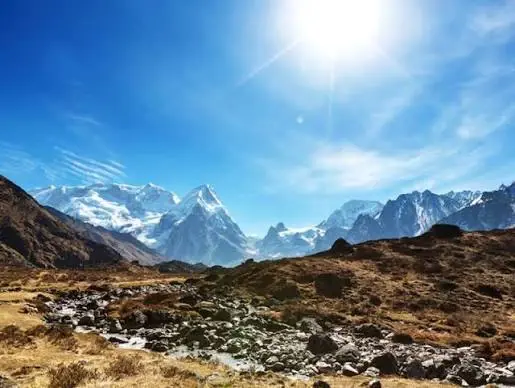
Dzongri Trek is one of the best options. Starting from Yuksom, the route traverses through lush forests, mountain streams, trekking camp sites, and various other landscapes. The trek's main attraction is Dzongri Top, which, on a clear day, provides breathtaking views of Mount Kanchenjunga and other snow-capped Himalayan peaks. If you are trekking in spring, the forest trails are in full bloom, and the hills are an explosion of red and white as the rhododendrons flower. Nature and mountain photographers will enjoy the ever-changing scenery of this trek, which sees lush green forests gradually giving way to alpine meadows. While this is not as long as some of the other high-altitude routes in Sikkim, it still involves a fair amount of elevation and is best undertaken by those who are physically fit and have the right clothing.
3. Kanchenjunga Base Camp Trek
STARTING POINT: Yuksom or another authorized access point, depending on the itinerary
ENDING POINT: Designated base-camp area or permitted viewpoint, depending on the route
DIFFICULTY LEVEL: Difficult to Very Difficult
TREK DISTANCE: Varies considerably according to the route and permitted itinerary
BEST SEASON: Generally spring and autumn, subject to access restrictions and local conditions
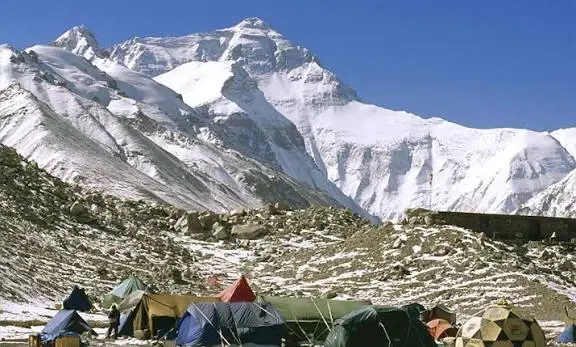
The Kanchenjunga Base Camp Trek is undoubtedly the best trek in the Sikkim Himalaya to behold the majestic Himalaya in all its glory. Known for its high Himalayan peaks, pristine valleys, dense forests, glaciers, and diverse flora and fauna, the Kanchenjunga trek is for seasoned trekkers seeking the wild and the remote mountain terrain of Sikkim. The trip may lead through thick forests, far-flung settlements, mountain rivers, and high mountain passes, depending on the route. The ever-changing landscape offers a peek into the natural splendor of the Eastern Himalayas, and the spectacular mountainscapes will leave you with a sense of awe. It's useful to be aware that there are separate routes and restrictions to reach Kanchenjunga's north and south base-camp zones. Access to routes linked to the Lhonak sector of the northern base camp and access via the south of the mountain are not interchangeable, and there are particular access restrictions in some zones. Check guide availability, permitted access, and protected-area management plans before planning. It's important to be well-fit, physically strong, tough, and adaptable in addition to being an experienced hiker when planning this trip.
4. Green Lake Trek
STARTING POINT: Lachen region, North Sikkim
ENDING POINT: Green Lake area, subject to official access permissions
DIFFICULTY LEVEL: Very Difficult
TREK DISTANCE: Varies according to the authorized route and expedition plan
BEST SEASON: Generally spring or autumn, only when access is officially permitted
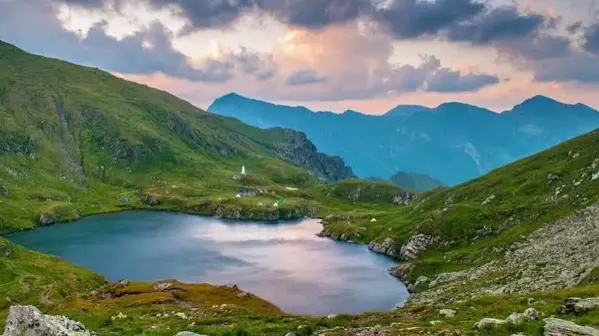
Green Lake trekking is among the most isolated and strenuous trekking adventures to be found in the Sikkim Himalayas. Situated in the awe-inspiring Kanchenjunga region, Green Lake is celebrated for its awe-inspiring mountain views, lofty valleys, glacial landscape, and views of Himalayan giants. The trail takes you through the solitude of mountain country, forested areas, rivers, and alpine terrain. The further you trek into the wild, the more awe-inspiring the scenery becomes; craggy slopes and spectacular views of the Kanchenjunga massif will make your trek a memorable adventure. In addition to being more popular than other trekking routes, it is not a normal leisure walk since the Green Lake Trek demands a substantial level of planning. Due to special restrictions because of the zone's conservation and border sensitivities, access is limited, and the trek can only be arranged once the required authorizations have been secured. This trip suits only experienced trekkers who will be assisted by expert guides familiar with the logistics, safety, and experiences of traveling in the western Himalaya.
5. Kasturi Orar Trek
STARTING POINT: Yuksom region, West Sikkim
ENDING POINT: Kasturi Orar and the authorized trekking route, depending on the itinerary
DIFFICULTY LEVEL: Difficult
TREK DISTANCE: Varies according to the itinerary and permitted trail
BEST SEASON: Generally spring and autumn, subject to local conditions and access permissions
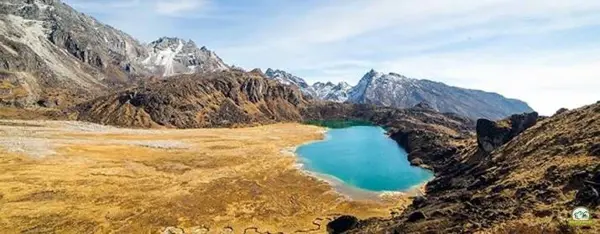
Kasturi Orar Trek: Explore the pristine mountain landscape of the Kanchenjunga trekking area. This trek is ideal for expedition lovers and adventurers who want to explore the wild, offbeat trekking routes in high-altitude tundra and valleys with breathtaking Himalayan views. The route passes forest tracks, steep climbs, broad open mountain slopes, and some sections of challenging terrain. Once you start ascending, the scenery widens out from mountain forest to mountain vistas with extensive views of the mountain environment. Its isolated location gives you a wilderness feel that an alpine expedition-style trekker will particularly enjoy. Because it's not quite as typical a beginner trekking area, trail access, camping details, and restrictions should be verified with a licensed local operator. Exact route details and level of difficulty will be contingent on access and time of year. With proper preparation and the right equipment and a guide, a trek on the Kasturi Orar trail could be the most memorable way to discover the distant Himalayan land of Sikkim.
6. Singalila Pass Trek
STARTING POINT: Yuksom or another authorized trailhead, depending on the itinerary
ENDING POINT: Singalila Pass, or the designated endpoint of the permitted route
DIFFICULTY LEVEL: Difficult
TREK DISTANCE: Varies depending on the selected route
BEST SEASON: Spring and autumn, subject to weather and route conditions
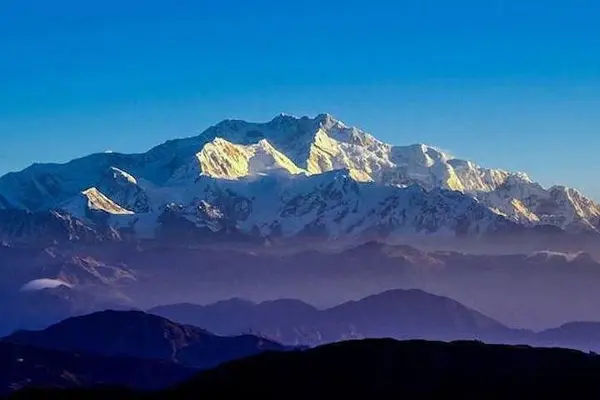
The Singalila Pass Trek guides trekkers through the striking mountains of the Singalila region, an area renowned for its ridgelines, alpine scenery, and views of the Himalaya. There will be a trek through forests, high-altitude meadows, isolated valleys, and sections of exposed terrain along the route. This journey is particularly attractive to travelers who want to experience countryside walking and wander along mountain paths that are less visited by tourists. Fine weather allows trekkers to gaze at stunning mountain vistas of the Greater and Lower Himalayas; the alternating flora emphasizes the contrast between low-altitude woodland and higher terrain. Remember to separate the routes on Singalila Ridge from the trip itself in Singalila Pass, as routes may be named differently, entered from different points, or have different difficulty levels. Routes may not be open to the public and require official permissions; consult local guides and authorities. This is a trek for those who are fairly seasoned in mountain trekking, who have good stamina, and who can adapt to weather fluctuations.
7. Tholung Trek
STARTING POINT: Dzongu region, North Sikkim
ENDING POINT: Tholung Monastery and the surrounding valley
DIFFICULTY LEVEL: Moderate to Difficult, depending on the route and conditions
TREK DISTANCE: Varies according to the starting point and itinerary
BEST SEASON: Generally spring and autumn, subject to local access and weather
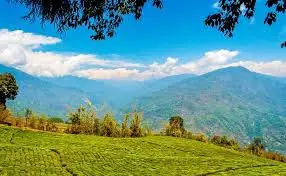
The Tholung trek offers you the unique combination of Himalayan views, forest drives, and exposure to culture. Located in North Sikkim's Dzongu, the trek leads you to the famous Tholung Monastery, a sacred monastery that holds great religious and cultural importance. Walking along the trail will take you through thick jungles, mountain streams, calm valleys, and the pristine wilderness. Whereas the standard treks focus on the high mountain landscape, Tholung is a trek that combines the cultural landscape of the eastern Himalayas. This walk is particularly attractive to those who have an interest in local customs, woods, and obscure places. If possible, visit in dry weather, as a few sections can be muddy and quite steep after rain. The Dzongri is sensitive and visited only by locals. To trek here, one must prearrange through a licensed local operator, adhere to village customs, and have Tibet/region permits in place before traveling to Tibet.
8. Dzongri Goechala Trek
STARTING POINT: Yuksom, West Sikkim
ENDING POINT: Goechala viewpoint area via Dzongri, depending on the permitted itinerary
DIFFICULTY LEVEL: Difficult
TREK DISTANCE: Approximately 80–100 km round trip, depending on the itinerary
BEST SEASON: April to May and October to November, subject to current trail conditions
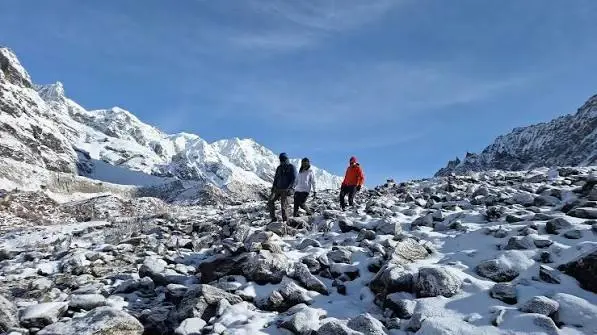
This is a trek that is meant for those people who would love to see the scenic beauty of the Dzongri trek along with the high mountains and awe-inspiring views of the Goechala trek. Starting from Yuksom, the trail traverses forested mountain hamlets and charming camping sites before reaching Dzongri. Once there, the trail offers sweeping views of mountain scenery before heading on, where allowed, towards the Thansing and Goechala viewpoint region. The best thing about this trek is the terrain, which keeps changing throughout the trek, and you will pass through green forests to alpine meadows, mountain slopes, and Himalayan views. It is a trek with challenging climbs, breathtaking photos, and spectacular scenery. Due to the height, the distance, and the unpredictable weather, this trek necessitates good fitness levels and prior trekking experience. The trekker should also take into consideration any travel restrictions prior to accessing beyond the viewing points and adhere to the approved trek route.
9. Kanchenjunga South Base Camp Trek
STARTING POINT: Yuksom or another authorised access point, depending on the approved itinerary
ENDING POINT: Designated southern base-camp area or permitted viewpoint, subject to access restrictions
DIFFICULTY LEVEL: Difficult to Very Difficult
TREK DISTANCE: Varies according to the approved route and itinerary
BEST SEASON: Depends on route access, with spring and autumn generally considered favourable trekking periods
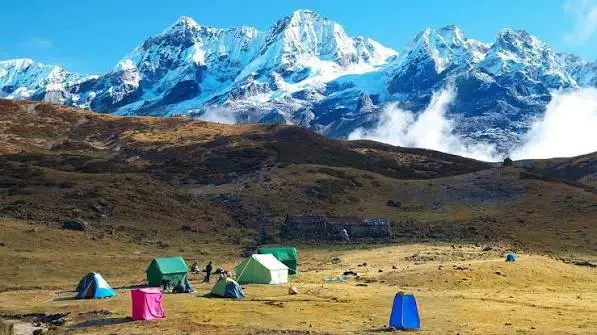
The Kanchenjunga South Base Camp Trek is related to the awesome mountain scenery of the southern flank of the Kanchenjunga region. The trek not only provides insight into isolated valleys and forested mountain slopes but also alpine country and majestic views of the Himalayas. You may be walking for many hours in high mountain passes, with increasingly unpredictable weather conditions. Trekkers will enjoy solitude and wild natural landscapes, and the remoteness of the mountains is another highlight. For seasoned adventure travelers, this is a chance to enjoy the grandeur of the Eastern Himalayas. The southern Kanchenjunga approach routes may have specific access considerations and cannot be taken for granted as being available or the same as the northern base-camp route. Visitors need to ensure the itinerary they are considering is allowed and that they can obtain all the necessary permissions, local advice, and conservation rules before embarking on the expedition.
Tips for Trekking in Sikkim
Check the weather forecast before starting your trek.
Acclimatise gradually to avoid altitude-related illness.
Choose a trek according to your fitness and experience.
Carry sturdy, comfortable trekking shoes.
Pack warm layers, waterproof clothing, and wind protection.
Carry enough drinking water and high-energy snacks.
Bring a basic first-aid kit and essential personal medication.
Follow your trek leader's instructions and local regulations.
Confirm permits and protected-area access before travelling.
Carry appropriate camping and navigation equipment when required.
Avoid trekking alone on remote or high-altitude routes.
Learn the warning signs of altitude sickness and descend if symptoms worsen.
Respect local traditions, communities, and sacred places.
Avoid littering and follow Leave No Trace principles.
Keep emergency contacts and a suitable communication plan.
Conclusion
These treks that are at high altitude will surely provide one of the most thrilling adventures of the eastern Himalayas. Starting from Goechala Trek, which is the most iconic trek of the region, to the Dzongri Trek, Green Lake Trek, Tholung Trek, and the Kanchenjunga Trek, these treks explore different facets of Sikkim. These treks feature stunning mountain summits, wilderness, lush forests, high meadows, and jagged valleys. The Dzongri Trek may be a good choice for trekkers looking for fantastic Himalayan panoramas on a shorter itinerary, but the Goechala and Dzongri Goechala routes are more strenuous. Green Lake and some of the Kanchenjunga treks require more planning because of their remoteness and sensitive access. In conclusion, when considering a trip of any high elevation in Sikkim, preparation and a bit of research can go a long way! Pick the right route, give yourself time to adapt, bring the right gear, obey local laws, and travel with a qualified guide! Sikkim is an adventure lover's paradise that has breathtaking mountain landscapes, an incredible culture, and mind-blowing trekking locations. It is the kind of holiday you'll never forget for those who love to trek the Himalayas in an eco-friendly manner.
...