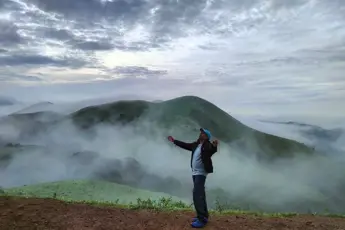
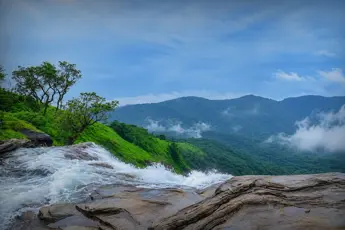
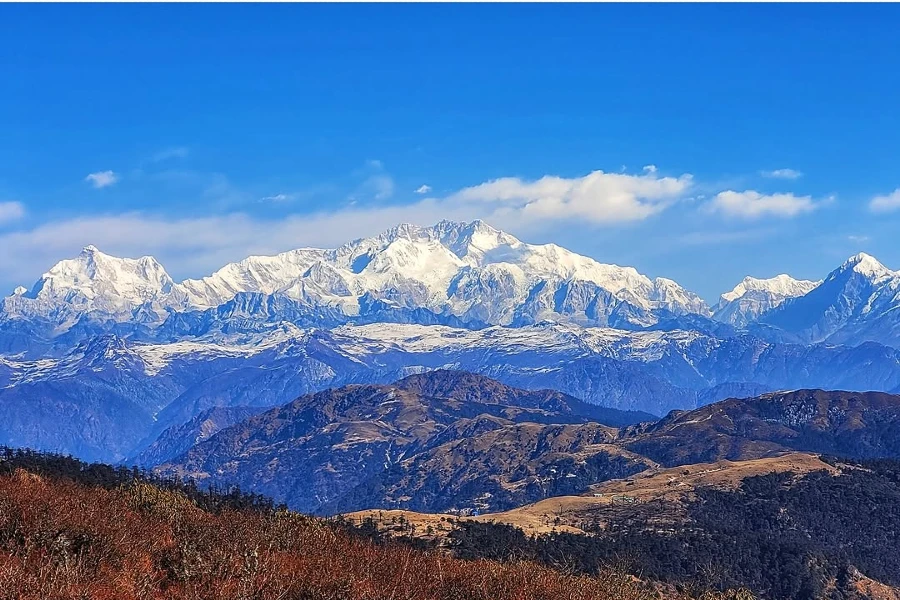
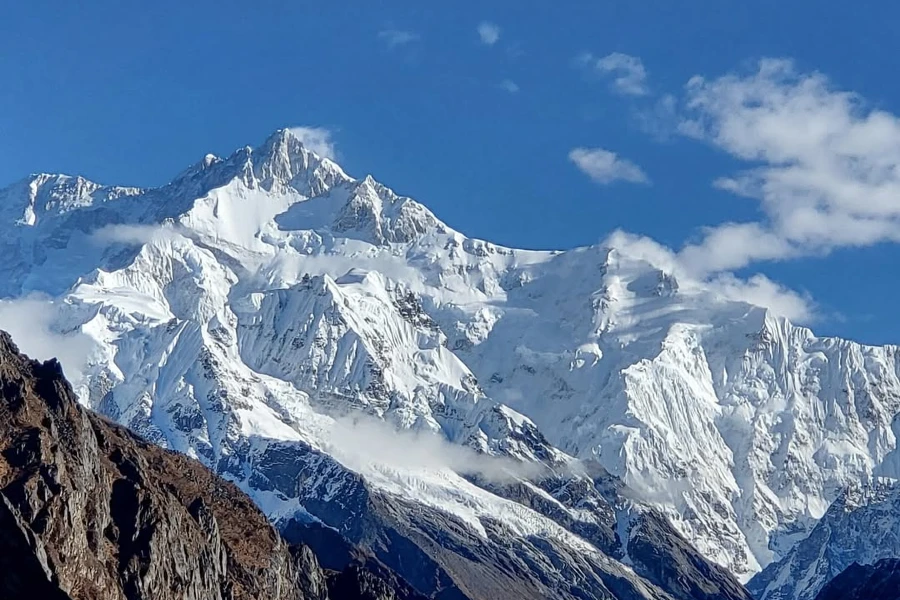
Sikkim is among the most fantastic trekking destinations in the eastern Himalayas, with forested slopes, mountain vistas, meadows, glacial valleys, and the awe-inspiring sight of Mount Kanchenjunga. There are challenging high-altitude trips, tranquil walks through the woods, and ridge walking routes for those who prefer a more relaxed adventure in a natural setting. For trekking lovers or beginners who love to trek and want to trek to Kanchenjunga, all trails in the region are excellent. Whether you want to reach Kanchenjunga basecamp or explore rhododendron forests and mountain views and soak in the culture, the region has everything to make trekking wonderful. We have categorized the top treks in Sikkim in this guide into four sections: high-altitude treks in Sikkim, Kanchenjunga treks, treks for beginners in Sikkim, and treks in Sikkim in the Alps to give you a clear picture of each and to allow you to choose a trek based on your fitness level, experience, time, and season. Once you have finished treks in Sikkim, you can compare more routes across our Himalayan Treks.
Table of Contents
Introduction
Exploring the Best High-Altitude Treks in Sikkim
Exploring the Best Kanchenjunga Treks
Exploring the Best Beginner Treks in Sikkim
Exploring the Best Alpine Treks in Sikkim
Tips for Trekking in Sikkim
Conclusion
Exploring the Best High-Altitude Treks in Sikkim
Trekking in Sikkim at high altitude in Sikkim will take you through the most mesmerizing terrain of the eastern Himalayas. Trekking in Sikkim can take you through mountain slopes and distant mountain valleys to mountain bases or through rough terrain for mountain campsites to experience spectacular views of the Himalayan peaks. Trekking can require intense acclimatization to altitude with proper conditioning and a local escort. We have unpredictable weather in the high-altitude area; some routes may be taken for a short duration, and there are restrictions on which doors are open. Ask about the route in advance before you gain access, confirm it is open to your nationality before you start hiking, and verify your admissibility to depart for such routes. If you want higher passes and thinner air, compare this trek with our High Altitude Treks in Sikkim.
1. Goechala Trek
STARTING POINT: Yuksom, West Sikkim
ENDING POINT: Goechala viewpoint, or the permitted turnaround point, followed by a return to Yuksom
DIFFICULTY LEVEL: Difficult
TREK DURATION: Commonly around 8–11 days, depending on the itinerary
BEST SEASON: Generally spring and autumn, subject to weather, snow, and local access
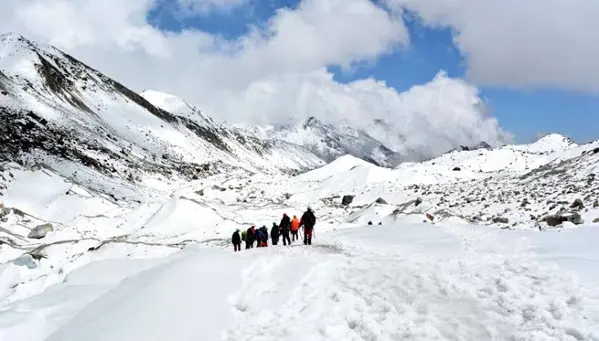
The Goechala Trek is one of the most popular high-altitude treks in Sikkim. It is a well-known trek among trekkers for thrillers and breathtaking views of the Kanchenjunga massif, alpine scenery, and high mountain challenges. Starting from Yuksom, the trek generally passes through forests, suspension bridges, mountain streams, and campsites amidst the pristine Himalayan terrain. Around the same time as you head towards Dzongri and the viewpoints higher up, the ascent takes you into the transition from dense forest to more open, alpine environments. The sight of sunrise on Kanchenjunga from the viewpoint, with the surrounding peaks bathed in a golden and orange glow, is one of the highlights. The trek may also feature some stops at scenic locations, including Tshoka, Dzongri, and Samiti Lake, as per the itinerary and the allowed route. It's also a trek of steep ascents and descents, cold nights, weather variability, and altitude, thus necessitating proper preparedness. The Goechala Trek suits those with some hiking background and high endurance to experience the majesty of the Eastern Himalayas. For an unforgettable high-altitude adventure with stunning views of the Kanchenjunga range, explore our Goechala Trek package.
2. Green Lake Trek
STARTING POINT: Usually the Lachen area, with the exact approach depending on permissions and expedition arrangements
ENDING POINT: Green Lake area, followed by a return along the designated route
DIFFICULTY LEVEL: Very Difficult / Expedition-level
TREK DURATION: Varies considerably with the itinerary and access arrangements
BEST SEASON: Traditionally spring or autumn, subject to expedition approvals and conditions
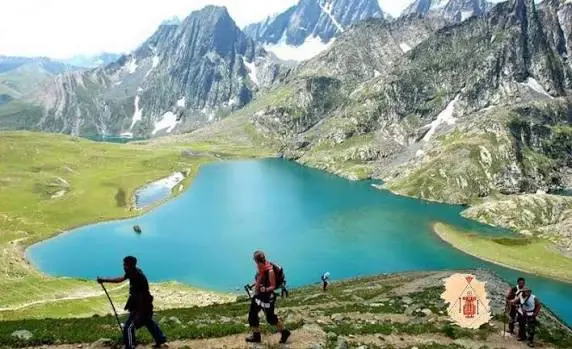
Green Lake Trek is a remote and tough Himalayan trek that is focused on the northern aspect of the Kanchenjunga region. The trek is suitable for experienced trekkers looking for a wilderness experience with the amazing mountain scenery of North Sikkim and the landscape of the Zemu Glacier region. More remote and less well-used than many trekking routes, the Green Lake trek necessitates thorough logistical planning. The countryside is potentially harsh and dangerous; the weather can change suddenly, and access is limited by government restrictions and local policies. You will pass through forested valleys, glacial terrain, and remote camp sites while soaking in the mountain views. As this area is remote, this expedition is a good option for a more experienced adventurer but not suitable for the faint-hearted. Good support, a knowledgeable expedition leader, proper gear, and a well-designed acclimatization schedule are vital.
Note: Always check with authorities before planning this trek on current access restrictions, and expedition permissions and availability can never be assumed from previous itineraries.
3. Kanchenjunga Base Camp Trek
STARTING POINT: Depends on the approach; northern routes are associated with the Lachen region
ENDING POINT: Designated base-camp area, where access is permitted
DIFFICULTY LEVEL: Very Difficult
TREK DURATION: Depends on the route, permits, and expedition plan
BEST SEASON: Route-dependent; spring and autumn are traditional trekking periods
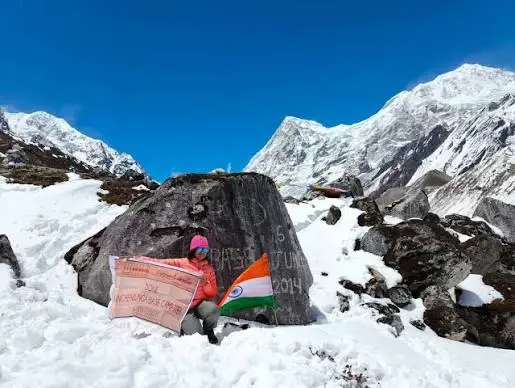
Kanchenjunga Base Camp Trek Introduction: Kanchenjunga is definitely a tough mountain trek for trekkers who would like to explore the wilderness terrain of the Himalayan range as well as the enormous height of the third-highest mountain in the world. The word 'Kanchenjunga Base Camp Trek' can be easily confused with treks to other places around the great, huge massif. The trip to Pangpema via the north features glacier valleys, steep mountain walls, and pristine wilderness. The views are stunning, but it requires meticulous planning and a marathon trek across rugged mountain terrain. Expect high altitude, extreme conditions, and minimal facilities, and likely access changes when planning a trekking trip. Permits and/or external expedition specialists may be required, depending on your chosen route. This is a trek suitable for experienced mountain trekkers experienced with remote expeditions. Find out the exact base camp, route, and access, and confirm that access is permitted before booking. Ensure that the itinerary you have planned is that it is permissible at the time. Do not use the "Kanchenjunga Base Camp Trek" as a blanket term.
4. Kanchenjunga South Base Camp Trek
STARTING POINT: Yuksom, West Sikkim, for the traditional southern approach
ENDING POINT: A permitted southern viewpoint or designated endpoint, followed by a return
DIFFICULTY LEVEL: Difficult
TREK DURATION: Depends on the itinerary and authorized access
BEST SEASON: Generally spring and autumn, subject to local conditions
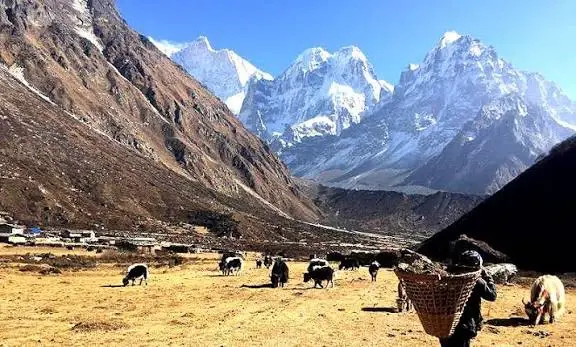
The Kanchenjunga South Base Camp Trek takes you along the southern flank of the Kanchenjunga massif and is perhaps best known as the route to the Oktang viewpoint. This route provides an alternative perspective of the mountain compared to the more popular northern approaches and is renowned for its spectacular scenery at high altitude. From Yuksom, the traditional trail winds through forest paths, mountain camps, and the Dzongri region before heading to upper elevations where the weather and regulations permit. In the course of the journey, the trekker will cross rhododendron forest, mountain tundra, and dramatic vistas of the peaks. This trek not only provides some serious physical challenges but also some of the most magnificent mountain scenery. The amount of ascent, long walking days, and the likelihood of snow at high altitude and unpredictable weather mean that some reasonable fitness and acclimatization are essential. While the route might be treated as a base-camp walk, getting to the end point may differ. Always check which route is open to you and where you can turn around before setting out, and always take a guide.
5. Dzongri Goechala Trek
STARTING POINT: Yuksom, West Sikkim
ENDING POINT: The designated Goechala viewpoint or authorized turnaround point, followed by a return to Yuksom
DIFFICULTY LEVEL: Moderate to difficult, depending on the itinerary
TREK DURATION: Commonly around 6–10 days, depending on the route
BEST SEASON: Spring and autumn, subject to trail and weather conditions
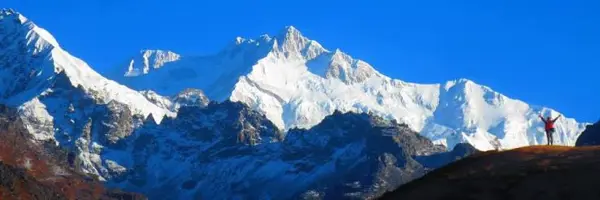
This Dzongri Goechala Trek is a perfect fusion of the scenic beauty of the Dzongri area and majestic mountain views on the Goechala route. This trek would be ideal for those trekking enthusiasts who wish to explore the woods, alpine meadows, and mighty mountainscapes of western Sikkim. Starting from Yuksom, trek up through the forested hills and traditional mountain landscapes to Dzongri, which happens to be one of the most recognized viewpoints in the whole area. On crystal-clear mornings, the Himalayan summits in the area offer a mesmerizing view. A longer version may head to higher viewpoints along the Goechala trek. What attracts you to this trek is the ever-changing scenery: the green fields, greenery, wooden bridges, and crumbling roads, away from the cultivated surroundings into the mountainous slopes and alpine habitat. The trek will give you an opportunity to see nature in the Kanchenjunga area. Given the altitude and trail conditions, the last stages may be challenging, so you should train for that purpose before you leave. Also, you must adapt to the atmosphere slowly, according to a tiered schedule. Verify the itinerary to see if it consists solely of Dzongri or extends to Goechala.
6. Kasturi Orar Trek
STARTING POINT: Depends on the authorized itinerary and route arrangements
ENDING POINT: Designated exit point under the approved trekking plan
DIFFICULTY LEVEL: Difficult
TREK DURATION: Varies with the route and expedition plan
BEST SEASON: Traditionally associated with suitable spring or autumn conditions; confirm locally
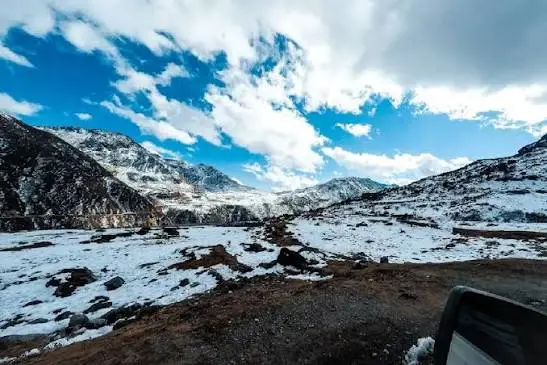
The Kasturi Orar trek is a part of the trek route in other parts of the Kanchenjunga area and can be a part of a trek route seen by most trekkers wanting to explore the less traveled paths of the remote parts of the Himalayas. The trail is usually described in terms of high-mountain terrain, jungles, open spaces, and broad vistas of the Himalayas. The appeal is for the experience of being in a remote location as well as a taste of the less well-known terrain of trekking in Sikkim. Walk days can be long on some legally designated routes, rough underfoot, and for some periods facilities may be few and far between. Always check the route details and access conditions beforehand; routes may vary between operators and old trekking accounts. Do not assume that the trek is currently open or that a given itinerary is still available. The Kanchenjunga Trek should be undertaken with local guides who know the terrain well, with suitable equipment, and a good understanding of the physical capabilities needed to undertake the trek.
Exploring the Best Kanchenjunga Treks
Kanchenjunga trek is the biggest highlight of Sikkim. Beautiful high mountain ranges, evergreen forests, expansive valleys, and villages are sprinkled in between, making it an ideal mix for trekking lovers to trek and explore the amazing Himalayan views. Kanchenjunga trekking can be tough or easy. It can be a trek to a place with spectacular views or a trek to isolated areas where you will be walking at high altitudes. Make sure you know the specific trek and how easy it will be to access. For views of the world’s third-highest mountain, see our Kanchenjunga Treks in the eastern Himalayas.
1. Dzongri Trek
STARTING POINT: Yuksom, West Sikkim
ENDING POINT: Dzongri viewpoint or designated campsite, followed by a return
DIFFICULTY LEVEL: Moderate to Difficult
TREK DURATION: Approximately 5–7 days, depending on the itinerary
BEST SEASON: Generally spring and autumn, subject to weather and access
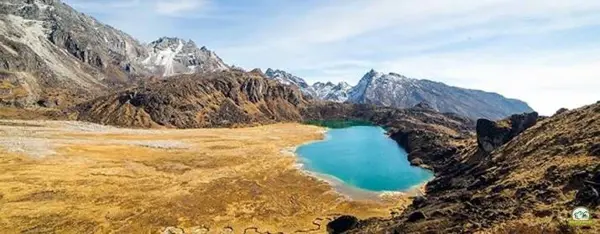
The Dzongri Trek is perhaps the most popular trekking route in Sikkim for those who want to experience the beauty of the Kanchenjunga region without hiking to the ascent of Goechala. This is a beautiful trek that takes you through forest trails, hilltop camps, mountain pastures, and breathtaking Himalayan vistas. The trek generally begins from Yuksom and meanders its way on a gradual climb through the forests. For many portions, the trek is through the forest after Yuksom and then Tshoka, and afterward reaching Dzongri. During the trek, it is common to see Rhododendron forests, streams, and mountain views. The Dzongri viewpoint is a highlight on the trek. On a clear day, you get stunning views of Kanchenjunga and other surrounding peaks. It's magical to see the mountains bathed in early morning light. Although not as long as some of the great Himalayan ascents, the altitude gains, big technical sections of climbing, and number of days you'll be on the mountain make this relatively physically demanding. The trek is suitable for reasonably fit trekkers who are experienced walkers who have trained for consecutive days walking and have completed a good acclimatisation programme.
2. Tholung Trek
STARTING POINT: The authorized trailhead in the Dzongu region, depending on the itinerary
ENDING POINT: Tholung Monastery or the designated endpoint, followed by a return
DIFFICULTY LEVEL: Moderate to Difficult, depending on conditions
TREK DURATION: Varies according to the chosen itinerary
BEST SEASON: Confirm locally, particularly around seasonal access and monastery arrangements
Unlike the Goechala Trek and the Dzongri Trek, the Tholung Trek begins in the culturally beautiful district of Dzongu in North Sikkim. The Tholung Trek is dense with forest, good mountain air, and a real sense of Buddhist atmosphere. The journey will take you through thick growth, mountain streams, and silent valleys. The highlight of the trek is Tholung Monastery, which is considered a sacred point of interest where sacred items and treasures are kept. Unlike most other mountain treks, which are mainly concentrated on a tall mountain viewpoint, the Tholung trek allows trekkers to understand the interplay between nature, culture, and spirituality in Tholung. Tourists can also enjoy forest views and the serenity of the trip. Make sure to inquire about the trail conditions, permissions needed for the area, and what arrangements need to be made to visit the monastery. It is also important to know the route of the trek and the weather you will be trekking in.
3. Yuksom Trek
STARTING POINT: Yuksom, West Sikkim, or a nearby designated trailhead
ENDING POINT: Depends on the selected route
DIFFICULTY LEVEL: Easy to Difficult, depending on the itinerary
TREK DURATION: From a short hike to several days
BEST SEASON: Generally spring and autumn for many established routes, subject to conditions
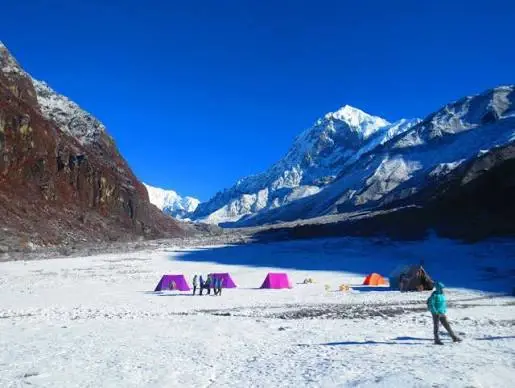
It is among the prominent trekking gateways in Sikkim. The historic town with lush hills, forested slopes, and mountain landscapes is the launching pad for some of the famous routes from the Kanchenjunga area. Yuksom Trek does not only denote a single, specific trek. Instead, the name can be used to describe several different walking routes and excursions originating from the village of Yuksom itself or around the village. A more modest excursion can be done, for example, to enjoy the hill's scenery, but the longer journeys roll up into the mountains to reach destinations such as Dzongri and Goechala. A must-visit place in Yuksom for its rich history and traditional ambience. Yuksom is said to have gotten its name after the crowning of Sikkim's first Chogyal. While many of the surrounding trails have a mixture of forest scenery, mountain streams, village scenery, and plenty of opportunities for nature photography, a shorter guided walk is a good way to get your first taste of the outdoors in Sikkim if you're a novice. Longer mountain routes are much more demanding with regard to fitness, planning, and acclimatisation. Clarify the route, distance, time, and level of difficulty, not just the coarse name.
Exploring the Best Beginner Treks in Sikkim
Sikkim offers beautiful forest walks and ridge trails that can be the starting point for Himalayan trekking for first-time walkers. Rhododendron forests, village scenery, hilly terrain, and mountain vistas make these trails attractive to many first-timers. But that doesn't mean that a trek that is easy for a beginner is easier in every season. Some treks require steep ascents, remote areas, or high altitudes. Beginners should opt for shorter trips, get in shape and opt for a trek within their capabilities. New to the mountains? Our Beginner Treks in Sikkim are a gentler way to start before a Kashmir trek.
1. Barsey Rhododendron Trek
STARTING POINT: Hilley, West Sikkim
ENDING POINT: Barsey (Varsey) Rhododendron Sanctuary, with a return along the trail
DIFFICULTY LEVEL: Easy to Moderate
TREK DURATION: Usually a day hike or a short overnight itinerary
BEST SEASON: Spring, especially during the rhododendron flowering period
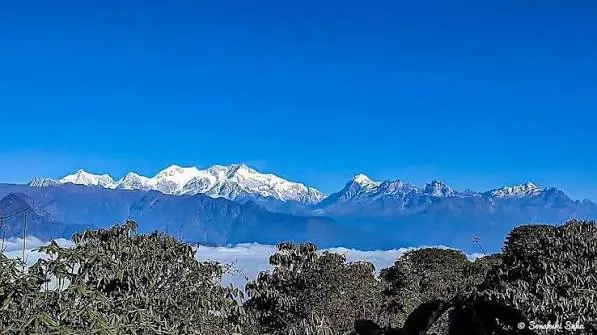
The Barsey Rhododendron Trek is a fantastic way for travel enthusiasts who want to discover the breathtaking nature of Sikkim without the risk of a difficult high-altitude trek. The trail takes travelers through the Barsey, or Varsey, Rhododendron Sanctuary, which boasts dense forest flora and seasonal blooms. In spring, you will be treated to the sight of bright red, pink, and other colored rhododendrons straddling certain parts of the trail. Forest, fresh mountain air, and the occasional Himalayan viewpoints make this trail an ideal trek for nature buffs and shutterbugs. This trek is also a good experience for visitors wishing to take a tranquil walk through forested areas instead of traversing mountain passes. On a clear day and with good visibility, the region below the trail provides a view towards the Singalila range and the wider Himalayan region. The trek's length and difficulty will vary depending on the route and how you organise your start. Good trekking shoes, water to drink, light layers, and rain gear can all come in handy. If flowers are a must, find out if it is the right time to visit before planning your trip.
2. Varsey Trek
STARTING POINT: Hilley or another recognized access point, depending on the route
ENDING POINT: Varsey and the designated return point
DIFFICULTY LEVEL: Easy to Moderate
TREK DURATION: Generally a day hike or a short overnight trip
BEST SEASON: Spring for rhododendrons; other seasons depend on weather and trail conditions
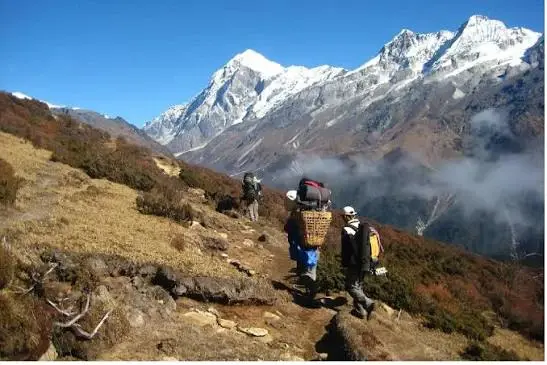
Varsey Trek is a beautiful forest trek in West Sikkim, which is ideal for nature lovers, peace seekers, and those who love flowers in different seasons. The Varsey trek is also called Barsey Trek. Varsey is a spelling of Barsey, and this trek is likewise related to Barsey Rhododendron Sanctuary. The walk winds through delightful woods which look different with the changing seasons. Spring is particularly beautiful when the rhododendron flowers bring colour to the trees. At other times, the route should still appeal to walkers looking for leafy surroundings, wildlife and tranquil mountain views. Since the standard itinerary length is modest, Varsey appeals to first-timers, families with average fitness and those who want a laid-back experience outdoors. It also forms part of a wider West Sikkim tour, along with sites in the nearby area. Despite being classed as a beginner walk, some of the track can be uneven and slippery after rainfall. Allow for extra time when walking back and respect local advice about access to tracks. Either Barsey Rhododendron Trek or Varsey Trek can be used as a trek destination. Sometimes they refer to the same trek, and in some cases, the Varsey Trek is a trek en route to the Barsey Rhododendron Trek.
3. Sandakphu Trek
STARTING POINT: Manebhanjan or another designated trailhead, depending on the itinerary
ENDING POINT: Sandakphu, with return or onward travel arranged according to the route
DIFFICULTY LEVEL: Moderate; some itineraries are more demanding
TREK DURATION: Commonly around 4–7 days, depending on the route
BEST SEASON: Spring and autumn are popular, subject to weather and access
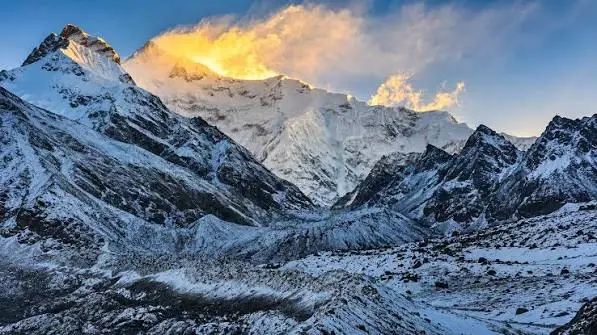
The Sandakphu Trek is the most popular for expansive views of the Himalayan mountain ranges and mountain ridges. Although Sandakphu is strongly linked to the Singalila region of the Darjeeling Himalayas, West Bengal, the region is of interest for trekking holidays more broadly in Sikkim and the wider Eastern Himalayan region. Trekking in Sandakphu involves walking through lush forests, mountain villages, undulating hills, and open ridgelines. Sandakphu offers one of the best views of a number of significant Himalayan summits, including Kanchenjunga and, on clear days, Everest region summits. The landscape varies on this trip, with the woods opening out to expose the mountain horizon on much of the route, and the reality of seasonal flowering and autumn clear weather conditions in the landscape. Sandakphu is achievable by reasonably fit first-timers if they plan accordingly and are prepared to walk for many days in a row. However, it has ascents, can be cold, and can be long, so it is not an easy first walk. In addition to that, make sure you double-check the exact trail and the starting point. Since Sandakphu is not a trek completely in Sikkim, if you want an exclusively Sikkim-based itinerary, then you must opt for the Barsey or Varsey trails. Looking for panoramic views of the Himalayas? Explore the Sandakphu Trek for stunning views of some of the world's highest mountain peaks Sandakphu Trek
Exploring the Best Alpine Treks in Sikkim
Alpine treks are the ultimate ridge walks through high open grasslands, forest paths, and some of the most panoramic views of snow-covered peaks. These treks are excellent for trekkers who love dramatic scenery, great photo moments, and the experience of walking above the local valleys. Conditions can change considerably depending on the time of year and elevation. Easy access trails and more challenging trails that require local knowledge and pre-planning. Fans of Kashmir’s alpine lakes and meadows can compare them with our Alpine Treks in Sikkim.
1. Singalila Ridge Trek
STARTING POINT: Manebhanjan or another designated trailhead, depending on the itinerary
ENDING POINT: Depends on the selected route along the ridge
DIFFICULTY LEVEL: Moderate to Difficult
TREK DURATION: Varies according to the route and itinerary
BEST SEASON: Generally spring and autumn, subject to weather conditions
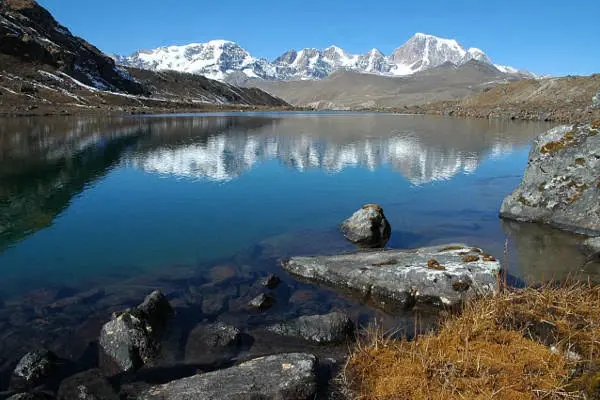
Singalila Ridge Trek is famous for its wide mountain scenery and the unique scenery of the Eastern Himalayas. The Singalila region, situated along the border between Nepal and India, is accessible through trekking trails that provide panoramic views of the Kanchenjunga massif and the mountains of the Eastern Himalayas. The trail traverses forested hills, open ridges, and mountain villages, as well as highland landscapes. From high mountain viewpoints, on good weather days, visitors can often get a sense of the size of the mountain ranges. Spring is especially lovely for its seasonal blooms and new growth, and autumns are generally good for visibility. Changing landscapes make this an ideal region for nature lovers and landscape photographers.
Difficulty: The level of difficulty also varies according to the itinerary, the elevation gain, and the number of trekking days. Some treks can be very walking-intensive, with a lot of up and down; it is advisable to be fit.
Note: Singalila Ridge is mostly referenced as being a Darjeeling-Nepal border area, rather than for Sikkim specifically. If this is your focus, consult the accurate route and entry requirements.
2. Singalila Pass Trek
STARTING POINT: Depends on the specific route and authorized trailhead
ENDING POINT: Designated endpoint on the selected route
DIFFICULTY LEVEL: Moderate to Difficult, depending on the itinerary
TREK DURATION: Varies by route
BEST SEASON: Confirm locally; spring and autumn are traditional periods for many regional treks
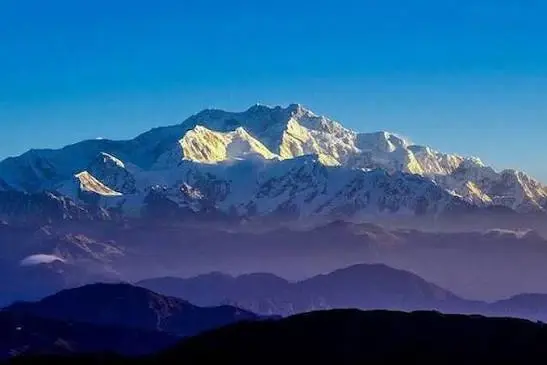
The Singalila Pass Trek is ideal for those who love high-altitude terrain, mountain ridges and spectacular scenery of the Eastern Himalayas. The Singalila region is also known to feature routes used in conjunction with trekking in the wider Singalila region, which may involve forested slopes, open mountain areas, and mountaintop viewpoints to the valleys. Experience is determined by the elevation and climate. Depending on the trail, trekkers will pass through forested trails and open ridges with views of far-off Himalayan summits. The veil of mountains, the ever-moving clouds and the play of morning light all combine to make this walk very pleasing for the camera. It also exhibits the changing vegetation throughout the season and the offbeat mountain walking. Since the name can be linked to various itineraries, please clarify the specific pass, trailhead, route length, and access details before making your reservation. Please do not assume every route carrying the name Singalila Pass Trek is a trek of equal length and/or approved as a corridor of travel in Sikkim.
3. Phoktey Dara Trek
STARTING POINT: Depends on the selected itinerary and local access
ENDING POINT: Phoktey Dara viewpoint or the designated turnaround point
DIFFICULTY LEVEL: Moderate to Difficult, depending on the route
TREK DURATION: Varies according to the itinerary
BEST SEASON: Generally spring and autumn, subject to local conditions
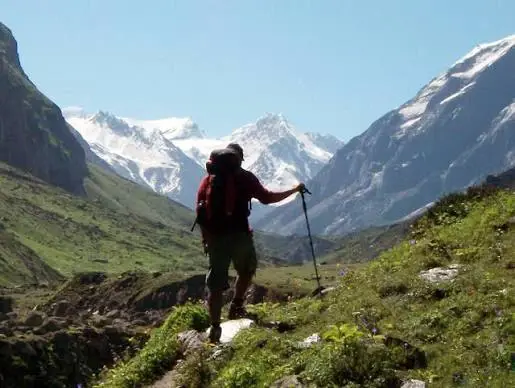
A tempting alternative for trekkers seeking mountain scenery and the peaceful trekking paths of the Eastern Himalayas. Phoktey Dara, a hamlet in the Singalila region, is noted for its lofty vantage points and extensive mountain views. The path will provide you with an opportunity to walk along the wooded slopes and ridge terrain, and appreciate the natural beauty of the surrounding highlands. The vantage point would be one of the most preferred viewing point by the tourists to wake up early in the morning and watch the sunrise over the Himalayan range, conditional to weather. Generally, the route is most appealing due to the landscape that it covers and not for any one particular feature. On certain routes (but not all), you will pass through woodland, open hill slopes, and have views of the mountains. Although the trek could be featured in numerous comprehensive guides to Sikkim and the Eastern Himalayas, do confirm the specific routes and entry points when planning. Choose a trip that suits your fitness and experience, and travel with a local guide if possible.
Tips for Trekking in Sikkim
Choose a trek based on your fitness level, experience, available time, and comfort with high-altitude conditions.
Research the route carefully and confirm whether it lies within Sikkim or the neighboring Darjeeling–Singalila region.
Check current permits, protected-area restrictions, and local access rules before making travel arrangements.
Plan your trip during a season suitable for the selected route, and confirm current trail conditions.
Build stamina through regular walking, hiking, stair climbing, and cardiovascular exercise before departure.
Allow enough time for gradual acclimatization on high-altitude treks.
Carry sturdy trekking shoes with good grip for uneven trails, rocky sections, and steep ascents.
Pack layered clothing, thermal wear, a warm jacket, waterproof outerwear, gloves, and suitable rain protection.
Conclusion
Best treks of Sikkim. Among the Himalayan states of the region, Sikkim stands out in its variety of treks – the opportunity to encounter both jungle scenery and snowy mountainscapes at several levels. The Goechala Trek and Dzongri Trek are excellent treks for mountain views, and the Green Lake trek and Kanchenjunga base-camp treks are the best for remote Himalayan scenery (with permissions). If you want more leisurely walk, you may consider to go on indulge in the mountain scenery of the Barsey Rhododendron and Varsey Treks which can be explored during the blooming season. If you want to do the around Eastern Himalayan region, you may want to give a try for the Sandakphu and Singalila trail, but these are more like along Darjeeling-Nepal border than Sikkim. The best trek for you will, of course, depend on your level of fitness, experience, what scenery you prefer, how much time you have, and when you are planning to go. Beginners are advised to take easier routes. Now go to verify permits, trail availability, climate, and the latest affordable plan with dependable native sources. With the whole lot nicely planned and respecting mountain hills, you possibly can have a memorable trek experience.
...