


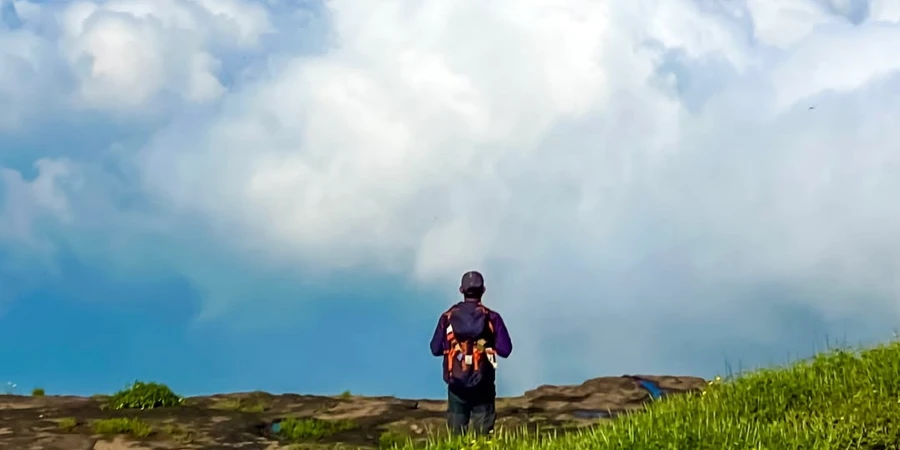
Up high in Himachal Pradesh, the quiet Parvati Valley holds the Kheerganga Trek - one of India's finest mountain walks, just right for first-timers or anyone who likes trees, streams, and open skies. Starting near Barshaini village - about twelve kilometres past Kasol - the trail slips into a hushed land shaped by tall pines, rushing falls, creaky wood bridges, and small hillside homes tucked between slopes. Roughly half a day’s steady walking blends wild scenery with glimpses of village life, stitching together challenge, green calm, and human warmth without trying too hard. At the end lies what makes this place stand out: a wide grassy field under a sky so clear it feels close enough to touch, ringed by peaks dusted in snow and soft cloud folds that shift like breath. Up near the peaks, travellers head to a famous warm spring known as Parvati Kund once they finish the steep climb. Warmth rises from the sulfur-rich waters, meeting crisp mountain air, creating a soothing shift few forget. This spot - now central to any visit - is hard to skip for anyone making the journey.Stories say this stretch of the Himalayas holds deeper roots; legend links it to Kartikeya, child of Shiva and Parvati, who stayed here deep in meditation ages ago. That history shapes the name: Kheerganga splits into parts meaning "milky white sacred water," pointing toward clarity and spiritual strength. Reaching the summit brings more than just quiet - it offers makeshift cafes, shelters made of cloth, places to sit while looking out over sweeping valleys, eating heated food under open skies. Warm light fills the sky each evening, while stars shine bright overhead - this spot earns its quiet fame among Himalayan escapes. With trails that challenge just enough, layers of local tradition woven through villages, plus wild scenery at every turn, Kheerganga pulls in those drawn to highland walks, beginners testing their stride on steep paths, or lens-carrying wanderers chasing moments mountains alone can give. Trekkers looking for scenic Himalayan trails and camping experiences often choose our Kheerganga Trek Package.Nearby Places to Visit KheergangaBarshaini: Tucked among tall deodar trees, Barshaini rests quietly where the Parvati River joins the Tosh - this peaceful meeting of waters draws travellers in. Though just a tiny settlement, it holds its own with calm beauty and soft forest light. Before heading up toward Kheerganga, many pause here simply to breathe. A stillness runs through the place, broken only by river sounds and wind in the high branches.Tosh Village: Tucked beside Barshaini, Tosh draws eyes with snug wooden homes sitting among apple trees heavy with fruit. Snow-topped peaks rise quietly in the distance, framing everything like a quiet thought. Cafés here move slowly, serving warmth without fuss. A place where walking feels natural, almost by accident. Snapshots come easy when every turn holds another view worth remembering. Culture shows up in small gestures, never announced. Time moves more softly between these hills.Manikaran Sahib: Down a quiet valley near Kasol lies Manikaran, tucked six kilometres away. Hot springs bubble here where pilgrims gather. A gurdwara rises beside steamy waters under open skies. The walk brings tired legs; the place gives calm air. History hums softly through stone and stream. Rest follows effort when you reach this spot. Past meets present without saying much.Kasol: Kasol might just come up if you’re chatting about places where backpackers hang out. Known by some as India’s little slice of Israel, it hums with energy. You’ll find small cafes tucked between paths leading down to riverbanks. Markets pop up now and then, selling odd trinkets and snacks. Foot trails wind alongside flowing water, inviting strolls without hurry.Best Time to Visit KheergangaSummer (March to June): When summer arrives, March through June brings steady sunshine. Sunshine means easier conditions, so new visitors often pick this time. This stretch suits first-timers because paths stay clear. Trails don’t get rough under warm skies. Warm days mean less gear, fewer surprises. Fewer challenges pop up when the rain stays away.Monsoon (July to September): Heavy downpours soak the valley between July and September, painting everything lush and bright. When skies open up, though, trails turn slick underfoot, turning a walk into something risky. Those who know how to move through wet terrain might find quiet magic here during these months. Newcomers ought to wait - mudslides shift without warning when rain pounds too long.Winter (October to February): When October arrives, frost paints the hills white overnight. Cold gusts sweep through valleys where silence feels thicker. Between five and ten degrees Celsius defines these months - neither mild nor extreme. Snow drapes forests like a slow breath held too long. Morning light glimmers on icy branches without warning.How to Reach Kheerganga TrekBy Airport: Bhuntar Airport near Kullu-Manali sits nearest to Kheerganga, about 32 kilometres from Kasol, 25 from Barshaini. Taxis show up easily. Buses too. Getting onward travel works without hassle.By Train: Trains stop closest at Joginder Nagar - 145 km from Kheerganga - or farther out at Pathankot, sitting 275 km from the trailhead. Getting to Pathankot tends to be smoother, quicker, plus opens up a wider range of next steps. Once off the train, rides by bus or taxi roll through winding highland routes, letting you pass deep valleys before dropping you in Kasol or Barshaini.By Road: Road access leads to Barshaini and Kasol through the Chandigarh–Manali Highway connecting both spots. From cities like Delhi and Chandigarh, Volvo buses often run toward Bhuntar or Manali. Once arriving at Bhuntar, local transport options exist, yet many choose shared rides instead. Taxis wait nearby if you prefer a direct trip to Kasol. The path to Barshaini begins there, marking where the hike kicks off without delay.