

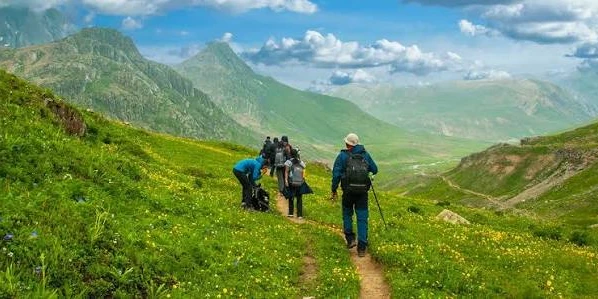
Kashmir Great Lakes Trek: Season, Difficulty, and Who Can Do ItThe Kashmir Great Lakes Trek is one of the most scenic high-altitude treks in India. Trek through the stunning Kashmir Himalayas to explore the magnificent alpine lakes, verdant meadows, mountain passes blanketed in snow, rugged terrain, and serene campsites. The trek offers a feast for the senses at every turn, with strikingly diverse vistas each day. This trek is more demanding than most of the other shorter Himalayan treks, as it involves a number of consecutive days of trekking through the mountains, with a lot of uphill and downhill walking at altitude. While the scenery can mask the effort, this trek is quite demanding in terms of fitness and preparedness. If you are doing this trek, you may find it helpful to know the best season, difficulty, walking per day, and fitness expectations to determine whether it is the right trek for you. This is a step-by-step guide to help you learn all about the Kashmir Great Lakes Trek before you leave for one of the most popular Himalayan treks on Earth.1. Where Is the Kashmir Great Lakes Trek Located?The Kashmir Great Lakes Trek is in Jammu and Kashmir's Kashmir Valley. It is mostly based out of the Sonmarg area and takes a mountain trail over the breathtaking mountain lakes of the Himalayas.The trek is known for its variety of high-altitude lakes, such as:Vishansar LakeKrishansar LakeGadsar LakeSatsar LakesGangbal LakeNundkol LakeThe lakes are set against a background of majestic mountain peaks, lush green grasslands, and dramatic mountain terrain. The color of these lakes will vary with the sun, weather, and terrain. Trail travelling can also involve crossing rivers, steep up-and-down hills, and cross mountain paths, which can be challenging both for the eyes and the body.2. Best Season for Kashmir Great Lakes TrekThe trek is best experienced in the months of July to September. The snow has started to recede from the trekking routes, the alpine meadows are lush green, and the lakes are visible in favorable weather conditions.But each month presents a different trekking journey.Kashmir Great Lakes Trek in JulyTrekking Season: Trekking season starts in July. The mountain sides are slowly melting away and turning the entire destination into a charming, lush green patch.What to expect:Lush green meadows and colorful wildflowers.Snow patches near higher mountain passes.Cool daytime temperatures and cold nights.Occasional rain and slippery sections.Other alpine lakes could be covered with floating ice.July is probably the best time for trekkers eager to be in the mountains' fresh environment and who are prepared for snow cover on some parts of the trail. However, early-season conditions have made some pass crossings more difficult.Kashmir Great Lakes Trek in AugustThe most popular Kashmir Great Lakes Trek month is August for the main reason that by then most of the snow has melted away from the easily accessible trails, and the meadows are lush with grass and wildflowers.What to anticipate:Beautiful green valleys and alpine meadows.Mountain peaks are visible in good weather.Accessible trekking routes, depending on conditions.Pleasant daytime weather and chilly nights.Possibility of occasional rain and thunderstorms.August is a good option if you plan to hike to the lakes, meadows, and mountain terrain, as you can take advantage of the diminishing snow, which should not be so great by August.Kashmir Great Lakes Trek in SeptemberSeptember marks a departure in the landscape. The green gradually turns gold, the skies brighten up, and the landscape takes on an autumn look.What to expect:Yellow and brown hues across the meadows.Beautiful reflections in the alpine lakes.Colder nights and lower temperatures.Greater likelihood of a snowfall at the end of the season.Changing trail conditions depending on weather.The beginning of September is a good season for hiking, particularly if you are a photographer. At the end of September, the weather conditions and snow may be variable, and it might be hard to get into the high passes. Dejarback said the busy trek season usually begins the first week of July through mid-September, but that the specific departure dates are subject to snow and weather, as well as local permits.3. How Difficult Is the Kashmir Great Lakes Trek?The Kashmir Great Lakes Trek is rated moderate to difficult. Although not a technical mountain trek, it is physically demanding due to the long distances that need to be covered every day, high altitudes, and walking on rough terrain. The trek generally encompasses around 70-75 km of trekking days spread out over six to seven days based on our itinerary and the route and locations. Some trekking days may involve a seven- to eight-hour walk. Gadsar Pass, at an elevation of around 4,200 m (13,800 ft), is the highest point.The key challenges are:Long walking distances: You must walk daily for a few hours, sometimes 10–15 km a day (it depends on the itinerary). Even if walking a few hours doesn't sound so difficult to you, doing it day after day consumes a certain amount of stamina.Steep ascents: Some parts are consistently uphill, especially towards the mountain passes. It can be quite tiring to climb uphill here because the oxygen content drops the higher you go.Steep descents: Going down mountain passes can stress your knees and ankles. Walking on rocky terrain, loose stones, and uneven ground can challenge your footing.High altitude: The trek reaches elevations above 12,000 feet several times. As you go higher in altitude, the lower oxygen levels can affect your breathing, energy levels, and ability to function.Changing weather: Expect the unexpected in mountain weather. Rain, wind, cold temperatures, and the odd snowfall could make your trek more difficult. The challenge lies more in the physical fitness and the altitude than in the complex rock faces.4. Is the Kashmir Great Lakes Trek Suitable for Beginners?Yes, for experienced as well as first-timers, anyone can undertake this trek, given they are physically fit. While not essential, you shouldn't regard this as a beginner trek. If you are trekking for the first time, you should know that the trek will not be a one-day affair. The entire trek involves two or three days of walking, uphill climbing, and high-altitude camping.Before attempting the trek, beginners should be comfortable with:Walking continuously for several hours.Climbing stairs without frequent breaks.Walking on uneven and rocky surfaces.Traveling with a daypack on long trekking days.Walking at a constant pace in uphill areas.Following instructions from trek leaders.If you are not an experienced trekker, try doing a few short or moderate-altitude treks first before doing the Kashmir Great Lakes Trek. Start by practicing on shorter hikes to get a feel for your walking speed and to build some endurance and confidence in outdoor conditions.5. Fitness Requirements for the Kashmir Great Lakes TrekGood general fitness is one of the most essential things to do for managing the trek comfortably. You don't have to be a marathon runner, pro trekker, or athlete. But you should have sufficient cardio fitness, leg power, and fitness to manage several consecutive days of walking long distances.Here are the key fitness aspects to keep an eye on:Cardiovascular EnduranceIt enables your body to perform aerobic-level activities over long periods of time and when you walk uphill.Activities to include:Brisk walking.Jogging.Cycling.Swimming.Stair climbing.Begin with short sessions and build up slowly.Leg StrengthHaving powerful legs allows you to tackle mountain trails and handle downhills.Some beneficial exercises are:Squats.Lunges.Step-ups.Calf raises.Stair climbing.These building exercises help strengthen the muscles worked when trekking or hiking and can help with balance.Core StrengthIt can help you be more stable when walking on uneven trails or when carrying your pack.Make time for the basics. Plank, side plank, and basic core exercises.Walking PracticeWalking practice is important as you will be on your feet for quite a few hours whilst on the actual trek.Slowly build up your walking distance, and do practice walks on many other surfaces, such as slopes and stairs.A target that should be helpful in your preparation is walking comfortably for a continuous 8-10 km before you go; gradually increase this distance according to your fitness level and the requirements of your trek operator.6. Understanding High-Altitude ChallengesThings that I think you need to be explicitly clear on about the Kashmir Great Lakes Trek. Physical fitness will NOT prevent altitude sickness.Climb to close to 13,800′' of elevation in the thinner air.Some level of Acute Mountain Sickness (AMS) can be experienced by trekkers, especially during the more rapid ascents.Commonly Observed Altitude Sickness SymptomsSigns and symptoms to be aware of:Persistent headache.Nausea or vomiting.Dizziness.Unusual tiredness.Loss of appetite.Difficulty sleeping.Severe symptoms can include sudden breathlessness at rest, confusion, a loss of coordination, and worsening headaches.Tips to Minimize Altitude-Related IssuesEnsure a slow and gradual acclimatization.Maintain a comfortable walking pace.Avoid rushing during steep ascents.Drink water regularly and eat properly.Tell your trek leader if you start to feel unwell.Keep moving. Never slow down or risk the health of those around you just to keep up with the crowd.Ascend no higher if you experience signs of altitude sickness. The deterioration of symptoms must be examined by a doctor, and the patient must descend. Training at high altitude does not have an anti-AMS effect. Only take the medication if a doctor has prescribed it! If you already have a medical condition, check with your doctor whether this activity is suitable for you.7. Who Can Do the Kashmir Great Lakes Trek?The Kashmir Great Lakes Trek is apt for various types of adventure seekers; it all depends on their levels of fitness and physical health.1. Experienced trekkersThe trek route might be easier for hikers who have done Himalayan moderate or challenging treks, as they are aware of changing mountain weather conditions and high-altitude living, as well as mountain walking.2. Physically fit beginnersFirst-time trekkers who have high stamina, live a healthy lifestyle, and make adequate preparations can take on the trek with the right trekking team.3. Adventure enthusiastsIf you like long walks and outdoor camping, mountainous landscapes and hard physical experience then this walk is for you.4. For nature and photography enthusiastsPhotographers can capture images of alpine lakes, passes, colorful wildflowers, meadows, and stunning Himalayan scenery along the trek. However, be prepared to put in the effort and endurance to get there.5. Solo travellersYou can join an organised group trek. Travelling independently doesn't mean trekking alone, so it is necessary to follow the lead of the group and adopt safety protocols.9. Who Should Avoid or Postpone This Trek?The Kashmir Great Lakes Trek is not for everyone.You need to think again or delay the trek if:You are not used to walking day after day.You are experiencing an injury to your knees, ankles, or back.The illness you have occurs at a time that is near to when you are scheduled to leave.You have an illness that makes it not safe to venture into high altitudes.You are uneasy at the advances of a member of your party.You dislike primitive camping amenities and n unspoiled high alpine conditions.Individuals with heart, lung, or any other major medical conditions must be cleared by their doctor prior to booking.Pregnant travellers require individual medical advice and should not assume that walking at altitude during pregnancy is expedient. The key is to be brutally honest about your health, not to do the trek because everyone else is doing it.11. What Makes the Kashmir Great Lakes Trek Worth the Effort?The trek to the Great Lakes will prove to be one of the best and most challenging treks of the Indian Himalayas. The journey is special as the scenery gradually changes all along the trek.You will experience:These are stunning mountain lakes enclosed by snow-clad mountain walls, with picturesque mountain meadows.Gadsar Lake: A picturesque lake at high elevation with a mountain backdrop.Satsar Lakes: A group of small lakes nestled in the stunning alpine landscape.Gangbal and Nundkol Lakes: Beautiful twin lakes nestled below Mount Harmukh.These difficult ascents offer glorious views of the Himalayan mountain range.Alpine meadows: Open grassy areas with seasonal flowering and mountain streams.This trek is a memorable Himalayan adventure with its natural beauty, camping experience, and physically demanding trails.11. Is the Kashmir Great Lakes Trek Worth It for First-Time Himalayan Trekkers?For those who are in good physical condition and ready to undertake the training needed for a multi-day Himalayan trek, and who are not afraid of the outdoors, the Kashmir Great Lakes Trek might just be an entry point. But it should not be your go-to if you haven't been physically active or walked long distances. Try to get some more trekking under your belt on shorter and easier treks before taking on this route. Keep in mind that the goal of doing a high-altitude trek is not to do it as quickly as possible, but to go at your own pace, and take care of yourself and your step by step.ConclusionThis trek is more than a trek to the mountains. It is a trek to great mountain lakes, winding through beautiful alpine lakes, sprawling green meadows, challenging mountain passes, and a landscape that is nothing short of magnificent. This trek does require decent physical fitness, stamina, and preparation, but it is very satisfying for those who love to go hiking and experience nature and the outdoors in all its glory. The best way to enjoy this trek is to select the right season, get your body ready, get the scoop on the altitude challenges, and make sure you are traveling with an experienced team of trekkers. Then begin your preparations in time and indulge in the alluring beauty of the Great Lakes Trek in Kashmir.Explore the Kashmir Great Lakes Trek with Escape2ExploreDiscover the breathtaking alpine lakes, mountain passes, and scenic meadows of Kashmir with the Kashmir Great Lakes Trek organised by Escape2Explore.