
dayshrsminsec
Login

Tourist Places in Mysore

One Day Trips Near Bangalore

One Day Trips Near Bangalore

Two Day Trip From Bangalore

Two Day Trip From Bangalore

Top Tourist Places in Mysore: Palaces, Heritage & Nature Attractions

Fondly remembered as the Cultural Capital of Karnataka, The city is quite a famous Indian city of the world as well given the fact that it has a regal history of past royal past, stunningly decorated buildings and palace structures, its colorful customs & cultures, lush & sprawling lawns. Despite the weather the season may be there will always be loads of travelers from far & nigh corners of the world visiting to experience the grandeur of the imperial forts, historical temples, striking galleries and lively markets. Noteworthy holiday retreat for South India it does promise neat streets, traditions, but even agreeable climate to take ease with your leisure.

Must-Visit Tourist Attractions in Mysore for Every Traveler. Want to experience all these attractions in a single trip? Our Mysore Tour Package covers major sightseeing spots, heritage landmarks, and local experiences for a hassle-free getaway.

...

One Day Trips Near Bangalore

Explore All

Two Day Trip From Bangalore

Explore All
01

Chamundi Hills Mysore Guide – Temple, Views & Travel Tips

Chamundi Hills Mysore Guide – Temple, Views & Travel Tips

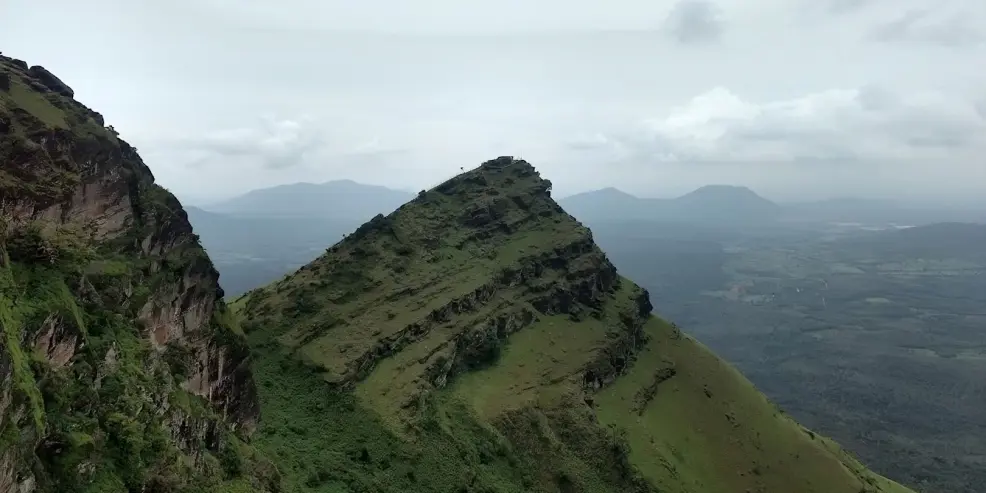
Chamundi Hills is one of the most iconic and reverenced places in South India. It has become one of the most celebrated natural attractions in the world and a site of spiritual significance as well as a historic landmark. It also houses the ancient Chamundeshwari Temple, built as a mark of reverence to the powerful goddess Chamundeshwari and credited as the chief patron deity to the Wodeyar lineage. It gives the spiritual feel along with providing a conduit towards understanding the natural, historic, and cultural outlook at Mysore. Chamundi Hills are about 1,000 meters (3,280 feet) above the main elevation, which offers a panoramic view of Mysore and surrounding places. The history of Chamundi Hills is deeply linked to mythology, folklore, and the royal history of Mysore. According to Hindu mythology, Chamundi Hills is said to be the place where the demon king Mahishasura was killed by the goddess Chamundeshwari. Discover more spiritual and scenic escapes in our Weekend Getaways From Bangalore guide.

Chamundi Hills

One of the most popular stories among Hindus is a debate between Mahishasura and the goddess, for which the latter emerged victorious. Thus, it's the victory of good over evil. She is thought to be living in the temple atop Chamundi Hill to safeguard the city of Mysore from evil forces. Since its inception, the hill has remained the central axis for religious as well as royal functions. The Chamundeshwari Temple dates back to the 12th century and was modified later by the Wodeyar kings; it symbolizes the might as well as the passion of the place. The Wodeyars who were ruling the Mysore had been huge devotees of the goddess Chamundeshwari for centuries. They made many attempts at the maintenance and expansion of the temple. 

Chamundi Hills

The hill itself is a culturally very significant sight that attracts thousands of devotees every year. This historical association of the temple with the royal family and the  role it plays in local and regional mythology makes Chamundi Hills a relevant and relevant sight in the fabric of the city's cultural and religious landscape.  Ornate carvings, large pillars, and the high tower Gopuram of this temple are examples of the best in traditional style architecture. An important element of South Indian temple architecture is a Gopuram. These are remarkable at the Chamundeshwari Temple. The entrance takes the visitor through a series of steps ascending to the main sanctum, where the goddess idol is placed. 

This temple has also carved and sculpted numerous gods, goddesses, and mythical beings. The carvings them selves  are masterpieces of the artists  who  designed  and  reconstructed this temple. Looking for short family-friendly getaways? Explore our Family Weekend Getaways From Bangalore guide.

Chamundi Hills

The Vimana or shrine and sanctum sanctorum of the temple are significant in the temple, and the entire complex is an architectural marvel of the divinity and historical significance of the goddess. Two ways one can get to reach the Chamundeshwari Temple are either driving up the hill or climbing the historic 1,000 steps that take one up to the temple. The staircase is one of the hallmark features of Chamundi Hills with a spiritual journey for those people who prefer climbing and hence a physical journey. Steps accompanied by statues of the Nandi vehicle of Lord Shiva make the scenic route to the summit spiritually valid. 

Chamundi Hills

On the top of Chamundi Hills at the top, there is a viewpoint to admire the sceneries of Mysore in all directions. The view is especially wonderful during the sunrise or sunset time in the soft golden light bath, and the whole city becomes picture-perfect to behold. From here, one can see clearly Mysore Palace KRS Dam, Ranganathittu Bird Sanctuary, and, of course, The Temple itself. Among all the statues that Chamundi Hills has in store, it is the Mahishasura statue that stands tall, towering at 16 feet high. Experience Mysore’s palaces, temples, and viewpoints with our Mysore One Day Trip Package from Bangalore.

Chamundi Hills

The granite sculpture that depicts the defeated demon, Mahishasura, stands in a kneeling position due to the defeat that goddess Chamundeshwari dealt with. This is just beneath the bottom part of the hill and, therefore, totally visible to everyone who takes the 1,000 steps to reach this.  The statue symbolizes a mythological success story of Chamundeshwari over Mahishasura and, very importantly, contributes to the religious atmosphere prevailing on the hill. The massive statue merges with the scenic calmness of Chamundi Hills to produce the essence of respect and prayer that the whole place presents. 

The hill  also  houses local folk performances such as art, music, and dances during the festival periods. Dasara draws several visitors from all across Karnataka and India to  participate in it because most of these cultural programs, traditional dances, and musical presentations were for worshiping the goddess Chamundeshwari by people. 

Places Within Range:

  1. Mysore Palace (Around 12 K.M.): This Mysore Palace is also called the Amba Vilas Palace. This is one of the most beautiful architectural wonders in Mysore. This was once the house of the Wodeyar family and boasts scintillating examples of Indo-Saracenic architecture, exquisite courtyards, and outstanding interior designs. The palace accommodates the Dasara festival-the biggest in India. 

  2. St. Philomena's Church (Approx. 12 km): This magnificent church is one of the largest in India and is constructed in the style of the Gothic. Beautiful with its towering spires and stained glass windows, this church offers serene surroundings in which to contemplate the soul. 

  3. KRS Dam and Brindavan Gardens (Approx. 30 km): Krishna Raja Sagara Dam This town is almost a part of Brindavan within the dam. This is excellent  water  supply for  the locality as well as fantastic Brindavan Gardens with musical fountains and boating here. This is one amazing place for a leisurely walk in a  completely green valley. 

  4. Ranganathittu Bird Sanctuary (About 20 km): This bird sanctuary runs along the banks of the Kaveri River and is one of the very popular bird-watching spots in Karnataka. The migratory birds here include pelicans, herons, and storks. One can enjoy boat rides while observing the birds closely. 

  5. Mysore Zoo (Approx. 11 km): It is the oldest zoo in India yet a well-kept one, Sri Chamarajendra Park, known colloquially as Mysore Zoo. There is a wide variety of animals and birds to be found here, ranging from the rare tigers and lions and long-necked giraffes to reptiles and situated amidst beautiful and lush greenery in serene surroundings. 

  6. Jaganmohan Palace and Art Gallery (Approx. 12 km): This is the Jaganmohan Palace, built in the 19th century, now an excellent art gallery. The art gallery also  features some of India's fine artists' work, for instance, Raja Ravi Varma. Inside is a work of architecture. Guided tours abound about its history  and what  one  finds inside. 

  7. Karanji Lake (Approx. 13 km): One of those is where people find nature and one that is near Mysore Zoo. An immense park has been developed in the periphery of the lake; and that also houses a dense cover of multiple migratory birds. There is not much distance also between the Butterfly Park with the lake. 

  8. Srirangapatna (around. 16 km): The history also depicts another glorious example of Srirangapatna as an island town on the Kaveri River; it boasts a remarkable place in historical and religious terms. It calls for tourists to Ranganthaswamy Temple, Tipu Sultan's Summer Palace, Gumbaz (Tomb of Tipu Sultan), and Srirangapatna Fort. This was very important in the timeline of the Mysore Kingdom. 

  9. Channarayana Durga (Approx 50 km): This is a historical hillock fort situated on the highest hill and one great  trekkers' destination. The scenery  is pretty  when  viewed from the hilltop: though the fort has turned into ruins, it still provides insight into the area's military past  thereby making it a perfect tourist destination for nature lovers, too. 

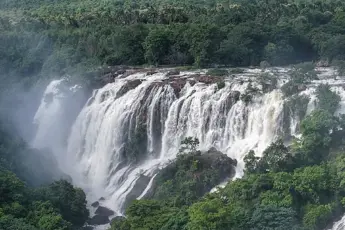
  10. Shivanasamudra Falls (Approx. 80 km): It's so beautifully located - in fact, the falls itself can be bifurcated into two main divisions, Gaganachukki and Barachukki. The location itself would be enough for nature lovers, along with some beautiful moments of picnic with excellent photo opportunities. 

  11. Nandi Hills (around 90 km): Nandi Hills is a very popular hill station having historical and spiritual importance, located near Bangalore. This place is ideal for a short getaway with the sight of the Nandi Temple atop the hill along with scintillating views. It is also known for its ancient structures, scenic landscapes, and tranquil atmosphere. 

  12. Talakadu (About 40 km): Talakadu is an ancient temple town of the Kaveri river and it is said to have sand dunes and old temples. The attractions here are Vaidyeshwara Temple and Pancha Linga Temples. As a place with unique topography and culture, it is an attractive destination for those on the lookout for some history and spiritual experience. 

How to Reach:

  • By Air: The nearest airport to Chamundi Hills is Mysore Airport, which is 12 km (7.5 miles) away from the hill. Mysore Airport is a small airport with very few domestic flights but connecting Mysore to key cities like Bangalore. In addition, one can take a bus or auto-rickshaw from the airport to Chamundi Hills. 

  • By Train: Mysore is well connected by train with all important places such as Bangalore, Chennai, and Mangalore. A taxi or auto-rickshaw may be hailed from Mysore Junction, around 13-km distance from the hill, or one can get a local bus from here, which brings one to the hilltop in about 25-30 minutes. 

Trending Packages: Kote Betta Trek | Hampi Trip | Gadaikallu Trek | kodaikanal trip | Kote Betta Trek | Hampi Trip

Why Book with escape2explore

When exploring the Mysore trip from Bengaluru and beyond, escape2explore stands out as a trusted name in adventure and experiential travel. Here’s why hundreds of travellers choose us for their getaways:

  • Trusted, Well-Reviewed Local Operator: escape2explore has gained the trust of thousands of content tourists all over India. With persistent positive feedback and an unblemished reputation for delivering quality experiences, we assure you that your experience will be hassle-free, memorable, and value-packed. Our insider local knowledge guarantees that you will always be in safe hands.

  • Seasoned Guides: Our trips are led by friendly, trained, and professional guides who are passionate about the outdoors and your safety. Whether it's a beach trek, a cultural tour, or a spiritual walk through temples, our team knows the terrain, the stories, and how to make each moment count.

  • Safe & Curated Itineraries: Your safety is our number one priority. Our tour packages are thoughtfully crafted with safety measures, researched accommodations, and easy travel arrangements. We take care of the details so you can have the experience hassle-free and worry-free.

  • Unique Experience That You Won't Find Anywhere Else: With escape2explore, you discover more than the tourist attractions. We go off the beaten track with hidden beaches, unusual treks, offbeat cultural destinations, and true interactions

Read: Iskcon Temple|MG Road| Vidhana Soudha | UB City | Jawaharlal Nehru Planetarium

...

02

Mysore Palace Guide – History, Timings & Architecture

Mysore Palace Guide – History, Timings & Architecture

Mysore Palace is more popularly known as Amba Vilas Palace and is one of the biggest in the heart of Mysore , in the district of Karnataka, India. It stands out as a prototype or epitome. It symbolizes grandeur with excellent historical and royal heritage with the oscillation period from the past century of the rule that goes with the Wodeyar dynasty for the Kings' domain of Mysore. With its architectural grandeur, exquisiteness in interior decor, and rich history, the Mysore Palace remains the most sought-after destination in India, and a million people visit it every year. This essay explores its history, architecture, and significance, along with the main  element of Mysore Palace, to explain why it is at such a significant position in India's cultural and architectural scenario. 

Mysore Palace is highly associated with the Wodeyar family, which is one of the most prominent kingdoms  in the history of Indian reign. They ruled at different times throughout the 14th century up to the 18th century. True authority came under Krishnaraja Wodeyar III when their actual strength blossomed during the early periods of the 19th century. The original Mysore Palace was built during the era when Wodeyars ruled the Mysore Kingdom for the first time in the late 14th century. But most of what remains today is an entire construction made in the 19th century when the palace was totally devoured by a raging fire in 1897. By then, the Wodeyars had gained their throne once again since the British had defeated Tipu Sultan, and he lay dead on the battlefield in the year 1799. Looking for heritage destinations and cultural escapes? Explore our Weekend Getaways From Bangalore guide.

Mysore Palace

The fire of 1897 had done mostly all its work to destroy the old palace. Some precious items, furniture, and many documents were sacrificed for it. So, now it looked like the perfect opportunity for royalties to promote status to this palace, as in then-trendy fancies and modernity slowly filtered in through architecture and design. It was, therefore, entrusted to no lesser authority than the English architect Henry Irwin, whose name was as legendary in southern India as any architect of a few public buildings there. Mysore Palace's exterior is the epitome of Indo-Saracenic architecture, a style that takes in all Indian, Islamic, and British colonial architectural elements and makes something different. Pink marble was used in the building, which contained domes, arches, and towers to make it look so different. The upper-level golden domes, majestic gateways, and grand courtyards are given a regal appearance. On entering the palace, a chain of rooms and halls gaudily decorated warmly welcomes the visitors. It is set almost in straight-line rooms, and halls are lined across corridors, which open up to large open courts. Its divisions compose functions of administrative offices, the royalty quarters, and the ceremonial halls. 

Mysore Palace

Almost the entire ground of this complex engulfs 100 acres of land and, in themselves, has decorated and designed gardens for the palace on the principle of traditionalism, symmetric in format, with fountains and nicely trimmed grass areas. Pavilions, temples, and watch towers give a finishing to this location that adorn the Palace grounds. Its entrance gate is marked by the huge wooden entrance door it owns, which stone lions flank. The lush green laws guide the visitor to the main building of the palace, where the journey of the visitor's history begins. It has various Dussehra performances, and the name of Karnataka is also related to some specific festivals. They have an association with one of the grandest festivals-Navaratri which is among one of India's most colourful festivals; the Wodeyar family organizes, annually Dussehra; on such days, a golden elephant of the royalty of India is kept within the premises in Durbar Hall. This grand event attracts visitors from almost every nook of the earth and is a fusion of religious rituals, cultural performances, and celebrations. Explore more family-friendly heritage destinations in our Family Weekend Getaways From Bangalore guide.

Mysore Palace

Mysore Palace is relatively historic as it has once been the capital of the Wodeyar kings. In political and cultural functions, the Wodeyars were dominant back then. They have spurred on much art, literature, and architecture that has, in turn, helped contribute towards even further expansion of Mysore. History has left marks with different events of huge prominence in India: colonial India, the Indian independence movement, and even in the post-independent period within this palace itself. Mysore Palace is one of those places in India that attract over 6 million visitors  yearly for tourism. It is preserved very well, and with restoration activities and work taken on frequent conservation, it remains good-looking, as if time had never even skipped over it. People take photographs there, and thousands of lights are lit during any event. 

Mysore Palace is an endless wonder of the glory, elegance, and history of the Wodeyar royal dynasty. Such beautiful architecture, rich heritage, and cultural significance with Indian royalty that still symbolizes royalty in India. This place stands not only as an ancient monument but a living, breathing part of the country's royal past that is pulling in millions of visitors every year to experience a fraction of the splendour of the historical past of Mysore. Mysore Palace must be one of the country's jewels for its exquisite design, cultural importance, and place in Indian history. Discover Mysore’s royal landmarks with our Mysore Tour Package from Bangalore.

Mysore Palace

Nearby Attraction

  1. Chamundeshwari Temple: Chamundi Hill and Chamundeshwari Temple The hill is about 13 km from the Mysore Palace, and atop, one can see this view of the city. This worship place is the holy residence of the goddess Chamundi, sitting atop the hill. 

  2. St. Philomena's Church: It is one of the biggest churches in India, known for neo-gothic architecture and high spires, and is about 2.5 km from Mysore Palace. 

  3. Mysore Zoo, or Sri Chamarajendra Park, is one of India's oldest and best-sustained zoos. In fact, this zoo lies about 1 km from Mysore Palace and contains various species of animals, including tigers, elephants, and many exotic birds. 

  4. Brindavan Gardens: It is located just near the Krishna Raja Sagar (KRS) Dam. It is 30 km from Mysore and a famous evening visit to the musical fountain and lushly decorated lawns. 

  5. Jaganmohan Palace and Art Gallery: The Jaganmohan Palace is 1.5 km away from the Mysore Palace. There are many beautiful pieces of art and the work of many big Indian artists, such as Raja Ravi Varma, inside the palace. 

  6. Karanji Lake: Karanji Lake is a silent place to visit for birding and boating. It is some 3 kilometres from the Mysore Palace, surrounded by greeneries and a butterfly park; it is also a very silent place. 

  7. Ranganathittu Bird Sanctuary: Ranganathittu Bird Sanctuary: Ranganathittu Bird Sanctuary is situated just 18 km away from the city of Mysore, and it becomes heaven for any bird-watching. Here, various kinds are also available, along with types that come under migration and boating facilities. 

  8. Lalitha Mahal Palace: The Lalitha Mahal Palace is  around 4km from Mysore Palace. The heritage hotel, with fantastic architectural and scenic arrangements, has already taken over. 

  9. Shivanasamudra Falls is located on the Cauvery River, 85 km from Mysore. Its popularity came from split waterfalls, divided into two halves and one of the romantic places for adventurous people. 

  10. Tigalarahalli Temple: This is one of the lesser-visited temples for Lord Shiva, which is located at a distance of 18 km from Mysore. The temple complex is a silent place that helps create an atmosphere for flowing spiritual thoughts. 

  11. GRS Fantasy Park: GRAS Fantasy Park is an amusement park 10 km from Mysore Palace. It houses rides, water attractions, and fun for families with children. 

  12. KRS Dam-Krishna Raja Sagar Dam: The KRS Dam on the Cauvery River is an excellent example of engineering, and it is approximately 30 km from Mysore. Water and surroundings near this dam make for a perfectly serene, picturesque view, and with added charm, Brindavan Gardens are nearby. 

How To Reach

  • By Train: Plenty of roadways connect the main cities via Mysore Junction, which is connected directly to the palace from only a 2 km distance. So , frequent trains from Bangalore, Chennai, and Mumbai, as well as by railway station taxi or auto , can reach the palace easily. 

  • By Bus: There are good bus connections, too. Buses connect the place from Bangalore, Coimbatore , and other towns. Mysore City Bus Stand is 2-3 kilometres from the palace. One can easily hire a local auto rickshaw or taxi from a bus stand. 

  • Road Accessibility: The city can be reached by road by hiring a car from any city next to it. One can reach Bangalore, 170 km; Coimbatore, 190 km; and Ooty, 125 km by car or taxi. 

...

03

KRS Dam Mysore Guide – Timings, Musical Fountain & Tips

KRS Dam Mysore Guide – Timings, Musical Fountain & Tips

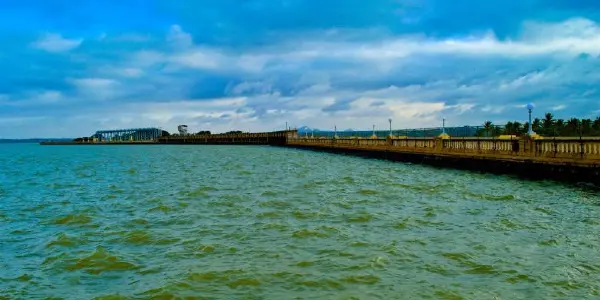
KRS Dam is one of the prominent rivers of southern India and one of the critical sources of irrigation, drinking water, and hydroelectric power for the regions it supports. KRS Dam is quite famous because of its engineering and historical importance, and because of the very renowned Brindavan Gardens lying underneath, it has become a favourite tourism destination. During the early 19th century, ideas regarding the construction of a Dam on Cauvery came before anything moved. However, it materialized during the rule of Krishna Raja Wodeyar IV, who was then the ruler of the Mysore Kingdom, and construction finally materialized in response. The Dam was conceived primarily for irrigation purposes in the dry tracts of the districts Mysore and Mandya, where agriculture remained heavily based upon seasonal rainfalls. He considered the scope of irrigation and drinking supply on both sides of this river much more advanced with the population growth. 

Thus, the Mysore dam idea was taken up by the Diwan of Mysore at that time, one of India's leading engineers - Sir M. Visvesvaraya, in the year 1911. He is considered as the architect of modern Karnataka. He played a very important role in planning the project and seeing it through to its realization. It took more than two decades for the Dam to be completed, and it was finally constructed in 1932. This is definitely a truly extraordinary feat in terms of scale and technology of that time. Explore more scenic destinations in our Weekend Getaways From Bangalore guide.

KRS Dam

One of the distinguishing features of KRS Dam is the provision of controlled water outflow through sluice gates in the Cauvery River and canals   downstream. Such a supply of water, which is provided through the sluice gates, should control and regulate the availability of irrigation for  cultivable crop cultivations in fields in the Mysore and Mandya Districts. The source of the water supplied in this Dam has proved to augment and form a drinking watering system that provides requirements for the town of Mysore and villages near this locality. There is a dam that produces hydroelectric power. That is one of the many that feed the region. Although its capacity is low compared to the modern ones, at the time of its construction, it was early in the 20th century, and it was a show. 

Probably the most sought-after place associated with the KRS Dam is Brindavan Gardens, situated directly beneath the Dam. The gardens are a perfect example of a classical Indian garden design that fuses the elements of traditional Mughal gardens with local landscape elements. It was designed by the celebrated architect K. H. Nanjundiah. The entire layout has terraces, fountains, and reflecting pools , along with flower beds. It covers an area  of about 60 acres under which the Cauvery River moves calmly beside it. Planning a short family escape? Check our One Day Trip From Bangalore guide.

KRS Dam

The Brindavan Gardens, in particular, can be used especially in the evenings because it organizes the musical fountain show. It turns out to be a light and sound show during the evening hours that draws in people to visit it in lakhs of numbers. It really turns out to be a beautiful place with the addition of music and lights, accompanied by perfectly synchronized water fountains for a very spellbound end view to spend the last of it at the KRS Dam. There are also well-managed botanical gardens, a walking path, and a boating space. The place is ideal for taking a few quiet walks, and one can also take a boat ride or sit and spend time under the green. The place is one of the excellent places that attract family people and nature lovers. Beautiful flower beds, neat hedges, and a great sense of peace and beauty are also there in the place. 

KRS Dam

The Dam has submerged parts of land, including farming fields and natural habitats. In the long run, this affects biodiversity and local wildlife, as well as aquatic life. However, there is a conservation program by the government to mitigate some of its effects, such as ensuring that the local wildlife sanctuaries are maintained and advocating sustainable agriculture. Krishna Raja Sagara Dam is one of the fine examples by which the early 20th-century engineers succeeded, considering the vision of the creators themselves. The Dam constructed by the people over the water of the River Cauvery helped deliver irrigating water as well as a potential source of hydroelectric power for this area of Mysore; outside of its practical purpose, it has become a sign of culture and history in it. 

The Brindavan Garddam supplements the beauty of the Dam , and thus, it is an attractive tourist destination. Functions that support the agricultural economy and water resource management in the region and give a beautiful natural background for visitors make the KRS Dam an important landmark in Karnataka's history. KRS Dam is more than a miracle of engineering. It has been an icon and epicentre of cultural, environmental, and economic life that has shaped the region. Therefore, it shapes the community and status of the Dam. So, it deserves visits, understanding, and conservation. Experience Mysore sightseeing and KRS Dam with our Mysore One Day Tour Package.

KRS Dam

Nearby Places to KRS Dam

  • Brindavan Gardens: Right under the KRS Dam sit the famed Brindavan Gardens. Known for their neat designs, lush greens, and nightly music and light water shows. These gardens cover 60 acres and are a top spot for tourists. They offer a great place to relax and have family fun. The nice set of steps, bright flower beds, and lit-up water shows add beauty to the dam, making it a must-see.

  • Mysore Palace: About 18 km from KRS Dam, the Mysore Palace stands as one of India's biggest and most visited places. It’s a great show of Indo-Saracenic style, with detailed works, royal items, and fancy tops. During the Dussehra fest, it lights up with many lights, making it feel magical. The palace tells us of the royal Wadiyars who helped make the KRS Dam.

  • Chamundi Hills: Some 23 km from KRS Dam, Chamundi Hills houses the famed Chamundeshwari Temple for goddess Durga. It gives wide views over Mysore and is loved by both temple-goers and nature fans. People often walk up the 1,000 steps or drive to the top. The big Nandi (bull) statue there is another draw.

  • Ranganathittu Bird Sanctuary: Set about 15 km from KRS Dam, this place is a dream for bird lovers and those into nature. It’s across some isles on the Cauvery River and houses birds like painted storks, herons, and kingfishers. Boat rides let you see birds and crocs up close.

  • Srirangapatna: Just 14 km from the dam, Srirangapatna is linked to Tipu Sultan, the "Tiger of Mysore." The town has spots like the Ranganathaswamy Temple, Daria Daulat Bagh (Tipu’s summer spot), and Gumbaz (his resting place). Its deep past, build, and cultural worth make it a key spot for history buffs.

  • St. Philomena’s Church: In Mysore city, about 20 km from KRS Dam, you find St. Philomena’s Church, one of Asia's tallest churches. Its Gothic build has great glass windows and twin towers up to 175 feet. Each year, lots of people come to see this big, calm place.

  • Melukote: Around 40 km from KRS Dam, Melukote is known for the Cheluvanarayana Swamy Temple and its old role in Sanskrit and Vedic studies. Placed on a rocky hill, it offers nice views and a holy feel. There are old waters and temples built during the Hoysala time.

  • Balmuri and Yedmuri Falls: Roughly 8–10 km from KRS Dam, these small but pretty falls come from check dams on the Cauvery River. Balmuri is great for picnics and safe water fun in the summer. With lots of green around, these falls are good for quick stops, taking photos, and easy walks.

  • Rail Museum, Mysore: About 18 km out, the Mysore Rail Museum is good for those into rail tales and old trains. It shows steam machines, royal wagons, and talks about the growth of Indian Railways. It’s a good spot for families, close to the Mysore train station.

  • Kishkindha Moolika Bonsai Garden: Around 17 km from the dam, this rare garden in the Avadhoota Datta Peetham has over 100 types of bonsai trees. Covering 4 acres, the garden mixes nature, art, and soul vibes. It’s a calm spot to enjoy time around well-crafted tree art.

Best Times to Visit KRS Dam

  • Monsoon Season (July to September): The rainy months are the best time to see the KRS Dam. During these days, the dam gets a lot of water from the Cauvery River, and the lake is full most of the time. Seeing water rush from the gates is an awesome view. The Brindavan Gardens around are very green, and the air is cool and nice, great for looking around and taking photos.

  • Post-Monsoon / Early Winter (October to December): This is a very good time to go to the KRS Dam, too. The air is nice, the sky is clear, and the gardens look bright and full of life after the rain. The music show at Brindavan Gardens is nice in the cool night air. It's a good time for guests who like cool weather and do not want the rain crowd.

  • Winter Season (January to February): Cold weather is cosy for day trips, picnics, and seeing places close by. Even if the water in the lake may start to go down, the pretty view of the gardens and the cool wind still brings many people. This time is great for family time, and you can look at old and cool spots around Mysore and Srirangapatna easily.

  • Avoid Summer (March to June): The hot months are not the best for going to KRS Dam, as it can get hotter than 35°C. The gardens may not be as full, and the water in the dam might be low because it gets less water. The heat can be too much for going out, mainly in the middle of the day. Yet, if you visit in the early morning or late afternoon, you can still enjoy the light shows and cool winds.

How to Reach KRS Dam

  • By Road: Road travel from prominent cities like Mysore and Bengaluru makes KRS Dam easily reachable. It is roughly 18 kilometres from Mysore and about 143 kilometres from Bengaluru. Both cities offer taxis, personal cars, and scheduled buses. Especially the section from Mysore, the route winds through lush meadows and small villages. Near the dam and Brindavan Gardens, parking is plentiful.

  • By Railway Station: Around 18 kilometres from KRS Dam, Mysore Junction offers the nearest major railway hub. Regular trains link Mysore to Hyderabad, Chennai, Bengaluru, and other places. From Mysore station, you may take a local bus or hire a cab to reach the dam. The train ride is economical and convenient, especially for tourists from distant places.

  • By Airport: The nearest airport to KRS Dam is Mysore Airport, some 30 kilometres distant. Domestic limited flights mostly link Bengaluru to a few other cities. The best option for international as well as internal travel is Bengaluru's Kempegowda International Airport (around 180 kilometres away). You can get a cab from either of the two airports or take the bus to the dam easily.

  • By Bus: Private buses and scheduled KSRTC buses travel from Mysore and Bangalore to KRS Dam and adjacent areas. From Mysore, you may go to Brindavan Gardens or KRS through a local bus departing from the city bus terminal. Buses offer an affordable option for backpackers and budget tourists.

...
04

St. Philomena’s Church Mysore Guide – History & Timings

St. Philomena’s Church Mysore Guide – History & Timings

St. Philomena's Church, Mysore, Karnataka, is one of the biggest and most beautiful churches in India. The church is dedicated to a young Christian martyr named Saint Philomena, who was declared a saint by the Roman Catholic Church. A historic symbol of Christianity, considering that this region was a dominated region of Hinduism for thousands of years, attracts thousands of visitors annually based on its architectural glory, historical importance, and religious prominence. The history, architecture, significance, and overall cultural influence of St. Philomena's Church are covered in detail. St. Philomena's Church has had its history since the 19th century. This church was built in 1936 after the reign of Krishna Raja Wodeyar IV over Maharaja of Mysore. He ordered this church  to provide proper worship grounds for the Catholics in the city of Mysore.

He was inspired to order this church because the architectural plan of the celebrated Cologne Cathedral in Germany inspired him. It is one dedicated to Saint Philomena, who , in the 3rd century, was martyred under the Roman Emperor Diocletian. She is a Christian martyr whose story exemplified faith and courage. Pope Gregory XVI canonized her in the 19th century. The church was conceived not only as a place of worship but also as a declaration of the Catholic faith in India. Explore more spiritual and cultural destinations in our Weekend Getaways From Bangalore guide.

St. Philomena's Church

St. Philomena's Church is one of the gorgeous Neo-Gothic constructions that once found favor with the European churches in the 19th century. The architecture of this church has drawn inspiration from the Cologne Cathedral of Germany and finds an exact similarity in many of the most beautiful Gothic cathedrals of those times. Being on the list of the tallest church structures within the country, and more literally, 175 feet above ground, or 53 meters high, by the sheer height and aerial curves of its spires, St. Philomena's is quite the distinct personality in the city landscape of Mysore. The façade of the St. Philomena's Church is an ornate work of art. The facade contains various Gothic styles. The styles include ribbed vaults, flying buttresses, and , most especially, pointed arches. It is arguably its two tall spires that form the most striking features of the church.

This tall structure itself describes the grandeur of the church. The spires are very intricately carved and so fine in detail that people's attention is captured, along with leaving an indelible mark in their minds to visit the church.  As already mentioned, many stained glass features are the other great outer appearances of the church. These features depict scenes from the life of Saint Philomena; a major setting is Christ's life scenario. The stained glass colour is vibrant, and the variations in the texture of the stained glass designs add beauty to the church. Looking for family-friendly sightseeing places? Explore our Family Weekend Getaways From Bangalore guide.

St. Philomena's Church

One feels awe the moment one steps into the church. The interior of St. Philomena's Church is no less stunning than its exterior. The long nave, high ceilings, and tall pointed arches all create an awe-inspiring sight. The interior is so designed to evoke a sense of reverence and solemnity, and the vast space creates an atmosphere that, more than anything else, encourages prayer and reflection. Another would be the magnificent carvings of the altar. At the altar is the statue of Saint Philomena. It is a superb image of the saint; it is a declaration of faith and sacrifice. Another notable feature the church showcased was its beautiful marble flooring that added to the silence and serenity within the church. It is a place of worship but much more: a faith symbol, the centre of the Catholic community in Mysore. It is an important place in the city's religious life through regular mass services and special events during Christmas, Easter, and the Feast of Saint Philomena. 

The annual fest known as Saint Philomena occurs in August. Thousands of devotees were congregated into celebrations in the life and grand legacy of Saint Philomena. The occasion was a great one; it involved religious processions, lots of prayers, and community gathering activities. The feast attracted viewers from all parts of India and beyond, thus remaining an epoch-making religious event in its land. 

St. Philomena's Church

This site ranks foremost as a part of the Mysore cultural heritage. It is one of India's most beautiful churches and the one that attracts  faith worshippers, tourists  , historians, and architects. That is such a historic, magnificent location that no tourist minds overlooking when he comes to visit Mysore. It remains one of the most symbolic locations representing Mysore and is regularly featured in travel books and guides for domestic visitors. Besides all its architectural and religious importance, St. Philomena's Church played a serious role in the social texture of the region. The place has all the sections of people gathered here to celebrate the common values of faith, hope, and compassion. It made Mysore a multicultural city so that all cultures and backgrounds can be there together and celebrate their tradition. 

The St. Philomena's Church is the epitome of the craftsmanship and vision of its builders and the faith of its worshippers. It is as historic as it is vibrant with the religious life it houses, it is a great cause of pride for Mysore and a haven of peace for travelers. The church stands for the long-standing religious traditions of Karnataka and is simultaneously an important landmark for the city in terms of culture and architecture. Whether it is for religious purposes, beautification, or to understand the historical and cultural heritage of Saint Philomena, the church is definitely an experience. It would remain one of the most beautiful monuments worshipped and revered by generations yet to be. Visit Mysore’s iconic churches, palaces, and attractions with our Mysore Tour Package from Bangalore.

St. Philomena's Church

Nearby Attractions:

  1. Mysore Palace: Mysore Palace is one of the most easily recognizable places in India, being situated approximately 3 km from St. Philomena's Church. Glory radiates from the palace, reflected in the great Indo-Saracenic architecture that represents the glory of the Wodeyar dynasty. Fabulous interiors, the wonder called Durbar Hall, and the Light and Sound show - a place famous for everything. 

  2. Chamundi Hill: The most sacred temple of Chamundeshwari is present on the hill, about 6 km from the church. The view from the hilltop is considered the best from which to view the city of Mysore, and atop this hill stands the biggest Nandi statue in India. This is a very much sought-after pilgrimage, with thousands of devotees thronging the place during the festival of Dussehra. 

  3. Mysore Zoo or Sri Chamarajendra Park: Being one of the oldest and the best-maintained zoos in India, Mysore Zoo is about 2km from the church. Covering an area of about 45 acres, many animals, such as tigers and elephants, along with numerous colourful birds belonging to foreign countries, survive there. It is, without fail, a visit for your family who is interested in the effort of wildlife conservation. 

  4. Karanji Lake: Karndji Lake is 4km from St. Philomena's Church and is a peaceful abode featuring a bird sanctuary, a butterfly park, and boating facilities, where the surroundings are very calm and quite appealing to nature lovers and photographers. All migrating bird species are welcome here. 

  5. Ranganathitthu Bird Sanctuary: Some 20 kilometres apart is Ranganathitthu Bird Sanctuary- the biggest and most prominent bird sanctuary in the state. Bird Colony, situated on the waters of Cauvery, is an important habitat to countless migratory birds: painted storks, herons, and especially, an ibis comes here too. The boat rides pull abreast of the colonies. 

  6. Brindavan Gardens: Brindavan Gardens, Situated 30 km from Mysore on either side of the Krishna Raja Sagara, popularly known as the KRS Dam, is an enormously popular place for well-lit, ornamental gardens and beautiful musical fountains. It resembles the setting of a fairy tale when it lights up after dusk. 

  7. Daria Daulat Bagh, The Summer Palace of Tipu Sultan: Daria Daulat Bagh, the summer palace of Tipu Sultan, is about 20 km from the church in Srirangapatna. The place bristles with frescoes and intricacies in woodwork. The palace reminds one of the rich history of the place with regard to Mughal and Sultanate tenure. 

  8. Srirangapatna: A historic town, Srirangapatna, is about 20 km from Mysore. It was the capital city of Tipu Sultan. This place holds several important landmarks, namely the Ranganathaswamy Temple, Tipu Sultan's Tomb, and the Gumbaz, where Tipu Sultan and his family lie. 

  9. Talakadu: Talakadu is an unusual town 45 km from Mysore. It is an archaeological site by the riverside of the river Cauvery, and some temples date to the Chola period. Talakadu has a lot of history and archaeological treasures. 

  10. Shivanasamudra Falls: Shivanasamudra Falls: this is one of the most celebrated waterfalls in Karnataka, located approx 80 km from Mysore district; here, falls are divided into two distinct falls - Gaganachukki and Bharachukki-and that view attracts nature enthusiasts and photography wizards in a huge number. 

  11. Lalitha Mahal Palace: It is an example of beauty because this royal palace is reached after a walking distance of nearly 5 km from St. Philomena's Church. This palace was built in the 1920s for the Royal Family of Mysore; now, it serves as a Luxury Hotel. In this palace, lavish gardens are encircled, and ideas about how royal life ever existed are given. 

  12. Nanjangud: About 25 km from Mysore, Nanjangud is an ancient town famous for the Srikanteshwara Temple dedicated to Lord Shiva. It is a very sacred place for pilgrims and for people who seek solace in spiritual thoughts. 

How to Reach: 

  • By Air: The nearest airport to St. Philomena's Church is Mysore Airport, which is 12 km from the church. It is a small airport but offers domestic flights to smaller cities and towns. The nearest International airport is Kempegowda International Airport, Bangalore, which is 170 km away from Mysore. You may take a taxi or catch a bus from Bangalore to reach Mysore. 

  • By Train: It is pretty good. The major railway station that is close to this church is Mysore Junction, which is 2 km from the church of St. Philomena's. Mysore Junction will take you all the way to big cities such as Bangalore, Chennai, and Mumbai. An Auto-rickshaw or taxi can take you directly from the railway station. 

  • By Road: Mysore is also well connected by road and easily accessible from Bangalore via National Highway 275 or National Highway 766, which is nearly 145 km away, and it will take about 3-4 hours. Buses, taxis, and private vehicles are readily available. Once you reach Mysore, St. Philomena's Church is on Ashoka Road, and local directions will help you locate this easily.

...

05

Mysore Zoo Guide – Timings, Tickets & Visitor Tips

Mysore Zoo Guide – Timings, Tickets & Visitor Tips

History Mysore Zoo Foundation In 1892, it was the time of Sri Chamarajendra Wodeyar of Maharaja of Mysore. He was keen on wildlife, and this was an idea that was set as the foundation for displaying much of India's biological system. The first notion or idea was to present a collection of indigenous species for the royal to witness. It was a small zoo, but over time, it grew to contain species from all across the world. This is one of the few earliest zoos that applied newer technology in animal husbandry as well as the conservation of animals in the regions of India. The second name that would have been here at Mysore Zoo is Chamarajendra Park, in which the intentions are actually two-pronged-conservation and also educating some individuals. And it has not been infrequently so-upgraded with lots of participative heads, local leaders of the states, etc., along with wildlife scholars. Discover more family-friendly destinations in our Weekend Getaways From Bangalore guide.

Mysore Zoo

This mid-20th century was very changing, with bigger enclosures, better facilities for animal care, and scientific breeding programs. Today, it is considered to be one of the best-managed zoos in India. Mysore Zoo covers around 25 acres of the city and includes more than 1,400 animals spread over more than 170 species. The zoo is extremely popular among tourists for its spacious enclosures that are very well maintained to show a very natural habitat for the animals. Various types of animal displays are kept in separate departments with specific species of animals, which  makes  the tourist journey very exciting. It breaks up into sections containing animals by their natural habitats, such as the animals of African savannas, rainforests of the Indian grassland, and thematic exhibits as homes for animals from corresponding and similar environments, so visitors see the Wildlife of any of the regions in this Earth. 

Mysore Zoo

Some of the animals in the African Safari section include lions, giraffes, zebras, and hippopotamuses. The enclosures are modeled to look like the African savanna; they have open spaces, grassy areas, and waterholes to make staying there comfortable for the animals. Looking for family travel ideas? Check our Family Weekend Getaways From Bangalore guide.

  • Tiger and Leopard Enclosures: There is an airy, well-designed enclosure for tigers where the visitor can see the majestic creature nearly in their natural habitat. The leopard enclosure, too, has been designed to look exactly like dense forests, thus offering ample scope to move about by the animal. 

  • Indian Wild Section: The list consists of species native to India, such as sloth bears, leopards, elephants, and deer, which have features to represent the  different  phases of Indian landscapes where grasslands become tropical forests. 

  • Bird Sanctuary and Aviaries: This Mysore Zoo has a big aviary to accommodate the species of exotic and native birds. Such a bird sanctuary accommodates peacocks, hornbills, flamingos, and parrots, with aviaries that closely resemble dense foliage and trees. 

  • Reptile House: There are many varieties of snakes, crocodiles, and other reptiles preserved within the reptile house. This place has king cobras, pythons, and crocodiles. It describes to the audience how the reptiles contribute to achieving ecological balance. 

  • Aquatic Animals Section: The section has aquatic animals like turtles, alligators, and fish. The enclosures are like ponds and rivers; here, the animals swim and sunbathe. 

Known as one of the best and quality handling animals along with proper breeding techniques at Mysore Zoo. It majorly served for the preservation of many threatened  species. For many decades now, it has aimed at housing Indian and Asian species. Some of the species that are bred successfully at this zoo include the White Bengal Tiger, the Lion-tailed Macaque, and the Indian rhinoceros. Other endangered species bred in this zoo include the hornbill and the peacock, which are endangered in the wild today. The zoo primarily deals with Indian species. Many of these species are endangered. Among them are tigers, Asian elephants, rhinos, and Indian wolves, which are featured in the list of species bred and sponsored by the zoo breeding programs. 

Mysore Zoo

Mysore Zoo is cooperating closely with national and international organizations like WWF and CITES to improve the conservation field. The zoo also makes its visitors conscious of conserving the Wildlife and their habitats through different interactive exhibits and education programs. It has been making people aware and mindful of their responsibility towards conservation. With public education, Mysore Zoo is presenting hope for the future of animal care and wildlife conservation. So this history, with full commitment and strong wills for endangering species preservation and educating masses regarding the importance of conservation through zoological parks, also acts as a model before other Indian zoos in this regard as well throughout the whole world. It will give a great understanding of the sensitive nature between humans and animals; also, it revives one's sense of responsibility in preserving biodiversity all over the globe. Be it your interest in nature, kingdoms of animals, or concerns regarding environmental issues, a visit to Mysore Zoo is an experience that quenches and feeds you. Explore Mysore’s famous attractions with our Mysore One Day Trip Package from Bangalore.

Mysore Zoo

Places Near This Location 

  1. Mysore Palace: Mysore Palace, rather known as Amba Vilas Palace, is one of the most treasured monuments in India. It sports Indo-Saracenic architecture, boasts lavish interiors, and has a massive courtyard. It is one symbol of the luxury of the Wodeyar dynasty and a tourist attraction in that it has architectural value and a rich history. 

  2. Chamundi Hill and Chamundeshwari Temple: Chamundi Hill is about 13 km from the city center, and, viewed from there, Mysore is simply breathtaking. The Chamundeshwari Temple at its top is dedicated to Goddess Chamundi, and going to this temple is an experience in itself. You may climb through 1,000 steps that go up the temple, or you may go up this hill by vehicle. 

  3. St. Philomena's Church: It is about 2.5 kilometers from the Mysore Palace, and St. Philomena's Church is one of the largest churches in India, beautifully made in neo-gothic style with towering spires, in combination with beautiful stained glass windows. It has always been a spectacle. It is a perfect place to seek solitude and have some moments of calm contemplation; the view is also breathtakingly beautiful. 

  4. Mysore Zoo (Sri Chamarajendra Park): It has been in operation since 1892. Mysore Zoo is one of the oldest and best-run zoos in India. Its location is in the suburbs of the city but near to its central city location. It accommodates diversities of tigers, lions, elephants, and unusual birds. Its special care for the welfare of the animals besides allowing its residents in an ideal and natural habitat. 

  5. Brindavan Gardens: Brindavan Gardens is famous for its symmetrical design and fountains, along with a musical fountain show in the evenings, 30 km from Mysore, near Krishna Raja Sagar (KRS) Dam. An ideal place to walk, it provides facilities for picnic spots for the family. 

  6. Jaganmohan Palace and Art Gallery: Jaganmohan Palace, 1.5 km from Mysore Palace, houses some brilliant Indian paintings and sculptures. All lovers of art should visit this place as it has the works of world-reckoned artist Raja Ravi Varma. 

  7. Karanji Lake: Karanjee Lake is a serene habitat that is about 3 km from the city, offering a bird sanctuary and butterfly park with a boating facility. It is superb for nature walks, and plenty of birds are seen in the wild. 

  8. Ranganathittu Bird Sanctuary: It is a haven 18 km from Mysore. This is a haven for any bird sighter. Scores of migratory birds spend their winters here. A quiet boat ride along the river Cauvery makes one see birds up close. 

  9. Lalitha Mahal Palace: It is a beautiful architectural view place; however, it is about 4 km from Mysore. Lalitha Mahal was once a luxury hotel turned royal abode. The palace looks handsome on its white front facade; it has spacious lawns and lovely interiors that leave a glimpse of the old, glorious royal days of Mysore. 

  10. Shivanasamudra Falls: Shivanasamudra Falls, 85 km from Mysore, is one of the most beautiful falls of South India as the Cauvery falls into two, giving a stunning view. It is very beautiful in the rain, which is in good flow. 11. Tigalarahalli Temple 

  11. Tigalarahalli Temple: Dedicated to Lord Shiva, at 18 km from Mysore, it is a quiet and holy place for all of those people arriving to discover beauty in spirit and to see beauty. Surrounded by a lush layer of greens. 

  12. GRS Fantasy Park: GRS Fantasy Park is an amusement park that contains rides, water attractions, and fun entertainment for the whole family, positioned about 10 km from the city. It is a great spot for kids and families to chill out after seeing all the different historical and cultural sites that Mysore has.

How To Reach

  • By Air: Mysore Airport is the nearest to the city, about 12 km from the heart of the town. Air flights are  few in their frequency, but all are destined for Bangalore. The International Air flight is at Kempegowda International Airport, which is about 170 kilometers away from the city. By taxi or by bus, drives towards Bangalore take nearly an hour or two hours, and it will take you 3-4 hours to reach Mysore. 

  • By Train: Mysore is also well connected with other cities like Bangalore, Chennai, and Mumbai via a railway station line that passes through Mysore Junction, which lies almost 2 km from the city center. Many regular trains operate from Bangalore to Mysore and vice versa, taking about 2.5 to 3 hours. 

  • By Bus: City bus. Buses from the city are available to the cities of Bangalore and Coimbatore from the city. Bangalore is about 3.5 hours from Mysore. 

  • By Road: City road to local roads exists. The city is widely reachable from the regional towns of Bangalore 170km, Coimbatore 190 km, and Ooty 125 km local buses and Taxis. 

...
06

Dariya Daulat Bagh Mysore Guide – History & Architecture

Dariya Daulat Bagh Mysore Guide – History & Architecture

Dariya Daulat Palace is one of the historical places that are found in the Karnataka town of Srirangapatna, India. It was previously referred to as the summer residency of Tipu Sultan. The man was an emperor from the Kingdom of Mysore. This, therefore, forms one of the crucial components of Indian colonial and royalty history. It speaks for the grandeur and the architectural excellence of the 18th century. It was built by Tipu Sultan in 1784 as his summer palace. "Dariya Daulat" is a term which means "Wealth of the Sea." This could be pointed towards the wealth that had come through the maritime forays of Tipu Sultan, who had a powerful navy. It is built on the banks of the Kaveri River. Explore more historical destinations in our Weekend Getaways From Bangalore guide.

Dariya Daulat Palace

Among such numerous glorious posts he held was when he just so happened to be a fierce resister to the British East India Company; he declared Srirangapatna as his capital. Tipu Sultan also fortified Srirangaptma as his stronghold during his rule, among such considerable monuments, which included Dariya Daulat Palace, where his administrative functions, as well as other royal functions, were conducted since it was his summerhouse. The Mysore kingdom had run successive wars with the British during the late 18th century, later known as the Anglo-Mysore Wars. This palace is of such high historical importance because it is known that Tipu Sultan used to carry all his affairs and chalk plans to defeat the British forces from here. It also contains the very famous place where the great battle of Srirangapatna took place in 1799, in which Tipu Sultan was martyred. Planning a heritage-focused trip? Explore our Family Weekend Getaways From Bangalore guide.

Dariya Daulat Palace

Now, Dariya Daulat Palace is a museum, and crowds of people from every nook and corner of the world visit there. Many varieties of artefacts and relics depict Tipu Sultan in photographs, weapons, coins, and correspondence. It holds one of the prominent rulers of India and their struggle with British colonialism. 

It houses significant exhibits such as: 

  • The personal belongings of Tipu Sultan include an armoury and swords. 

  • Paintings and portraits of Tipu Sultan and his Court, 

  • Anglo-Mysore War memorabilia, including the armed forces. 

This museum place could reach the palace grounds. Hence, it can provide educational facilities with information about his life struggles and achievements in obtaining  freedom and becoming its ruler. The museum has all the historical knowledge about colonial India. Dariya Daulat Palace is also another critical site of other Anglo-Mysore wars, and it was a part of the Fourth Anglo-Mysore War of 1799. This was the last time when the British East India Company had any interaction with Tipu Sultan. British took away Srirangapatna, and in that fighting, Tipu Sultan lost his life. British seized Srirangapatna after Tipu Sultan's death. That palace was looted by the British, along with most parts of the towns' area as well. 

Dariya Daulat Palace

Tipu Sultan also designed the Dariya Daulat Palace and had vowed to be an anti-colonialism fighter. He founded the same but was martyred at last, along with his monuments. Dariya Daulat Palace indeed can be termed as a fine example of the Indo-Saracenic genre blending Persian and Mughal with a Karnataka flavour. Wood was the predominant material used in the palace, but ornamentation and carvings reflect the aesthetic sense of the time. The palace's architecture consists of teakwood, which forms the primary wood used in the palace. Nearly all the inner work, ranging from pillars to beams and even to walls, are intricately carved wooden structures. Motifs include floral patterns, animals, and scenes of the royal life. Beauty in the palace also shows an elaborate wooden ceiling. Visit Mysore’s famous palaces and attractions with our Mysore One Day Trip Package from Bangalore.

Dariya Daulat Palace

  • Tiled Roof: The palace has a very high , unlike standard tiled roof , which has sloping sides. Indeed, it is one of the very  standard features attached to the Mughal architecture. 

  • Courts and Gardens: The palace offers exquisite courts on both sides, along with  ornamentation. The lush green surrounding of the palace provides an invigorating climate. Open courts that are oriented towards the Kaveri River, having fountains and exuberant plants. This palace is decorated with some  exquisite paintings that describe the life and achievements of Tipu Sultan. Most of these are the wars enshrined in the form of  royal ceremonies, while some others are used as portraits of Tipu Sultan. 

  • Tiled Walls and Murals: The inside walls of the palace have been titled with coloured murals, and each episode of Tipu Sultan's conquest and his wars with the British are elaborated. In these murals, information about the life of the king, as well as about the military adventures of the Sultan, is given. 

    Dariya Daulat Palace

Nearby Places to Visit: 

  1. Srirangapatna Fort: Sri Rangapatna Fort is at a small distance from the Dariya Daulat Palace. It is a monument with attractive gates and ramparts, and it is associated with the history of the popular Tipu Sultan. He used to rule from there, and it holds an architectural appeal. 

  2. Gumbaz (Tipu Sultan's Tomb): Gumbaz is the mausoleum of Tipu Sultan and his family in Srirangapatna. The mausoleum is an excellent example of Indo-Islamic architecture, with beautiful arches, domes, and inscriptions. This is the abode of peace and is also historically very important. 

  3. Ranganathaswamy Temple: This ancient temple is dedicated to Lord Ranganatha, who is one form of Lord Vishnu. This is located in Srirangapatna. Its history speaks volumes, and with the gracious carvings and serene atmosphere, it is a perfect place to visit. 

  4. Bangalore Fort: Bangalore Fort is roughly 125 kilometres from Srirangapatna in the city of Bangalore. It is a way to experience the colonial town as it   amalgamates the influences of Portuguese and Mughal. 

  5. Nimishambha Temple: Nimishambha Temple is situated approximately 10 kilometres away from Srirangapatna. The temple is dedicated to Goddess Nimishambha , who was an incarnation of Parvati. This is a serene riverbank temple, both in nature and spiritual experience. 

  6. Krishna Raja Sagara (KRS) Dam: Krishna Raja Sagara (KRS) Dam is a magnificent dam constructed across the Kaveri River , about 17 km from Srirangapatna. It is terrific for shooting photography with surrounding lush greenery and sceneries, thus an excellent place for nature lovers. 

  7. Brindavan Gardens: This is a very famous tourist destination located just near the KRS Dam. It's very well-known for its beautiful landscapes, terraced gardens, and musical fountain. It's the best place to spend an evening with family. 

  8. Somnathpur Temple: It is nearly 40 km from Srirangapatna. It is one of the fine examples of Hoysala architecture. The temple is devoted to Lord Kesava. Its walls and sculptures are a source of attraction for people. 

  9. Sangam: It is the place where rivers Kaveri and Kabini meet , and it is near Srirangapatna. It is a very peaceful place where a picnic can be enjoyed or have a boat ride and cherish nature's beauty. 

  10. Daria Daulat Garden: Daria Daulat Garden is the garden that surrounds the palace. It is a well-maintained garden with lush greenery, pathways, and ponds. It is the best place to relax in the surroundings after visiting the palace. 

  11. Mysore Palace: Nearly 20 km from Srirangapatna stands Mysore Palace, among some of the most magnificent royal residences India has ever seen. The grand architecture and beautiful splendours within will take you right into the era of Wodeyar kings. 

  12. Karanji Lake: Karanji Lake is a massive lake that is serene and surrounded by a nature park and butterfly park in Mysore. Here, boating facilities are present, along with bird watching and peaceful walks along the lake, making it a real retreat for nature lovers.  

How to Reach  

  • By Road: The location is on the highway. Dariya Daulat Palace is approachable from cities such as Mysore, Bangalore, and other cities of Karnataka, which lie in a radius of nearly 20 kilometers and 125 kilometers, respectively. One may hire a private car taxi or bus to reach Srirangapatna. The palace is within walking distance of the town area or bus stand , or it takes at least a few minutes by rickshaw to cover. 

  • By Train: Srirangapatna is accessible by its rail station, which can reach Mysore and Bangalore.  From there, you can ride a train to Srirangapatna, which only takes a short drive or an auto-rickshaw to the palace. 

  • By Air: The nearest airport is Mysore Airport, 15 km from Srirangapatna, but the facilities of flights are limited within the domestic lines. Bangalore's Kempegowda International Airport is about 125 km away and has more frequent lines across India and abroad. From any of these, you take a taxi or bus from the airport into town to the palace. 

...

Bengaluru Reviews (16010)

rating icon

4.7

Out of 5.0

5

11494

4

3817

3

517

2

96

1

61

Sudeep

Reviewed: Oct 8, 2026

5/5

I really enjoyed spending a day at Bheemeshwari. The scenery was beautiful and the environment felt calm and refreshing. We tried the activities, enjoyed some snacks, and spent time chatting... Read More

Sana shaik

Reviewed: Sep 30, 2026

5/5

I love the idea of exploring Gangadikal with a group of friends. A trekking adventure is a great way to enjoy nature and create wonderful memories. Escape2Explore is worth exploring... Read More

Vinay Reddy

Reviewed: Sep 30, 2026

5/5

. A trek to Gangadikal sounds like an interesting experience for nature enthusiasts. Exploring new surroundings and enjoying outdoor activities can make the trip worthwhile. I would like to learn... Read More

Nishanth Bhat

Reviewed: Sep 30, 2026

5/5

The forest trails and open landscapes make Valikunja Trek an interesting adventure. I enjoy destinations that offer opportunities to explore nature away from crowded places. Escape2Explore is worth checking for... Read More

Shankar Bhat

Reviewed: Sep 26, 2026

5/5

Gangadikal Trek sounds appealing for travelers who enjoy peaceful outdoor settings. It is a good reminder to take time away from busy schedules and explore nature. I would consider it... Read More

Yuvan Shetty

Reviewed: Sep 25, 2026

5/5

Valikunja Trek sounds exciting for anyone who enjoys discovering natural destinations. The Western Ghats scenery makes it a promising choice for an outdoor getaway. I would research the route and... Read More

Zoya

Reviewed: Sep 24, 2026

5/5

Gangadikal Trek is a great option for anyone who enjoys discovering new places. The combination of outdoor activity and natural beauty makes the experience appealing. I would check Escape2Explore for... Read More

Malvika Krishnan

Reviewed: Sep 24, 2026

5/5

Valikunja Trek is an interesting option for travelers who prefer nature-based experiences. The chance to explore an unfamiliar trail and appreciate the landscape makes it appealing. I would look into... Read More

Lokesh Gowda

Reviewed: Sep 19, 2026

5/5

Gangadikal Trek is a nice option to research if you enjoy active holidays. A journey through nature can provide a refreshing change of pace. I would check the trek details... Read More

Pranith Rao

Reviewed: Sep 18, 2026

5/5

A trek to Valikunja sounds like a wonderful way to reconnect with nature. Exploring new trails and enjoying mountain scenery offers a refreshing change from routine. I would love to... Read More

Frequently Asked Questions

Hey there!! 👋
Have any enquiries

WhatsApp Icon

About Us

Unleash adventure near Bangalore! From hills to caves, immerse in nature's thrill. Unforgettable memories await!

Facebook IconInstagram IconTwitter IconLinkedIn IconWhatsApp IconYouTube IconPinterest Icon

Contact Us

Location Icon

318/A, 9th Main Rd, Ideal Homes Layout, BEML Layout 3rd Stage, Rajarajeshwari Nagar, Bengaluru, Karnataka 560098