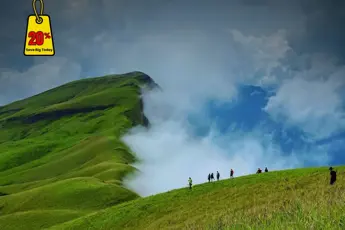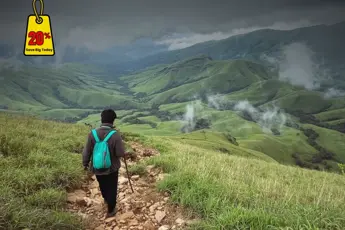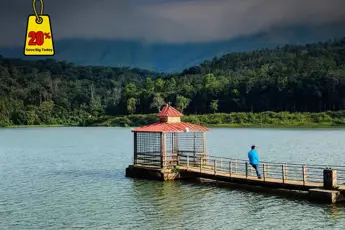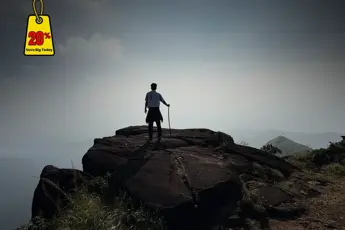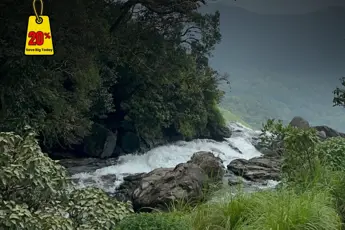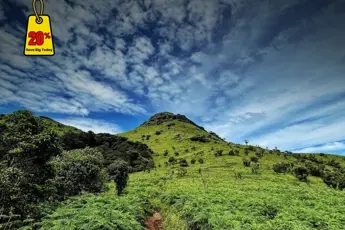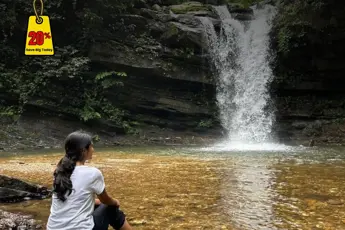

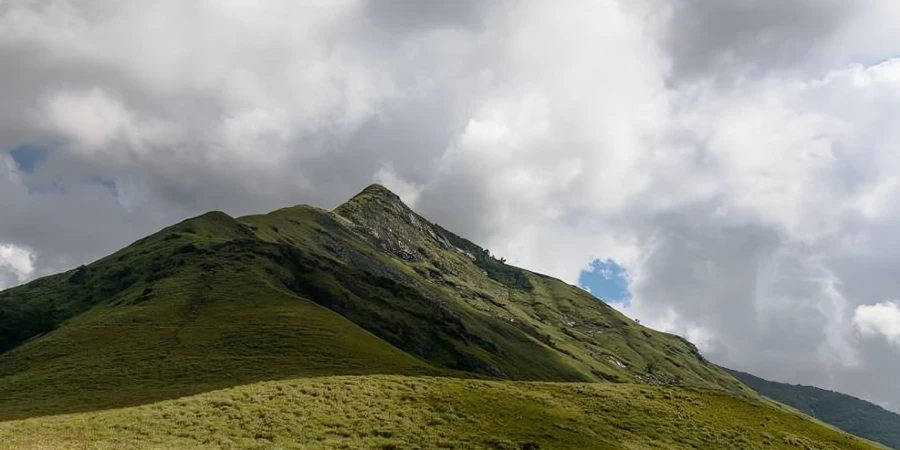
Chembra Peak, which rises to about 2,100 meters (6,890 feet) above sea level, is heaven on earth for adventure sports enthusiasts, nature enthusiasts, and trekkers. Located in the Wayanad district of Kerala state, India, the mountain offers stunningly gorgeous combinations of green scenery, valley veils of mist, and glimmering panoramas. This awe-inspiring marvel is situated in the Western Ghats, which is a UNESCO World Heritage Area famous for its ecological significance and rich biodiversity.Treks up to Chembra Peak are one of the most sought-after activities for people who want to witness nature's unspoiled beauty at some distance from city life. The peak is also well-known not only for being tall but also for the unbelievably scenic heart-shaped lake, Hridaya Thadakam, along the trekking path. The aforementioned never-drying lake gives the trek a unique type of beauty and is one of the most scenic places in Kerala. Trekking to Chembra Peak is a brave undertaking that allows tourists to experience the incredible diversity of flora and fauna, grassy meadows, and hill landscapes. The summit is a perfect place to relax for people who are looking for seclusion, adventure, and an exclusive experience in nature's lap. Mountain lovers and trekkers can explore more adventures through our Treks Near Bangalore guide.Best Time to Visit (Seasonal Fluctuations and Weather Patterns)It varies depending on the best time to visit a particular area. Because of India's geographical extent, different areas have their own climatic conditions.Himalayan Region (North India): April to June and September to November are the best months for Himalayan trekking. Summer (April-June) is pleasant weather with clear sky and rhododendrons in flower. July-August monsoon rain makes the track slippery and prone to landslides. Autumn (September-November) also is a good season since the weather is normal and freshness after the monsoon makes nature beautiful.Western Ghats & Southern India: October to March is the ideal time to trek here when the weather is pleasant and the humidity is bearable. June to September, the rainy season, experiences heavy rains and the trails are lush green and full of life but greasy and infested with leeches. Post-monsoon season treks in Munnar and Coorg experience breathtakingly green landscapes.Plateaus & Deserts (Rajasthan, Madhya Pradesh, Maharashtra): Plateau and desert regions are the most suitable to visit between October and February. During summer, it is too hot, especially in Rajasthan, with the temperature easily crossing 40°C. Winter months bring a very friendly climate, and outdoor activities are more enjoyable.Northeast India: October to April is the best time to visit this region. Monsoons (June-September) are wet but post-monsoon months turn the region into a breathtaking, green heaven. Winter months are chilly, particularly in high-altitude regions like Tawang and Ziro, but have good weather and views to die for.Trekking ExperienceTrekking is a great experience with great scenery, exposure to nature, and an inner sense of achievement at the top. It is a combination of endurance, experience, and preparation that provides a safe and value-based experience. If you are an amateur or an experienced trekker, information on the level of difficulty, time, trail information, and highlights can prove to be of invaluable assistance in rendering a value-added experience to you. Apart from that, awareness of precautions and suggestions required will make you feel confident and will reap the greatest advantage of your effort. Nature lovers exploring Kerala often enjoy our Chembra Peak Trek Package for a guided trekking experience.Trek Difficulty Level and DurationDifficulty level in a trek depends on a gain in elevation, terrain, weather, and distance. The trekking trails are easy, moderate, or challenging.Simple Treks: Suitable for beginners and family groups. They are on ordinary trails with little elevation. The duration takes between one day and a few hours.Moderate Treks: For frequent trekkers, with steeper climbs, slippery terrain, and more extensive walking, usually two to five days.Challenging Treks: Best suited for veterans and entails rough terrain, steep ascents, and adverse climates. Certain of the challenging treks last more than a week and demand physical endurance and mental toughness.Precautions and Tips for a Safe TrekTrekking, although rewarding, is best prepared to be safe. Some of the key precautions and tips for a safe and enjoyable trekking experience are:Plan and Research: Consult the trail details, probable weather, and permits needed before setting out on your hike.Physical Conditioning: Practice fitness training such as endurance training, strength training, and flexibility training to condition yourself for the trek.Bring Necessary Equipment: Pack suitable trekking equipment, such as strong shoes, weather gear, a backpack, a first aid kit, and trekking poles.Hydration and Nutrition: Pack sufficient water and energy-releasing foods to ensure hydration and conserve stamina throughout the trek.Begin Early: Hike early in the morning to avoid bad weather and have enough daylight to return.Pace Yourself: Don't exhaust yourself and take rests when needed. Maintain a consistent pace to avoid fatigue.Respect Nature: Apply the Leave No Trace concept by avoiding littering, not disturbing wildlife, and leaving as little environmental impact as possible. Verify Weather Conditions: Poor weather can be dangerous. Always verify the weather forecast before embarking on a trek.Stay on Trail Markers: Stay on trails and never take other routes to get lost.Trek in Groups: Trekking in groups or with a guide is safer and has backup in case of an emergency.Acclimatize to High Altitude: Provide enough time to acclimatize when trekking at high altitude to escape altitude sickness.Emergency Preparedness: Learn emergency numbers by heart, always keep a whistle handy with you, and learn basic first aid in case of accidents. Well-planned and properly executed trekking ensures an experience of remembrance value and heavenly moments.Nearby AttractionsWhen you are here at our resort, you are surrounded by some of the world's most beautiful natural and cultural locations. Whether you are an adventurer, nature enthusiast, or a history buff, the locations around you are full of experience. From waterfalls to ancient caves and peaceful dams, all such locations are a treat in itself. Let us see some of the locations which you must visit:Meenmutty Waterfalls: Meenmutty Waterfalls is Kerala's most picturesque waterfall and Wayanad's pride. It is concealed behind the foliage and is Kerala's second-highest fall, falling by a distance of approximately 300 meters in three lovely steps. 'Meenmutty' is 'where fish are stopped,' as named after natural rock formations, which stop the upstream flow of fish. The trip to Meenmutty Waterfalls is an experience in itself. Though the waterfalls surrounding us need not be crossed at all, Meenmutty must be approached after a 2 km trek and therefore is an adventure for trekkers and nature enthusiasts alike. The trekking trail is bordered by wildlife and dense bushes therefore providing an adventurous experience to the trek.Soochipara Waterfalls: Another stunning natural wonder in Wayanad is the Soochipara Waterfalls, also known as Sentinel Rock Waterfalls. This three-tiered waterfall cascades from a height of about 200 meters and is located near Meppadi in the Western Ghats. Soochipara derives its name from ‘Soochi’ meaning needle and ‘Para’ meaning rock, referencing the sharp, needle-like rock formations found in the area. You can trek 1.5 kilometres to Soochipara Waterfalls along the dense forest. It is a highly easy and serene journey, particularly for nature trekkers.Edakkal Caves: Edakkal Caves are heaven for historians and archaeologists. Located on Ambukuthi Hills at a height of 1,200 meters above sea level, the caves are prehistoric and contain some of India's most beautiful prehistoric petroglyphs and rock paintings. 'Edakkal' literally means 'a stone in between' because of the unique rock formation that creates a cave-like situation. You must travel quite a decent distance of approximately 1.5 km along bumpy ground to find the caves.Banasura Sagar Dam: For all those who want something serene and scenic, Banasura Sagar Dam is the destination. India's largest earth dam and Asia's second largest dam, it is also an engineering wonder and scenic beauty. Situated at the foot of Banasura Hills, built over the Karamanathodu tributary of the Kabini River. The most picturesque location at Banasura Sagar Dam is the series of islands that jut out of the reservoir and transform the backdrop into a landscape of unparalleled beauty. The islands are formed as the surrounding areas get submerged during the construction of the dam, thus making it all the more beautiful.How to Reach Chembra PeakChembra Peak is 2,100 meters high and is the peak of Wayanad. Trekkers prefer it and nature lovers as in the proximity area there are plenty of greens, the way it looks, and on top, there's always a full heart-shaped lake as narrated in the folk story. Although trekking up to the peak of Chembra Peak reaches nearer to Meppadi town, ascending to the level would not be overlooked.If you are travelling there for sightseeing, then the most convenient way of travelling and transportation will be to reach this lovely destination without any hassle. All those destinations of travelling to there, such as nearby local railway stations, roads, local transport, and nearest airports, have been discussed in this travel guide on your behalf.Nearest AirportsFor tourists from distant locations, Calicut International Airport (Kozhikode Airport - CCJ) is the nearest airport to Chembra Peak and is approximately 92 km from Wayanad. Calicut Airport is well connected with Indian major cities like Bangalore, Chennai, Delhi, and Mumbai, and Middle Eastern international airports too. From Calicut Airport, you can reach Wayanad through a range of alternatives:By Cab: External private cabs and taxis are available, and it will take 3 hours to Wayanad.By Bus: Kerala State Road Transport Corporation (KSRTC) and private buses ply from Wayanad to Kozhikode. By Car Rental: Hire a self-drive car for the convenience and flexibility of your trip. There are a few airports nearby like Kannur International Airport (118 km) and Coimbatore International Airport (190 km), but they are not near Calicut Airport.Nearest Railway StationsIf you are not against travelling by train, the closest railway station to Chembra Peak is the Kozhikode Railway Station (CLT), 85 km away from Wayanad. Kozhikode town itself is a big railway junction centre and quite well connected with Bangalore, Chennai, Hyderabad, and Mumbai. Go further from Kozhikode Railway Station by:Taxis: Prepaid taxi services are available at the railway station.Buses: KSRTC and private buses on regular routes from Wayanad to Kozhikode. A car on-rent facility is provided by Kerala Tourism, which can be availed close to the station. No direct rail connectivity to Wayanad, and therefore the best option is through Kozhikode.Road Routes to Chembra PeakFor a road tour, Wayanad is reasonably well-linked with key towns of Kerala and neighbouring states by an extensive road network. The best among them to proceed towards Chembra Peak are:Bangalore (280 km): The shortest route is Mysore – Nanjangud – Gundlupet – Sulthan Bathery – Kalpetta – Meppadi.From Kozhikode (85 km): Follow NH766 road through Thamarassery Ghat Road to Kalpetta, and on to Meppadi.From Mysore (130 km): Travel on Gundlupet and Sulthan Bathery road to Wayanad.From Kochi (260 km): Travel on the NH66 road to Kozhikode, and further to Wayanad. From Wayanad, you have to drive up to Meppadi, which is the nearest town to Chembra Peak. The starting point of the trek from Meppadi is roughly 7 km. Local taxis or auto-rickshaws can be taken to the trekking starting point.Local Transport FacilitiesWayanad is a very easy place to get around with ample local transportation available:Auto-rickshaws: Convenient for within-town travel within Kalpetta and Meppadi towns.Buses: KSRTC and private buses run between key towns at fixed intervals.Taxis & Cabs: Can be rented at affordable prices.Bike Rentals: For honeymooners or those wishing to explore the place on their own.Extra Travel Tips Trekking Permits: Obtain trekking permits from the forest office at Meppadi. Best Time to Visit: The best time from a climatic perspective is October to March to attempt the trek. Physical Fitness Level: One should be moderately physically fit for the trek.