01
Soor Sarovar Bird Sanctuary (Keetham Lake)
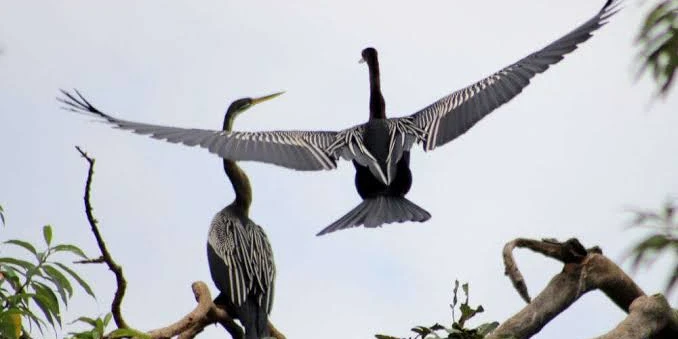
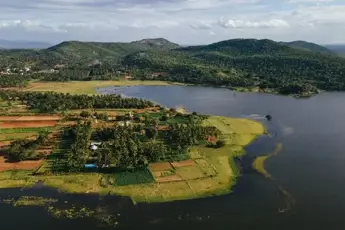
The bird sanctuary at Keetham Lake (also known as the Soor Sarovar Bird Sanctuary) is a significant nature point around Agra. Keetham Lake has birds of all types – migratory, cranes, kingfishers and natives; as well as various species of animals scattered throughout a preserved expanse. At the core is a picturesque Keetham Lake that increases its natural exquisiteness. This serene spot with nature paths is a great getaway from the chaos and grandeur of the city monuments. It was our first time at the Wildlife Sanctuary that we visited purely to make a stopover during our road trip.Major Attractions: Keetham Lake, Bird Sanctuary, Wildlife Reserve, Nature TrailsTop Activities: Birdwatching, wildlife photography, boating, nature walksDuration: Half DayBest Time to Visit: November to FebruaryIt was the crack of dawn winter when we entered from Vrindavan; our arrival was a bit delayed as compared to our planned timing. At around 10 am, the place was buzzing with activity, with the birds making a retreat into the deep woods. Even then, you can spot some there: During the winters, the place is visited by migratory birds, and thus wintertime is apt to visit by tourists of any age. If birdwatching (especially bird photography) fascinates you, then this place will surely impress you with its beautiful avian collection. But there must be some way that the authorities should find to limit this kind of crowd management. Though we have been given cycle rickshaws (jeeps are not functional), which is not bad, you can at least try walking through the wildlife sanctuary to feel the ambience.
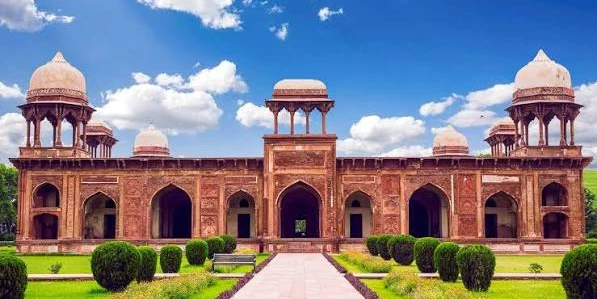
Near the tomb of Sikandra lies the tomb of Mariam-uz-Zamani. Wife of Emperor Akbar and the mother of Emperor Jahangir. It displays a mingling of Rajput and Mughal architecture. Set in a garden, the ambience is tranquil and transports you back to the Mughal era. It may not be the most thronged attraction, but it does share with us the tales of the contribution of women in the royal household to art and politics. Actually, the intriguing thing is that there are three graves, even though there is only one person buried here.Major Attractions: Mughal Mausoleum, Garden Complex, Historical Architecture, Heritage SiteTop Activities: Historical tours, photography, heritage explorationDuration: 1 HourBest Time to Visit: October to MarchMariam-uz-Zamani. The uppermost of these three, located at the very top of the monument is open to the sky in a similar fashion to Akbar’s cenotaph, and according to Catherine Asher, it is the association with the concept of light within the Mughal canon, that seems relevant, as seen from the inscription in Persian over the entrance to the gate of the Akbar cenotaph in the roof of the monument to him “May his soul shine like the sun and the moon, like the light of the Lord, and it doesn’t seem like a great leap of faith to attribute similar symbolic sentiments to his son Jahangir who was the author of his father’s monument. Of course, there’s no need for any particular inference – if not for the Mughal connection, Islamic mysticism dictates that tombs may be open to the sky, as the grave of Babur in Kabul (the paternal grandfather of Akbar) demonstrates.
03
Gurudwara Guru Ka Taal
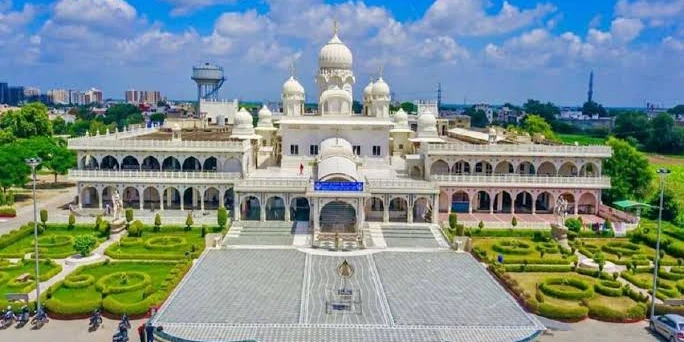
Gurudwara Guru Ka Taal is the most venerated and religiously revered destination for Sikhs in Agra. This sacred shrine commemorates the place where the ninth Sikh Guru, Guru Tegh Bahadur, presented himself before the Mughal emperor to express his outrage against the atrocities of religious oppression and bigotry.Major Attractions: Sikh Shrine, Religious Architecture, Prayer Hall, Historical MemorialTop Activities: Spiritual visits, religious tourism, photography, cultural explorationDuration: 1–2 HoursBest Time to Visit: October to MarchMany visitors and devout followers visit the Gurudwara to see the exquisite white marble architecture and serene atmosphere in the praying halls that is permeated with spirituality in every corner of the holy complex. At the gurudwara, one gets to experience serenity with a communal dinner arrangement known as a 'langar' (free dining hall), which offers delicious vegetarian meals to the devotees and the tourists visiting the place. Essentially, it's not just a brilliant architectural marvel, but it is also the openhandedness and conviviality of the Sikh culture that appeals to many people, including outsiders. Guru Ka Talis is a great reminder of brave heart and unity in divinity.
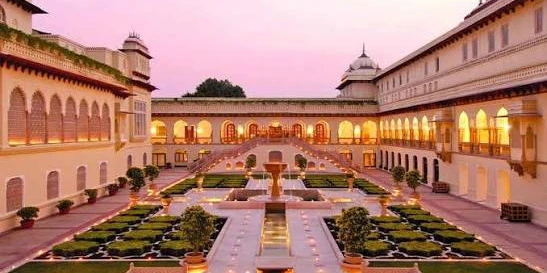
This garden is in the Persian style of gardens, and the garden has been developed in three levels. These three levels include the first level, which includes the flower garden and vegetables; the second level, having flower beds as well as beautiful stone-paved terraces with a kiosk; and the highest level with buildings, terraces and water tanks. The river bank with pleasant, cool and fresh breezes blowing throughout, dense trees providing cool shade, and water streaming through canals and cascades in the cool and pleasant garden, made it a refreshing and leisurely resort in extreme hot climate of Agra.Major Attractions: Mughal Gardens, Water Channels, Historical Landscape Design, Riverfront SettingTop Activities: Heritage walks, photography, sightseeing, historical explorationDuration: 1–2 HoursBest Time to Visit: October to MarchIt is reported that Jahangir liked visiting the garden, a marvellous natural wonder. One of the very first Mughal gardens, of historical relevance, Ram Bagh is a page torn from the grand and developing Mughal garden. Laid out by Babar, the very definition of a Persian garden: It is designed on the principles of vertical and horizontal streams of water, pools, a water course through terraces and trees. The gardens lie next to the river Yamuna; a calm oasis for one to reflect and get a glimpse into the progressive stream of garden art which influenced so many of the later gardens, even those within the Taj Mahal. Ram Bagh in the modern day is a place of tranquillity and contemplation for history and architecture lovers.
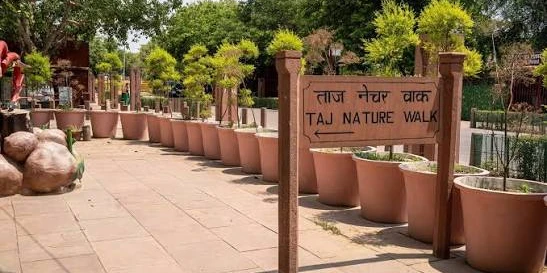
The Taj Nature Walk is a park located only a few kilometres away from the Taj Mahal. A nature-lover's paradise, it is a natural escape that is guarded and maintained by the tourism department of Uttar Pradesh. It sprawls over a vast expanse of greenery where one can stroll down the nature trails, appreciate nature and enjoy panoramic views of the region, including the Taj.Major Attractions: Nature Trails, Taj Mahal Viewpoints, Forest Area, Bird WatchingTop Activities: Walking, photography, birdwatching, nature explorationDuration: 2–3 HoursBest Time to Visit: October to MarchThis is where many fitness freaks, bird watchers, and camera freaks flock as they are always on the lookout for some breathtaking pictures. This park is also frequently frequented by the fitness freaks and bird watchers, as well as the camera enthusiasts, who want some breath taking shots.
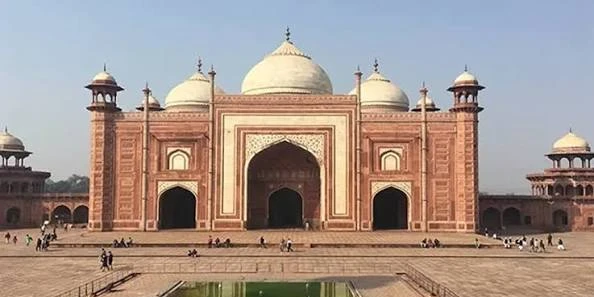
The Second Most Magnificent Mughal Monument - Agra Mosque. In Mughal times, the grand construction known as the Agra Mosque was built in order to please Jahanara Begum, a wonderful daughter; the construction was carried out by Mughal Emperor Shah Jahan. The workmanship was nothing less than perfect, as it contained several architectural pieces, such as intricately adorned arches, enchantingly dome-shaped roofs and wonderfully carved minarets.Major Attractions: Mughal Mosque Architecture, Prayer Halls, Courtyards, Historical StructuresTop Activities: Heritage visits, photography, religious tourism, architectural explorationDuration: 1–2 HoursBest Time to Visit: October to MarchIt is said that the building, which also contains vast open spaces and a great mosque where prayer can be conducted, is very near to the fort of Agra. In many ways, it still acts as a home of God where people offer their daily prayers. Those who have visited the place have marvelled at the stonework on the monuments and delicate writings carved with perfection. To take in the ambience of the building, you may visit the locality, where you can appreciate the importance of this monument, especially if you consider the local market situated next to it.
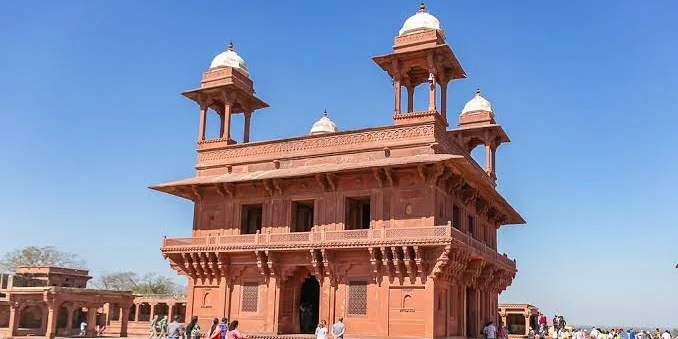
Just about 40 kms away from Agra, Fatehpur Sikri is a marvellous example of Mughal architecture and city planning. This UNESCO World Heritage Site, which is also a fortified city, was established in the 16th century by Emperor Akbar and remained the capital of the Mughal Empire for a period of time.Major Attractions: Buland Darwaza, Jama Masjid, Panch Mahal, Diwan-i-Khas, Tomb of Salim ChishtiTop Activities: Heritage exploration, photography, historical tours, architectural sightseeingDuration: 1 DayBest Time to Visit: October to MarchIt's in Fatehpur Sikri that you will observe a wonderful mix of Persian, Indian and Islamic architectural features. In Fatehpur Sikri, you can explore many breathtaking buildings like Buland Darwaza (a gateway of victory built by Akbar, and one of the highest in the world), Jama Masjid, Panch Mahal, Diwan-i-Khas, and Tomb of Salim Chishti. All its glory, grandeur and aura have been preserved for ages, and a visit to Fatehpur Sikri definitely transports you to the grand times of the Mughals. It's certainly one of the places you must see while visiting India, as its culture, history, grand architecture, and aura are truly worth seeing.
08
Akbar's Tomb at Sikandra
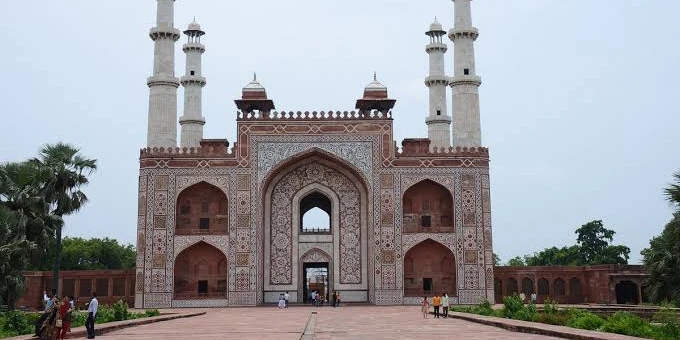
Sikandra, in the city of Agra in India, houses the mausoleum of Akbar, the most glorious king among the Mughal Emperors in the world. Akbar's Tomb is one of the final destinations of the great king. The emperor had made prior arrangements to get the construction of the monument done according to his wishes, and it was the son of Akbar who finalised the building of the structure.Major Attractions: Emperor Akbar's Mausoleum, Mughal Gardens, Gateway Architecture, Historical ComplexTop Activities: Historical exploration, photography, heritage walks, architectural studyDuration: Half DayBest Time to Visit: October to MarchThe architecture is a fine blend of Islamic, Persian, Hindu and Buddhist styles, making it a perfect example of its kind. It is placed in the vicinity of an elegant park. There is a fabulous entrance gateway with stunningly ornate marble inlay. It is also shaped like a pyramidal monument with beautifully kept green lawns and an atmosphere that offers peace and serenity, thereby providing a highly attractive tourist spot for Mughal history enthusiasts. Many animals and birds are found residing in the gardens that surround the tomb, built in respect of the principles of amity advocated by Akbar.
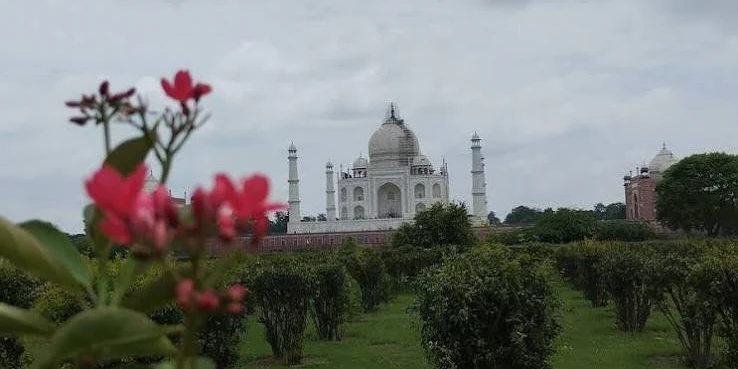
One of the popular destinations to visit in Agra, Mehtab Bagh means Moonlight Garden, which showcases amazing vistas of the Taj Mahal. Built during the reign of Emperor Shah Jahan, it is the best option to enjoy the monument at sunset. A well-maintained Mughal garden is laid across the Yamuna’s riverbank, which is a copy-paste of the Taj Mahal itself.Major Attractions: Taj Mahal Viewpoint, Mughal Gardens, Yamuna Riverfront, Sunset ViewsTop Activities: Sunset photography, leisure walks, sightseeing, landscape photographyDuration: 2 HoursBest Time to Visit: October to MarchBeing sprawled across 25 acres, the manicured greenery is perfect for travellers who wish to take a relaxing vacation away from all the hustle. With its open lawns and spacious terraces, this perfectly geometrical garden stands out as the most picturesque place to get an unobstructed and fresh look at the magnificent monument.
10
Itimad-ud-Daulah (Baby Taj)
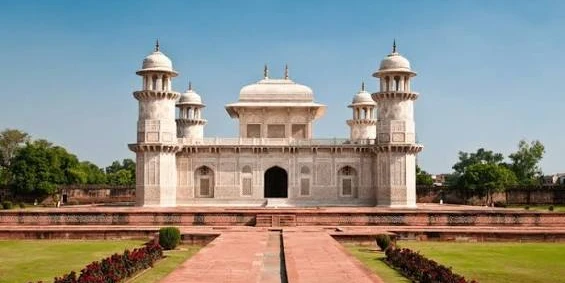
Fondly named the Baby Taj, Itimad-ud-Daulah is another Mughal monument of architectural wonder that proudly owns the distinction of setting the design of the famous Taj Mahal. Built by Mughal empress Nur Jahan in honour of her father Mirza Ghiyas Beg, the grand tomb is an artistic marvel known for exquisite marble work and detailing expertise.Major Attractions: Marble Tomb, Persian Gardens, Intricate Pietra Dura Work, Riverfront ViewsTop Activities: Photography, architectural exploration, heritage walks, cultural sightseeingDuration: 2–3 HoursBest Time to Visit: October to MarchIt departed from the tradition of constructing monuments in red sandstone adopted by Mughal kings, thus paving the path for a new style of white marble architecture adorned with fine lattice work, extensive pietra dura, floral designs and Mughal gardens that had an influence on the making of the Taj Mahal.
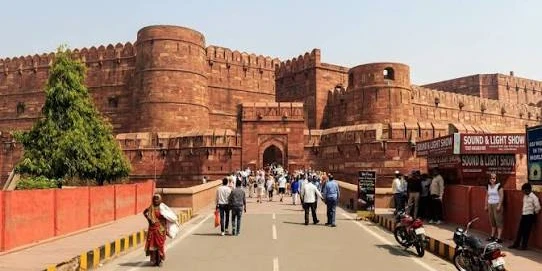
A vital element of Indian Imperial history, this fort is a fantastic embodiment of the Mughal martial design. Initially used as a fort, this huge structure was altered into a palatial fort throughout the 1500s by Emperor Akbar. This marvellous historic fort served as home to the Mughal Emperors, and today, it is a UNESCO World Heritage Site. Building, made up of red stone, while the rest of it was renovated with marble now and then; the works of the Mughals are visible across the riverbank of the river Yamuna. This colossal fort is well guarded by fort walls and includes palaces, marvellous audience halls, beautiful mosques and also exquisite gardens.Major Attractions: Jahangir Palace, Diwan-i-Aam, Diwan-i-Khas, Musamman Burj, Sheesh MahalTop Activities: Historical tours, architecture photography, guided heritage walks, cultural explorationDuration: Half DayBest Time to Visit: October to MarchThe amazing elements that will lure you are Diwan-i-Aam (Hall of public audience), Diwan-i-Khas (Hall of private audience), and Jahangiri Mahal. Further, there is the beautiful Musamman Burj, from which the Great Emperor Shah Jahan, who spent his last days in imprisonment in this, had a clear view of the grandeur of the Taj Mahal. It is a place of spectacular designs, striking arcs, great craftsmanship of the Mughals, and war, politics, opulence, and art of the glorious empire in the past.
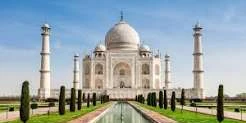
The World’s Most Admired & Flawless creation. The most romantic and celebrated monuments of the world are in Agra, a historical and epic city for tours and travelling for Indians. Situated in Uttar Pradesh State on the banks of the River Yamuna, Agra offers tourists a historical tour of Mughal-period architecture and rich culture and art. Crafted by Emperor Shahjahan as a symbol of everlasting love, using marble that reflects the purest water, this ‘Taj Mahal’ would just amaze a huge number of visitors with its sheer magnificence. Apart from the Taj, the other locations in Agra will definitely fascinate you; for example, the Agra Fort, which reflects the magnificence of the Mughal culture and craftsmanship and offers a unique royal chamber.Major Attractions: Taj Mahal, Agra Fort, Mehtab Bagh, Itimad-ud-Daulah (Baby Taj), Taj Nature WalkTop Activities: Sunrise and sunset photography, heritage walks, architectural exploration, cultural sightseeing, riverfront experiencesDuration: 2 DaysBest Time to Visit: October to MarchEnjoy the fortifications, which are beautifully created; besides, you would enjoy exploring Itimad-ud-Daulah, the ‘Baby Taj ’, which played a part in giving design ideas to build The Taj. Narrow lanes with all colours of life and a unique array of shops at markets and a variety of tasty regional cuisine in Agra would enhance your trip significantly. Witnessing sunset at The Taj Mahal from Mehtab Bagh is a special occasion that will cherish your memory of Agra; then a nature walk in the Taj Nature Walk would lead you into a detailed study of the monument, which enhances the allure of the monument along with surrounding lush green scenery; it will be a mesmerising and charming experience which you will always cherish for a long period of time.