Srinagar
Srinagar
Search

Search Your Favourite Destination...
LONG WEEKEND ALERT! 1 DAYS TO GO — Where are you escaping? 🔥

 Kishtwar, Jammu & Kashmir
  Min Age18+
 TaxNo Hidden Charges
Starting from INR 27141
Per Person
( Inclusive of all taxes )

Meal

Permit

Trekking

Guide

Tea Snacks

Transport

Tent Stay
Meal
Permit
Trekking
Guide
Tea Snacks
Transport
Tent Stay
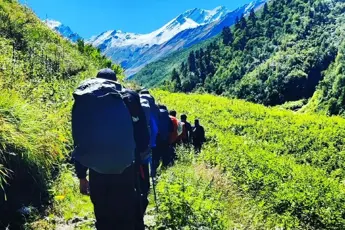
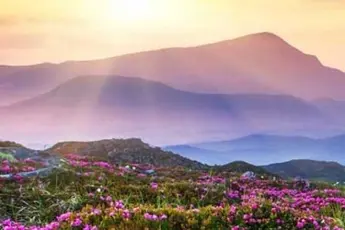
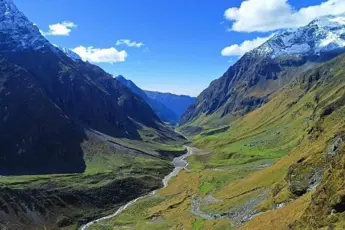
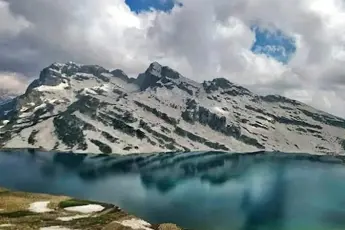
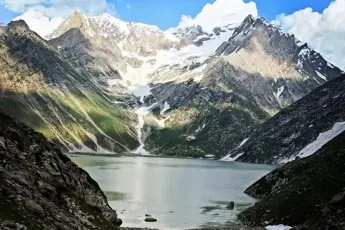
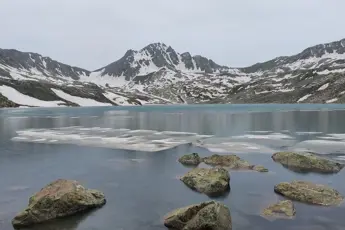
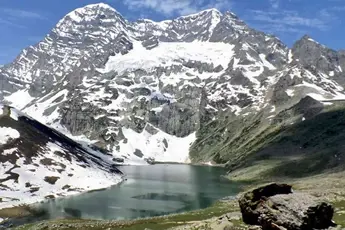
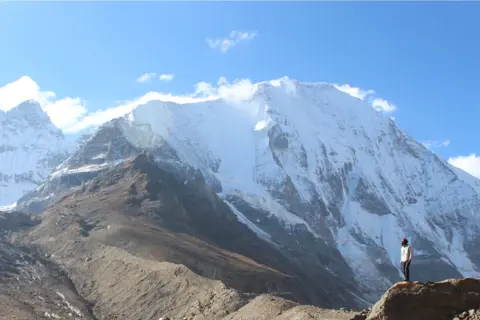
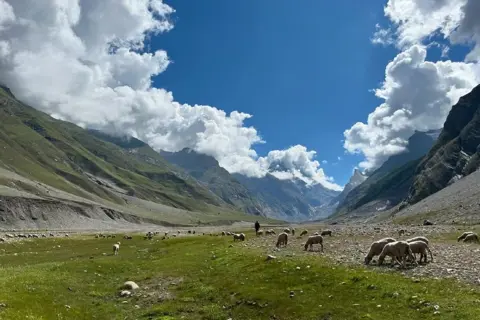
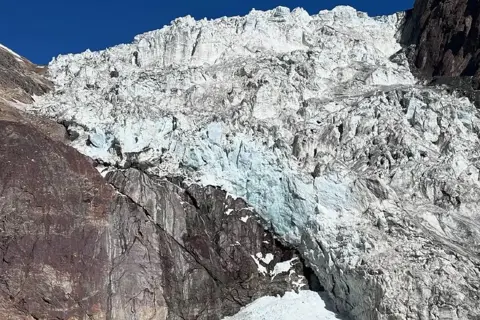
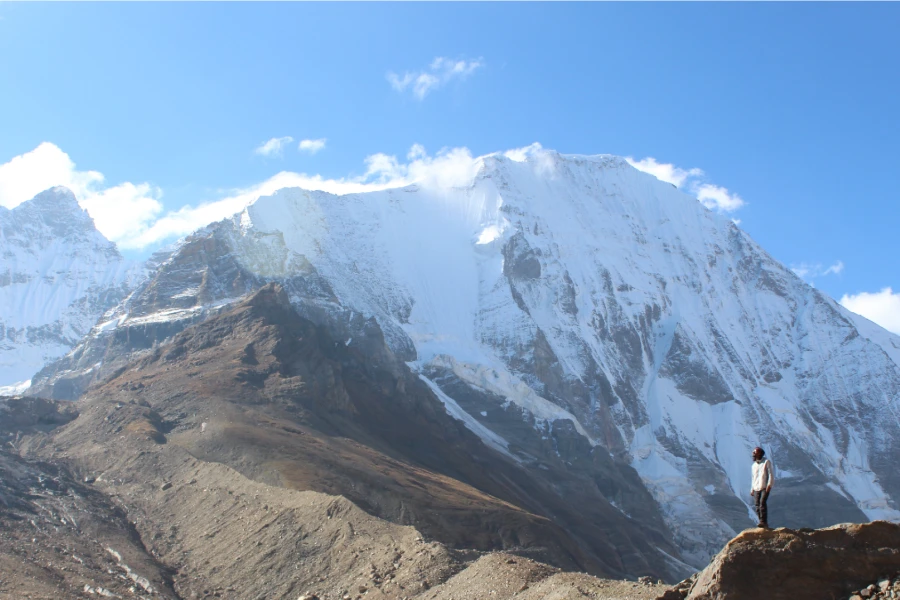
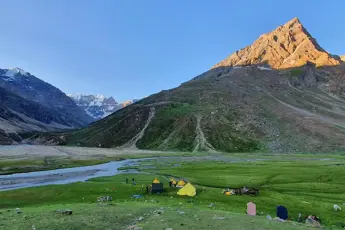
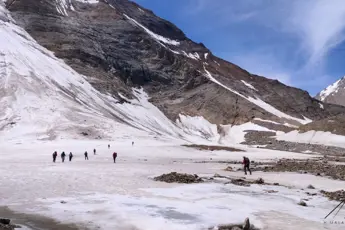
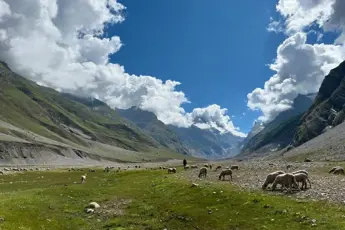
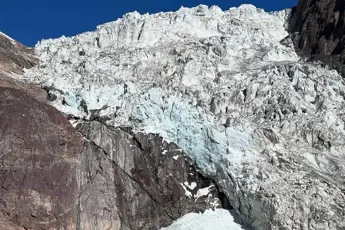
Warwan Valley Trek is a hidden Himalayan gem offering untouched landscapes, glacial rivers, and breathtaking scenery.The trek begins in Panikhar, Ladakh, and leads into Warwan Valley, passing through lush meadows and remote villages.Trekkers experience stunning views of the Kaintal Glacier, high-altitude pastures, and snow-capped peaks along the route.This moderate-to-challenging trek reaches altitudes of over 4,000 meters, making it perfect for experienced adventurers.Warwan Valley Trek offers a blend of Ladakhi and Kashmiri cultures, providing insight into local traditions and hospitality.The best trekking season is from June to September when the valley blooms with wildflowers and the trails are clear.The trek is rich in diverse flora and fauna, offering sightings of rare Himalayan wildlife and pristine natural surroundings.Unlike commercialized treks, Warwan Valley remains secluded, ensuring peace, solitude, and a true offbeat experience.The route includes river crossings, alpine pastures, and ancient villages, making it a thrilling and scenic adventure.Ideal for nature lovers and trekkers seeking an untouched paradise, Warwan Valley Trek is Kashmir’s best-kept secret.
Activity location: Kishtwar, Jammu & KashmirTrip Duration: 9 Days | 8 NightsBest Time to Visit: July and AugustTrekking Distance: 48-50 KMMax. Altitude: 14,500 feet (4,418 meters)Warwan Valley Trek Difficulty Level: ModerateMeals: Vegetarian mealsAccommodation: Camping Tent (Triple/Quad Sharing)About Warwan Valley Trek, Jammu & Kashmir.The Warwan Valley Trek is a breathtaking Himalayan adventure that takes you through one of Kashmir’s most pristine and untouched landscapes. Nestled between the Zanskar and Kashmir valleys, this high-altitude trek is a paradise for nature lovers, offering lush meadows, glacial rivers, and towering peaks. Starting from Panikhar in Ladakh and stretching into the remote Warwan Valley, the trek is known for its dramatic scenery, crystal-clear streams, and diverse flora and fauna. Unlike more commercialized trekking routes, Warwan Valley Trek remains relatively unexplored, making it an ideal choice for those seeking solitude and raw natural beauty.This moderate-to-challenging trek takes you across alpine pastures, ancient villages, and the striking Kaintal Glacier, with altitudes reaching over 4,000 meters. The trail offers a unique blend of Ladakhi and Kashmiri cultures, giving trekkers an immersive experience of local traditions and hospitality. The best time to embark on the Warwan Valley Trek is between June and September when the valley is in full bloom. Whether you are an adventure seeker or a nature enthusiast, this trek promises an unforgettable journey through Kashmir’s hidden paradise. Visit the sacred Gangabal Lake, nestled beneath Mount Harmukh, on a stunning trail full of alpine meadows, nomadic shepherds, and serene reflections.Trending Packages: Naranag Gangabal Trek |Rohil Basmai Valley Trek |Thajiwas Glacier Trek |Tulian Lake Trek |Gangabal Lake Trek
This Package Includes:Transportation from Srinagar to SrinagarTrekkingExperienced & Certified trek leader and local support staffFirst AidAll MealsAccommodationHigh quality tents, sleeping bagsAll Permits And Passes Wherever RequiredMedical Kit
Trekking Gear Personal equipmentAny additional activities or services not included in the itineraryMeal During Road JourneyPotters Or Mule To Carry Personal LuggageAnything not mentioned in the includes
Kishtwar
Pickup to you from Srinagar Drive to Panikhar (10,700 ft )185 km (7/8 hours).Pickup from Srinagar and drive to Panikhar, covering 185 km in approximately 7-8 hours.Journey follows the scenic Srinagar-Leh Highway, offering breathtaking landscapes.Start from Srinagar, known for Dal Lake, Mughal gardens, and stunning surroundings.Pass through Sonamarg, a beautiful valley with lush meadows and the Thajiwas Glacier.Ascend through Zoji La Pass, a crucial mountain pass with panoramic mountain views.Drive through Drass, the “second coldest inhabited place on Earth,” famous for its climate.Pass by Kargil, a historically significant town known for its role in the Kargil War.Witness ancient rock carvings and a Maitreya Buddha statue in Mulbekh en route.Arrive at Panikhar, located at 10,700 feet, offering mesmerizing mountain views.Panikhar serves as a base for multiple treks, including the famous Nun Kun Trek.
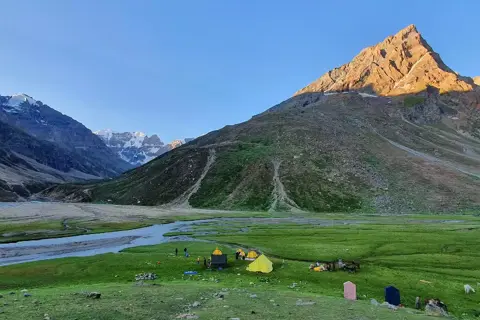
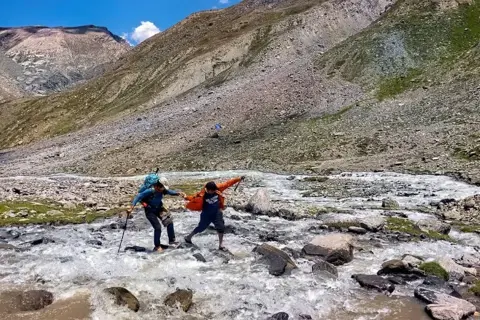
Trek from Panikhar to Denora Camp 12 km (7/8 hours) (12375 ft) overnight stay Camp.Trek from Panikhar to Denora Camp covering 12 km in approximately 7-8 hours.Start at Panikhar (10,700 ft) and enjoy stunning mountain views before beginning the ascent.Initial trek includes a gradual ascent through lush meadows and small traditional villages.Encounter glacial streams and river crossings that add adventure to the trekking experience.Reach Denora Camp at 12,375 ft, a scenic campsite surrounded by breathtaking mountain views.Ensure proper trekking gear, warm clothing, and essential supplies for a comfortable journey.Acclimatize properly to high altitude to avoid altitude sickness and ensure a smooth trek.It’s recommended to trek with an experienced guide or a trekking agency for safety.Carry sufficient water and energy-packed snacks to stay hydrated and energized.Overnight stay at Denora Camp, resting under the stars in the heart of the Himalayas.
Trek from Denora Camp to Kalapari Camp 03 km) (2/3 hours) 12875 ft) overnight stay Camp.Trek from Denora Camp to Kalapari Camp covering 3 km in about 2-3 hours.Start from Denora Camp, enjoying the peaceful surroundings before beginning the trek.The trail involves a gradual ascent through scenic meadows, rocky paths, and small streams.Experience breathtaking views of the Warwan Valley and surrounding Himalayan peaks.Reach Kalapari Camp at 12,875 ft, a serene campsite with mesmerizing mountain vistas.A relatively easy trek compared to the previous day, allowing time for relaxation.Ideal spot to acclimatize further to the altitude and prepare for the next trekking days.Stay hydrated and maintain a steady pace to adjust to the high-altitude environment.Overnight stay at Kalapari Camp, soaking in the tranquility of the Himalayan wilderness.
Rest day and Exploration Day.Take a well-deserved rest to recover from previous trekking days and acclimatize to the altitude.Explore the beautiful surroundings of Kalapari Camp and enjoy breathtaking mountain views.Go for a short hike to nearby viewpoints for stunning panoramic views of Warwan Valley.Capture mesmerizing landscapes, snow-capped peaks, and alpine meadows with your camera.Interact with fellow trekkers and share experiences while soaking in the tranquil environment.Observe local flora and fauna, spotting unique Himalayan plants and possibly wildlife.Meditate or practice yoga to relax, rejuvenate, and enhance your trekking experience.Hydrate well and maintain energy levels with nutritious meals to stay fit for upcoming treks.Spend the evening stargazing, enjoying the clear night sky away from city lights.Prepare for the next day’s trek by checking gear, supplies, and ensuring proper rest.
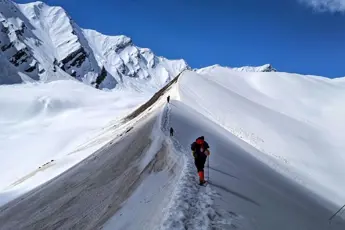
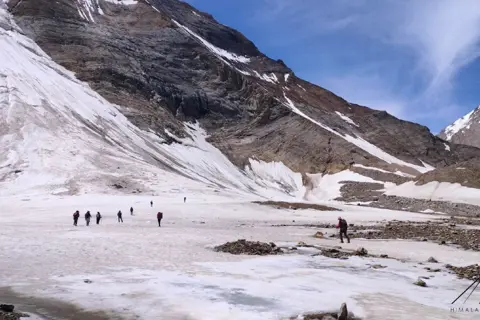
Trek from Kalapari to Kaintal via Lomvilad Pass (17 km) (11/12 hours) 14495 ft) overnight stay Camp.Trek from Kalapari to Kaintal via Lomvilad Pass, covering 17 km in 11-12 hours.Start from Kalapari Camp (12,875 ft), enjoying a serene sunrise before beginning the trek.Ascend towards Lomvilad Pass (14,495 ft), tackling steep and rocky terrain requiring stamina.Reach the Lomvilad Pass and witness breathtaking panoramic views of mountains and valleys.Begin the descent towards Kaintal, navigating challenging trails with proper caution.Enjoy stunning views of Kaintal Valley, surrounded by pristine natural beauty.Arrive at Kaintal campsite (14,495 ft), an ideal place to rest after a demanding trek.Set up camp for the night, relax, and rejuvenate in the peaceful Himalayan wilderness.Stay hydrated and maintain a steady pace to avoid exhaustion and altitude sickness.Prepare for the next trekking days by checking gear and ensuring proper rest.
Trek from Kaintal to Humpet Camp (16.5km) (7/8 hours) 11120 ft) overnight stay Camp.Trek from Kaintal to Humpet Camp, covering 16.5 km in approximately 7-8 hours.Start from Kaintal Camp (14,495 ft) after breakfast, preparing for a scenic journey.The trail features a mix of ascents and descents, with some steep and rocky sections.Enjoy stunning views of Warwan Valley and surrounding mountains throughout the trek.Pass through diverse landscapes, including alpine meadows and rugged mountain trails.Trek cautiously on challenging terrain, ensuring steady footing on rocky paths.Arrive at Humpet Camp (11,120 ft), a peaceful campsite surrounded by natural beauty.Rest and recover at the campsite, preparing for the next day’s trekking adventure.Trek with an experienced guide and stay aware of changing weather conditions.Stay hydrated, take breaks as needed, and soak in the serenity of the valley.
Trek from Humpet to Sukhnai Camp (14 km) (7/8 hours) (9320 ft) overnight stay Camp.Trek from Humpet to Sukhnai Camp, covering 14 km in about 7-8 hours.Start from Humpet Camp (11,120 ft) after a refreshing rest in the serene surroundings.Follow a gradual descent, making the trek easier than previous challenging days.Pass through lush meadows and forested trails, enjoying a refreshing change of scenery.Cross glacial streams and rivers, adding an element of adventure to the journey.Witness breathtaking views of the Sukhnai region, known for its scenic beauty.Arrive at Sukhnai Camp (9,320 ft), a peaceful campsite with stunning landscapes.Enjoy the relatively easier trek while maintaining endurance and steady footing.Take time to appreciate the pristine beauty of Warwan Valley along the route.Rest overnight at Sukhnai Camp, preparing for the final leg of the trek.
Trek from Sukhnai to Basmina and drive to Mati Gawran (16.5 km) (6/7 hours) 8350 ft) overnight stay Camp.Trek from Sukhnai to Basmina, covering 16.5 km in approximately 6-7 hours.Start from Sukhnai Camp (9,320 ft) after breakfast, preparing for the final trekking day.Follow a gradual descent through lush meadows, forests, and scenic landscapes.Pass by traditional villages and hamlets, experiencing the local way of life.Reach Basmina village (8,350 ft), a serene settlement offering cultural insights.Drive from Basmina to Mati Gawran, enjoying picturesque views along the route.Arrive at Mati Gawran and set up camp for an overnight stay in a peaceful environment.Rest and rejuvenate after a long trekking journey through the Warwan Valley.Maintain steady footing while descending and take necessary breaks along the trail.Celebrate the completion of an incredible trek through one of the most scenic regions.
Drive from Mati Gawran to Srinagar (111 km) (3/4 hours) our service end here We will reach Srinagar latest by 1 pm. Last 3:00 pm.Drive from Mati Gawran to Srinagar, covering 111 km in approximately 3-4 hours.Depart early in the morning to ensure arrival in Srinagar by 1 pm at the latest.Enjoy a scenic drive through the breathtaking landscapes of Jammu and Kashmir.Pass through charming villages, lush valleys, and winding mountain roads.Experience the transition from remote trekking trails to the vibrant city of Srinagar.Reflect on the incredible journey through Warwan Valley and its stunning beauty.Capture final moments of the adventure before concluding the trek with your team.Arrive in Srinagar, where the services of Himalayan Hikers officially end.Use the remaining day to explore Srinagar or relax after the long trek.Cherish memories of the Warwan Valley Trek, a journey through untouched wilderness.
Srinagar
Srinagar
ClothingTrekking Shoes: Sturdy, waterproof hiking boots with good grip.Warm Clothing: Thermal layers, fleece jackets, and a waterproof jacket.Trekking Pants: Quick-dry pants or cargo pants.T-shirts: Moisture-wicking T-shirts for comfort.Warm Hat and Gloves: For protection against cold.Socks: Wool or synthetic hiking socks (avoid cotton).Trekking GearBackpack: Comfortable daypack to carry essentials.Trekking Poles: Helpful for stability on steep trails.Rain Cover: For your backpack in case of rain.HydrationWater Bottles: Reusable water bottles or hydration bladder.Water Purification Tablets: For treating water from streams.Health and SafetyFirst Aid Kit: Basic first aid supplies, including antiseptics and band-aids.Personal Medications: Any prescription medications you require.Sunscreen: High SPF to protect against UV rays.Lip Balm: With SPF protection.MiscellaneousCamera: To capture the stunning landscapes.Multi-tool/Swiss Army Knife: For various uses.Headlamp/Flashlight: With extra batteries for nighttime.Toiletries: Biodegradable soap, toothbrush, toothpaste, toilet paper.Trash Bags: To carry back any waste.
Trusted by 50,000+ travelers for unforgettable outdoor adventures across South India.Professionally curated itinerariesExperienced trip captains & support teamSafe, organized, and beginner-friendly experiencesComfortable transport & verified staysHighly rated with excellent traveler reviewsTransparent pricing with no hidden costs12+ Years of Experience4.8★ Google Rating
Starting from INR 27141
Per Person
( Inclusive of all taxes )

(Incl. of all taxes)

Warwan Valley is one of Kashmir’s most remote and untouched regions, offering stunning landscapes with lush meadows, crystal-clear rivers, and towering peaks. Unlike other touristy locations, this valley remains pristine, giving trekkers a rare chance to experience unspoiled natural beauty, traditional villages, and a peaceful escape from modern civilization.
The valley is home to Gujjar and Bakarwal tribes, who have preserved their centuries-old traditions. They rely on cattle herding and agriculture for livelihood. Expect to see wooden houses, handwoven carpets, and locals dressed in traditional pherans. Their hospitality is heartwarming, often offering trekkers fresh milk, bread, and stories of the mountains.
On the trek, meals are simple yet nutritious. Expect a mix of dal, rice, vegetables, chapati, and sometimes local delicacies like Kashmiri Kahwa or butter tea. Since the trek passes through remote areas, fresh supplies are limited, but the hearty meals provide the necessary energy for high-altitude trekking.
Mobile connectivity is extremely limited in Warwan Valley. Once you leave the base camp, expect little to no signal for most of the trek. Only certain spots near villages may have weak network coverage. It’s best to inform family and work commitments beforehand and enjoy the digital detox amidst nature.
Warwan Valley is incredibly safe for trekkers, with friendly locals and a peaceful environment. However, its remoteness means emergency facilities are scarce. Proper preparation, experienced guides, and good fitness levels are essential. Wildlife sightings are rare, and the biggest challenge is tackling high-altitude passes and unpredictable weather.
The valley is home to Himalayan wildlife like brown bears, marmots, ibex, and golden eagles. Though encounters are rare, you may see marmots playing in meadows or spot an eagle soaring above. The region’s biodiversity is remarkable, with wildflowers, medicinal herbs, and pristine rivers sustaining its unique ecosystem.
The ideal trekking season is from mid-June to September when the valley is in full bloom. The meadows are lush green, rivers flow calmly, and the weather remains pleasant. Winters are harsh, making the region inaccessible due to heavy snowfall. The summer trek offers the best views of glacial rivers and alpine landscapes.
Even during summer, nighttime temperatures in Warwan Valley can drop to near-freezing levels. In higher camps, temperatures can fall as low as -5°C. Layered clothing, insulated jackets, gloves, and warm sleeping bags are essential to stay comfortable in the cold. During the day, the sun can be strong, so sun protection is equally important.
Since Warwan Valley lies close to sensitive border areas, Indian trekkers need Inner Line Permits, while foreign trekkers require special permissions. These are issued by local authorities, and your trek operator typically arranges them. Carry valid ID proof, as security checkpoints are common along the route.
There are no proper medical facilities along the trek route. The nearest health centers are at the base camps in villages. Trekkers must carry a personal first aid kit, altitude sickness medication, and basic medical supplies. Guides usually have emergency kits, but for serious cases, evacuation to Srinagar is the only option.
The trek involves crossing the 14,000 ft high Lomvilad Pass, long trekking hours, and river crossings without bridges. The rugged terrain, remote location, and unpredictable weather make it a demanding adventure. A good fitness level, stamina, and mental endurance are key to completing the trek successfully.
Yes, you can join the trek to Warwan Valley. The trip’s difficulty level is moderate and can be attained without someone’s support. Wear robust footwear, and comfortable clothes, and maintain basic fitness to complete the trek.
The safety and security of women/girls are paramount to us. Hence, it's entirely safe for women/girls to participate in our treks and travels. Our trip leaders always accompany the group, offering constant assistance and direction. Our campsites are thoroughly secure and provide a safe lodging environment. In addition, our female trip leaders often join our trips.
Your money will be refunded within 2-3 business days.
Unfortunately, it's not feasible to reschedule your tour to a future date if you're unable to attend on the designated day, regardless of the circumstances (like family emergencies, health problems, or work commitments). However, if you have concerns about this policy, please don't hesitate to email us at info@escape2explore.com, and our team will get in touch with you to discuss further.
Life is unpredictable and we understand that sometimes you have to cancel or change your trip dates and we endeavour to make it as easy as possible for you. However, please understand that we plan everything including guide fees, permits, accommodation and rations in advance. Therefore, any cancellation means inconvenience and certain losses to the people involved in various stages of the programme. Keeping that in mind, our cancellation charges are as below -Cancellations before 30 days from the start of the event: Get a monetary refund with 15% of cancellation charges.Cancellations between 30 days and 15 days to the start of the event: 50 %refund.Cancellations less than 15 days to the start of the event: No refund.Cancellations will be accepted only by email.Note: The Himalayan Daredevils reserves the right to cancel a program before departure in the event of logistical problems arising due to natural calamities, strikes, wars or any other circumstances that make the event inadvisable. In this case, we will refund 50% of the event fees.Itinerary Changes &Trip delays:We plan itineraries based on the information available at the time of planning and in rare circumstances, they are subject to change. If the itinerary is changed or delayed due to unforeseen circumstances such as bad weather, transportation delays, government intervention, landslides etc., we will always aim to give you the best experience possible. However, The Himalayan Daredevils not be held responsible for the cost of delay or changes.For Bookings made from Third Party Websites:The client is responsible for communicating with a third party (booking website) for cancellation.Cancellation / Refund is done by a third party based on their policies.
The Warwan Valley Trek is a true hidden spot deep in the untouched lands of Jammu and Kashmir. It offers walkers a rare chance to see one of the least touched and stunning areas of the Indian Himalayas. It runs from Panikhar in the Suru Valley (Ladakh) to the rich, green Warwan Valley in Kishtwar. This high-up walk smoothly mixes big changes in land, culture, and weather. It starts in the tough, cold desert of Ladakh, goes up to the high Lomvilad Pass at about 4,400 meters, then drops into the green fields, thick woods, and old towns of the Warwan Valley. This sharp change makes the trek feel like moving through two very different worlds. What sets the Warwan Valley Trek apart is its quietness and raw beauty. Unlike busy trek paths, Warwan is still not much seen and has few people, giving a calm, empty trek feeling. The path has ice, river paths, mountain lakes, big fields full of flowers, and wide views of snowy Himalayan ranges. Along the path, walkers meet kind locals, like Gujjar and Bakarwal shepherds, living in stone huts and keeping old ways of life. The trek asks for good health and past experience, as it has hard land, long walking days (often 6–8 hours), and few stops on the way. Yet, the gains are huge. Each step in Warwan is a step in untouched heaven. Good for expert trekkers who want alone time, deep culture, and a raw Himalayan trip, the Warwan Valley Trek remains one of India's top secrets. With its stunning views, tough paths, and deep feel, this trek offers not just a body trip, but a real rich time in one of the Himalayas' most hidden spots.History of the Warwanvalley TrekWarwan Valley, in the Kishtwar part of Jammu and Kashmir, holds a rich but lesser-known history and culture. This far valley, set between the Suru Valley of Ladakh and the Chenab area of Jammu, has been a natural link for ages, joining two very different areas the Buddhist highlands of Zanskar and Ladakh and the Muslim hills of Kashmir and Jammu. This land shift zone has made the valley a mix of culture and history, made over time by being cut off, tough weather, and tough people. In history, the Warwan Valley was a key path for traders, shepherds, and pilgrims moving between Ladakh and Kashmir. Long before roads and cars hit these mountains, foot paths were the only way between high Himalayan homes and the lower valleys. Warwan's tough roads and rivers were often crossed by Gujjar and Bakarwal tribes, who moved with their animals with the seasons. These nomads kept old travel paths and were the first to live high in the valley. The valley's culture is marked by being cut off. With little change from the outside for a long time, the people of Warwan built their own customs, ways of talking, and lives. Most people here are Muslims, but their ways are set deep in the land's shepherd life, with stories told through time. Unlike Kashmir's big towns, Warwan's spots like Inshan and Sukhnai have stayed farming spots, with step farming, cattle keeping, and old mud-and-wood houses showing old ways.During the Dogra control in the 1800s, Warwan stayed on the side due to its remote location. Even after the royal part of Jammu and Kashmir joined India in 1947, Warwan kept out of the main scene. The area's hard reach kept it away from most of the political and army troubles that hit the rest of the Kashmir Valley in the late 1900s, making it quite calm and untouched. Lately, Warwan Valley has pulled some looks from trekkers and adventure lovers looking for new Himalayan spots. The Warwan Valley Trek, which links Panikhar in Ladakh to the Warwan towns, brought some fame to the area's great natural beauty and deep culture. Yet, even now, the spot remains changed. Snow, low buildings, and little tourism have kept its clean charm and old ways. Warwan's history matters not for big buildings or known fights but for its long tradition, its part as a cross-Himalayan way, and its deep culture. It tells the tale of mountain folk who have lived with nature for ages, keeping a life style that is slowly fading in other parts of the Himalayas. As people find Warwan again through walking and eco-tourism, work must be done to keep its old stories, heritage, and nature safe.Nearby Places around Warwan ValleyPanikhar (Suru Valley): Panikhar is the northern door to the Warwan Valley Trek, found in the pretty Suru Valley of Ladakh. With snow peaks and clean rivers, Panikhar gives great Himalayan sights and is the start of many high climbs. Its wild view and far feel are good to ease into before the trek starts.Inshan Village: Inshan is a key village in the Warwan Valley and is a spot for trekkers from the Kishtwar side. With high fields and river streams, it shows the old life of the folks there. It has wooden homes, steep fields, and warm hosts.Sukhnai Village: Set deep in the Warwan Valley, Sukhnai is a village where trekkers camp. Known for its look, calm, and true rural life of Kashmir. The village has mountains and rich greenery in summer, a calm spot on the trek.Kishtwar National Park: South of Warwan Valley lies Kishtwar National Park, full of life, with rare beasts like the snow leopard and musk deer. The park has thick woods, high fields, and ice. It is a place for those who love wildlife and want to see nature untouched.Zanskar Valley: You can reach Zanskar from Panikhar. It’s a tall desert valley with old spots, a unique culture, and trails for brave walks. It adds to Warwan with bare lands and old roots, good for those looking to see more of Ladakh's deep culture.Margan Top: Margan Top is a tall pass linking Warwan Valley to Anantnag in Kashmir. Known for wide views of the Pir Panjal range and green fields, it’s good for photos and it is a fresh path for those looking at unknown places in Kashmir.Aishmuqam Shrine: On the way to Warwan from Anantnag, Aishmuqam Shrine is a well-known holy place for Sheikh Zain-ud-din Wali. It is key for many folks and guests, adding deep culture to the journey to Warwan.Best Times to Visit the Warwan ValleySummer (June to Early September): Summer is best to see the Warwan Valley, from June to early September, when it blooms with green fields, wild flowers, and kind weather. This time, snow leaves high paths, making ways open. The air is cool, between 10°C to 20°C, fine for being outside and camping. Many walks, like the Warwan Valley Trek, happen now thanks to good weather and clear skies.Post-Monsoon (Late September to October): From late September to October, the valley turns golden and deep red. This time has great views with cool fresh air, and paths are still open, though nights get cold. It’s a fine time for those who take photos and want calm, seeing Warwan without big crowds. Yet, one should be ready for cold and maybe snow at high spots by the end of October.Avoid Winter (November to May): The Warwan Valley shuts from November to May because of a lot of snow and cold air. Passes like Lomvilad and Margan Top close, and villages can't reach other places. It can be way below -15°C, too cold for travelling or walking. This time is not good unless you are used to cold, high trips.How to Reach the Warwan ValleyBy Airport: The closest air stop to Warwan Valley is Srinagar International, about 170–200 km away, along the path you pick. Srinagar is linked to big places like Delhi and Mumbai. From there, one can get a taxi or take a ride to Anantnag or Kokernag, then head to Margan Top to the valley. The last part of the way has small mountain paths and may need a 4x4, mainly in early or late times.By Train: The nearest train stop is Anantnag, linked by the Kashmir line from Banihal. Guests from outside Jammu can use the Jammu Tawi Station, with better links. From Jammu to Anantnag is by road, then onward to Warwan. The train is good for those on a budget, offering views of Kashmir spots.By Road: One can reach Warwan Valley by road from Kokernag, Achabal, and Anantnag, coming through the Margan Top Pass. This path only works in the warm months (June to October), as the pass is full of snow in winter. From Anantnag, it takes 7-9 hours by road to places like Inshan or Sukhnai in Warwan Valley. Roads are thin and twist a lot, needing good drivers and strong cars. Few buses run here, so getting a cab or shared rides is advised.Why Book with escape2exploreWhen exploring the Warwanvalley Trek and beyond, escape2explore stands out as a trusted name in adventure and experiential travel. Here’s why hundreds of travellers choose us for their getaways:Trusted, Well-Reviewed Local Operator: escape2explore has gained the trust of thousands of content tourists all over India. With persistent positive feedback and an unblemished reputation for delivering quality experiences, we assure you that your experience will be hassle-free, memorable, and value-packed. Our insider local knowledge guarantees that you will always be in safe hands.Seasoned Guides: Our trips are led by friendly, trained, and professional guides who are passionate about the outdoors and your safety. Whether it's a beach trek, a cultural tour, or a spiritual walk through temples, our team knows the terrain, the stories, and how to make each moment count.Safe & Curated Itineraries: Your safety is our number one priority. Our tour packages are thoughtfully crafted with safety measures, researched accommodations, and easy travel arrangements. We take care of the details so you can have the experience hassle-free and worry-free.Unique Experience That You Won't Find Anywhere Else: With escape2explore, you discover more than the tourist attractions. We go off the beaten track with hidden beaches, unusual treks, offbeat cultural destinations, and true interactions.
Have any enquiries
Unleash adventure near Bangalore! From hills to caves, immerse in nature's thrill. Unforgettable memories await!








318/A, 9th Main Rd, Ideal Homes Layout, BEML Layout 3rd Stage, Rajarajeshwari Nagar, Bengaluru, Karnataka 560098
© 2012-26 escape2explore.com All rights reserved.