


Images


 Leh, Ladakh
Sham Valley Trek
 Min Age18+
 TaxNo Hidden Charges
Starting from INR 34284
Per Person
( Inclusive of all taxes )
 CHRISTMAS SALE

Meal

Permit
Trekking

Guide

Tea Snacks

Tent Stay
Meal
Permit
Trekking
Guide
Tea Snacks
Tent Stay
Sham Valley Trek: Highlights
Sham Valley Trek is a beginner-friendly trek in Ladakh with breathtaking landscapes and a rich cultural experience
Known as the “Baby Trek”, it is ideal for families and beginners looking for a scenic and easy Himalayan adventure
Walk through picturesque villages, lush apricot orchards, and golden barley fields contrasting Ladakh’s rugged terrain
Explore
Sham Valley Trek: Overview
Activity location: Leh, Ladakh
Trip Duration: 4 Days | 4 Nights
Best Time to Visit: June to October
Trekking Distance: 30-32 KM
Max. Altitude: 12,715 feet (3,874 meters)
Sham Valley Trek Difficulty Level: Moderate
Meals: Vegetarian meals
Accommodation: Camping Tent (Triple/Quad Sharing)
About Sham Valley Trek, Jammu & Kashmir.
The Sham Valley Trek is a mesmerizing journey through the heart of Ladakh, often called the “Baby Trek” due to its moderate difficulty and scenic trails. Ideal for beginners and families, this trek offers a perfect introduction to Ladakh’s breathtaking landscapes, rich culture, and ancient monasteries. Starting from Likir or Hemis Shukpachan, the route takes you through picturesque villages, barley fields, and lush apricot orchards, offering a rare contrast to Ladakh’s rugged terrain. Along the way, trekkers can explore centuries-old Buddhist monasteries like Likir, Rizong, and Temisgam, which provide insight into Ladakh’s spiritual heritage. The trek also passes through high-altitude mountain passes like Pobe La and Mebtak La, offering stunning panoramic views of the snow-clad Himalayas.
Covering approximately 30 km in 3-4 days, the Sham Valley Trek is accessible to all fitness levels and does not require prior trekking experience. The best time to embark on this trek is from May to October, when the weather is pleasant, and the trails are vibrant. Trekkers can experience Ladakhi hospitality by staying in traditional homestays, enjoying local cuisine, and immersing themselves in the region’s peaceful ambiance. Whether you seek a cultural experience, a nature retreat, or an easy introduction to trekking in Ladakh, the Sham Valley Trek promises an unforgettable adventure in one
This Package Includes:
Trekking
Experienced & Certified trek leader and local support staff
First Aid
All Meals
Accommodation
Dining Tent, Dining Table
High quality Dome tents, sleeping bags
All Permits And Passes Wherever Required
Medical Kit, Oxygen Cylinders
Trekking Gear Personal equipment
Any additional activities or services not included in the itinerary
Meal During Road Journey
Potters Or Mule To Carry Personal Luggage
Anything not mentioned in the includes
Tour Plan
Day 1 Arrival and Acclimatization
Reach Leh (11,483 feet).
Arrive in Leh (11,483 feet), the base camp for the Sham Valley Trek, and acclimatize to the high altitude
Taking a direct flight to Leh is recommended as the road journey is long and time-consuming
Enjoy the stunning aerial views of the Ladakh Himalayas while flying into Kushok Bakula Rimpochee Airport
Upon arrival, transfer to a pre-arranged hotel for rest and acclimatization before starting the trek
Day 2 Leh to Yangthang Trek
Drive from Leh to Likir (11,548 feet) (58 km) and trek to Yangthang (12,073 feet) via Phobe La (11,745 feet) and Chagatse La (12,171 feet) (10 km).
After breakfast, drive 58 km from Leh to Likir (11,548 feet), the starting point of the Sham Valley Trek
Begin trekking 10 km to Yangthang (12,073 feet), crossing Phobe La (11,745 feet) and Chagatse La (12,171 feet)
Follow the trail westward to Phobe La, then continue towards Sumdo village, enjoying the scenic landscapes
Gradually ascend to Chagatse La, a high-altitude pass offering panoramic views of the surrounding valleys
Descend towards Yangthang village, a peaceful Ladakhi settlement and the campsite for the night
Set up your camps near a stream, relax, and enjoy the serene mountain surroundings
Day 3 Trek to Hemis Shukpachan
Yangthang to Hemis Shukpachan (11,909 feet) via Tsermangchan La (12,715 feet) (10 km).
Trek 10 km from Yangthang to Hemis Shukpachan (11,909 feet) via Tsermangchan La (12,715 feet) on a moderate trail
Begin with a gentle descent northward, crossing a stream before starting the climb towards Tsermangchan La
Take a short break at the pass, enjoying stunning views of Ladakh’s rugged yet picturesque landscape
Descend towards Hemis Shukpachan, one of the most beautiful villages on the Sham Valley Trek
The village is named after its cedar groves and is surrounded by barley fields, willows, and multiple streams
Enjoy the lush greenery amidst the rocky terrain, offering a striking contrast to Ladakh’s arid landscapes
Day 4 Final Trek to Temisgam
Hemis Shukpachan to Temisgam (10,597 feet) via Mebtak (12,467 feet) (12 km) and Drive to Leh.
Start the final trek 12 km from Hemis Shukpachan to Temisgam (10,597 feet) via Mebtak La (12,467 feet) after breakfast
Follow the ascending trail westward through two hillocks before turning south for the climb to Mebtak La
Reach the pass marked by prayer flags, offering breathtaking views of the surrounding Ladakh landscapes
Descend into the gorge leading to Ang, a scenic village known for its beautiful apricot orchards
Continue trekking towards Temisgam, where the trail meets the highway for the return journey
Drive back to Leh, marking the end of the scenic and culturally enriching Sham Valley Trek
Package Variant Options
Sham Valley Trek With Transportation
CHRISTMAS SALEThings to Carry
Clothing
Trekking Shoes: Sturdy, waterproof hiking boots with good grip.
Warm Clothing: Thermal layers, fleece jackets, and a waterproof jacket.
Trekking Pants: Quick-dry pants or cargo pants.
T-shirts: Moisture-wicking T-shirts for comfort.
Warm Hat and Gloves: For protection against cold.
Socks: Wool or synthetic hiking socks (avoid cotton).
Trekking Gear
Backpack: Comfortable daypack to carry essentials.
Trekking Poles: Helpful for stability on steep trails.
Rain Cover: For your backpack in case of rain.
Hydration
Water Bottles: Reusable water bottles or hydration bladder.
Water Purification Tablets: For treating water from streams.
Why Book with escape2explore?
Trusted by 50,000+ travelers for unforgettable outdoor adventures across South India.
Professionally curated itineraries
Experienced trip captains & support team
Safe, organized, and beginner-friendly experiences
Comfortable transport & verified stays
Highly rated with excellent traveler reviews
Transparent pricing with no hidden costs
12+ Years of Experience
4.8★ Google Rating
Starting from INR 34284
Per Person
( Inclusive of all taxes )
CHRISTMAS SALE
Enquiry Form
Why escape2explore
- Verified Google Reviews 10,000+ Reviews on the google platform.
- 500+ Tours and Activities We have activities across every category so that you never miss best things to do anywhere.
- Customer Delight We are always able to support you so that you have a hassle free experience.
Related Packages
Frequently Asked Questions
Q1: What is the best time to go on the Sham Valley Trek?
The best time to undertake the Sham Valley Trek is during the spring (April to June) and autumn (September to November) months. The weather during these periods is pleasant, with clear skies, making it perfect for trekking and exploring the picturesque villages and landscapes. Winters and monsoons are not ideal due to heavy snow and rainfall.
Q2: How physically demanding is the Sham Valley Trek?
The Sham Valley Trek is moderate in difficulty. It doesn't involve extreme altitudes or technical climbing but requires good stamina and fitness levels. The trek covers approximately 50 kilometers over a span of 5 days, with daily walking times ranging between 4 to 8 hours. Prior physical preparation will enhance your experience.
Q3: What should I pack for the Sham Valley Trek?
Pack lightweight, moisture-wicking clothes, sturdy trekking boots, and a waterproof jacket for the unpredictable weather. Essential items include a hat, sunglasses, sunscreen, a first-aid kit, a water bottle, and a camera. Don’t forget to pack toiletries, a sleeping bag, and layers to stay warm in cooler evenings at higher altitudes.
Q4: Will there be a guide with us during the trek?
Yes, you will have an experienced guide with you throughout the Sham Valley Trek. The guide is knowledgeable about the local culture, flora, fauna, and the trail. They ensure that you stay on track, help in case of emergencies, and provide a richer understanding of the surroundings, enhancing your trekking experience.
Q5: Is food provided during the Sham Valley Trek?
Yes, food is provided during the trek. You will enjoy freshly prepared meals made with locally sourced ingredients. Meals are usually a mix of traditional and simple foods, including rice, dal, vegetables, and some snacks. Special dietary requirements can be accommodated, but it's best to inform us in advance for any specific requests.
Q6: Are there any cultural experiences on the Sham Valley Trek?
Absolutely! The Sham Valley Trek offers the chance to interact with the local Ladakhi communities. You will visit charming villages, witness daily life, and learn about traditional Ladakhi customs, crafts, and architecture. Depending on the season, you may also experience local festivals, giving you a deeper cultural immersion into this stunning region.
Q7: What type of accommodation will be provided?
Accommodation during the Sham Valley Trek will mostly be in basic guesthouses and homestays. These are cozy and provide a chance to interact with the locals. While the amenities may be simple, they offer a warm and comfortable place to rest after a long day of trekking, enhancing the authenticity of your adventure.
Q8: How do I prepare for high-altitude trekking on the Sham Valley Trek?
Though the Sham Valley Trek is at a moderate altitude, some preparation is essential. To acclimatize, avoid rushing, and ensure a gradual ascent. Stay hydrated, eat well, and take regular breaks. If you have pre-existing health conditions, it's advisable to consult with your doctor beforehand to ensure you're fit for the trek.
Q9: Can I take my camera on the Sham Valley Trek?
Yes, definitely! The Sham Valley Trek offers breathtaking landscapes and cultural scenes, making it a photographer’s paradise. From serene monasteries to mountain vistas, you’ll have ample opportunities to capture the beauty of the region. Just be mindful of local customs when photographing people, and always ask for permission before taking portraits.
Q10: What is the distance covered each day during the trek?
The Sham Valley Trek covers an approximate distance of 50 kilometers over five days. Each day, you’ll trek between 10 to 15 kilometers. Some days involve steep ascents or descents, while others are relatively flat. The trek has been designed to offer a balance of challenge and enjoyment for all types of trekkers.
Q11: Is there mobile network coverage during the Sham Valley Trek?
Mobile network coverage is limited in the remote areas of the Sham Valley Trek, especially as you ascend to higher altitudes. You may have intermittent signal or none at all in some sections. It’s a great opportunity to disconnect and immerse yourself in the natural beauty and cultural experiences without distractions.
Q12: I am a solo traveller, can I join the Sham Valley Trek?
Yes, you can join the trek to Sham Valley. The trip’s difficulty level is moderate and can be attained without someone’s support. Wear robust footwear, and comfortable clothes, and maintain basic fitness to complete the trek.
Q13: Sham Valley Trek is safe for females?
The safety and security of women/girls are paramount to us. Hence, it's entirely safe for women/girls to participate in our treks and travels. Our trip leaders always accompany the group, offering constant assistance and direction. Our campsites are thoroughly secure and provide a safe lodging environment. In addition, our female trip leaders often join our trips.
Q14: What will happen if the Sham Valley Trek does not go through?
Your money will be refunded within 2-3 business days.
Q15: Can I reschedule my Sham Valley Trek to a future date if I am unable to attend on the day of departure?
Unfortunately, it's not feasible to reschedule your tour to a future date if you're unable to attend on the designated day, regardless of the circumstances (like family emergencies, health problems, or work commitments). However, if you have concerns about this policy, please don't hesitate to email us at info@escape2explore.com, and our team will get in touch with you to discuss further.
Cancellation Policy
Life is unpredictable and we understand that sometimes you have to cancel or change your trip dates and we endeavour to make it as easy as possible for you. However, please understand that we plan everything including guide fees, permits, accommodation and rations in advance. Therefore, any cancellation means inconvenience and certain losses to the people involved in various stages of the programme. Keeping that in mind, our cancellation charges are as below -
Cancellations before 30 days from the start of the event: Get a monetary refund with 15% of cancellation charges.
Cancellations between 30 days and 15 days to the start of the event: 50 %refund.
Cancellations less than 15 days to the start of the event: No refund.
Cancellations will
Blog - Sham Valley Trek: A Quick Guide
The Sham Valley Trek, also known as the "Baby Trek of Ladakh," is a great walk through Ladakh's lower areas. It's easy for new trekkers, but it still has a lot to offer those who have hiked more. Set in the Leh area of Jammu and Kashmir, this trek sits at levels from 3,000 to 3,800 meters. You can do it all year, and it's not as hard as other high treks. The path goes through small towns like Likir, Yangthang, Hemis Shukpachan, and Temisgam. Here, hikers are met with warm local love, old houses made of mud, and bright fields of barley, mustard, and apricots. Along the walk, you'll see old places to pray, flags that flutter, and great views of snowy tops. Spring and fall each bring their beauty, from flowers to golden tones. A key part of the Sham Valley Trek is how it mixes culture and views. Not only do hikers walk bumpy paths and small mountain ways, but they also dive into local ways, try local food, and find out about Buddhist ways. The walks each day are short (4–5 hours), making it great for families, beginners, or warming up for higher treks in Ladakh. Even though it's an easier trek, the Sham Valley has real charm, quiet paths, starry skies, and nice locals make it a deep trip. It's a top choice for those into culture, taking photos, or first-time hikers, showing them the beauty and ways of Ladakh.
History of Sham Valley Trek
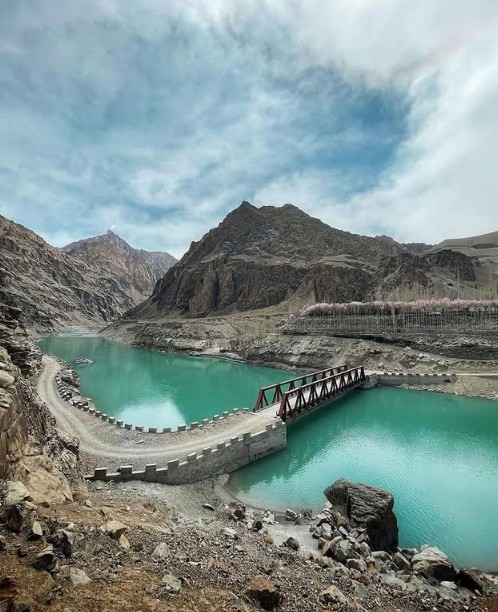
The Sham Valley's history is rich with old trade paths, Buddhist roots, and farming ways. For years, the valley linked towns in lower Ladakh with Leh and more, helping trade, culture, and faith to mix. The name "Sham" points to the lower part of Ladakh, different from tougher areas like Zanskar or Nubra. Known for its good land from glacial water in streams and crafted water paths, it allowed villagers to grow barley, wheat, mustard, peas, and apricots, rare in this high desert. It got the name 'Apricot Valley' now. Buddhism came to Ladakh from Tibet in the 8th–11th centuries, making Sham Valley a spot for monasteries and learning. Places like the Likir Monastery, from the 11th century, became centres for faith and local fests that brought folks together. These spots kept Buddhist books and became spots where faith met life. In past times, Ladakh sat on big trade paths from Tibet to Kashmir and Central Asia. Sham Valley was on routes used by traders carrying wool, salt, barley, and tea. Towns in the valley gave traders rest, food, and places to stay, making the area rich and full of diverse ways.
The valley also saw influences from Tibetan, Central Asian, and Indian ways, seen in building styles, food, and clothes. Old houses with flat roofs and white walls marked Ladakhi life. Even through changes, under different rulers or new state lines, Sham Valley kept its peaceful farming style. Today, it remains a living show of Ladakhi culture, where old ways are still alive. The Sham Valley Trek uses old paths once walked by locals and monks between homes. Hikers now use these same ways that linked people, holy spots, and markets for years. With living monasteries, working fields, and old trade paths now trek paths, Sham Valley shows Ladakh's mix of its past with current travel while keeping its cultural heart.
Nearby Places around Sham Valley Trek
Likir Monastery: It sits where the Sham Valley Trek starts. This place is one of the oldest and most pretty ones in Ladakh. Built in the 11th century, it has a big 23-meter golden Maitreya Buddha, fine wall art, and old books. You can see far mountains from here, and it's a key spot for the Gelugpa group in Tibetan Buddhism.
Hemis Shukpachan: This good-looking village on the trek is full of Shukpa (juniper) trees. The village has old Ladakhi houses, green fields, and clean mountain water. It’s a top spot to see real Ladakhi ways and the rich life of the people here.
Yangthang Village: A sweet spot along the trek, circled by barley fields and great sunset views. A good rest place for trekkers to meet locals, see mud houses, and try local food. It’s also a calm place to chill.
Alchi Monastery: Just a short ride from Sham Valley, it's known for old Indo-Tibetan art from the 11th century. The place has great murals, wood works, and clay art, mixing Kashmiri and Tibetan styles.
Basgo Palace and Monastery: On the way from Leh to Sham Valley, this old fort has ruins, old wall art, and wide views of Indus Valley. It was key in Ladakh’s past and was a strong spot for the Namgyal kings.
Best Time to Visit Sham Valley Trek
May to September: This time is best for the Sham Valley Trek. The area is full of wildflowers, green spots, and blue skies. Days are warm for easy and fun trekking. Apricot trees also bloom, adding colour around.
October: October shows golden fields and cool air. It's harvest time, painting Sham Valley like a picture, and the clear skies show pretty mountain views. Great if you like quiet paths and cool air.
November to April: Not many go in winter due to the cold. Yet, tough trekkers who like quiet and snow might like November to April. It gets very cold, and some paths may have snow, making for a special and quiet trek. But you need to be ready for cold weather.
How to Reach Sham Valley Trek
By Airport: The closest airport is Kushok Bakula Rimpochee Airport (IXL) in Leh, about 65–70 km from Likir, where the trek starts. It links to big cities like Delhi, Mumbai, and Srinagar with regular flights. From Leh, you can take a taxi or go on a tour to start the trek.
By Road: You can drive from Leh to Sham Valley. Take a taxi, bike, or bus to places like Likir or Yangthang. The road shows nice views of the Indus River and mountains. Many trekkers look at monasteries and villages on the way.
By Railway Station: No train goes straight to Leh or Sham Valley because it’s too high up. The nearest big station is Jammu Tawi, about 700 km away. From Jammu, you can drive to Leh by going through Srinagar or Manali, or fly to get there faster.
Why Book with escape2explore
When exploring the Sham Valley Trek and beyond, escape2explore stands out as a trusted name in adventure and experiential travel. Here’s why hundreds of travellers choose us for their getaways:
Trusted, Well-Reviewed Local Operator: escape2explore has gained the trust of thousands of content tourists all over India. With persistent positive feedback and an unblemished reputation for delivering quality experiences, we assure you that your experience will be hassle-free, memorable, and value-packed. Our insider local knowledge guarantees that you will always be in safe hands.
Seasoned Guides: Our trips are led by friendly, trained, and professional guides who are passionate about the outdoors and your safety. Whether it's a beach trek, a cultural tour, or a spiritual walk through temples, our team knows the terrain, the stories, and how to make each moment count.
Safe & Curated Itineraries: Your safety is our number one priority. Our tour packages are thoughtfully crafted with safety measures, researched accommodations, and easy travel arrangements. We take care of the details so you can have the experience hassle-free and worry-free.
Unique Experience That You Won't Find Anywhere Else: With escape2explore, you discover more than the tourist attractions. We go off the beaten track with hidden beaches, unusual treks, offbeat cultural destinations, and true interactions.
Hey there!! 👋
Have any enquiries