How to Choose the Best Group Trek Based on Difficulty, Views & Experience
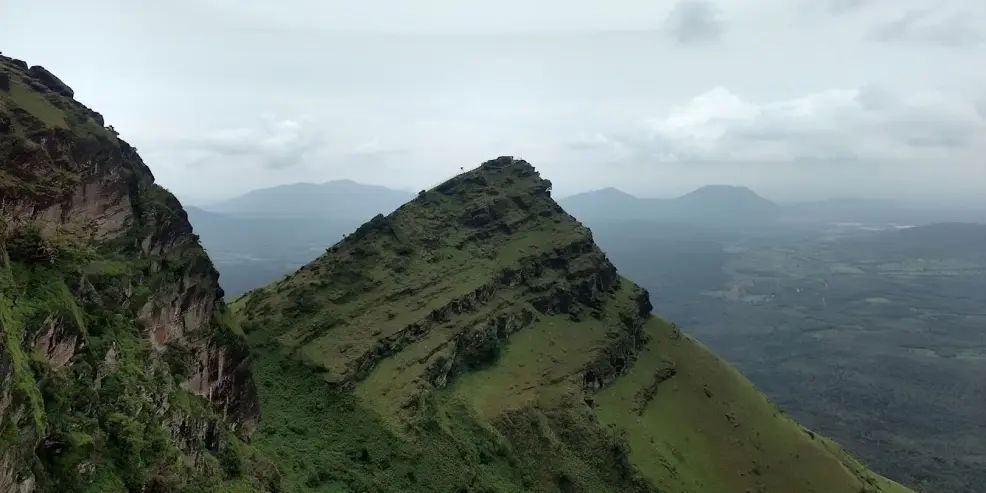
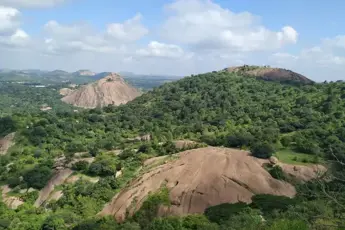
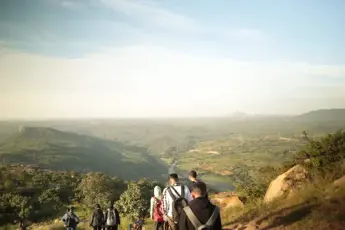
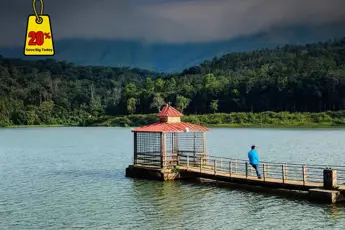
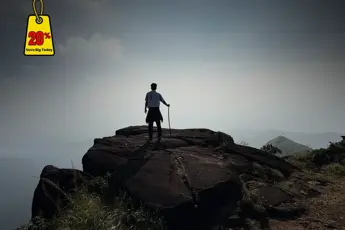
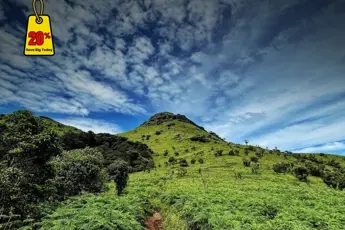
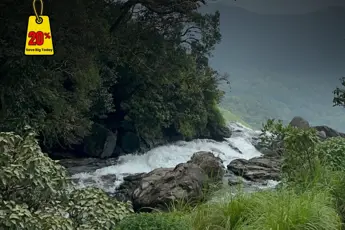
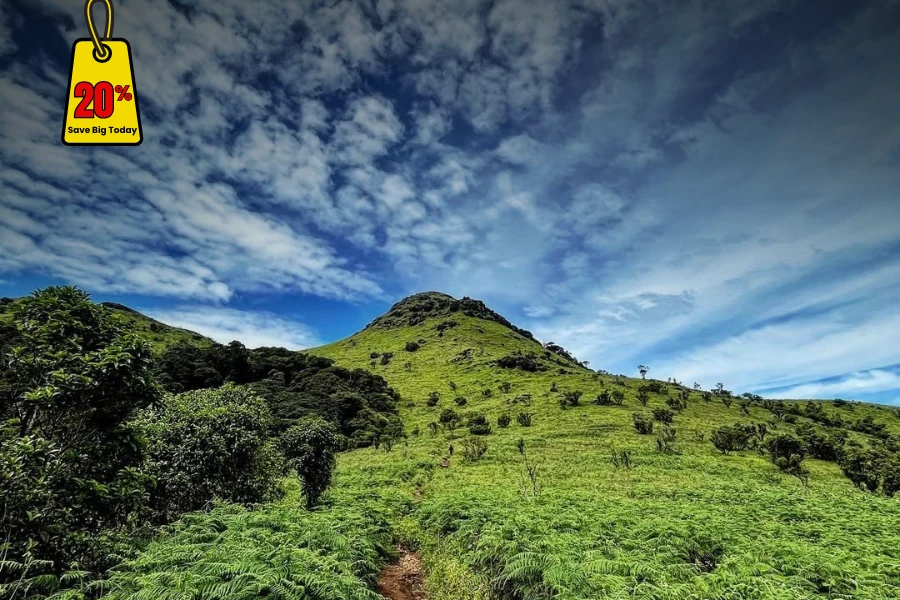
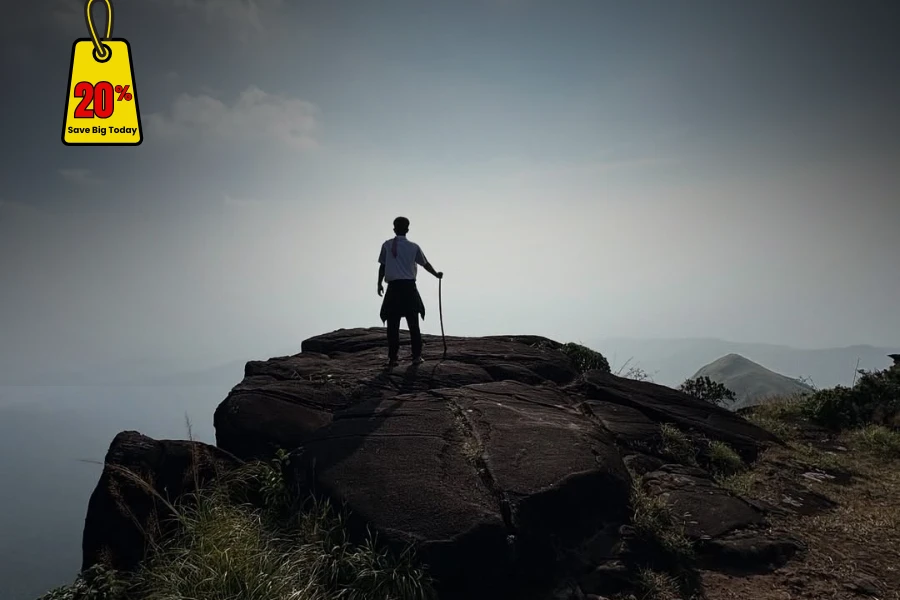
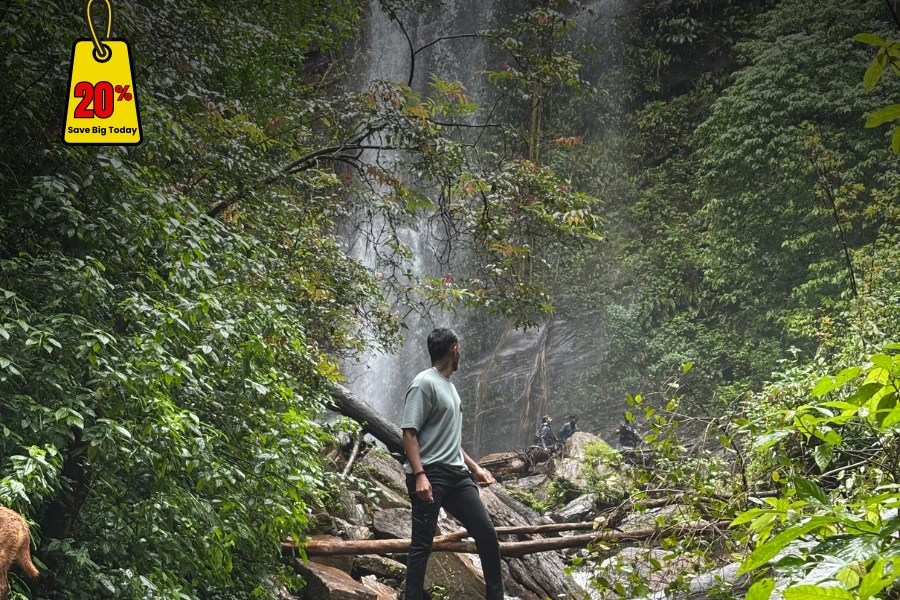
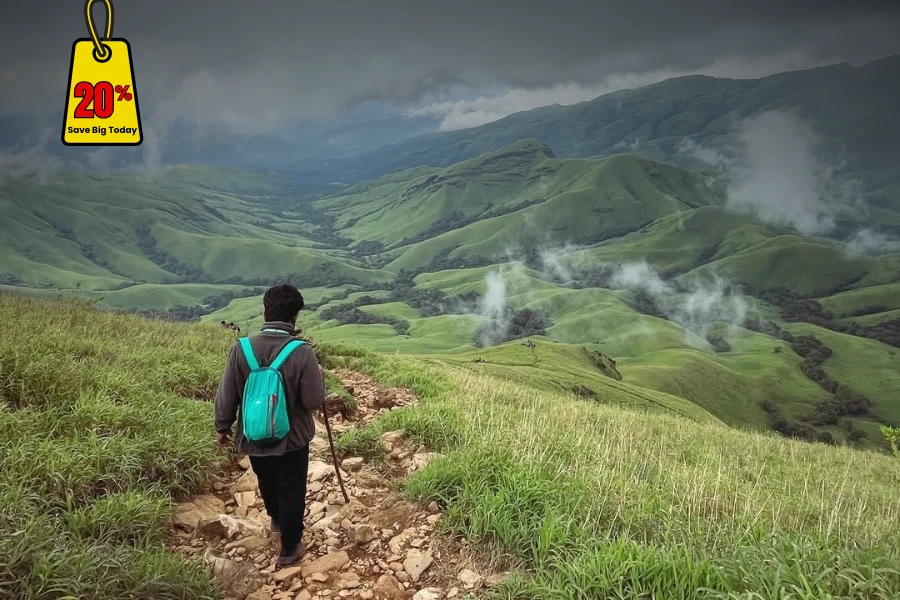
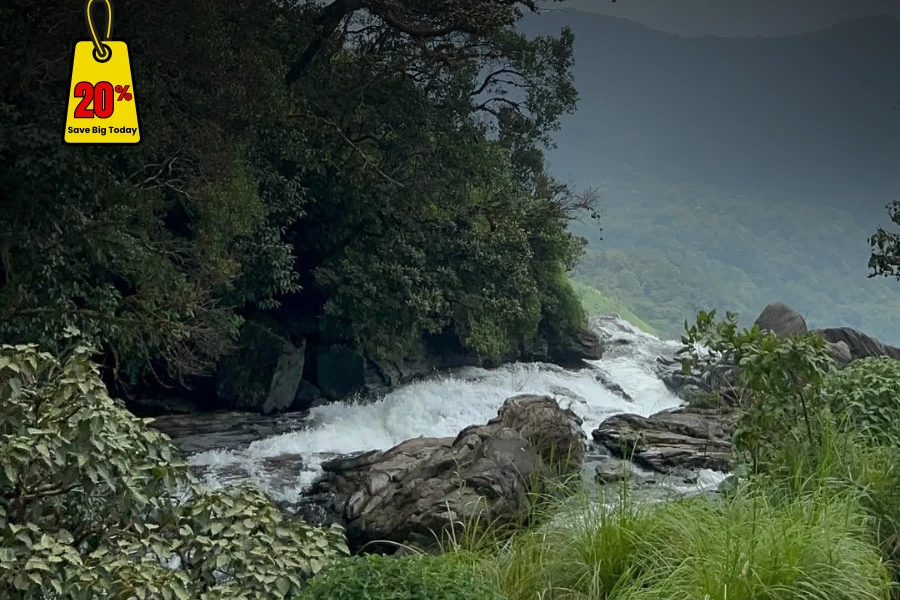
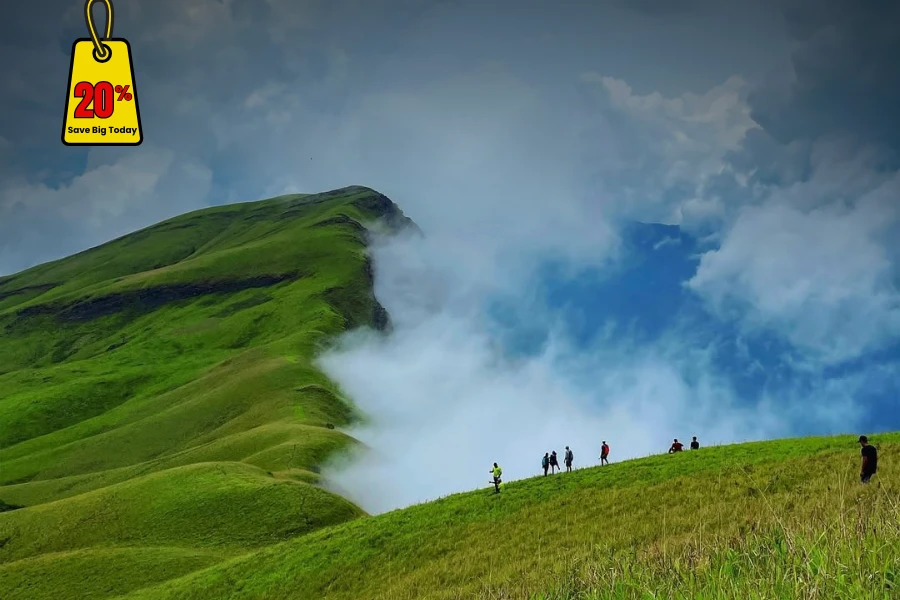
1. Kumara Parvatha TrekThrill hunters come fast, drawn by Kumara Parvatha Trek - a tough trail deep in Karnataka’s Western Ghats. Up it winds, past thick woods and open grasslands, rising toward heights near 1,712 meters. From a small village in Dakshina Kannada, the climb begins, tackling Karnataka’s second highest peak after Mullayanagiri. Eyes catch color at every turn - lush green canopies, wide meadows, drops into misty valley folds. One highlight waits mid-route: Pushpagiri Peak, once thought part of Kumara Parvatha, stands clear now. Footsteps carry people through heat, roots, rock, each bend showing another slice of wild hill country.Crowds keep coming, pulled not just by height but what unfolds beneath their boots along the way. Two days long, this trail asks a lot from your body because of how far it stretches and the steep climbs. Through spots like Bhattara Mane and Shesha Parvatha, hikers find quiet breaks amid sweeping sights. Since the route cuts into Pushpagiri Wildlife Sanctuary, approval from forest officers is needed before starting. Known more for life humming in trees than just scenic views, Kumara Parvatha stands out quietly across southern trails. Not many hikes match what it gives back when feet hit that soil. Adventure seekers looking for challenging mountain trails and rewarding summit views often choose our Kumara Parvatha Trek Package for a memorable group trekking experience.Nearby Places Around Kumara Parvatha TrekKukke Subramanya: Nestled where hills rise behind it, Kukke Subramanya holds deep meaning for many travelers across Karnataka. This ancient temple honors Lord Subramanya, drawing crowds who arrive each year with purpose in their steps. Far from city noise, its location offers calm that stays long after a visit ends. Hikers find themselves beginning the climb up Kumara Parvatha right near these sacred walls. Nature wraps around the site quietly, making stillness part of the experience. Before ascending or once back down, visitors often pause here just to breathe.Pushpagiri Wildlife Sanctuary: Besides Kumara Parvatha lies Pushpagiri Wildlife Sanctuary, home to dense forests and rich life. From rare birds to shy mammals, creatures thrive under thick canopies shaped by the Western Ghats. Though quiet most days, voices sometimes break the hush - trekkers moving through green tunnels. Butterflies flicker between trunks where few humans step. Because certain winged forms appear nowhere else, binoculars often rise at dawn. Stillness settles again once footsteps fade into mist.Mallalli's Falls: Down past Somwarpet in Kodagu, Mallalli's Falls draws eyes with its rush of river water cutting through green. When monsoon hits, the Kumaradhara swells, sending waves crashing down in loud bursts. Hidden under thick forest cover, the place feels hushed even with crowds nearby. A short hike leads upward toward a spot where you can see the whole drop stretch out below. Shots taken here often catch mist curling around rock edges just after sunrise. Many come for stillness more than photos - though both happen easily.Bishle Ghat Viewpoint: Over there where the land climbs high, past Kumara Parvatha's edge, lies Bishle Ghat Viewpoint - simple, wild, unforgettable. Trees crowd close, tall and green, parting just enough to show what waits beyond. From that spot, three peaks rise like old friends: Kumara Parvatha standing proud, Pushpagiri sharp against the sky, Dodda Betta quieter but wide. Hills roll on without hurry, tangled deep in forest you can smell even from afar. Anyone who likes stillness, light shifting slow through leaves, will find something real here.Best time to visit Kumara ParvathaWinter Season (October to February):Cold months run from October through February. Best time to walk Kumara Parvatha? That would be December. Weather in the Western Ghats stays mild now, making every step smooth. Sky often clears up, revealing soft shapes of faraway ridges and dips between them. Footpaths feel calm underfoot when air holds still like this.Summer Season (March to May): Hot days arrive when March shows up. Morning hikes work better because afternoons grow fierce by midday. Trails weave through forested patches yet cross wide meadows where sun beats down without mercy. Fewer people walk these paths now which means quiet forests greet those who come. Views stretch far on clear mornings since skies often stay clean this time of year. Green shades pop vividly where trees cluster near streams. Some spots shine brighter than usual under strong sunlight.Monsoon Season (June to September): Heavy downpours drench the Western Ghats between June and September, painting everything in rich greens. Trails leading up Kumara Parvatha often close during these weeks due to dangers like slick paths and poor sightlines. Leeches become common companions under wet leaves and dripping trees. Mist wraps around cliffs and waterfalls tumble more fiercely through gullies. While beauty deepens in the hills, each step demands far greater effort than usual.How to Reach Kumara ParvathaBy Road: Travel by road works well since Kukke Subramanya links smoothly with major spots across Karnataka - Bengaluru, Mangaluru, Mysuru - all key access hubs for the Kumara Parvatha trek. Visitors reach there using private vehicles, hired cabs, or state-run bus services. As the route climbs higher, curves through forested slopes, passes small villages, reveals layers of green hills shaped by the Western Ghats. Each turn brings a new slice of landscape, quiet, motion.By Train: From the railway point, Subrahmanya Road sits closest on the track linking Mangaluru and Bengaluru when heading toward Kumara Parvatha. Travelers usually take a taxi, an auto-rickshaw, or hop on a bus for about twelve kilometers into Kukke Subramanya village. The ride by rail through quiet forest patches along the Western Ghats often draws attention for its raw visual charm.By Airport: That's Mangaluru International, sitting 105 clicks away from Kukke Subramanya. Most people heading to Kumara Parvatha land here first. Buses run regularly, though some prefer hiring taxis right outside arrivals. The road cuts through the Western Ghats - views hit hard, sudden and wide. Trek prep kicks in after those three or four hours of travel. Base camp waits where the concrete ends.2. Kudremukh Trek (Chikmagalur)High above the clouds, Kudremukh Trek unfolds across Chikkamagaluru District like a quiet secret whispered through time. Rolling meadows stretch into misty hollows while thick forests cling to rugged slopes beneath an ever-changing sky. Seen from just right, its silhouette takes on the shape of a stallion’s muzzle - which gives it the local name meaning horse face in Kannada. Rising near 5,700 feet, this peak claims rank as Karnataka’s third loftiest point without shouting about it. Views here don’t dazzle so much as settle deep inside your bones where they stay. Out there near Mullodi’s quiet hamlet, the footpath cuts through dense forest, river crossings, and wide open meadows bursting with green.Tough doesn’t quite cover what walkers face - seasoned ones feel it just as much as those stepping out for the first time. Looping around, the route stretches between twenty and twenty-two kilometers without hurrying. Along the way, creatures pop up: rare birds, fluttering insects, plants found only in these parts of the Western Ghats. Seen from higher ground, the land rolls on endlessly, draped in shades of green across peaks and hollows alike. Starting off, visitors need approval from the forest department because the region is sensitive. Many find the raw charm of the Kudremukh Trek unmatched among southern trails. Once known as a mining town, Kudremukh. Known for rolling grasslands and Western Ghats scenery, our Kudremukh Trek Package is a popular choice among trekking groups and weekend adventurers. Nearby Places Around Kudremukh TrekKudremukh National Park: Kudremukh National Park wraps around the trek routes here, standing among Karnataka's key green havens. Across Western Ghats' regions it stretches, home to thick woods, rushing streams, yet wide meadows too. Deer move through shadows, leopards stay hidden, rare birds call from treetops - each living quietly within these bounds. Beauty rises where earth meets sky along ridges you walk slowly past. Hush settles under canopy cover broken only by light cutting through high above.Hanuman Gundi Falls: Down inside Kudremukh National Park hides Hanuman Gundi Falls. Among its many drops, this one stands out - quiet but striking. Rocky ground holds up dense woods all around it. From nearly 100 feet above, water spills down without hurry. A cool, vivid scene forms where it lands. Down below the drop, people walk a stretch to stand close, where damp air rises among trees and rocks. When rains come, right after heavy showers, the flow picks up speed, filling the space with sound and spray. The path leads there naturally, drawn by how much water moves when skies open wide.Kalasa: Kalasa lies close to Kudremukh, a quiet place known for an ancient shrine named Kalaseshwara, built for Lord Shiva. By the banks of the Bhadra River it stands, adding stillness to those who walk through. People often stop by - especially hikers heading to or returning from Kudremukh - to glimpse its sacred walls amid green hills nearby.Sringeri: A stone's throw from Kudremukh lies Sringeri, a place heavy with history. This quiet town draws many because of the revered Sringeri Sharada Peetham founded long ago by Adi Shankaracharya.Best Time to Visit Kudremukh TrekWinter (October to February): When October arrives, mist curls around Kudremukh's slopes, signaling cooler days ahead. Sunlight tends to stay longer during these months, lighting up valleys in soft gold. One might find footing easier when trails aren’t soaked by monsoon rains. Pleasant air wraps around you, not too cold, never sticky. Hikers often spot distant peaks clearly under wide blue skies. Movement feels smoother when breath doesn’t hang heavy in humid fog. The path unfolds without sudden spikes in heat slowing progress. Bright mornings make photographing wildflowers almost effortless. Fewer clouds mean fewer surprises from shifting weather. Steady temps let bodies adjust naturally along steep climbs.Summer Season (March to May): Warm days begin showing up from March through May in Kudremukh's hilly terrain. Even when the heat nudges higher, shade from dense forests plus altitude keeps air feeling mild. Starting hikes early means moving ahead of peak sunlight hours. Green canopies stay full and unchanged during this stretch. Far across the Western Ghats, sightlines hold firm beneath unchanging skies. With less footfall on trails compared to chillier months.Monsoon Season (June to September): Heavy downpours sweep in from June through September, blanketing Kudremukh in thick greenery while streams swell and mist clings to hillsides. With rain falling nonstop, pathways grow slippery beneath your feet, slowing every stride along the route. Damp trails bring leeches out - they move steadily where footwear pushes past soggy foliage. Fog hangs low during these months, wrapping around trees as water rushes louder than usual downstream.How to Reach Kudremukh TrekBy Road: Buses roll into Kudremukh from Bengaluru, linking it by pavement paths. From Mangaluru, cars follow winding routes that meet at the foothills. Chikkamagaluru ties in through narrow stretches where trucks pass slowly. By Train: Most travelers reach Kudremukh by hopping off a train at Mangaluru Junction - it sits about 110 kilometres away. Once you step onto the platform, choices appear fast: cabs line the curb, ready to go, whereas public buses crawl outward toward spots like Kalasa or Mullodi. The rails feeding into Mangaluru twist through hilly terrain, slipping between layers of lush forest tucked deep in the Western Ghats.By Airport: The closest runway sits at Mangaluru International Airport. Most visitors arrive here first. This hub lies roughly 100 to 110 kilometres away from Kudremukh. Distance varies slightly depending on the route taken.3. Mullayanagiri Peak Trek (Chikmagalur)Mullayanagiri Peak Trek sits in the misty folds of the Baba Budangiri Hills, part of the Western Ghats. At nearly 1,930 meters tall - around 6,330 feet - it stands as a highlight among trails in Chikkamagaluru District, Karnataka. Hikers often start close to Sarpadhari, stepping onto a route shaped like a coiled snake, which gives the climb its name. The journey upward twists sharply, rising fast over rocky ground that tests balance and breath alike. Views unfold suddenly: fog-draped ridges, plunging valleys, slopes thick with green. Even though the distance does not stretch far, effort builds quickly underfoot. Nature lovers return, drawn by raw scenery untouched by polish or ease.Fresh winds greet walkers who come for green plants, wide sights, among the peaks of the Western Ghats. Perched high up, tiny Mullappa Swamy Temple remembers a holy man once living here. Sunrise paints the slopes gold; evening wraps them in soft reds - both times feel quiet, strong. Simple paths lead through open spaces where few sounds break the calm near Mullayanagiri Peak. This place stands out across southern trails not by size but stillness. Planning a trekking adventure with friends or fellow explorers? Discover more scenic trails and outdoor experiences through our Treks Near Bangalore guides.Nearby Places Around Mullayanagiri Peak TrekBaba Budangiri: Above the clouds close to Mullayanagiri Peak, the Baba Budangiri Hills rise with holiness woven into wild beauty. Home to a holy man known as Baba Budan, these hills cradle the Dattatreya Peetha shrine, visited by people from all walks. Valleys stretch far beneath mist-covered summits; trails twist through land ideal for slow movement on foot. Though they seem distant when seen from afar, getting to either peak turns out simpler than expected - this opens gates wide for countless visitors. Untamed scenery works quietly but deeply, catching sight and step alike in moments of hushed awe over time.Hebbe Falls: Down through dense trees it falls, Hebbe Falls catching glances yearly close to Chikkamagaluru. Nearly 168 meters high, water crashes into a hushed pool underneath. Scenic sights linger just off most bends, particularly for anyone hauling a camera. Surrounding the foot, lush coffee fields coil like green rope. Trails cut through forest - dusty jeeps growl along them, dropping wanderers from distant towns.Jhari Falls: Heavy air hums between trees near Mullayanagiri, where Jhari Falls - some call it Buttermilk Falls - cuts through green silence. Rough rock paths wind under thick leaves, opening only when the land allows. Jeep rides crawl along tight jungle lanes, slipping by endless coffee shrubs one after another. Each curve slows time a little more, drawing sight further into shadow and sound. Movement fades as the fall comes clear, sudden but never loudChikkamagaluru: Sunrise paints Chikkamagaluru, a hushed hill town in Karnataka, where many visitors find their way. Tall mountains hold up warm daylight, pulling sightlines across lush inclines covered in coffee plants. Not far off, Mullayanagiri rises within walking distance, past ancient paths near Baba Budangiri. Then without warning - water crashing over cliffs, fog winding through leaves when showers pass. Mist curls around treetops while footsteps press into damp earth. Birdsong spills down from above, sharp then fading. Hills stand fixed, wrapped in sky that never stays still.Best Time to Visit Mullayanagiri Peak TrekWinter Season (October to February): Winter arrives. From October through February, hikers appear on the move, stepping lightly under crisp skies. Trails glow faintly with their presence. Mullayanagiri stands tall, its summit calm, its slopes kind to many feet. Open air climbs upward, pulling distant hills into sharp sight - the Western Ghats stretch wide below, layered in green and sky. A soft chill touches arms, slows breaths. People stop more than usual, gazing beyond cliffs where fog curls over valleys. Time stretches thin here. Each footfall lands slow. The months stay long like this - unhurried.Summer Season (March to May): Early hours wrap the woods in a chill that slips between branches. As day climbs, shadows shrink - better to walk before heat settles in. Up top, the sky cuts clean, nothing like the heavy valleys below. Mist drapes itself across stones while lenses catch what words miss. Steps fall soft where earth still breathes from night. Quiet settles first, then the cool air follows. Beauty stays put here, kept alive by elevation instead of rain.Monsoon Season (June to September): When rain comes, green spreads over Mullayanagiri, holding strong through June right into September. Over hilltops, fog drifts slowly, while waterways pick up speed, filling the air with a quiet closeness. Under constant wet skies, paths grow slippery, requiring slow steps. Each morning bends to surprise changes in wind and sky.How to Reach Mullayanagiri Peak TrekBy Road: Beyond winding roads, Mullayanagiri Peak opens up to travelers coming from Bangalore, Mangaluru, or Mysore by vehicle. Starting points often land near Chikkamagaluru, about ten kilometers before the summit waits. From that spot onward, movement shifts through rented taxis or personal vehicles aiming for Sarpadhari’s base trail entry.By Train: Beyond the Kadur station - closest point to Mullayanagiri - lies about forty kilometres of road leading into Chikkamagaluru. Reaching that town means catching either a rented car or a local bus heading further up toward the peak. As the route climbs, paths twist under dense layers of trees and leafy shadows.By Airport: The airport at Mangaluru is about 150 kilometres away from Mullayanagiri. After landing, taxis and buses are ready near the exit for anyone going up. Along the way, fields of coffee plants stretch across hillsides. While driving, green slopes unfold beside narrow roads. Fog curls around mountain curves where paths twist slow. Time matters less when views pull your eyes wide.4. Tadiandamol Trek (Coorg)Fog winds through the crowns of trees along the path climbing toward Tadiandamol Trek, hidden within Coorg's soft folds of land. Rising to 1,748 meters, it isn’t simply another peak - instead, it claims height above all nearby, ranking third across Karnataka from ocean base. Hidden singers send chirps tumbling into the air, their shapes never seen. Paths slide past tree bodies pressed close, shoulder to shoulder like stacked timber. Rainwater seeps over rocky stairs, brought down by storms drenching ridges far above. Up ahead, old stones of Nalknad Palace crumble slowly, worn down by footsteps long gone. Branches twist above, tangled like arms keeping the earth from slipping away. With every step forward, the land pulls you higher, leaving dust behind, chasing light thinned by height. Not smooth, yet somehow known - time has moulded it more than travellers ever did. Silence guides more than markers ever could; moss hugs each rock without favour. Climbing shows itself when air shifts - slower now, thinner, pulled farther into the chest.Above, open slabs of stone face winds that swing the long grass like hushed metronomes. Clouds drift low there, brushing horizons at a pace untouched by hurry. Walking feels steady, never boring, welcome to fresh boots as much as worn ones, crossing the Western Ghats. Out here on the ridge, sightlines spill beyond foggy ledges and shadowed valleys cut deep between rises. Air moves quietly among quiet woods, every lungful crisp - pulling along those craving wide meadows and sure footing. Tucked within Coorg’s rough heart, motion thrives as foliage twists into secret shapes. Through treetops, wings flash - soft footfalls pass under dense canopies above. Quiet settles inside movement, vast horizons ease downward, silence keeps it all whole. Travelers who enjoy scenic ridge walks and peaceful mountain landscapes often prefer our Tadiandamol Trek Package for a refreshing group escape.Nearby Places Around Tadiandamol TrekNalknad Palace: Under thick forest cover near Tadiandamol Trek rests the ageing Nalknad Palace, once central to Coorg’s history. Built during the 1700s by King Dodda Veerarajendra, it served as refuge when fighting flared close by. Not flashy rooms but detailed wooden carvings and mural-covered walls hold their worth, whispering royal Kodagu legends. Though conflict faded centuries ago, hands still tend the structure, keeping silence alive alongside memory. Visitors arrive today, pulled not by spectacle but by faint voices down empty hallways.Chelavara Falls: Away down in Coorg, near Tadiandamol, you’ll find Chelavara Falls - hidden between dense woods and rocky slopes. Water plunges roughly 150 feet, never pausing, carving out a scene both fierce and peaceful at the same time. Green growth clings tight around its rim, whereas boulders underneath stay firm, untouched by years passing. The sight opens wide into silence that lands gently, much like mist clinging to leaves - ideal for shutterbugs or souls just wanting slow walks without thought. Not many spots whisper this faintly but say so much to someone walking past.Nagarhole National Park: Out beyond Coorg, hidden within the sprawling Nilgiri Biosphere Reserve, sits Nagarhole National Park. Elephants roam here, while tigers move silently through shadows, deer graze openly, birds fill the airspaces in great variety. Those who watch animals closely often come, pulled forward by early morning rides beneath heavy green cover. Life crowds every corner of these Western Ghats woods, growing wild without show, living just out of sight. Beneath wide tree crowns, everything stays hushed, busy in its own unseen rhythm.Madikeri: High in the hills, Madikeri pulls visitors toward Coorg, nestled near the rise of Tadiandamol. Chilly breezes drift through, weaving past endless rows of coffee plants tucked among forested slopes. Rather than hurry along, many stop at Abbey Falls, caught by the sound of water tumbling down the rock. Deeper inside lies Raja's Seat - stillness gathers there, where sightlines open without haste. Inside the stones of Madikeri Fort, time doesn’t fade. When wandering through Coorg, people often arrive here by accident. Best Time to Visit Tadiandamol TrekWinter Season (October to February): Mist hangs slow between the hills when October begins its hold on Tadiandamol Peak, drawing few but thoughtful footsteps. Coolness doesn’t fade here; it lingers in the daylight hours, making climbs feel lighter than expected. Once the sky clears, views open wide over wrinkled ridges of the Western Ghats. Fog curls close to the ground at dawn, blurring rocks and trees into ghost shapes. Even without crowds, there's fullness in how sound travels - clearer, then gone.Summer Season (March to May): Fresh air greets you early these months, the land taking its time to warm up like old bones creaking into motion. Step out with the sun if you prefer paths that don’t steam beneath your boots. Clear skies past June bring distant ridges into view, sharp and unblurred by milky fog. Later, light drapes the hills gently, shadows stretching slow as breath before night falls.Monsoon Season (June to September): When rain arrives, the hills here grow dense with fresh colour. From June through September, everything feels wetter, heavier. Grey clouds hang low, yet glimpses of landscape still catch the eye. Trails climb upward but become hard to follow when soaked. Trees disappear into fog above, hidden by steamy air. Dampness seeps into clothes no matter how tightly packed the bag. On shadowed inclines, where water clings longest, leeches appear without warning.How to Reach Tadiandamol TrekBy Road: Off the highway, routes connect directly to Tadiandamol Peak from Bengaluru, Mysuru, or Mangaluru. Many stop first in Madikeri, then move ahead toward a small village near Nalknad Palace. Rather than sticking to just one choice, visitors go by private car, cab, or bus without preference. Once they reach that calm departure spot, the final leg begins.By Train: From trains, the last stop nearby is Mysuru, about 120 kilometres away. Leaving that city, travellers take buses or taxis toward Madikeri instead. After arriving, a second stretch unfolds along narrow roads heading near Nalknad Palace, which marks where walking uphill starts.By Airport: Kannur International Airport is the nearest to Tadiandamol, sitting just across the border in Kerala, roughly ninety kilometres from Coorg. Another option shows up nearby - Mangaluru International Airport isn’t much farther. Step outside arrivals, and shared taxis line up near terminal doors. Meanwhile, government-run buses move steadily toward Madikeri throughout the day. Once you reach Madikeri, walking paths or small local vehicles take over for the last stretch ahead.5. Netravati Peak Trek (Chikmagalur)A trail winds upward, leading to Netravati Peak, hidden in the untamed hills of Chikkamagaluru. Under vast open skies, mist settles into valleys while slopes wear layers of lush green. The mountain takes its name from the river that begins here - the Netravati - flowing westward from highland sources.From Samse village it begins, where forest clears near terrain linked to Kudremukh’s guarded paths. Footsteps trace through trees, cross meadows, follow broken ridgelines climbing toward Netravati's crest. Sitting high on a spine of rock at 1,520 meters, the top spills views into folds and rises all around. For trekkers searching for misty trails and panoramic viewpoints, our Netravati Peak Trek Package offers a rewarding Western Ghats adventure.Nearby Places Around Netravati Peak TrekKudremukh National Park: Up close to Netravati Peak sits Kudremukh National Park, spread out broad over Karnataka, among the largest untouched forest zones in the region. Trees stand dense throughout, home to uncommon winged creatures, gentle deer stepping without sound, yet also solitary leopards vanishing into trunks and shade. What grows here does so tightly woven, distant from roads and clamor. People arrive less for showy views but where truth stays locked in ridge and soil - ancient life refusing to let go.Kalasa: Perched beside Netravati Peak lies Kalasa, a hushed cluster of homes shaped by faith. Alongside the Bhadra River’s constant glide stands this place, cradled in flow and silence both. The ancient Kalaseshwara temple dwells here - dedicated to Shiva, worn smooth by time. Those passing through Chikmagalur arrive unannounced, pulled off the route by something unnamed. Time softens once inside; moments stretch even when unnoticed. A low pulse of presence moves under wide sky, felt on weathered stairs and within covered yards.Kudremukh Peak: Horseback curves shape the land at Kudremukh Peak, a known path in Karnataka near Netravati Peak. As you move along, sightlines spill over broad grasslands because of how the crest is built. From greater height, the Western Ghats lay out beneath, wrinkled with thick green layers. Not many walks offer such sky-wide space above gentle mounds fading into foggy edges. Peaks seem close, but every footfall shifts the scene just slightly. What lies between them looks brief, still your view transforms with each stride taken.Best Time to Visit Netravati Peak TrekWinter Season (October to February): Cold settles into the paths on Netravati Peak as October gives way to winter. Walking feels easier now, thanks to cooler but gentler weather. With clear skies above, sightlines run long - rolling ridges emerge, then vanish into steep hollows below. The land looks crisp, unmoving, bathed in calm, pale daylight. Fewer clouds let your eyes travel farther across the land below. With every step, the still cold air makes movement easier.Summer Season (March to May): Morning light spills over the ridge before heat climbs too high. Though March rolls into May, people still make their way toward Netravati Peak. Trees stand dense along the route, creating pockets of shade despite warming valleys beneath. Elevation helps - each step upward leaves warmth behind. Those who begin early find air crisp, views unblocked by haze or cloud.Monsoon Season (June to September): When June arrives, rain soaks the trees near Netravati Peak, painting everything a rich green. With each storm, trails soften - mud takes hold where boots used to grip. Instead of clear footing, there's slipperiness beneath wet leaves and mossy rock. From July onward, leeches appear more often, creeping over earth made moist by constant showers. Fog rolls in fast, hiding ridge lines just as suddenly as it came. After several days of steady rainfall, what was once a path might now be a narrow stream. Because shapes blend in the haze, staying aware matters even more.How to Reach Netravati Peak TrekBy Road: Up a trail from Samse, hikers head out toward Netravati Peak. Though built-up hubs stand far off, clear roads connect them - Bengaluru sits within reach, just like Mangaluru and Chikkamagaluru. Travel rolls in by car, arranged transport, or bus ride, then feet take over on rising ground.By Train: Just off the rails sits Mangaluru Junction - nearest stop, about 120 km from Samse. Waiting taxis take travelers directly if they choose, whereas some catch a bus bound for Chikmagalur or Kalasa first, then shift to smaller rides later. Past these places, wide roads fade into thin paths that cut through villages right into Samse.By Airport: If flying close to Netravati Peak, land at Mangaluru - roughly 110 kilometres away. From that point onward, taxis stand by, engines cold but willing. Buses too make their way through Chikmagalur or Kalasa without fuss. Past those places, roads thin out heading into Samse. There, where pavement fades, the trail starts quietly.6. Kodachadri Trek (Shimoga)High above Shivamogga, the trail to Kodachadri Trek weaves through foggy peaks, rising close to 1,343 meters where sky meets mist. As the path climbs, thick woods wrap around each step, quiet deepening with every meter gained. Once past the canopy, space unfolds - golden grasslands glow at dawn as woodland stretches beyond what eyes can catch. Creatures roam untouched across this stretch, sheltered inside the borders of Mookambika Wildlife Sanctuary. Life here moves quietly, animals roaming free like they always did. From Nittur outward, paths slip under heavy branches, tracing thin lines beside rivers stepped with rock before opening into wide open ground.Midway, without any signal, Hidlumane Falls appears - water tumbling down in drops that freeze travellers mid-step. At the top of Kodachadri, eyes stretch across folds of hills known as the Western Ghats; when skies clear just enough, a pale flash hints at the faraway Arabian Sea. Combining forest trails, hilltop views, and adventure, our Kodachadri Trek Package remains a favorite among organized trekking groups.Nearby Places Around Kodachadri TrekKollur Mookambika Temple: Up close to Netravati Peak sits Kudremukh National Park, spread out broad over Karnataka, among the largest untouched forest zones in the region. Trees stand dense throughout, home to uncommon winged creatures, gentle deer stepping without sound, yet also solitary leopards vanishing into trunks and shade. What grows here does so tightly woven, distant from roads and clamour. People arrive less for showy views but where truth stays locked in ridge and soil - ancient life refusing to let go.Hildumane Falls: Perched beside Netravati Peak lies Kalasa, a hushed cluster of homes shaped by faith. Alongside the Bhadra River’s constant glide stands this place, cradled in flow and silence both. The ancient Kalaseshwara temple dwells here - dedicated to Shiva, worn smooth by time. Those passing through Chikmagalur arrive unannounced, pulled off the route by something unnamed. Time softens once inside; moments stretch even when unnoticed. A low pulse of presence moves under a wide sky, felt on weathered stairs and within covered yards.Nagara Fort: Horseback curves shape the land at Kudremukh Peak, a known path in Karnataka near Netravati Peak. As you move along, sightlines spill over broad grasslands because of how the crest is built. From a greater height, the Western Ghats lie out beneath, wrinkled with thick green layers. Not many walks offer such sky-wide space above gentle mounds fading into foggy edges. Peaks seem close, but every footfall shifts the scene just slightly. What lies between them looks brief, still, your view transforms with each stride taken.Jog Falls: Away from the crowds, Hanuman Gundi Falls cuts through dense greenery close to Kudremukh. Thick forest clings tight along its borders, whereas rocky cliffs stand tall next to the cascade. High up, the plunge hurls spray downward into open space beneath. Life hums strongly here, filled with movement and noise, so visitors stop short and stare. Best Time to Visit Kodachadri TrekWinter Season (October to February): Cold settles into the paths on Netravati Peak as October gives way to winter. Walking feels easier now, thanks to cooler but gentler weather. With clear skies above, sightlines run long - rolling ridges emerge, then vanish into steep hollows below. The land looks crisp, unmoving, bathed in calm, pale daylight. Fewer clouds let your eyes travel farther across the land below. With every step, the still cold air makes movement easier.Summer Season (March to May): Morning light spills over the ridge before heat climbs too high. Though March rolls into May, people still make their way toward Netravati Peak. Trees stand dense along the route, creating pockets of shade despite warming valleys beneath. Elevation helps - each step upward leaves warmth behind. Those who begin early find the air crisp, views unblocked by haze or cloud.Monsoon Season (June to September): When June arrives, rain soaks the trees near Netravati Peak, painting everything a rich green. With each storm, trails soften - mud takes hold where boots used to grip. Instead of a clear footing, there's slipperiness beneath wet leaves and mossy rock. From July onward, leeches appear more often, creeping over earth made moist by constant showers. Fog rolls in fast, hiding ridgelines just as suddenly as it came. After several days of steady rainfall, what was once a path might now be a narrow stream. Because shapes blend together in the haze, staying aware matters even more.How to Reach Kodachadri TrekBy Road: Up a trail from Samse, hikers head out toward Netravati Peak. Though built-up hubs stand far off, clear roads connect them - Bengaluru sits within reach, just like Mangaluru and Chikkamagaluru. Travel rolls in by car, arranged transport, or bus ride, then feet take over on rising ground.By Train: Just off the rails sits Mangaluru Junction - nearest stop, about 120 km from Samse. Waiting taxis take travelers directly if they choose, whereas some catch a bus bound for Chikmagalur or Kalasa first, then shift to smaller rides later. Past these places, wide roads fade into thin paths that cut through villages right into Samse.By Airport: If flying close to Netravati Peak, land at Mangaluru - roughly 110 kilometres away. From that point onward, taxis stand by, engines cold but willing. Buses too make their way through Chikmagalur or Kalasa without fuss. Past those places, roads thin out heading into Samse. There, where pavement fades, the trail starts quietly.7. Bandaje Falls Trek (Chikmagalur)High above Shivamogga, the trail to Kodachadri weaves through foggy peaks, rising close to 1,343 meters where sky meets mist. As the path climbs, thick woods wrap around each step, quiet deepening with every meter gained. Once past the canopy, space unfolds - golden grasslands glow at dawn as woodland stretches beyond what eyes can catch. Creatures roam untouched across this stretch, sheltered inside the borders of Mookambika Wildlife Sanctuary.Life here moves quietly, animals roaming free like they always did. From Nittur outward, paths slip under heavy branches, tracing thin lines beside rivers stepped with rock before opening into wide open ground. Midway, without any signal, Hidlumane Falls appears - water tumbling down in drops that freeze travellers mid-step. At the top of Kodachadri, eyes stretch across folds of hills known as the Western Ghats; when skies clear just enough, a pale flash hints at the faraway Arabian Sea. Nature lovers and trekking groups often choose our Bandaje Falls Trek Package for its waterfall views and thrilling mountain trail experience.Nearby Places Around Bandaje Falls TrekBallalarayana Durga Fort: High in the Western Ghats sits Ballalarayana Durga Fort, a quiet holdout where time moves slow. Stone trails, worn thin by years, lead upward toward open air and sky without edge. Green hills roll out like cloth spread too far to measure. Hoysala rulers raised its walls centuries back, when war shaped kingdoms. Through fights since erased from memory, it kept watch, unmoving. Now boots crunch on gravel as climbers come again and again. Broken ramparts cut sharp lines across distant views. Silence lives here today - yet each slab holds echoes of alert nights gone by.Kudremukh National Park: Past Bandaje Falls, deep inside misty hills, spreads Kudremukh National Park - blanketed in dense green. Animals move without fences, while rare birds call from treetops above unseen plants. Maps may skip it, yet its role shapes how forests breathe through the Western Ghats. Not loud, but strong, this patch beats like a hidden heart along an ancient ridge.Kalasa: Away from noise, Kalasa rests close to where the path begins toward Bandaje Falls. Hills thick with green wrap around it like a hush. The ancient temple called Kalaseshwara stands there, shaped centuries past for honoring Shiva. Water from the Bhadra River slips by without hurry. Stillness pulls some people in, though few stay long. Travelers appear every so often while winding through hidden parts of Chikmagalur.Samse: Hidden near Bandaje Falls, Samse rests under layers of calm forest. Around it, slopes packed with trees curl like fingers guarding something small. From here, footways slip away, twisting into rough routes that pull long-distance walkers deeper. Quiet fills the space beneath branches, cracked now and then by bird sounds or wind passing through. The air holds still most times, stirred only when nature shifts nearby. A hush moves in where green climbs old tree skin. Sun slips between branches when someone steps onto the path. Stillness gathers underfoot. People who follow trails tend to slow down right here. Best Time to Visit Bandaje Falls TrekWinter Season (October to February): Frost settles into the air as October gives way to quiet months at Bandaje Falls. Trails wind through the cool hush, pulling walkers deeper without saying a word. Sunlight cuts across broad skies, sketching ridges and shadowed valleys in clear lines. Each footfall feels lighter under such crisp stillness.Summer Season (March to May): Warm days arrive between March and May. Even so, shade from tall trees plus higher ground help cool the air. Head out on trails early - that way you miss the heat peaking overhead. If clouds step aside, the slopes of the Western Ghats stand clear, sharp against the light.Monsoon Season (June to September): Heavy drops mark summer’s start, June through September bringing a rush of life to Bandaje Falls. Hills glow in fresh green as runoff spills freely along each incline, mist curling around peaks like drifting steam. The fall roars now, pounding rock with force strong enough to rattle ribs. Even so, trails turn tricky when soaked - mud drags at shoes, then sudden wriggling things touch bare legs out of nowhere. How to Reach Bandaje Falls TrekBy Road: From Sunkasale, the trail to Bandaje Falls kicks off, this hamlet acting as gateway. Roads run through here linking big towns like Bengaluru, Mangaluru, along with Chikkamagaluru. Those driving their own car, hopping on a bus, or hiring a cab often pick Sunkasale when chasing the trek's edge.By Train: Far off but reachable, the closest big train hub is Mangaluru Junction, sitting roughly 120 km from Sunkasale. From there, visitors usually grab a taxi or hop on a bus headed to Kalasa - the go-to point before starting the hike. Once in Kalasa, the trailhead isn’t far.By Airport: From the airport, Mangaluru International is nearest to Bandaje Falls - about 110 kilometres away. Though far, getting there happens by taxi or bus heading toward Kalasa and Sunkasale. These villages become access spots once travellers arrive after the ride. The trail begins where roads end, deep in green quiet.
Activity location: Coorg, KarnatakaStarting day: FridayEnd day: SundayTadiandamol Height: 5,735 ft.Tadiandamol Trek Distance: 10 km (both ways) Trek Difficulty: Moderate to Difficult Distance from Bangalore: 265 KmAbout Tadiandamol Trek, Coorg: Tadiandamol Trekking Trail in Karnataka is one of the most beloved trails for novice and experienced trekkers alike, drawing trekkers from around India. Situated in Kodagu (Coorg), this trek provides spectacular views of the Western Ghats as well as lush forest surroundings. Starting this trek through the shola forests will be an enjoyable journey, with cool air and bird songs providing a relaxing start. These pristine forests are home to numerous species of flora and fauna - you might spot exotic butterflies or even one of the Nilgiri langur or Malabar giant squirrel. After some time, you come upon a small stream that allows for barefoot crossing. Enjoy its cool water as you enjoy walking alongside it. After this point, the forest trail becomes increasingly steeper; during monsoon season, mud can become treacherous, so we recommend wearing quality trekking shoes and carrying trekking poles to stay on course. As your trek progresses, you quickly reach a boulder point. From here, you can spot a hillock which serves as a false peak of Tadiandamol; its true peak lies much further to the left or the south side. There is also a trail marker from the forest department here showing you how to reach its summit. Start your journey early so you can enjoy a glorious sunrise view from the summit, while also avoiding midday heat and crowds. Consider hiring a local guide who can share fascinating tales of local flora and fauna while keeping within Leave No Trace guidelines to protect our environment. During the rainy season, this trail becomes one of the most scenic Monsoon Treks Near Bangalore.
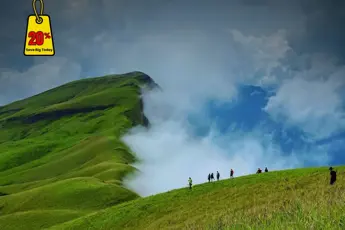
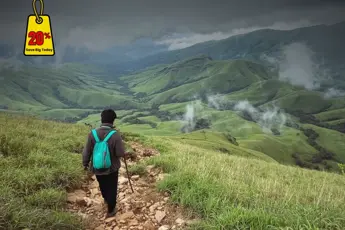
Activity location: Coorg, KarnatakaStarting day: FridayEnd day: SundayKumara Parvatha Trek Distance: 14 km (both ways) Trek Difficulty: Moderate to Difficult Kumara Parvatha Height: 5,617 ft. Distance from Bangalore: 270 KmAbout Kumara Parvatha Trek, Coorg: Book the Kumara Parvatha Trek from Bangalore with escape2explore. A 2-day, 2-night weekend trek from Beedahalli in Kodagu (Coorg) to the 5,617 ft (1,712 m) summit. 14 km both ways, moderate to difficult, minimum age 12. Kumara Parvatha Trekking can be one of the most rewarding treks a trekker can embark on. Boasting challenging gradients and stunning Western Ghat views, this trek will test both your physical and mental limits while helping you grow both personally and physically stronger. Beedahalli, home of the revered Kumara Parvatha temple, marks the starting point of this trail with its small gate and board marking its starting point. From here, it progressively becomes steeper as one progresses on this trek. As soon as you reach the summit of Kumara Parvatha, take in its breathtaking panoramas from up top. Take some time to soak in this experience before beginning to descend the mountain; don't forget to visit the shrine on top if desired and offer your prayers as well! Kumara Parvatha should be hiked during post-monsoon and winter months from October to February, when the Western Ghats come alive with lush vegetation, vibrant streams & waterfalls, and rejuvenated streams & waterfalls. Love lush green landscapes and misty trails? Explore more Monsoon Treks From Bangalore.
Activity location: Kodachadri, ShimogaStarting day: FridayEnd day: SundayKodachadri Trek Distance: 10 kmTrek Difficulty: Moderate to Difficult Kodachadri Height: 5,735 ft. (1,343 m)Distance from Bangalore: 380 KmAbout Kodachadri Trek, Shimoga: Kodachadri trek offers an ideal setting for nature enthusiasts and wildlife enthusiasts. Home to numerous plant and animal species, its wilderness setting makes for a memorable wildlife viewing experience. The trek is moderate in difficulty and requires good fitness levels and endurance. Before beginning the trek, it is vital to prepare your body by practising yoga and stretching muscles - this will reduce muscle aches and fatigue during your trek! Additionally, drinking plenty of water and carbohydrates is also key to fueling your body properly during its journey. Hidlumane Falls are one of the many sights worth seeing during this trek; these seven waterfalls cascading from mountain pinnacles make an impressive sight during monsoon season. Moola Mukambika Temple can be found at the summit of Kodachadri hill and is dedicated to Goddess Mookambika, who is said to have killed the demon Mookasura. Additionally, Adi Shankaracharya meditated at this location, making it an important spiritual site. Once at the summit, trekkers can take in breathtaking views of the surrounding hills and valleys as well as witness an exhilarating sunset from this point. Additionally, an ancient fort nearby offers another opportunity for discovery if desired. Hikers must remember that this trail forms part of Mookambika Wildlife Sanctuary and should take great care not to disturb or harm any of its wildlife. Looking for similar overnight adventures? Explore more exciting Monsoon Treks From Bangalore.
Activity Location: Chikkamagaluru, Karnataka Starting Day: FridayEnd Day: SundayKudremukh Height: 2,674 FtKudremukh Trek Distance: 18 kmTrek Difficulty: Moderate to Difficult Distance from Bangalore: 330 KmAbout Kudremukh Trek, Chikmagalur: Kudremukh Trek offers the ideal weekend escape from Bangalore. Filled with dense Shola forests, numerous streams, bamboo plants that reach up into the sky and lush green meadows - this trek makes an excellent photographer's playground! Additionally, during the monsoon and winter seasons, this path becomes even more breathtakingly beautiful. Trekkers can enjoy the lush beauty of this trail and spot wild animals like barking deer, lion-tailed macaques, Malabar giant squirrels and leopards along the route. Additionally, this trekking adventure provides breathtaking panoramic views of rolling hills and lush valleys that are sure to please nature enthusiasts alike. Kudremukh is one of the premier trekking trails in the Western Ghats, famed for its lush forests and breathtaking vistas. Although a difficult and rewarding hike that requires patience, endurance, and mental fortitude to complete successfully, Kudremukh nonetheless rewards you with breathtaking views from its cloud-covered peak at its conclusion! The trail begins at the Forest Department Office, where permits and guides must be obtained before beginning to trek across coffee plantations and muddy roads with waterfalls to reach Ontimara for your first glimpse of the forest. Once in the forest, the path becomes steeper and more difficult to traverse. After travelling a short distance, however, you'll reach a flat area covered by an impressive stand-alone tree where seating arrangements have been put in place so that you may rest at this scenic locale. This trek is one of the most popular experiences featured in our Monsoon Treks Near Bangalore collection.NOTE: Select the Friday date(Departure on Friday) for Saturday’s Trek.
Activity location: Madugundi, Karnataka Starting day: FridayEnd day: SundayBandaje Falls Height: 700 m Bandaje Falls Trek Distance: 9 - 12 km Trek Difficulty: Moderate to Difficult Distance from Bangalore: 308 KmAbout Bandaje Falls Trek, Dakshina Kannada:If you're searching for an exhilarating monsoon trek near Bangalore, the Bandaje Falls trek offers an exhilarating weekend adventure. Boasting scenic trails, an ancient fort and breathtaking sunrise views - its centrepiece is undoubtedly Bandaje Arbi waterfall - an incredible natural marvel that stands as testament to nature's splendour. Start your trek off right with an enjoyable drive through mist-covered roads and lush countryside, stopping briefly in Ujire before arriving at Mundaje village - your starting point. Surrounded by dense forests and towering trees that create natural tunnels overhead while filtering sunlight onto the ground below, Mundaje village promises an escape from city life as you begin trekking through its lush jungle environment. As you journey through the dense forest, you will reach Ballalarayana Durga Fort perched atop a hill, providing breathtaking views and access to ancient relics. Once finished exploring this marvel, head towards Bandaje Falls; this magnificent sight consists of cascading falls crashing over cliffs before plunging into a lush gorge below; an experience which will leave you speechless! While you can travel independently on this trek, travelling in a group will make the experience more enjoyable and secure. Escape2Explore guides have extensive experience and training to provide expert guidance, so that your trekking experience remains safe and memorable. The trek can easily be reached from major cities in Karnataka, such as Bangalore and Mangalore, making it easily accessible for travellers from across India. As this trek is popular among visitors from various corners of the globe, early booking is necessary as tickets sell quickly! This trail is perfect for travelers planning scenic Monsoon trekking from Bangalore.
Activity location: Chikkamagaluru, KarnatakaStarting day: FridayEnd day: SundayNetravati Peak Height: 4,986 ftNetravati Peak Distance: 14 km approx.Trek Difficulty: Moderate to Difficult Distance from Bangalore: 320 KmAbout Netravati Trek, Chikmagalur:Netravati trek is a 2-day monsoon trek to a 4,986-ft peak in Chikmagalur's Kudremukh range, rated moderate to difficult and best done between June and September, when the grasslands are green and the route's waterfalls are running. Most people book this as a weekend escape rather than a planned vacation. The bus leaves Bangalore's Majestic around 7 PM on Friday; you're at the base by early morning, and the climb itself takes most of Saturday. Day two is lighter: a visit to Beluru Temple and the Samse Tea Estate before the drive home, so the whole trip isn't spent on your feet. Netravati sees fewer trekkers than Kumara Parvatha or Kudremukh — the two treks people usually compare it against — which is part of the draw if you'd rather not queue at the summit. The tradeoff: the trail is less worn, and as with most Western Ghats climbs in monsoon, expect slippery patches after rain, especially in July and August. With a trek captain accompanying the group throughout and an itinerary paced across two days rather than crammed into one, it's manageable for a reasonably fit first-timer — though "moderate to difficult" means it's not the gentlest introduction to trekking either. If you've never done a multi-hour climb, this shouldn't be your very first one. Whether you are trekking with friends, solo, or with a group, this trek promises an unforgettable outdoor adventure. Love lush green landscapes and misty trails? Explore more Monsoon Treks from Bangalore.
I love the idea of exploring Gangadikal with a group of friends. A trekking adventure is a great way to enjoy nature and create wonderful memories. Escape2Explore is worth exploring... Read More
Vinay Reddy
Reviewed: Sep 30, 2026
star
5/5
. A trek to Gangadikal sounds like an interesting experience for nature enthusiasts. Exploring new surroundings and enjoying outdoor activities can make the trip worthwhile. I would like to learn... Read More
Nishanth Bhat
Reviewed: Sep 30, 2026
star
5/5
The forest trails and open landscapes make Valikunja Trek an interesting adventure. I enjoy destinations that offer opportunities to explore nature away from crowded places. Escape2Explore is worth checking for... Read More
Shankar Bhat
Reviewed: Sep 26, 2026
star
5/5
Gangadikal Trek sounds appealing for travelers who enjoy peaceful outdoor settings. It is a good reminder to take time away from busy schedules and explore nature. I would consider it... Read More
Yuvan Shetty
Reviewed: Sep 25, 2026
star
5/5
Valikunja Trek sounds exciting for anyone who enjoys discovering natural destinations. The Western Ghats scenery makes it a promising choice for an outdoor getaway. I would research the route and... Read More
Zoya
Reviewed: Sep 24, 2026
star
5/5
Gangadikal Trek is a great option for anyone who enjoys discovering new places. The combination of outdoor activity and natural beauty makes the experience appealing. I would check Escape2Explore for... Read More
Malvika Krishnan
Reviewed: Sep 24, 2026
star
5/5
Valikunja Trek is an interesting option for travelers who prefer nature-based experiences. The chance to explore an unfamiliar trail and appreciate the landscape makes it appealing. I would look into... Read More
Lokesh Gowda
Reviewed: Sep 19, 2026
star
5/5
Gangadikal Trek is a nice option to research if you enjoy active holidays. A journey through nature can provide a refreshing change of pace. I would check the trek details... Read More
Chandru Shetty
Reviewed: Sep 18, 2026
star
5/5
I would love to plan a Gangadikal trip with people who enjoy adventure. Discovering new destinations together can make the experience memorable. Escape2Explore is worth exploring for relevant package information.
Pranith Rao
Reviewed: Sep 18, 2026
star
5/5
A trek to Valikunja sounds like a wonderful way to reconnect with nature. Exploring new trails and enjoying mountain scenery offers a refreshing change from routine. I would love to... Read More
clear Hey there!! 👋 Have any enquiries
About Us
Unleash adventure near Bangalore! From hills to caves, immerse in nature's thrill. Unforgettable memories await!