Kathgodam
Kathgodam
Search

Search Your Favourite Destination...
Trips, Treks & Adventure Experiences From Bangalore

 Pithoragarh, Uttarakhand
  Min Age12+
 TaxNo Hidden Charges
Starting from INR 42855
Per Person
( Inclusive of all taxes )

Meal

Transport

Permit

Trekking

Guide
Tent Stay

Tea Snacks
Meal
Transport
Permit
Trekking
Guide
Tent Stay
Tea Snacks
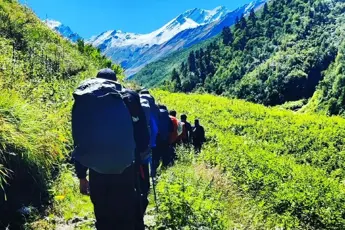
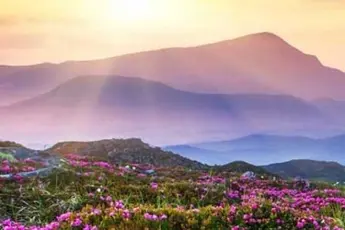
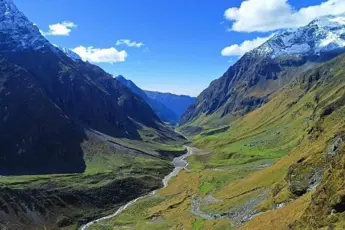
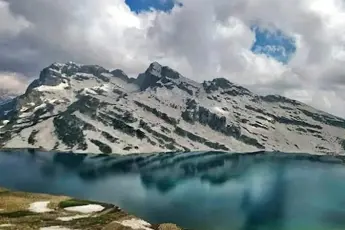
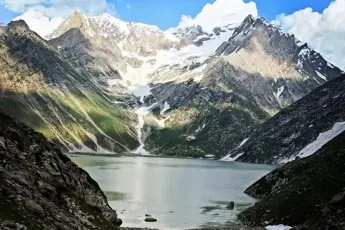
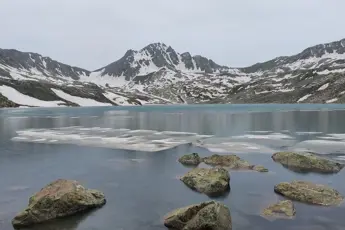
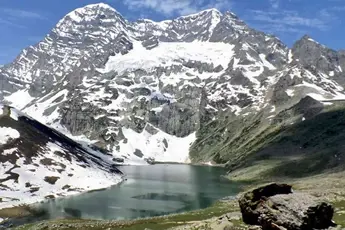
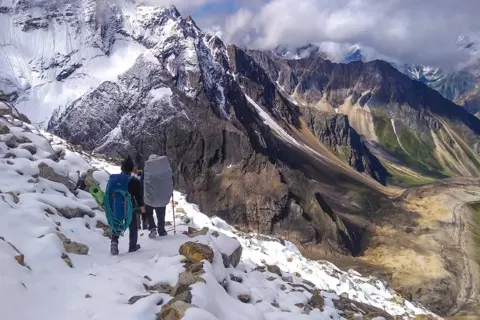
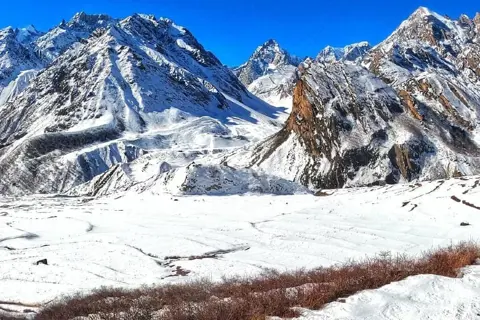
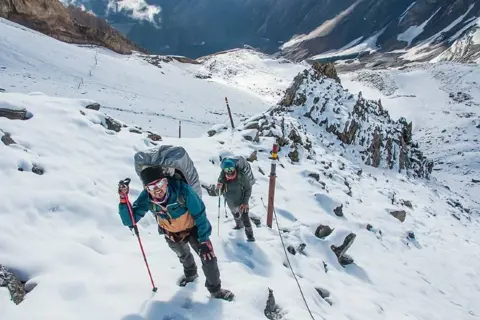
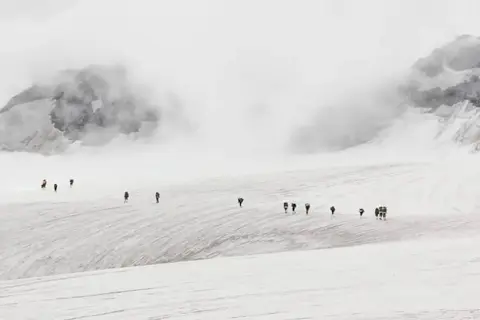
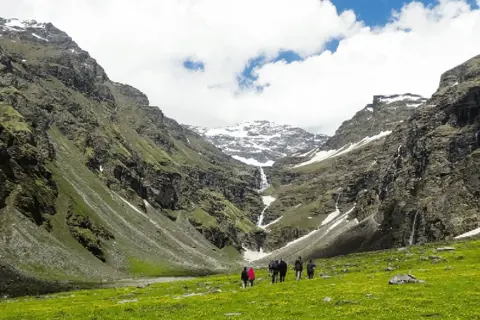
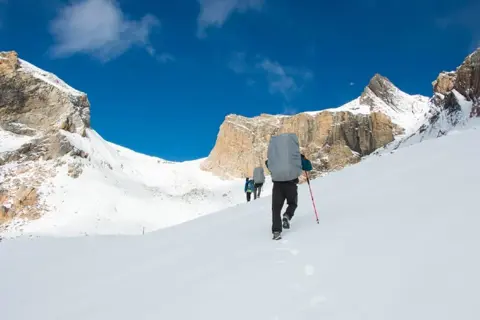
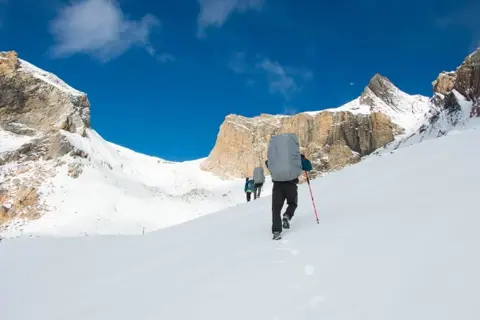
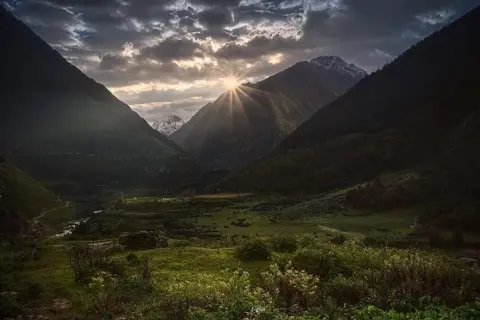
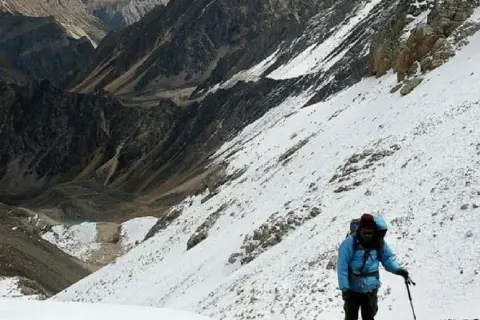
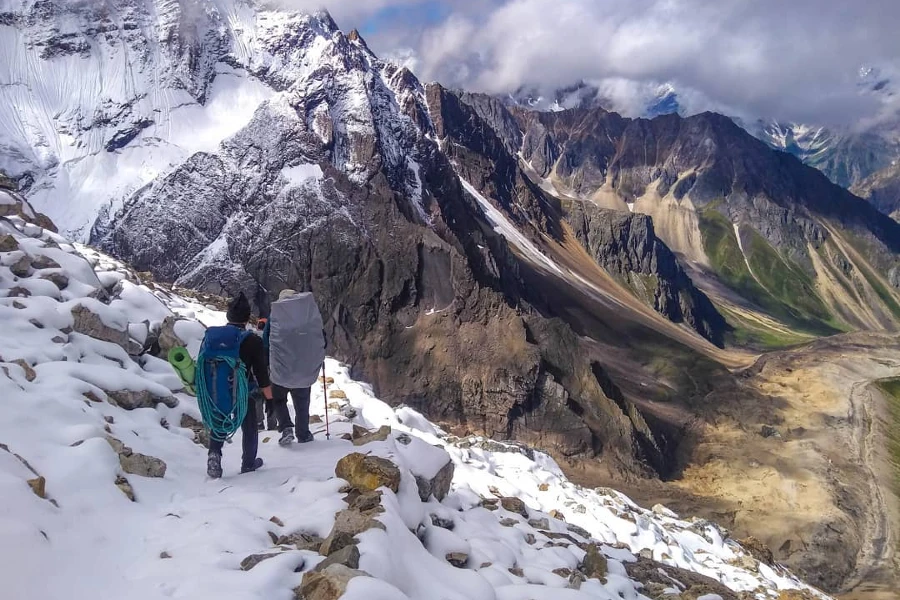
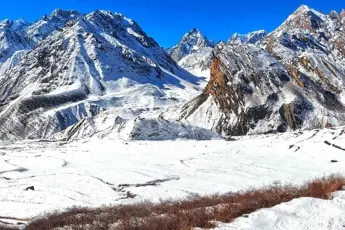
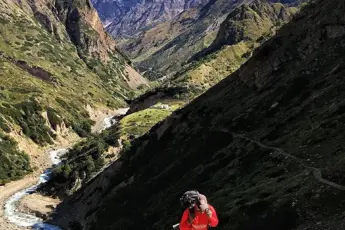
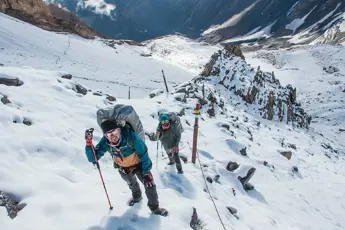
Trek through Darma Valley’s rugged trails offering solitude and spectacular Himalayan views in every directionReach Sinla Pass at 5500 meters for panoramic vistas of snow-covered peaks including Api and Nampa from NepalWalk along ancient Indo-Tibetan trade routes crossing forests streams and high-altitude meadows full of serenityThis is a true offbeat trek for those seeking physical challenge scenic beauty and Himalayan wilderness combinedExplore remote Himalayan villages where tradition and culture remain untouched by the outside modern worldIdeal for experienced trekkers this high-altitude route rewards every effort with silence views and adventurePitch your tent at peaceful campsites like Baun and Bidang and fall asleep under a dazzling Himalayan skyCross glaciers rocky terrain and high ridgelines on one of Uttarakhand’s most remote and thrilling trekking routes
Activity location: Pithoragarh, Uttarakhand.Trip Duration: 14 Days | 13 NightsBest Time to Visit: May, June, Sep and OctTrekking Distance: 70-80 KMMax. Altitude: 5495 MTSSinla Pass Trek Difficulty Level: DifficultMeals: Vegetarian mealsAccommodation: Camping Tent (Triple/Quad Sharing)About the Sinla Pass Trek, Uttarakhand.The Sinla Pass Trek is a remote and thrilling adventure in the Kumaon region of Uttarakhand, India. Ideal for seasoned trekkers seeking solitude and raw Himalayan wilderness, this high-altitude trek leads you to the dramatic Sinla Pass, perched at an elevation of approximately 5,500 meters. The route unveils the pristine beauty of the Darma Valley, ancient trade paths near the Indo-Tibetan border, and breathtaking views of snow-capped peaks like Api and Nampa from Nepal. This offbeat trail offers a true wilderness experience, far from commercial trekking circuits, making it a hidden gem for adventure lovers.Starting from Dharchula, the Sinla Pass Trek passes through traditional Himalayan villages like Sela, Baun, and Bidang before reaching the challenging high pass. Trekkers will navigate dense forests, glacier-fed streams, and high alpine meadows while gradually ascending to the Sinla Pass. The journey demands physical endurance and acclimatisation, but the reward is unmatched: panoramic mountain views, serene campsites, and a deep connection with nature. Due to its remote location and rugged terrain, the trek is perfect for those looking to explore untouched regions of the Indian Himalayas. Whether you're drawn by its cultural richness, untouched trails, or the thrill of high-altitude trekking, the Sinla Pass Trek promises an unforgettable adventure into the heart of the mountains.Note: Trekker carry your Photo ID , Adhar card , Passport , Visa , Medical certificate , Declaration from for entry at forest check posts on the trek it is very important.Trending Packages: Kolahoi Glacier Trek |Obra Gad Trek |Budha Kedar Trek |Gorson Bugyal Trek |Khimloga Pass Trek
This Package Includes:Transportation From Kathgodam to KathgodamTrekkingExperienced & Certified trek leader and local support staffFirst AidAll Meals (breakfast, packed lunch, tea, coffee, snacks, soup and dinner)AccommodationDining Tent, Dining TableHigh-quality Dome tents, sleeping bagsAll Permits And Passes Wherever RequiredMedical Kit, Oxygen Cylinders
Trekking Gear Personal equipmentAny additional activities or services not included in the itineraryMeal During Road JourneyPotters Or Mules to Carry Personal LuggageAnything not mentioned in the includes
Pithoragarh
Drive from Kathgodam to Dharchula (290 km) (9/10 hours).Begin the journey with a scenic drive from Kathgodam to Dharchula covering a distance of around 290 kilometersEnjoy views of terraced hills forests and charming mountain towns throughout the 9 to 10 hour driveCross key locations like Almora and Didihat while ascending deeper into the Kumaon Himalayan regionDharchula is a small town on the Indo-Nepal border nestled along the Kali River surrounded by high peaksComplete check-in formalities and settle into your accommodation for a well-deserved rest after the long journeyExplore the town or relax in the evening while preparing for the adventure that begins the next dayOvernight stay in a guesthouse or hotel in Dharchula to acclimatize and recharge for the trek ahead
Acclimatization Day at Dharchula.Spend the day in Dharchula to acclimatize to the altitude and prepare your body for the upcoming high-altitude trekExplore the culturally rich town located along the Kali River with views of Nepal just across the borderVisit local markets temples and interact with locals to get a feel for the Himalayan lifestyle and traditionsUse the day to rest hydrate and check your trekking gear before heading into remote and rugged terrainAttend a briefing session if organized by your trek leader to understand the route and safety protocolsShort walks around town can help adjust your body to the elevation without overexerting yourselfEnjoy a relaxed evening and nutritious meals to stay energized for the trek beginning the next day
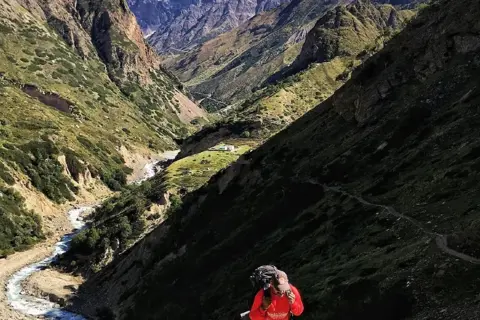
Dharchula to Budi (2740 m)(4/5 hours).Begin the trek with a drive from Dharchula to Tawaghat followed by a scenic and gradual trek to Budi villageTrekking time is around 4 to 5 hours covering forest paths rocky terrain and picturesque landscapesWalk alongside the Kali River while ascending slowly through traditional villages and narrow mountain trailsReach Budi at an altitude of 2740 meters surrounded by lush greenery and peaceful Himalayan viewsEnjoy the serenity of this remote village and interact with locals for a glimpse into the mountain lifestyleSet up your tents or settle in a basic homestay while enjoying the natural beauty and crisp mountain airHave an early dinner and rest well to recharge for the steeper climb ahead on the next day’s trek
Budi to Nabi/Gunji (2895 m) (5/6 hours).Begin your trek from Budi to Nabi or Gunji covering a distance that takes about 5 to 6 hours on footFollow a beautiful trail along the Kali River with changing terrain ranging from rocky paths to grassy slopesCross suspension bridges and pass through small Himalayan hamlets offering glimpses of local life and cultureGradually gain altitude as you ascend to around 2895 meters while enjoying views of distant snow-capped peaksReach Nabi or Gunji by afternoon and relax in this peaceful high-altitude village near the Indo-Tibetan borderSpend time acclimatizing further and soaking in the raw natural beauty of the surrounding landscapeSettle in for the night in a campsite or homestay and rest well for the upcoming higher climbs
Nabi to Nabidang (Om Parvat) (3500 m) (5/6 hours).Start your trek from Nabi heading toward Nabidang with the majestic Om Parvat as the visual highlight of the dayThe trail takes around 5 to 6 hours and includes gradual ascents through barren yet beautiful high-altitude terrainTrek along the Kali River and witness dramatic changes in the landscape as you gain elevationCatch your first view of the sacred Om Parvat, where natural snow formations appear in the shape of "Om"Om Parvat holds great religious significance and offers a spiritually enriching and visually awe-inspiring experienceReach Nabidang at 3500 meters and set up camp with breathtaking views of the surrounding peaksEnjoy a warm meal and rest well in your tent under a clear star-lit Himalayan sky
Nabidang to Nabi (2895 m) (5/6 hours).Begin your return trek from Nabidang back to Nabi after witnessing the serene beauty of Om ParvatThe descent takes around 5 to 6 hours and follows the same scenic trail through high-altitude landscapesEnjoy different perspectives of the valley and surrounding peaks as you make your way back downWalk at a comfortable pace and take breaks to appreciate the vastness and tranquility of the HimalayasReach Nabi village by afternoon and settle back into your previous campsite or local accommodationUse the rest of the day to relax recover and reflect on the sacred experience at Om ParvatHave an early dinner and get a good night's rest before continuing your journey towards Sinla Pass
Rest Day at Nabi.Take a full rest day at Nabi to allow your body to acclimatize before heading towards higher altitudes on the trekSpend the day hydrating relaxing and preparing mentally and physically for the challenging route aheadShort walks around the village can help with acclimatization without putting too much strain on the bodyEnjoy the scenic beauty and peaceful environment of Nabi nestled in the high Himalayas near the Tibet borderInteract with locals to learn about their culture traditions and daily life in this remote mountain villageReview your gear and supplies making sure everything is ready for the rugged terrain beyond NabiRest well in the evening and prepare for the ascent towards base camps and the Sinla Pass crossing
Nabi to Kutti (3810 m) (5/6 hours).Begin the trek from Nabi to Kutti covering a distance that takes around 5 to 6 hours through high mountain terrainThe trail gradually ascends offering stunning views of snow-covered peaks and wild barren landscapesPass through alpine meadows rocky sections and glacial streams as you gain altitude toward 3810 metersKutti is a remote and culturally rich village named after Goddess Kali with traditional stone houses and quiet charmThe region is steeped in history and was once part of ancient Indo-Tibetan trade routesReach Kutti by afternoon and settle into your campsite or a simple village homestay surrounded by the mountainsRest well and stay warm as the elevation increases and temperatures begin to drop noticeably
Kutti to Jyolingkong (4419 m) (14 km) (6/7 hours).Start your trek from Kutti to Jyolingkong covering a distance of 14 km in about 6 to 7 hours through high-altitude terrainThe trail is challenging with steep ascents rocky sections and occasional snow patches as you climb to 4419 metersPass through barren yet awe-inspiring landscapes with panoramic views of the surrounding Himalayan giantsJyolingkong is a remote and sacred high-altitude area known for its proximity to the revered Adi Kailash peakWitness surreal silence vast open spaces and a sense of spiritual energy in this untouched regionReach the campsite at Jyolingkong by afternoon and rest amidst towering peaks and crisp mountain airStay overnight in tents with layered clothing and sleeping bags to manage the cold high-altitude temperatures
Rest Day at Jyolingkong.Spend a full rest day at Jyolingkong to allow your body to fully acclimatize to the high altitude of 4419 metersTake the opportunity to explore the area around your campsite, enjoying the serene beauty and peaceful surroundingsShort hikes in the vicinity can help with further acclimatization while avoiding overexertionRelax and hydrate, focusing on maintaining energy levels for the challenging days aheadReflect on the spiritual and natural beauty of the area, with stunning views of the Adi Kailash rangeUse the day to prepare your gear, check supplies, and rest up for the ascent to Sinla PassEnjoy a relaxed evening around the campfire, and take in the high-altitude night sky before retiring to your tents
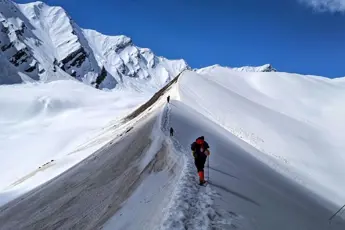
Jyolingkong to Bedang via Sinla Pass (5495 m) (15 km) (6/7 hours).Begin your trek from Jyolingkong to Bedang, crossing the Sinla Pass at 5495 meters, a challenging and rewarding ascentThe trail is long, covering 15 km in 6 to 7 hours, and includes both steep ascents and descents across rocky and snowy terrainAs you approach Sinla Pass, prepare for the thin air and the rigorous final push to the top of this high-altitude passAt the summit of Sinla Pass, you’ll be rewarded with breathtaking panoramic views of the surrounding peaks and valleysAfter taking in the views, descend carefully through rugged terrain, making your way towards BedangReach Bedang by the afternoon, a serene campsite surrounded by magnificent Himalayan scenerySet up camp, enjoy a warm meal, and rest after the challenging yet fulfilling day of trekking
Bedang to Panchachuli base camp (4620 m) and Baling (5/6 hours).Start your trek from Bedang towards Panchachuli Base Camp, located at 4620 meters, with a trek duration of 5 to 6 hoursThe trail offers spectacular views of the Panchachuli peaks, renowned for their beauty and majestic heightTraverse through alpine meadows, rocky terrain, and river crossings, gradually gaining altitude as you near the base campReach Panchachuli Base Camp and spend some time soaking in the stunning views of the surrounding snow-capped peaksAfter a brief stop, continue the descent towards Baling, a peaceful village nestled at a lower altitudeSettle in at Baling, where you can relax and enjoy the warmth of the village before the final stretch of the trekCamp in this charming village or opt for basic accommodation as you prepare for the trek's concluding days
Sone/Baling (2743 m) to Dharchula.Begin the final leg of your trek from Sone/Baling (2743 m) to Dharchula, covering a comfortable distance with a descentThe trail takes you through picturesque villages and lush forests, gradually leading down towards the Kali RiverEnjoy the scenic beauty of the lower altitudes with views of the surrounding hills and valleys as you make your way backArrive at Dharchula by afternoon, where you’ll complete your trek and return to the base after your high-altitude adventureTake time to relax in Dharchula, reflect on your journey, and explore the local markets and cultureComplete your check-out and begin your drive back to Kathgodam or continue your onward journey, marking the end of the trek
Dharchula to Kathgodam (290 km) (9/10 hours).Start early for a scenic return drive from Dharchula to Kathgodam covering approximately 290 kilometersThe journey takes around 9 to 10 hours through winding mountain roads and beautiful Kumaon landscapesPass through charming hill towns like Didihat and Almora while descending into the lower Himalayan foothillsEnjoy your last views of the high peaks as you bid farewell to the remote beauty of the Sinla Pass regionStop for meals and refreshments at local dhabas along the way, soaking in the final stretch of mountain cultureArrive at Kathgodam by evening, marking the end of your unforgettable Sinla Pass Trek journeyFrom Kathgodam, continue your onward journey or take a train back home with lasting memories of the Himalayas
Kathgodam
Kathgodam
ClothingTrekking Shoes: Sturdy, waterproof hiking boots with good grip.Warm Clothing: Thermal layers, fleece jackets, and a waterproof jacket.Trekking Pants: Quick-dry pants or cargo pants.T-shirts: Moisture-wicking T-shirts for comfort.Warm Hat and Gloves: For protection against cold.Socks: Wool or synthetic hiking socks (avoid cotton).Trekking GearBackpack: Comfortable daypack to carry essentials.Trekking Poles: Helpful for stability on steep trails.Rain Cover: For your backpack in case of rain.HydrationWater Bottles: Reusable water bottles or hydration bladder.Water Purification Tablets: For treating water from streams.Health and SafetyFirst Aid Kit: Basic first aid supplies, including antiseptics and band-aids.Personal Medications: Any prescription medications you require.Sunscreen: High SPF to protect against UV rays.Lip Balm: With SPF protection.MiscellaneousCamera: To capture the stunning landscapes.Multi-tool/Swiss Army Knife: For various uses.Headlamp/Flashlight: With extra batteries for nighttime.Toiletries: Biodegradable soap, toothbrush, toothpaste, toilet paper.Trash Bags: To carry back any waste.Mandatory Documents:Original and photocopy of government photo identity card- (Aadhar Card, Driving License, Voters ID, etc,Passport and Visa important to foreignersMedical Certificate (First part should be filled by the Doctor and Second part by the Trekker)Declaration Certificates
Trusted by 50,000+ travelers for unforgettable outdoor adventures across South India.Professionally curated itinerariesExperienced trip captains & support teamSafe, organized, and beginner-friendly experiencesComfortable transport & verified staysHighly rated with excellent traveler reviewsTransparent pricing with no hidden costs12+ Years of Experience4.8★ Google Rating
Starting from INR 42855
Per Person
( Inclusive of all taxes )

(Incl. of all taxes)

The Sinla Pass Trek is considered moderate to challenging due to the rugged terrain and high-altitude passes. It involves steep ascents, snow-covered paths, and crossing alpine meadows. Trekkers should have prior experience with multi-day treks and be prepared for long days of hiking and unpredictable weather at high altitudes.
The best time for the Sinla Pass Trek is from May to June and September to October. These months offer clear skies, milder temperatures, and fewer chances of rain or snow, making the trek more enjoyable and safe. Avoid the monsoon season (July-August) due to slippery trails and difficult navigation.
Yes, the Sinla Pass Trek is generally safe, especially if done with an experienced guide. It is important to prepare well for altitude acclimatization and be cautious of the challenging terrain. Always follow your guide’s instructions, maintain a steady pace, and be ready for any weather changes during the trek.
While it’s possible to trek without a guide, it is highly recommended to have one for safety reasons. The Sinla Pass Trek passes through remote areas with difficult navigation, and having a knowledgeable guide ensures proper route identification, safety, and assistance in case of emergencies.
The weather during the Sinla Pass Trek can be quite variable. At lower altitudes, you’ll experience mild temperatures, but higher altitudes bring cold conditions, especially in the evenings and mornings. Expect occasional rain, snow, or wind depending on the season, and pack accordingly with layers of clothing to stay comfortable.
The Sinla Pass Trek takes you through diverse ecosystems, home to various wildlife. You might spot Himalayan monals, musk deer, and other high-altitude species like snow leopards, wild boars, and mountain goats. Birdwatchers will enjoy the chance to spot many rare bird species, making it an exciting trek for nature lovers.
While the Sinla Pass Trek can be a rewarding experience for families with older children, it is not recommended for younger children due to the challenging terrain and altitude. Families with teens or those who have prior trekking experience will find the trek manageable with proper planning and guidance.
The highest point of the Sinla Pass Trek is the Sinla Pass itself, situated at an elevation of around 4,000 meters (13,123 feet) above sea level. This challenging section requires proper acclimatization and is one of the most rewarding parts of the trek, offering panoramic views of surrounding peaks and valleys.
As with any high-altitude trek, the primary risks include altitude sickness, unpredictable weather, and difficult terrain. Proper acclimatization, staying hydrated, and following the guidance of your trek leader significantly reduce these risks. It is also important to pack adequate gear to stay warm in extreme weather conditions.
Accommodation during the Sinla Pass Trek is mostly in tents, with trekkers camping at designated campsites along the route. These camps are set up with essential equipment to ensure comfort and safety in the wilderness. Meals are served at camp, and the team sets up cozy sleeping arrangements for the trekkers at night.
The Sinla Pass Trek stands out due to its stunning combination of varied landscapes, challenging high-altitude passes, and the sense of adventure it offers. It’s a hidden gem compared to more popular treks, giving you a unique opportunity to explore remote areas and witness incredible Himalayan beauty away from the crowds.
The safety and security of women/girls are paramount to us. Hence, it's entirely safe for women/girls to participate in our treks and travels. Our trip leaders always accompany the group, offering constant assistance and direction. Our campsites are thoroughly secure and provide a safe lodging environment. In addition, our female trip leaders often join our trips.
Your money will be refunded within 2-3 business days.
Unfortunately, it's not feasible to reschedule your tour to a future date if you're unable to attend on the designated day, regardless of the circumstances (like family emergencies, health problems, or work commitments). However, if you have concerns about this policy, please don't hesitate to email us at info@escape2explore.com, and our team will get in touch with you to discuss further.
Yes, you can join the trek to Sinla Pass. The trip’s difficulty level is moderate and can be attained without someone’s support. Wear robust footwear, and comfortable clothes, and maintain basic fitness to complete the trek.
Life is unpredictable and we understand that sometimes you have to cancel or change your trip dates and we endeavour to make it as easy as possible for you. However, please understand that we plan everything including guide fees, permits, accommodation and rations in advance. Therefore, any cancellation means inconvenience and certain losses to the people involved in various stages of the programme. Keeping that in mind, our cancellation charges are as below -Cancellations before 30 days from the start of the event: Get a monetary refund with 15% of cancellation charges.Cancellations between 30 days and 15 days to the start of the event: 50 %refund.Cancellations less than 15 days to the start of the event: No refund.Cancellations will be accepted only by email.Note: The Himalayan Daredevils reserves the right to cancel a program before departure in the event of logistical problems arising due to natural calamities, strikes, wars or any other circumstances that make the event inadvisable. In this case, we will refund 50% of the event fees.Itinerary Changes &Trip delays:We plan itineraries based on the information available at the time of planning and in rare circumstances, they are subject to change. If the itinerary is changed or delayed due to unforeseen circumstances such as bad weather, transportation delays, government intervention, landslides etc., we will always aim to give you the best experience possible. However, The Himalayan Daredevils not be held responsible for the cost of delay or changes.For Bookings made from Third Party Websites:The client is responsible for communicating with a third party (booking website) for cancellation.Cancellation / Refund is done by a third party based on their policies.
The Sinla Pass Trek is a path less taken, yet it's amazing in the Kumaon Himalayas of Uttarakhand. It sits in the Johar Valley by the Indo-Tibetan line. This trek takes you past green fields, ice streams, thick woods, and old Himalayan towns. It is high up, about 5,490 meters, and is one of the top passes in Kumaon. From there, you can see the snow tops of Nanda Devi, Nanda Kot, and Api Himal in Nepal. The walk starts at Munsiyari, called the “Little Kashmir of Uttarakhand,” and goes deep into the far Johar Valley. On the way, you pass many sights, from tall pine woods to icy bare spots. The path also goes by old paths used for trade between India and Tibet, making it a mix of culture and adventure. What sets Sinla Pass apart is how tough and wild it is, just right for those who have trekked a lot and love quiet and raw beauty. Its high spot and shifting weather mean you need to be fit, get used to the height, and have hiked high before. You also see the rich ways of the Johari folks, known for their work and life touched by Tibet. Small spots like Martoli and Milam put you right in the story of trade with Tibet. All in all, the Sinla Pass Trek is hidden and great for those who shun busy paths and want to dive into the deep beauty of Kumaon while touching adventure, history, and culture.History of Sinla Pass TrekThe tale of Sinla Pass stretches back to the old trade and meetings between India and Tibet. For ages, this high pass was key for traders, holy folk, and locals going between the Johar Valley in India and Tibet. It was one of many paths in Kumaon that built the trade line with Tibet, busy until the mid-1900s. Before freedom, traders from Johar Valley would go to Tibet. They took food, sweets, spices, and cloth, and brought back salt, wool, and other goods. Sinla Pass, hard yet important, kept the link open between Munsiyari and Gyanima in Tibet. It also held deep meaning in spirit and culture. Many Buddhist ways got to Kumaon through this path, changing the ways, big days, and looks of Johari towns. The high spots show old prayer flags and holy spots from these exchanges. But after the Indo-China war in 1962, the border trade stopped, and this pass, like others in the area, was closed to locals. This hit the Johari folk hard, as trade was key to their life. Towns like Martoli, Burfu, and Milam, once alive with trade, lost many people as they moved to find new ways to live. Now, Sinla Pass has turned from a trade route to a trek spot. While not as well known as others, it pulls in those who love tough treks and history, wanting to follow the old trader’s steps. Today, it stands as a mark of past links between India and Tibet. For trekkers, it’s a long view into history where every spot tells of times gone by, when traders faced tough paths to keep their ways and lives going. It’s more than just grand views; it’s a step back into the tales of the Himalayan past and roots.Nearby Places around Sinla Pass TrekMunsiyari: Munsiyari, known as the start point for the Sinla Pass Trek, is often called the "Little Kashmir of Uttarakhand." It is loved for its great views of the Panchachuli Peaks, green fields, and deep Kumaoni culture. Munsiyari is also a key place for many trek paths, such as the Milam Glacier, Ralam Glacier, and Namik Glacier treks. The town is ideal for getting used to the high altitude and has homestays, shops, and looks into the old ways of the Johari people.Milam Glacier: Milam Glacier, a big ice mass in the Kumaon Himalayas, is near the Sinla Pass path. Stretching about 16 km, it is the largest glacier in Kumaon and forms the Gori Ganga River. Once a busy trade spot with Tibet, the nearby villages are now quiet, but old ruins and temples still show the past trade days. Trekkers often go to Sinla Pass and also see Milam Glacier.Martoli Village: Martoli, a lovely, near-empty mountain village on the way to Sinla Pass and Milam Glacier. Known for its old stone homes, wood art, and Buddhist flags flying near snow tops, the village keeps the story of Indo-Tibetan trade alive. In spring and summer, the fields here fill with wildflowers, making it a great stop for trekkers.Nanda Devi East Base Camp: Not far from the Sinla Pass path, Nanda Devi East Base Camp gives a close look at the great Nanda Devi East Peak (7,434 m). Seen as a holy mountain, Nanda Devi is deeply part of the Uttarakhand lore. Trekkers find this spot the most pretty in the Kumaon Himalayas, a mix of wild thrills and deep respect.Ralam Glacier: Near Sinla Pass, Ralam Glacier sits in a far valley under big peaks. It is less known than Milam but shows grand sights, ice streams, and untouched wild lands. The trek from Munsiyari to Ralam Glacier is tough, making it a good extra for skilled trekkers at Sinla Pass.Best Time to Visit Sinla Pass TrekSummer (May to June): The summer is a top time for the Sinla Pass Trek. Then, the snow melts, showing fresh green fields, bright flowers, and clear paths. Days are nice, but nights can be cold up high. Summer lets you see clear top views of Nanda Devi and other big peaks, making the trek worth it.Monsoon (July to September): The rainy months are risky for the Sinla Pass Trek due to heavy rain, falling rocks, and mud on paths. The area may face rain bursts and floods, making treks hard. Still, valleys and woods are full of life and colour now. It's best to skip these months unless you're very skilled and have good help.Autumn (September to October): Autumn is the best time for the Sinla Pass Trek. After rain, all looks clean and bright, and the skies are very clear, showing snowy mountain edges. It's cool and calm, great for high walks. This time also lets trekkers see the Johar Valley villages when they still have people before they move down for winter.Winter (November to April): Winter brings deep cold, a lot of snow, and closed paths, making the Sinla Pass Trek hard to do. It gets very cold, and paths are hidden in snow, tough even for good climbers. But one can still see the frozen beauty of the Kumaon Himalayas on lower walks near Munsiyari in winter.How to Reach Sinla Pass TrekBy Airport: The closest airport is Pantnagar Airport, about 300 km from Munsiyari. From the airport, you can take a cab or bus to Munsiyari via Almora and Pithoragarh. While flights are few, Pantnagar is the fastest airway for trekkers from big spots like Delhi.By Railway Station: The closest big train stop is Kathgodam, around 280 km from Munsiyari. Kathgodam has good train links with Delhi, Lucknow, and Dehradun. From Kathgodam, you can ride by road through Almora and Pithoragarh, seeing lovely hill views before reaching Munsiyari.By Road: Munsiyari, where the Sinla Pass Trek starts, has good road links to main places in Uttarakhand. Buses and shared taxis run from Haldwani, Kathgodam, Almora, and Pithoragarh. For more ease, one can rent a private cab. The road trip to Munsiyari is long but worth it, with curvy mountain roads, pine trees, and snow views.Why Book with escape2exploreWhen exploring the Sinla Pass Trek and beyond, escape2explore stands out as a trusted name in adventure and experiential travel. Here’s why hundreds of travellers choose us for their getaways:Trusted, Well-Reviewed Local Operator: escape2explore has gained the trust of thousands of content tourists all over India. With persistent positive feedback and an unblemished reputation for delivering quality experiences, we assure you that your experience will be hassle-free, memorable, and value-packed. Our insider local knowledge guarantees that you will always be in safe hands.Seasoned Guides: Our trips are led by friendly, trained, and professional guides who are passionate about the outdoors and your safety. Whether it's a beach trek, a cultural tour, or a spiritual walk through temples, our team knows the terrain, the stories, and how to make each moment count.Safe & Curated Itineraries: Your safety is our number one priority. Our tour packages are thoughtfully crafted with safety measures, researched accommodations, and easy travel arrangements. We take care of the details so you can have the experience hassle-free and worry-free.Unique Experience That You Won't Find Anywhere Else: With escape2explore, you discover more than the tourist attractions. We go off the beaten track with hidden beaches, unusual treks, offbeat cultural destinations, and true interactions.
Have any enquiries
Unleash adventure near Bangalore! From hills to caves, immerse in nature's thrill. Unforgettable memories await!








318/A, 9th Main Rd, Ideal Homes Layout, BEML Layout 3rd Stage, Rajarajeshwari Nagar, Bengaluru, Karnataka 560098
© 2012-26 escape2explore.com All rights reserved.