

Dehradun
Dehradun



 Uttarkashi, Uttarakhand
 Min Age12+
 TaxNo Hidden Charges
Starting from INR 35712
Per Person
( Inclusive of all taxes )
 CHRISTMAS SALE

Meal

Transport

Permit

Trekking

Guide

Tent Stay

Tea Snacks
Meal
Transport
Permit
Trekking
Guide
Tent Stay
Tea Snacks
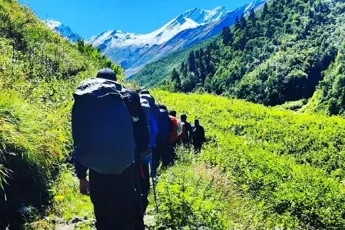
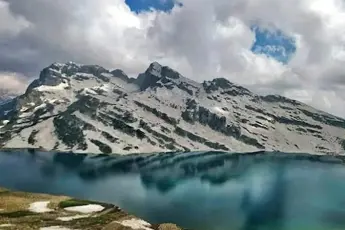
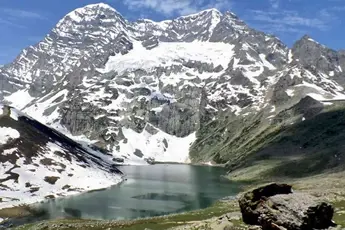
Trek through untouched Himalayan trails that lead to the serene and crystal-clear glacial waters of the remote Kanasar Lake
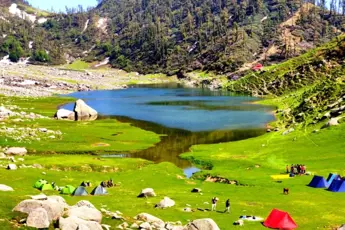
Journey across vibrant meadows and dense deodar forests while soaking in the unfiltered beauty of the Uttarakhand Himalayas
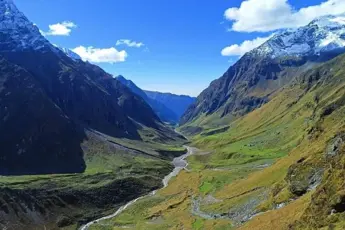
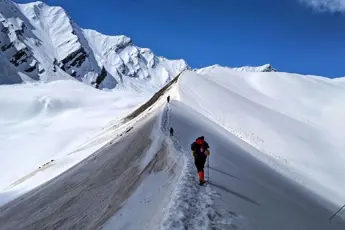
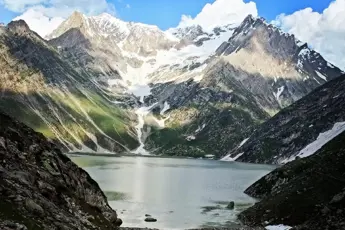
Enjoy panoramic views of snow-clad Himalayan peaks and dramatic alpine landscapes from high-altitude ridges along
Trip Duration: 12 Days | 11 Nights
Best Time to Visit: May, June, Sep, Oct, Nov
Trekking Distance: 90-95 KM
Max. Altitude: 4,600 Meters (15,090 feet)
Kanasar Lake Trek Difficulty Level: Moderate
Meals: Vegetarian meals
Accommodation: Camping Tent (Triple/Quad Sharing)
About Kanasar Lake Trek , Uttarakhand.
Kanasar Lake Trek – A Hidden Gem in the Himalayas
The Kanasar Lake Trek is a lesser-known yet breathtaking adventure that promises an unforgettable journey through the untouched beauty of the Himalayas. Nestled in the Uttarkashi district of Uttarakhand, this trek is a hidden treasure waiting to be discovered. The trail takes you through dense forests of deodar, pine, and walnut trees, vibrant meadows sprinkled with wildflowers, and remote mountain villages that echo ancient traditions. As you ascend, the landscape transforms dramatically, offering panoramic views of snow-capped peaks and deep alpine valleys.
What makes the Kanasar Lake Trek truly special is the pristine glacial lake itself—Kanasar Lake—nestled at a high altitude, reflecting the surrounding ridgelines in its crystal-clear waters. The trek challenges both beginners and seasoned trekkers with moderate gradients and thrilling high-altitude sections. Along the way, you’ll pass through scenic campsites like Rala Thach and Panch Odari, each offering its own slice of Himalayan serenity. Cultural encounters with warm-hearted villagers and the opportunity to witness rare Himalayan flora and fauna add to the uniqueness of this trek.
Whether you're seeking solitude, spiritual connection, or a physical challenge, the Kanasar Lake Trek delivers on all fronts. With the right planning and a spirit of adventure, this trek can be the highlight of
Transportation From Dehradun to Dehradun
Trekking
Experienced & Certified trek leader and local support staff
First Aid
All Meals (breakfast, packed lunch, tea, coffee, snacks, soup and dinner)
Accommodation
Dining Tent, Dining Table
High quality Dome tents, sleeping bags
All Permits And Passes Wherever Required
Medical Kit, Oxygen Cylinders
Trekking Gear Personal equipment
Any additional activities or services not included in the itinerary
Meal During Road Journey
Potters Or Mule To Carry Personal Luggage
Anything not mentioned in the includes
Trekker carry your Photo ID , Adhar card , Passport , Visa , Medical certificate , Declaration from for entry at forest check posts
Pickup from Dehradun Railway Station between 6:00 am to 7:00 am by Himalayan Hikers team
Drive begins from Dehradun, the capital of Uttarakhand known for its scenic beauty and Rajpur Road charm
Pass through Mussoorie, famously called the "Queen of Hills" – enjoy panoramic views on the way
Stop at Kempty Falls for breakfast and enjoy the lively atmosphere and cascading waterfall (1-hour break)
Cross the holy Yamuna River – optional 20-minute break to enjoy the serene riverside views
Journey continues through small market towns: Nainbagh, Damta, and Naugaon
Reach Purola around 1:30 pm and break for lunch at a local restaurant
Resume journey via Jarmola, a forested stretch with views of pine trees and distant Kedarkantha peaks
Drive through the village of Mori, known for its untouched charm and riverside setting
Arrive at Naitwar forest check post for entry verification before proceeding further
Finally reach Khanyasni Camp by evening, located in a peaceful setting surrounded by mountains
Enjoy tea or snacks at the campsite and settle in for the night in twin-sharing tents
Start your trek from Khanyasni Camp and begin ascending through dense and peaceful pine forests
Climb a steep ridge as you make your way towards the charming high-altitude village of Bitri
Be cautious as the trail can be confusing so always stay close to your trek leader for guidance
There are no water sources en route so carry sufficient water for the entire duration of this hike
After 4 hours of ascent you reach the picturesque village of Bitri with traditional wooden houses
Meet the welcoming villagers of Bitri and explore the local Kinnauri-style temple and village school
After a brief lunch break in Bitri village, continue your trek towards the serene Sarutal campsite
Sarutal is a beautiful lake set in a calm meadow surrounded by greenery far from urban noise
Relax at the tranquil campsite near Sarutal Lake and enjoy a freshly prepared dinner under stars
Overnight stay will be in twin-sharing tents at the scenic Sarutal Camp surrounded by mountains
Start your morning at Sarutal with breathtaking views before you begin the trek to Badang Camp
The trek begins with a steep and rocky climb offering moderate difficulty for most trekkers
After an hour of hiking you’ll reach a stream which marks the start of a refreshing pine forest
Walk through lush pine forests on a leveled trail before another gradual ascent begins
This region is rich in flora and fauna so you may spot langoors and Himalayan birds along the way
Badang Camp is a picturesque meadow encircled by majestic Deodar trees and scenic beauty
A freshwater stream near the campsite serves as the main water source for the evening
Reach Badang by afternoon and unwind in the peaceful environment of the Himalayan wilderness
Relish a warm and hearty dinner at the campsite before settling into tents for the night
Twin-sharing tents at Badang provide a comfortable and serene night under starry skies
Begin the day with breakfast and prepare for a long 13 km trek to Dhaldhar Camp via Vijay Top
Ascend steeply to Vijay Top located at 3700 meters and take in the spellbinding Himalayan views
Marvel at the sights of snow-covered peaks and grand vistas of Vishkhopri and Obra Valley
See the majestic Khimloga Pass from Vijay Top and enjoy a serene panoramic experience
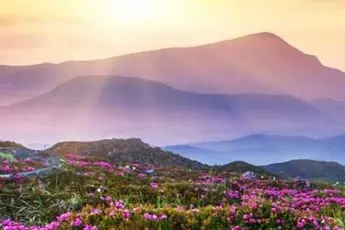
The trail features vibrant wildflowers, flowing streams, and misty meadows all along the path
Cloudy skies and rolling mist create a mystical ambiance on your way to the top
Spend around 3.5 hours reaching Vijay Top where the views are absolutely stunning and memorable
Begin your descent from Vijay Top and trek through scenic ridges to reach Dhaldhar Camp
Dhaldhar is a wide, beautiful ridge meadow that serves as a perfect peaceful campsite
Set up your tents and enjoy the evening in nature before resting for the night under the stars
Wake up early at Dhaldhar Camp to witness a breathtaking sunrise over snow-clad Himalayan peaks
Enjoy a warm breakfast at camp before starting your short but important acclimatization trek
Trek from one mountain ridge to another through scenic high-altitude meadows filled with beauty
The trail offers majestic views of Swargarohini Bandarpunch and the imposing Nalgan peaks
Walk through Rhododendron-covered trails and enjoy panoramic 180-degree Himalayan views
Expect minor descents but mostly steady walking along rocky ridgelines to reach Devbasa
Devbasa sits on a high-altitude rocky patch that links two mountain ridges and is often windy
Look around to spot the visible trail that leads toward the Baraadsar ridge and final destination
Devbasa’s plain rocky terrain offers stunning sights and a peaceful camping environment
Set up tents at Devbasa Camp and rest early as the next day’s trek is long and challenging
Begin early from Devbasa for a long high-altitude trek to the sacred Baraadsar Lake
Trail options include a shorter steep path or a longer gentler loop around the mountain
Choose route based on fitness level both involve trekking through rugged rocky terrain
Trail features loose rocks boulders and sharp ridgelines adding to the difficulty
Weather becomes harsher so wear sufficient warm layers to avoid altitude chill
Ascend toward Baraadsar Ridge and catch the first glimpse of the mystical lake
Snow-covered mountains surround the lake offering mesmerizing Himalayan views
Baraadsar Lake is revered by locals as a wish-fulfilling lake set at 4300 meters altitude
The lake is untouched and peaceful making it a spiritually uplifting destination
Set up camp near the lake relax and enjoy the serenity of this sacred hidden gem
Catch the magical sunrise over snow-clad peaks before departing Baraadsar Lake
Locals say all wishes made here come true—don’t forget to make one before you leave
Begin your 6 km trek toward Kukurkandi after a hearty early breakfast at camp
Trail continues through stunning alpine terrain with peaceful surroundings
Expect rocky stretches and gradual ascents as you move toward the next meadow
Kukurkandi is a vast Thach meadow with unreal views and calming ambiance
This picturesque site is one of the most beautiful post-Baraadsar Lake stops
Enjoy half-way milestone of trek with serene vibes and panoramic sights
Set up camp and unwind in nature’s lap surrounded by Himalayan silence
End your day with a warm meal and peaceful night under the mountain stars
Start early with hot tea and soak in the crisp mountain air and glowing sunrise
Trek covers 7 km through scenic trails; carry your packed lunch for the day
Terrain includes steady ascents—take short breaks and stay on the correct path
It’s advisable to have a local guide for route accuracy and safe travel
Trail unfolds more surreal views as you ascend to higher altitudes
Reach Manjivan, a stunning campsite just before the final stretch to Kanasar
Get jaw-dropping views of towering peaks right from your camp spot
This high-altitude meadow is peaceful, remote, and perfect for reflection
Pitch tents and rest well—tomorrow is the trek to the sacred Kanasar Lake
Enjoy dinner under the stars and prepare for the most awaited trek ahead
Begin trek from Manjiban to Kanasar Lake, just 3 km but with rough, steep terrain
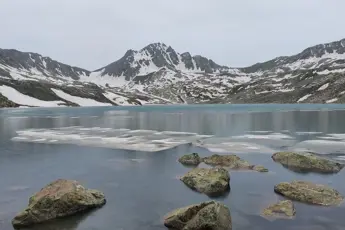
Kanasar Lake lies at 4600 m, surrounded by ice layers and snow-capped ridges
Marvel at the untouched beauty and tranquility of this sacred high-altitude lake
Enjoy panoramic views of the Kinnaur mountain ranges as you reach the lake
Locals worship this lake annually—its spiritual energy is palpable and peaceful
Rest, take photos, and absorb the energy of this isolated, divine place
Trek resumes from Kanasar Lake to Vishkhopri, around 8 km of descent
The trail to Vishkhopri is long but scenic, with stories from Mahabharata era
Ask your guide about the Pandava legends tied to this hidden valley
Reach the quiet Vishkhopri meadow; pitch tents and enjoy your last camp night
Start descent from Vishkhopri to Liwari Village covering 14 km on foot
Trail moves through alpine forests, meadows, and scenic remote valleys
Enjoy the last stretch with views of distant peaks and fading ridgelines
Trek is long but mostly downhill, easing the strain on legs and lungs
Reach Liwari Village by evening; enjoy hospitality in a cozy local homestay
Reflect on the entire journey while relaxing with warm local meals
Option to drive to Rishikesh or Dehradun the same day if time allows
Begin early morning trek from Liwari Village to Baincha Road Head (7 km)
Trail passes through lively Himalayan villages and agricultural lands
Watch locals tending to fields, herding sheep and cattle on the way
Reach Baincha in 4–5 hours; take a short rest before onward journey
Continue by taxi to Sankri (36 km), a scenic mountain drive
En route, stop at Jakhol – a traditional and culturally rich village
Arrive in Sankri, base camp for over 25 famous Himalayan treks
Explore Sankri’s mini market – a perfect stop for trekkers’ gear
Check into "Swargarohini Palace", your cozy hotel in Sankri
Enjoy traditional local cuisine and a well-earned night’s rest
Start your day with an early breakfast at Sankri
Begin taxi journey from Sankri to Dehradun (210 km)
Enjoy scenic views of rivers, pine forests, and valleys en route
Stop midway for lunch and stretch your legs
Estimated travel time is 8–9 hours, depending on traffic
Arrive in Dehradun between 6:00 to 6:30 PM
Drop-off point as per your preference (railway station, hotel, etc.)
Your trek and travel services conclude upon arrival
CHRISTMAS SALEDehradun
Dehradun
Trekking Shoes: Sturdy, waterproof hiking boots with good grip.
Warm Clothing: Thermal layers, fleece jackets, and a waterproof jacket.
Trekking Pants: Quick-dry pants or cargo pants.
T-shirts: Moisture-wicking T-shirts for comfort.
Warm Hat and Gloves: For protection against cold.
Socks: Wool or synthetic hiking socks (avoid cotton).
Backpack: Comfortable daypack to carry essentials.
Trekking Poles: Helpful for stability on steep trails.
Rain Cover: For your backpack in case of rain.
Water Bottles: Reusable water bottles or hydration bladder.
Water Purification Tablets: For treating water from streams.
Trusted by 50,000+ travelers for unforgettable outdoor adventures across South India.
Professionally curated itineraries
Experienced trip captains & support team
Safe, organized, and beginner-friendly experiences
Comfortable transport & verified stays
Highly rated with excellent traveler reviews
Transparent pricing with no hidden costs
12+ Years of Experience
4.8★ Google Rating
Starting from INR 35712
Per Person
( Inclusive of all taxes )
CHRISTMAS SALE
Kanasar Lake Trek is located in the picturesque region of Uttarkashi, Uttarakhand. This hidden trail leads you to a breathtaking alpine lake surrounded by dense forests, wide meadows, and majestic peaks, making it a perfect offbeat Himalayan adventure for peace seekers and nature lovers.
The Kanasar Lake Trek is categorized as an easy to moderate trek. It’s ideal for beginners as well as experienced trekkers who enjoy peaceful routes without intense elevation gains. Gradual ascents, forest walks, and open meadows make the journey incredibly rewarding and physically manageable.
The best months to do the Kanasar Lake Trek are May to June and September to early November. During these periods, you get to enjoy lush greenery or clear autumn skies. The lake looks particularly beautiful post-monsoon when the surrounding landscapes burst into vibrant colors.
Besides the mesmerizing lake itself, the trail features ancient pine and oak forests, expansive bugyals (meadows), and panoramic views of Himalayan giants. The peaceful campsites, the melodic sound of forest streams, and occasional wildlife sightings make every moment memorable.
Yes, the Kanasar Lake Trek is considered very safe. The trail is relatively straightforward, the campsites are secure, and professional trek leaders ensure safety protocols. However, like any Himalayan trek, it's important to follow basic trekking guidelines and stay attentive to the surroundings.
During the Kanasar Lake Trek, accommodation mainly involves camping in waterproof alpine tents. These tents are cozy and designed to withstand varied mountain weather. You’ll sleep amidst stunning natural landscapes, waking up to the sound of chirping birds and rustling leaves.
Essentials for the Kanasar Lake Trek include trekking shoes with good grip, layered clothing for varying temperatures, a rain jacket, woolen caps, gloves, sunscreen, sunglasses, a small personal first-aid kit, and a refillable water bottle. Packing light yet wisely will make the trek more comfortable.
Definitely! The Kanasar Lake Trek is perfect for beginners looking for their first Himalayan adventure. The trail is gentle, the camping experience is wonderful, and the daily distances are very manageable, offering a rewarding introduction to the world of trekking.
Temperatures during the Kanasar Lake Trek can vary. Daytime temperatures are usually pleasant around 10–18°C, but nights can get chilly, dropping to 0–5°C. Especially during the post-monsoon or early winter months, it's wise to carry sufficient warm clothing for a cozy camping experience.
Yes, there are several natural water streams along the Kanasar Lake trail. These are usually clean and can be used for drinking after purification. Still, it’s advisable to carry enough water bottles and purification tablets to stay hydrated and safe throughout the trek.
You don't need to be an athlete, but basic physical fitness is important. If you can walk 5–6 km daily or climb stairs without heavy panting, you are good to go. Doing some jogging, squats, or brisk walks before your trek will certainly make it easier and more fun.
Yes, you can join the trek to Kanasar Lake. The trip’s difficulty level is moderate and can be attained without someone’s support. Wear robust footwear, and comfortable clothes, and maintain basic fitness to complete the trek.
The safety and security of women/girls are paramount to us. Hence, it's entirely safe for women/girls to participate in our treks and travels. Our trip leaders always accompany the group, offering constant assistance and direction. Our campsites are thoroughly secure and provide a safe lodging environment. In addition, our female trip leaders often join our trips.
Your money will be refunded within 12 business days.
Unfortunately, it's not feasible to reschedule your tour to a future date if you're unable to attend on the designated day, regardless of the circumstances (like family emergencies, health problems, or work commitments). However, if you have concerns about this policy, please don't hesitate to email us at info@escape2explore.com, and our team will get in touch with you to discuss further.
Life is unpredictable and we understand that sometimes you have to cancel or change your trip dates and we endeavour to make it as easy as possible for you. However, please understand that we plan everything including guide fees, permits, accommodation and rations in advance. Therefore, any cancellation means inconvenience and certain losses to the people involved in various stages of the programme. Keeping that in mind, our cancellation charges are as below -
Cancellations before 30 days from the start of the event: Get a monetary refund with 15% of cancellation charges.
Cancellations between 30 days and 15 days to the start of the event: 50 %refund.
Cancellations less than 15 days to the start of the event: No refund.
Cancellations will be
The Kanasar Lake Trek is a treasure that is not often flaunted, but it is situated in the Garhwal region of Uttarakhand. It is a peaceful and less-frequented trail for those seeking isolation and virgin-like beauty in their trek. The trek is famed for its virgin alpine meadows, thick coniferous forests, and the amazing sight of the snow-covered mountains, thus blending the appeal of nature and the richness of culture. The trek path is surrounded by pine, deodar, and oak trees. Gradually, you will be able to see large balds where different colored wildflowers grow in the summer. The lake itself, Kanasar, is a wonderful view covered with tall trees and reflecting the sky like a good mirror; it contains that mystical quality that confounds every wanderer. The Kanasar near Chakrata is one of the most densely deodar forests in Asia, and hence the trek is a haven for those who love nature and photographers.
The Kanasaar Lake is a commercial trek that has been so well preserved that the lake remains largely unspoiled, offering trekkers the opportunity to experience the untamed. The route is of medium difficulty and is good for beginners with basic fitness and for experienced trekkers as well, when they are looking for a peaceful escape. Moreover, the trekkers can meet the villagers and therefore learn about their habits and fables, as well as gain new knowledge of the regional people, while trekking. The major advantage of this journey is that it is so versatile different seasons can be used for trekking, and one can always be amazed at the different charms of each one. The blooming of the meadows is revealed in summer, the golden landscapes of fall, and the snow-covered area in winter are just a few off the top of my head. Definitely, the Kanasar Lake Trek is a flagship for those among us who want to be miles away from the hustle and bustle of city life, and at the same time have the chance of soaking in the unspoiled beauty of the Himalayas.
The origin of Kanasar Lake and its adjacent area can be traced through the tales that are tied with the folklore, old customs, and the cultural faith of the Garhwal Himalayas. Kanasar is a name that is said to come from the terms of the locals and is mostly used for thick forests and holy groves. The lake and its enchanting meadows lying close to Chakrata have been the heart and soul of the rural people for ages. Based on the legends of the locals, Kanasar Lake is holy, and to the inhabitants, the lake’s waters are those that are touched by the gods. The stories tell that the ones who have been there for the most part were the three holy men, or sages, who chose nearby the lake to do their yoga because of the place’s outstanding tranquillity. By such connections, the lake is not just a marvel of nature but also a sanctuary of faith. One of the main topics in the tradition of folk stories handed down in the families of the region is that the lakes’ idea was originally the gods’ homes, and the belief is still strong as the locals conduct rituals during festivals in honour of those ceremonial beliefs. On another hand, it can even be said with confidence that those very same woods that are a source of controversy today were the vital part of the economic system and way of life of the Jaunsari tribe that inhabited the villages close by.
The deodar and pine were sacred trees, from some of which the records say that they were more than 600 years old were taught not to be cut. Unlike those areas where the cutting of trees was done on a large scale, Kanasar was green thanks to the community-led conservation efforts and the spiritual reverence for the trees. At the time of the British rule, the British were very much attracted to Chakrata and the woods surrounding it, consisting of Kanasar, because of the dense deodar plantations. The information tells us that British officers frequently took advantage of the area to escape from their routine activities due to the region being cool in summer and having amazing views. While several areas of the forest were turned into timber yards, the core of Kanasar remained unspoiled to keep alive the rest of the biodiversity. Currently, the spectacle of the trek and the attractive meadows have been converted into a very popular trekking and eco-tourism place. Many attempts have been made to make the journey safe from damage and instilled with the spirit of the natural and cultural heritage of Kanasar. The march not only embodies its historical and spiritual side as it did in the past but also lets the visitors explore not only this very plan beauty, but also a glimpse of centuries-old tradition of the Himalayan people. Therefore, the history of Kanasar Lake is the coming together of myth, community conservation, and colonial influence that not only makes it a mere trekking place but a testimony of culture, faith, and the survival of nature.
Chakrata: At a distance of about 25 km from Kanasar, Chakrata is a lovely hill station with a mesmerising view, which was a very popular place to stay during the British period. It is wrapped up with heavy woods and snowy hills around, and it gives one a full view of the valley and the calm nature. Chakrata, with its unspoiled beauty, has remained a stopover for those hikers, waterfalls, and hidden villages lovers of the Garhwal region
Tiger Falls: Tiger Falls stands as one of the tallest waterfalls in the state of Uttarakhand falls directly and is situated near Chakrata, from where it is approachable in the trip of the nature lovers. The water falls from the sheer cliff of about 312 feet in height, creating a pool of water at the bottom, which can be refreshing for the visitors during summer. The enjoyable journey is also a short trek passing through dense woods and small rivulets to reach the falls.
Budher Caves: In another way, Miola Caves are the name point is a set of limestone caves not far from the mountain village of Chakrata, which, according to the folklore of the area, released the Pandavas to have done them during their time in exile. These caves go deep miles underground, and they are one of the mountain’s most extreme caves to be found; thus, they attract a lot of adventurers to come and explore them. Budher Caves is one of these caves, and it is surrounded by meadows and pine forests and still keeps its historical and scenic beauty.
Koti-Kanasar Village: As it lies next to the Kanasar grassy plains, Koti-Kanasar is a charming little village that can boast one of the oldest deodar trees (more than 600 years old) not only in Asia but in the whole world. By visiting this village, tourists will have an opportunity to witness the ultra-traditional Jaunsari culture and just a leisurely stop to feel the calm and the unspoiled rural life of the Himalayas with nature around them.
Deoban: Deoban is a thick forest area near Chakrata, offering the most breathtaking views of the Himalayas, including peaks like Nanda Devi and Swargarohini. It is perfect for activities such as trekking, birdwatching, and photography. The purity of nature and the spiritual vibe make it a highly recommended place for every trekker.
Lakhamandal Temple: Situated roughly 62 km away from the mountain of Chakrata, Lakhamandal is a time-old temple dedicated to Lord Shiva. It is a place of utmost importance from the point of history, as it is related to the Mahabharata. Stone is used to materialise the temple in the classic architecture, and it also has the idols, which are elaborately carved. Lakhamandal is a nice trip away from the Kanasar trek for people who love history and are on their pilgrimage journey.
Summer (April to June): Generally speaking, the fantastic climate with temperatures not lower than 10 and not higher than 25 degrees Celsius makes summer the most attractive season to trek to Kanasar Lake in the highland. What is more, the meadows start to bloom with wildflowers, and the little deodar and oak forests offer refreshing shade along the way. Moreover, It is from the point of view of experienced mountaineers, the paths will be snow- and ice-free, as well as quite easy to walk, so the season can be considered as an "offence" for beginners.
Monsoon (July to September): Monsoon is a time when the nature of Kanasar becomes incredibly beautiful and green. Besides, forests get cleaned up by the rain, the mist spreads over the land, while the water gushes through the rivers. Heavy rains can make the trails slippery and dangerous. Therefore, one must be extremely cautious when it comes to trekking at the time of peak monsoons. Nature lovers who delight in dramatic weather and verdure might get this season rewarding. Yet, it is less crowded with newcomers.
Autumn (October to November): Autumn is certainly on the list of other wonderful seasons to visit Kanasar Lake. The sky being clear gives breathtaking views of far-off Himalayan peaks through the golden and amber meadows and forests, which in turn, make a magical compromise. Besides, the chilly air and moderate temperatures have made trekking a pleasure, and the trails are relatively less congested compared to summer.
Winter (December to February): Picture the whole area covered with snow, and the lake is usually frozen, thus the scenery looks like living in a fairy tale. Much of the time, temperatures fall significantly, often reaching below the freezing point, and a winter trek becomes only moderately difficult. This season is particularly for the ones who are seeking to live an extreme adventure experience in the middle of a snowy wonderland - the experienced trekkers.
By Airport: Approximately 150 km is the route from Jolly Grant Airport to Kanasar, Dehradun, being the closest airport to Kanasar. Tourists may hire a taxi or board a bus that will take them to Chakrata, the next big town near the hike, situated between the airport and Chakrata. The long way travellers are advised to take the flight to Dehradun as it gets direct flights from major Indian cities like Delhi, Mumbai, and Bangalore and is the most suitable option.
By Train: The nearest railway station to Kanasar is Dehradun Railway Station, which is about 140 km away. Trains operate between Dehradun and Delhi, Lucknow, Varanasi, and a number of other cities. One can take a cab or bus from the station to Chakrata and then drive to Kanasar.
By Road: Dehradun leads to the road to Kanasar. Both state and private buses are running between Dehradun and Delhi or other places within Uttarakhand. The travellers may either use their own car or take a shared cab from Dehradun to Chakrata, which is about 90 km. From Chakrata, one can either take local jeeps or private vehicles, which are around 25 km to reach the Kanasar area. The scenic drive through the twisty mountain roads is the best part of the trip.
When exploring the Kanasar Lake Trek and beyond, escape2explore stands out as a trusted name in adventure and experiential travel. Here’s why hundreds of travellers choose us for their getaways:
Trusted, Well-Reviewed Local Operator: escape2explore has gained the trust of thousands of content tourists all over India. With persistent positive feedback and an unblemished reputation for delivering quality experiences, we assure you that your experience will be hassle-free, memorable, and value-packed. Our insider local knowledge guarantees that you will always be in safe hands.
Seasoned Guides: Our trips are led by friendly, trained, and professional guides who are passionate about the outdoors and your safety. Whether it's a beach trek, a cultural tour, or a spiritual walk through temples, our team knows the terrain, the stories, and how to make each moment count.
Safe & Curated Itineraries: Your safety is our number one priority. Our tour packages are thoughtfully crafted with safety measures, researched accommodations, and easy travel arrangements. We take care of the details so you can have the experience hassle-free and worry-free.
Unique Experience That You Won't Find Anywhere Else: With escape2explore, you discover more than the tourist attractions. We go off the beaten track with hidden beaches, unusual treks, offbeat cultural destinations, and true interactions.
Hey there!! 👋
Have any enquiries

Unleash adventure near Bangalore! From hills to caves, immerse in nature's thrill. Unforgettable memories await!









318/A, 9th Main Rd, Ideal Homes Layout, BEML Layout 3rd Stage, Rajarajeshwari Nagar, Bengaluru, Karnataka 560098