

Pathankot
Pathankot



 Chamba, Himachal Pradesh
 Min Age18+
 TaxNo Hidden Charges
Starting from INR 42855
Per Person
( Inclusive of all taxes )
 CHRISTMAS SALE

Meal

Permit

Trekking

Guide

Tea Snacks

Transport

Tent Stay

Dormitory Stay
Meal
Permit
Trekking
Guide
Tea Snacks
Transport
Tent Stay
Dormitory Stay
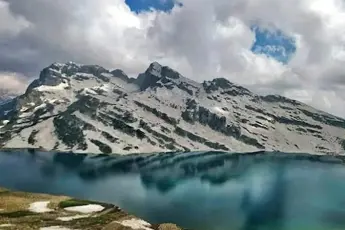
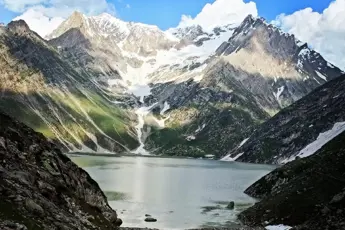
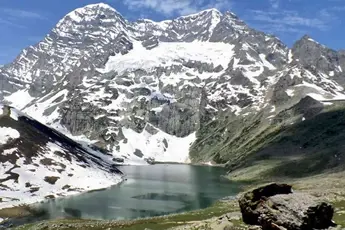
Kali Cho Pass Trek is a thrilling high-altitude adventure in Uttarakhand with breathtaking Himalayan views.
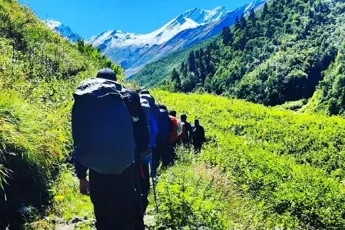
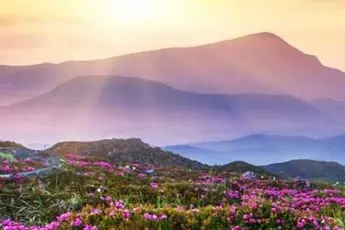
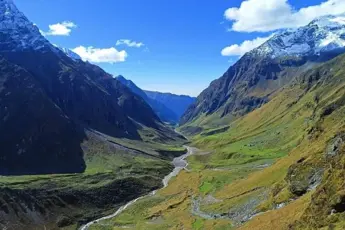
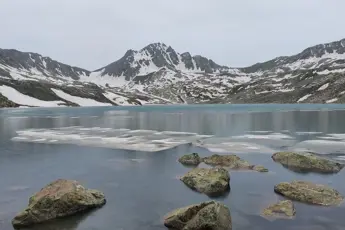
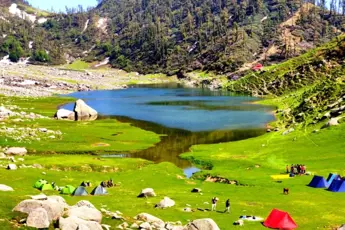
Trek through dense forests, alpine meadows, and glacial valleys while experiencing the untouched beauty of nature.
Witness panoramic views of towering peaks like Nanda Devi and Trishul from the challenging Kali Cho Pass summit.
Ideal for seasoned trekkers
Activity location: Chamba, Himachal Pradesh
Trip Duration: 10 Days | 9 Nights
Best Time to Visit: May - June, September to October
Trekking Distance: 110 Km Trek
Max. Altitude: 15,840 feet (4950 meters)
Kali Cho Pass Trek Difficulty: Hard to Challenging
Meals: Vegetarian meals
Accommodation: Camping Tent (Triple/Quad Sharing)
About Kali Cho Pass Trek, Himachal Pradesh:
The Kali Cho Pass Trek is an exhilarating yet lesser-known trekking route in the Indian Himalayas, offering breathtaking views, rugged landscapes, and a thrilling high-altitude experience. Situated in the remote regions of Uttarakhand, this trek takes adventurers through dense forests, alpine meadows, and glacial valleys, culminating at the Kali Cho Pass—a challenging yet rewarding ascent that unveils panoramic views of snow-capped peaks. Trekkers will traverse pristine trails, cross icy rivers, and witness an untouched wilderness, making this trek an ideal choice for seasoned hikers seeking solitude and adventure.
This high-altitude trek, reaching over 5,000 meters, demands excellent physical fitness and prior trekking experience. The Kali Cho Pass Trek is best attempted between May and October, when the weather conditions are favorable, and the trails are accessible. Along the journey, trekkers can encounter diverse flora and fauna, ancient villages, and awe-inspiring vistas of Himalayan giants like Nanda Devi and Trishul. Whether you're an adventure enthusiast or a nature lover, this trek promises an unforgettable experience, combining physical challenge with the serenity of the Himalayas. Explore the unfrequented Fachu Kandi Pass, connecting Har Ki Dun with Kedarnath region, through remote trails, alpine pastures, and rugged Himalayan crossings few have experienced.
Trending Packages:
This Package Includes:
Transportation from Manali
Trekking
Experienced & Certified trek leader and local support staff
First Aid
All Meals
Accommodation
Porters, Helpers
Dining Tent, Dining Table, Helmet, Crampons, Gaiters and Gaiters
High quality camping tents, sleeping bags, mattress liner etc
All Permits And Passes Wherever Required
Rescue Ropes, Climbing Ropes, Snow bar
Medical Kit, Oxygen
Trekking Gear Personal equipment
Any additional activities or services not included in the itinerary
Meal During Road Journey
Potters Or Mule To Carry Personal Luggage
Anything not mentioned in the includes
Travel from Pathankot to Dalhousie, covering a distance of 80 km.
Transportation will be arranged for a comfortable journey.
Enjoy a scenic drive through the picturesque landscapes of Himachal Pradesh.
Reach Dalhousie, a charming hill station in the Chamba region.
Explore the town’s colonial architecture, pine-clad valleys, and serene ambiance.
Rest and acclimatize in Dalhousie before starting the trek.
Start the day with breakfast in Dalhousie before heading to Kalatop Wildlife Sanctuary.
Explore the dense forests, rich wildlife, and scenic beauty of Kalatop.
Continue the journey to Khajiyar, known as the "Mini Switzerland of India."
Enjoy the lush green meadows, cedar forests, and a picturesque lake at Khajiyar.
Have lunch en route while admiring the breathtaking landscapes.
Begin the trek towards Bharmour via the historic town of Chamba.
Reach Bharmour, a serene town known for its ancient temples and rich culture.
Check into the hotel and rest for the night before the next adventure.
Begin the day with an early breakfast in Bharmour before starting the trek.
Trek 3 km uphill to Bharmani Mata Temple, located at a scenic crest.
Carry a packed lunch to enjoy amidst the breathtaking Himalayan views.
Seek blessings at the revered Bharmani Mata Temple and explore the surroundings.
Spend some peaceful time soaking in the spiritual and natural ambiance.
Trek back to Bharmour and relax after a fulfilling day of exploration.
Enjoy an overnight stay in Bharmour, preparing for the next day’s adventure.
Have breakfast in Bharmour before departing for Badgram in a pre-booked vehicle.
Enjoy a scenic 28 km drive through the picturesque Himalayan landscapes.
Begin the 5 km trek from Badgram to Bhadra, taking approximately 4 to 5 hours.
Trek through beautiful trails surrounded by lush greenery and serene views.
Reach Bhadra, the last village on the trail, offering a peaceful retreat.
Explore the village, interact with locals, and experience the remote Himalayan lifestyle.
Spend the night in Bhadra, resting for the next leg of the trek.
Begin the 12 km trek from Bhadra to Leundi after an early start.
The trail is mostly easy but includes some steep sections and multiple stream crossings.
Walk through dense forests, scenic meadows, and pristine Himalayan landscapes.
Reach Leundi, home to a small temple dedicated to Goddess Bhadrakali.
Explore the serene surroundings and enjoy the peaceful ambiance of the region.
Set up camps at Leundi and relax after a day of trekking.
Spend the night under the stars, preparing for the next day’s adventure.
Start the 10 km trek from Leundi to Bansar Goth through rough mountain trails.
Navigate steep inclines and cross multiple streams along the route.
Enjoy breathtaking views of the surrounding Himalayan landscapes.
Reach Bansar Goth, a sacred place named after Goddess Banni.
Experience the spiritual significance of the site, believed to be the incarnation place of Goddess Banni.
Settle in for the night and enjoy the serene atmosphere of the remote location.
Rest well and prepare for the next leg of the trek.
Begin the 7 km trek from Bansar Goth to Alyas Lahesh after breakfast.
Gradually ascend through rugged trails with stunning mountain views.
Alyas, locally called Lahesh, serve as the base for high-altitude passes.
Reach the campsite, which is the last resting point before Kali Cho Pass.
Relax and acclimatize to prepare for the challenging trek ahead.
Enjoy the peaceful surroundings and breathtaking Himalayan landscapes.
Rest overnight and regain energy for the next day’s trek to Kali Cho Pass.
Start the trek early at 4:00 AM to ensure favorable weather conditions.
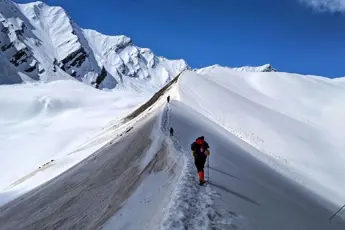
Walk on frozen snow for better traction and easier movement.
Trek 12 km through rough trails with steep vertical climbs and rocky terrain.
Experience a sudden altitude gain, making the ascent physically demanding.
Reach Kali Cho Pass, a challenging yet rewarding high-altitude crossing.
Visit the Kali Mata Temple, a sacred site at the summit of the pass.
Rest, admire the breathtaking views, and soak in the spiritual atmosphere.
Descend to Alyas from another route, completing a full circuit.
Relax and recover at the campsite after a tough yet exhilarating day.
Start the 10 km descent from Alyas via the rocky Nallah trail after breakfast.
Trek through rugged terrain leading to the sacred Trilokinath Temple.
Visit this renowned temple, a revered site for both Hindus and Buddhists.
Rest at the temple, soaking in its spiritual and cultural significance.
Descend further to the river and prepare to cross it.
Reach the main highway connecting to Udaipur, Himachal Pradesh.
Drive 105 km to Udaipur, enjoying the scenic Himalayan landscapes.
Arrive in Udaipur and settle in for a well-deserved rest after the trek.
Begin the day with a visit to the Mirkla Mata Temple in Udaipur.
Depart for Keylong, the district headquarters of Lahaul, enjoying scenic mountain views.
Explore Keylong, a beautiful town known for its monasteries and rich cultural heritage.
Continue the journey towards Manali, passing through breathtaking landscapes.
Cross the iconic Rohtang Pass, offering panoramic Himalayan views.
Arrive in Manali, marking the end of the adventurous Kali Cho Pass Trek.
Relax and explore Manali’s vibrant atmosphere before concluding the journey.
CHRISTMAS SALEPathankot
Manali
Trekking Shoes: Sturdy, waterproof hiking boots with good grip.
Warm Clothing: Thermal layers, fleece jackets, and a waterproof jacket.
Trekking Pants: Quick-dry pants or cargo pants.
T-shirts: Moisture-wicking T-shirts for comfort.
Warm Hat and Gloves: For protection against cold.
Socks: Wool or synthetic hiking socks (avoid cotton).
Backpack: Comfortable daypack to carry essentials.
Trekking Poles: Helpful for stability on steep trails.
Rain Cover: For your backpack in case of rain.
Water Bottles: Reusable water bottles or hydration bladder.
Water Purification Tablets: For treating water from streams.
Trusted by 50,000+ travelers for unforgettable outdoor adventures across South India.
Professionally curated itineraries
Experienced trip captains & support team
Safe, organized, and beginner-friendly experiences
Comfortable transport & verified stays
Highly rated with excellent traveler reviews
Transparent pricing with no hidden costs
12+ Years of Experience
4.8★ Google Rating
Starting from INR 42855
Per Person
( Inclusive of all taxes )
CHRISTMAS SALE

4.7
Out of 5.0
5
52
4
16
3
2
2
0
1
0

Sana Farooque
Reviewed: Dec 6, 2024
5/5
The Kali Cho Pass Trek tested our endurance, but escape2explore made sure we had everything needed. The tent stay, views, and food were all beyond expectations. Our guide was really... Read More
Saurav Kumar
Reviewed: Dec 5, 2024
5/5
I had an amazing experience with e2e on the Kali Cho Pass Trek. From the dormitory stay to the organized transportation, everything was perfect. The guide was knowledgeable and helped... Read More
Priya Sharma
Reviewed: Nov 28, 2024
5/5
The Kali Cho Pass Trek was on my bucket list, and escape2explore made it happen. Our guide knew the region well, shared local facts, and ensured safety throughout. The tent... Read More
Tanvi Chatterjee
Reviewed: Nov 14, 2024
5/5
I was traveling solo and nervous, but escape2explore’s team made me feel safe. The dormitory stay was secure, the group was friendly, and the guide ensured no one lagged behind.... Read More
Tanvi Deshmukh
Reviewed: Nov 14, 2024
5/5
Had an incredible experience with e2e on the Kali Cho Pass Trek. The dormitory stay before the trek was basic but clean. The guide was supportive, and the food was... Read More
Kali Cho Pass Trek is known for its rugged beauty, remote trails, and breathtaking panoramic views of the snow-capped Himalayan peaks. Unlike other treks, it offers a challenging yet rewarding experience with diverse landscapes, including dense forests, alpine meadows, and high-altitude passes.
This trek falls under the moderate to difficult category due to steep ascents, rocky terrain, and high-altitude conditions. Trekkers need good physical endurance, prior trekking experience, and proper acclimatization to complete it successfully.
The ideal time for this trek is May to June and September to October when the weather is clear, and the trails are stable. Monsoon months (July-August) bring heavy rainfall, and winters (November-April) make the trek extremely challenging due to snow-covered trails.
The highest point of the trek is Kali Cho Pass, which stands at an altitude of approximately 4,950 meters (16,240 feet). Proper acclimatization is crucial to prevent altitude sickness.
The trek features a mix of dense pine and rhododendron forests, gushing rivers, steep rocky trails, alpine meadows, and glacier crossings. As you ascend, the landscape transitions into barren, rugged terrain with spectacular Himalayan views.
Yes, since it’s a challenging trek, prior experience with high-altitude trekking is highly recommended. You should be comfortable with long walks, steep climbs, and unpredictable weather conditions.
Trekkers should have good cardiovascular endurance, leg strength, and stamina. Regular running, stair climbing, or hiking at least a month before the trek can help in preparation.
The biggest challenges include altitude sickness, unpredictable weather, steep ascents, long trekking hours, and cold temperatures at night. Adequate preparation and acclimatization help overcome these difficulties.
Accommodation is mainly camping-based, with tents provided at designated spots. In some lower-altitude villages, basic homestays or lodges might be available, but don’t expect luxury amenities.
Essentials include warm layered clothing, a good quality trekking backpack, a sleeping bag, trekking poles, waterproof gear, sturdy hiking boots, a headlamp, and essential medicines. A detailed checklist should be followed to avoid missing anything important.
The trek usually takes 8 to 10 days, depending on the itinerary, weather conditions, and acclimatization halts. It includes long trekking days with some steep climbs.
Yes, you can join the trek to Kali Cho Pass. The trek’s difficulty level is moderate and can be attained without someone’s support. Wear robust footwear, and comfortable clothes, and maintain basic fitness to complete the trek.
The safety and security of women/girls are paramount to us. Hence, it's entirely safe for women/girls to participate in our treks and travels. Our trek leaders always accompany the group, offering constant assistance and direction. Our campsites are thoroughly secure and provide a safe lodging environment. In addition, our female trek leaders often join our treks.
Your money will be refunded within 2-3 business days.
Unfortunately, it's not feasible to reschedule your trek to a future date if you're unable to attend on the designated day, regardless of the circumstances (like family emergencies, health problems, or work commitments). However, if you have concerns about this policy, please don't hesitate to email us at info@escape2explore.com, and our team will get in touch with you to discuss further.
Life is unpredictable and we understand that sometimes you have to cancel or change your trip dates and we endeavour to make it as easy as possible for you. However, please understand that we plan everything including guide fees, permits, accommodation and rations in advance. Therefore, any cancellation means inconvenience and certain losses to the people involved in various stages of the programme. Keeping that in mind, our cancellation charges are as below -
Cancellations before 30 days from the start of the event: Get a monetary refund with 15% of cancellation charges.
Cancellations between 30 days and 15 days to the start of the event: 50 %refund.
Cancellations less than 15 days to the start of the event: No refund.
Cancellations will
The Kali Cho Pass Trek is a tough and grand trip set deep in the clean land of the Zanskar Range in the Indian Himalayas. It stands tall at about 5,300 meters (17,388 feet), linking the pretty Sumdo Valley of Himachal Pradesh to Zanskar in Ladakh. This path is far off and not often walked, drawing in hard trekkers who like being alone, big mountain views, and a strong dive into culture. It's good for people who are strong and have been up high hills before. The walk starts from the small village of Sumdo, hidden in the far-off Spiti Valley. The trail moves through big empty valleys, icy piles, and old paths used by herdsmen. The first days of the trek lead you up slow through fields and mountain lands, often full of wild flowers in summer and walked by nomadic Gaddi herdsmen. The look of the land gets better as trekkers go higher, with amazing views of snow peaks, green water, and icy heights filling the sky. As you get near the bottom of Kali Cho Pass, the ground gets harder and needs you to be smart and strong. Going over the pass is the most wild yet hard part of the walk. The way is often snowy even in summer, and the hard slopes need ropes and foot grips, more so if new snow or ice is there. From the top of the pass, the wide views of the Zanskar and big Himalayan ranges are huge, giving a strong moment in the big wild world.
Past the pass, the way down leads into the dry, odd lands of Zanskar, where the bare, moon-like land is so different from the green mountain lands of Spiti. Old holy places, lone small towns, and markers line the path, showing walkers a peek into the old Buddhist culture living in this far-off place. The last part of the trek often ends near Padum, the old heart of the Zanskar rule, giving a soft return to people's life. One big draw of the Kali Cho Pass Trek is its being far from others. Not like other busy Himalayan trips, this way stays pretty much left alone, letting walkers enjoy true wild and peace. The trek also gives a rare chance to see Himalayan animals like blue sheep, snow foxes, and maybe even a snow leopard, with lots of Himalayan flowers too.
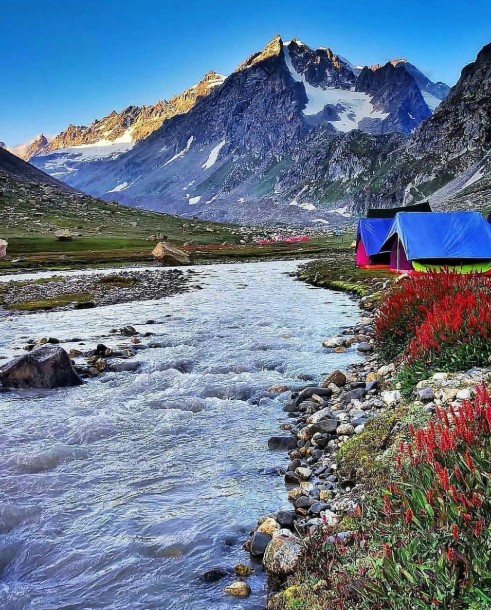
The Kali Cho Pass, in the high Zanskar Range of the western Himalayas, is not just a spot on a map but also has a deep history linked with the ways, trade, and ways of old mountain groups. Standing at about 5,300 meters, the pass links the Sumdo Valley in Spiti (Himachal Pradesh) with the Zanskar Valley in Ladakh (Union Territory of Ladakh). Though not as famous as other Himalayan paths, Kali Cho Pass has long been a way for nomadic tribes, monks, and traders to walk between high valleys. Long ago, the land near Kali Cho Pass was part of a big old trade network going over the Himalayas, letting people trade salt, wool, barley, and other goods between Tibet, Ladakh, and the Indian land. Traders from Zanskar and Spiti would move along hard paths like Kali Cho in summer to miss the snow-filled higher passes and reach far-off towns and holy places. This trading helped keep cultural ties among groups split by hard land but joined by shared words, faith and need to live.
The name "Kali Cho" comes from local words, with 'Kali' standing for the dark, secret look of the land and 'Cho' coming from the Tibetan word for pass. Long ago, nomadic Gaddi herdsmen knew this trail, using it as they moved season by season between lower valleys and the grazing lands of Zanskar and Spiti. These herding paths not just gave food for the animals but also helped people and places stay in touch, even those in the most lonely parts of the Himalayas. In old times, the spread of Buddhism went deep into Zanskar and Spiti, and paths like the one over Kali Cho turned into spiritual ways for monks and pilgrims. Buddhist holy places, like Tabo, Key, Phuktal, and Karsha, grew in these valleys, and monks going over high passes added to the religious and cultural bonds in this place. It's thought that many hidden caves and living spots for hermits are still along this old path, reminders of a time when people looked for being alone in high places for spiritual wake-up.
The rule story of the area changed as Tibetan rulers, Ladakhi kings, and later Dogras and British rulers took turns in control. Yet the Kali Cho area stayed mostly unchanged due to its hard approach and tough conditions. It’s being away from others kept old ways of life safe and stopped local groups from the big rule changes that hit easier-to-reach valleys and towns. In modern days, after 1947 and India being split, the need to know about Himalayan passes grew because of border worries. Yet the Kali Cho Pass stayed out of focus due to its being so far off and no easy way for cars. It was not until late in the 1900s and early 2000s that people who love to trek began to find out again about this lonely path. It brought in hard trekkers looking for hidden trips away from the growing groups on known trails like Roopkund, Pin Parvati, and Stok Kangri.
Sumdo Village (Spiti Valley): Sumdo is the start spot for the Kali Cho Pass Walk. At the meet of Spiti and Pin Rivers, this tiny town is the door to Spiti's cold land. It has a calm, farm feels with rough lands around. Walkers stay here for a day to get used to the weather and see the local Buddhist ways before they start their walk.
Pin Valley National Park: Near the walk's start, Pin Valley National Park is known for its rich life and snow-capped peaks. It has rare beings like the snow leopard, Himalayan ibex, and many high plants. The park’s calm look and safe lands make it great for nature fans and those who take pics of wild life.
Tabo Monastery: About 50 km from Sumdo, old Tabo Monastery is over a thousand years old and called the “Ajanta of the Himalayas” for its great wall art and murals. Made in 996 AD, it's key for faith and history in Tibetan Buddhism and is a must-see in Spiti.
Padum (Zanskar Valley): Padum, the main place of Zanskar, ends the Kali Cho Pass Walk. With big mountains around, Padum has simple places to stay and is the heart for more trips into Zanskar. It's also known for old places of the monks, like Karsha and Stongdey, and its warm locals.
Phuktal Monastery: This far-off home of monks, set into the cliffs above Lungnak River in Zanskar, is one of the world's top, lonely Buddhist spots. One can get here by a side walk from the Kali Cho walk. Monks still live here, giving a calm spot for guests who wish to know about life in a Himalayan monk’s home.
Key Monastery: Near Kaza in Spiti Valley, Key Monastery is one of the top and biggest monks' homes in Spiti. On a hill, it looks out over Spiti River and around lands. It is a place to learn about Buddhism and is often a stop for walkers going to or from Sumdo.
Zangla Fort: Near Padum in Zanskar, Zangla Fort is old but still looks great and shows a great view of the area. It is also big for history as it was the home of Zanskar kings and shows the old style and past of the area.
Dhankar Monastery and Lake: Between Tabo and Kaza, Dhankar Monastery sits high on a cliff with great views of where Spiti and Pin River meet. A short walk from this place leads to the far off Dhankar Lake, a lovely high water body that mirrors the rough look of Spiti.
June to Mid-July: This is the best time as the snow melts, showing green fields and wild flowers. Ways are open, and rivers are easy to pass before rains come. Clear skies give great views of the mountains, great for pics and nature fans.
Mid-July to August: While Spiti and Zanskar get little rain, roads to base towns from Manali or Kinnaur can be hit by rains and blocked. Paths may get slick and a bit tough. Walkers then should get ready for waits and be careful at river and ice stream passes.
September to Early October: The skies are very clear, it’s not too cold or hot, and the land looks rich in fall colours. Paths are dry and firm, and you can see far up high. It's also the safest time for high camp stays and pass walks, with little weather trouble.
October to May: From late October, deep snow covers the path and pass, making it very risky and hard to pass. Very cold weather, snow falls, and low see-through make winter walks a no-go. This time is not good unless by pros with right gear and local help for snow trips.
By Airports: The nearest airports for the Kali Cho Pass walk are Bhuntar Airport (near Kullu) and Shimla Airport. Bhuntar is about 250 km from Kaza, near Sumdo the walk’s start. But, flights to Bhuntar are few. Else, one can fly to Chandigarh Airport, better linked and with more flights. From these airports, one must go by road to get to Spiti.
By Road – Via Manali or Shimla: To get to Sumdo, the base town, one rides a long but lovely road through Manali or Shimla. From Manali, go via Rohtang Pass → Kunzum Pass → Kaza → Sumdo (about 10–12 hours). This road is mainly open from June to October.
By Railway Station: The closest big train stops are Shimla and Chandigarh. From Chandigarh, hire a car or get on a bus to reach Reckong Peo or Manali. From Shimla, keep going by road to Spiti through Kinnaur. There are no direct train links to Spiti, so train trips are just part of a longer mix of travel ways.
When exploring the Kali Cho Pass Trek and beyond, escape2explore stands out as a trusted name in adventure and experiential travel. Here’s why hundreds of travellers choose us for their getaways:
Trusted, Well-Reviewed Local Operator: escape2explore has gained the trust of thousands of content tourists all over India. With persistent positive feedback and an unblemished reputation for delivering quality experiences, we assure you that your experience will be hassle-free, memorable, and value-packed. Our insider local knowledge guarantees that you will always be in safe hands.
Seasoned Guides: Our trips are led by friendly, trained, and professional guides who are passionate about the outdoors and your safety. Whether it's a beach trek, a cultural tour, or a spiritual walk through temples, our team knows the terrain, the stories, and how to make each moment count.
Safe & Curated Itineraries: Your safety is our number one priority. Our tour packages are thoughtfully crafted with safety measures, researched accommodations, and easy travel arrangements. We take care of the details so you can have the experience hassle-free and worry-free.
Unique Experience That You Won't Find Anywhere Else: With escape2explore, you discover more than the tourist attractions. We go off the beaten track with hidden beaches, unusual treks, offbeat cultural destinations, and true interactions.
Hey there!! 👋
Have any enquiries

Unleash adventure near Bangalore! From hills to caves, immerse in nature's thrill. Unforgettable memories await!









318/A, 9th Main Rd, Ideal Homes Layout, BEML Layout 3rd Stage, Rajarajeshwari Nagar, Bengaluru, Karnataka 560098