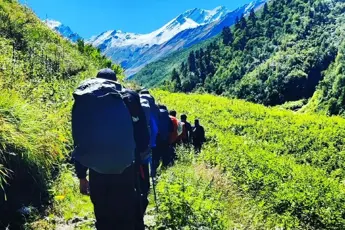
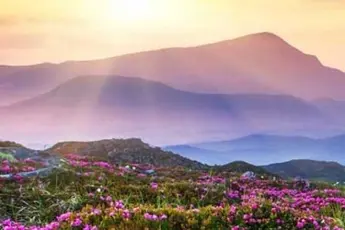
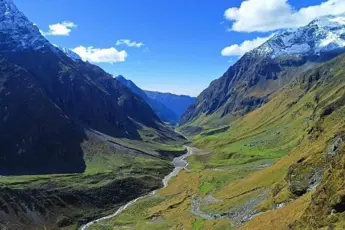
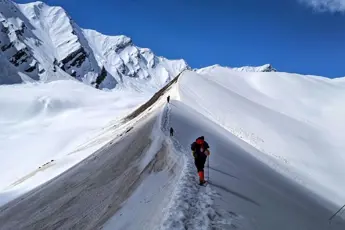
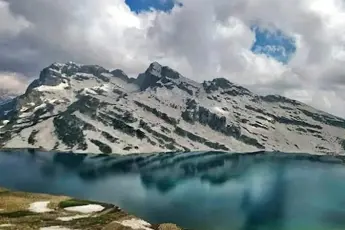
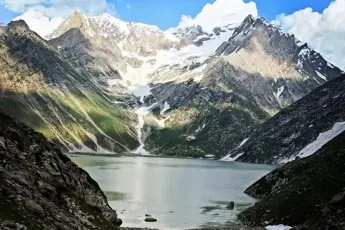
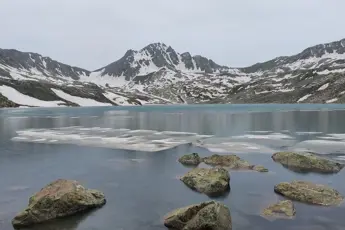
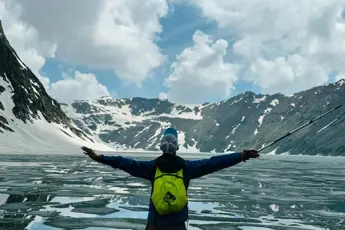
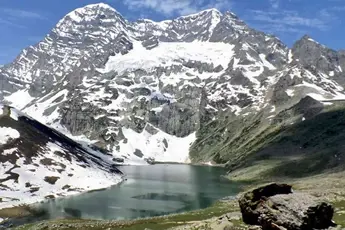
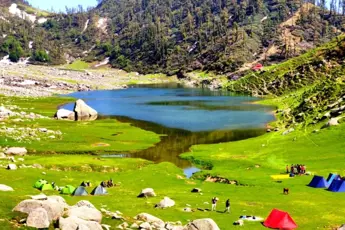
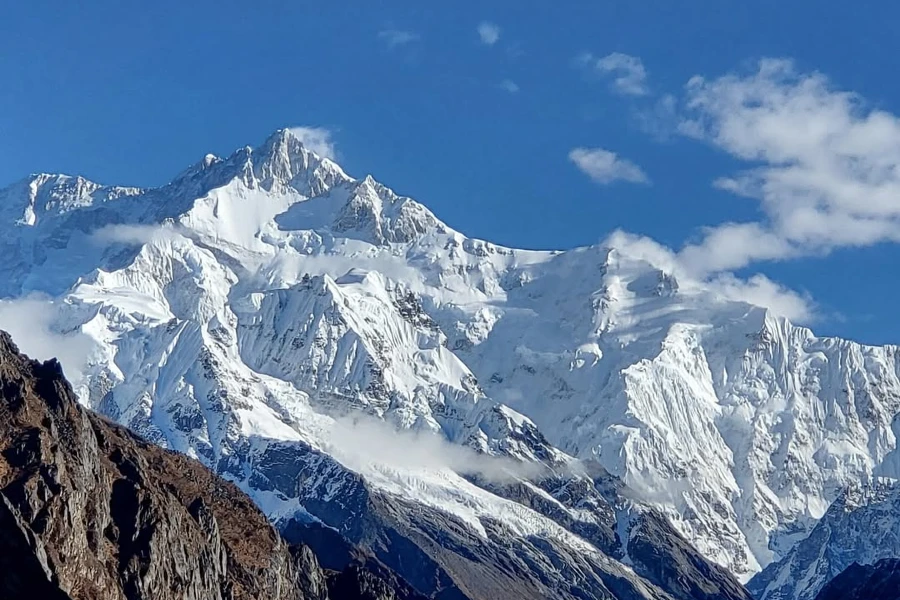
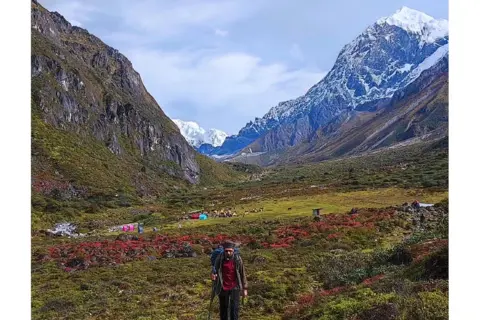
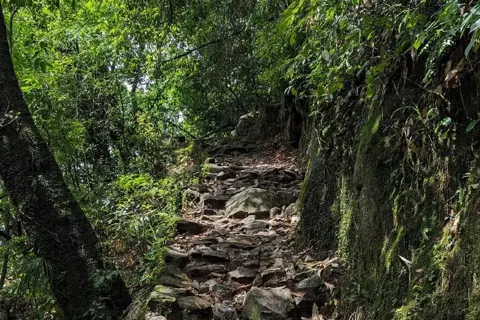
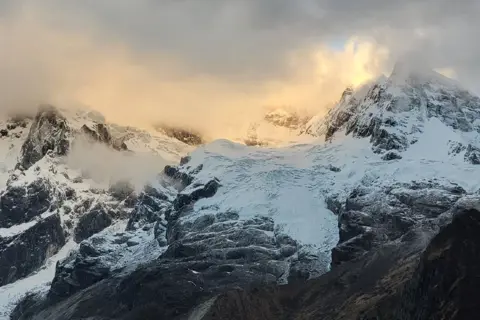
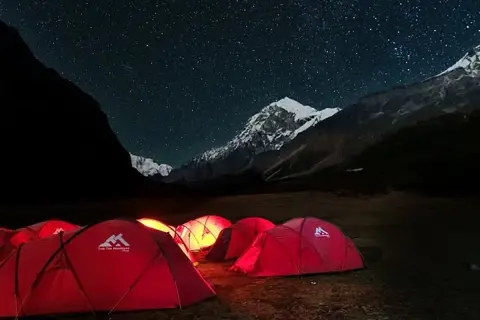
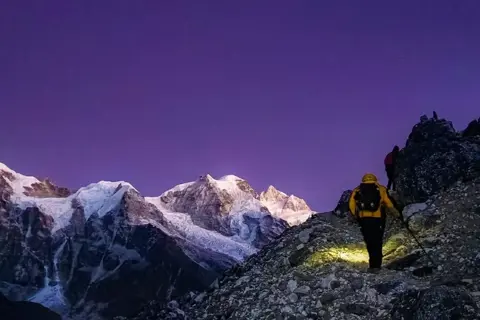
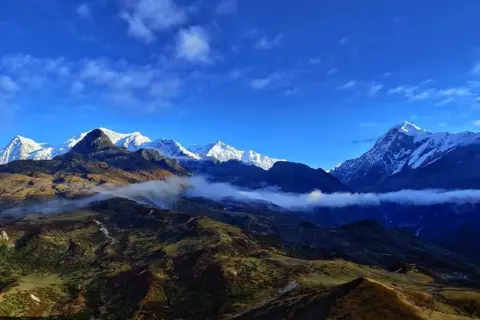
The Gokyo Ri Trek is a top trek in Nepal, giving a great path to see Everest Base Camp. It sits in the Khumbu part of the big Himalayas. Gokyo Ri, high up at 5,357 meters, is a spot with wide views across many of the tallest tops, like Everest, Lhotse, Makalu, and Cho Oyu. The path there goes through green dips, bridges hung with flags, and Sherpa towns full of old ways and life. What sets this trek apart are the Gokyo Lakes, six high, blue lakes held holy by Hindus and Buddhists. The trail goes by the big Dudh Koshi River up to Gokyo village at 4,750 meters. Here, trekkers get set before they go up to Gokyo Ri. This way is less busy but still shows great views. It takes 12–14 days, based on the plan and how long you stay to get used to the high. It's best in spring (March–May) and fall (September–November). A special part is being atop Gokyo Ri at sunrise, with the first light on the snowy high tops. This trek is for those who like a mix of fun, calm, and deep local life.History of Gokyo Ri TrekLong back, the Gokyo Ri Trek goes back to the first times and lives in the Khumbu area, and the deep meaning of its lands. Before it was known for trekking, the Gokyo Valley had Sherpa folk, who came from east Tibet in the 15th century. They fit into the high life and their Buddhist ways made the place's feel. The Gokyo Lakes have been holy sites for long. Hindus see these lakes as the home of snake gods, and Buddhists see them as pure signs. Each year in August, during the Janai Purnima event, folks from Nepal and India head to the lakes to wash, hoping to clean their sins. This goes back way before trekkers ever came. Western interest in this area grew in the early 1900s when folk came to climb Everest.Yet paths like Gokyo stayed unseen by far-out folk until the 1970s. With Sagarmatha National Park made in 1976, Gokyo Valley was seen as key for nature, with rare animals like snow leopards. In the last years of the 1900s, as more folks came to trek in Nepal, Gokyo Ri grew well-known as a quiet, open choice to Everest Base Camp. Its view point got known for its big look at the Himalayas. Now, the Gokyo Ri Trek is a must-do for trekkers all over. Even with new resting spots and clear paths, it holds the deep ties to Sherpa life and the strong feel for the Gokyo Lakes. It is where old ways meet new paths, filling each step with both old stories and new sights.Nearby Places to Visit During the Gokyo Ri TrekGokyo Lakes: The six bright green Gokyo Lakes are some of the top freshwater lakes in the world, placed between 4,700 and 5,000 meters up. With snow peaks around them, these ice lakes mean a lot to both Hindus and Buddhists. The third lake, Dudh Pokhari, is next to the Gokyo village and gives a calm stop for trekkers going up Gokyo Ri.Ngozumpa Glacier: This ice flow is over 36 kilometers long and is the longest in the Himalayas. It sits just west of Gokyo and shows off a sharp look against the clear lakes. Walking by it lets you get near to ice shapes and the big forces of nature that built the Khumbu area.Renjo La Pass: Up high at 5,360 meters, Renjo La Pass has one of the best mountain views in the Everest area, with sights of Everest, Makalu, and Cho Oyu. Many who hike Gokyo Ri also go over Renjo La, adding more fun and great views to their walk.Machhermo Village: On the way to Gokyo, Machhermo is a nice Sherpa town with old stone homes and yak grasslands. It's a good stop to get used to the height, and old tales tell of yeti seen near, adding a bit of fun to your trek.Everest Viewpoint from Gokyo Ri: While it’s part of the trek, the peak of Gokyo Ri is a spot to note. From the top, you can see four of the world's top mountains Everest, Lhotse, Makalu, and Cho Oyu—and a great view of the Gokyo Lakes and ice around them.Best Time to Visit Gokyo Ri TrekSpring (March to May): Spring is a liked time for the Gokyo Ri Trek. The air is stable, clear and not too cold or hot. This is also when bright flowers bloom lower down, adding color. The clear air is great for taking pictures and seeing far off mountains.Autumn (September to November): Autumn is seen as the top time to walk in the Everest area, including Gokyo Ri. After the rains, the air is very clear and the views are great. It's warm in the day and cool at night. This time brings a lot of trekkers, so the paths and places to stay are full of life.Winter (December to February): Winter has very cold air, big snow, and some paths may be blocked. Yet, for those ready for the cold, it brings a quiet walk with fewer people and pure snow views. The winter mountain views are very sharp and strong.Monsoon (June to August): The monsoon season is usually not the best for the Gokyo Ri Trek because of heavy rain, mud, and less clear views. The rain can make landslides down low, and flights to Lukla may be late or not go due to bad air. Yet, the valleys get full of green and the lakes look bigger and richer.How to Reach Gokyo Ri TrekBy Airport: The closest airport to start the Gokyo Ri Trek is Tenzing-Hillary Airport in Lukla. To get there, you must first fly from Kathmandu to Lukla, a quick but scenic 30–35 minute trip over the Himalayas. Lukla is where the trek starts. Air there can change fast, so flights may be late or not go, so plan extra days. You can also fly by chopper from Kathmandu during busy trek times if you can spend more.By Railway Station: Nepal has no trains to the Everest area. If coming from India, the near big rail spot is Raxaul Junction (Bihar, India), connecting to Birgunj in Nepal. From there, go by road to Kathmandu, then fly to Lukla to begin your walk. While slower, this can save money for travelers from India.By Road: Though no direct roads to Lukla, you can partly reach the Everest area by road. From Kathmandu, take a bus or jeep to Phaplu or Salleri in Solukhumbu, which takes about 8–12 hours. Then walk towards Lukla, adding days to your trip. Or take the old path via Jiri, with a long drive from Kathmandu and days of walking to the Gokyo Valley.Why Book with escape2exploreWhen exploring the Gokyo Ri Trek and beyond, escape2explore stands out as a trusted name in adventure and experiential travel. Here’s why hundreds of travellers choose us for their getaways:Trusted, Well-Reviewed Local Operator: escape2explore has gained the trust of thousands of content tourists all over India. With persistent positive feedback and an unblemished reputation for delivering quality experiences, we assure you that your experience will be hassle-free, memorable, and value-packed. Our insider local knowledge guarantees that you will always be in safe hands.Seasoned Guides: Our trips are led by friendly, trained, and professional guides who are passionate about the outdoors and your safety. Whether it's a beach trek, a cultural tour, or a spiritual walk through temples, our team knows the terrain, the stories, and how to make each moment count.Safe & Curated Itineraries: Your safety is our number one priority. Our tour packages are thoughtfully crafted with safety measures, researched accommodations, and easy travel arrangements. We take care of the details so you can have the experience hassle-free and worry-free.Unique Experience That You Won't Find Anywhere Else: With escape2explore, you discover more than the tourist attractions. We go off the beaten track with hidden beaches, unusual treks, offbeat cultural destinations, and true interactions.

 Min Age18+
 TaxNo Hidden Charges