

Dehradun
Dehradun



 Kumaon, Uttarakhand
 Min Age18+
 TaxNo Hidden Charges
Starting from INR 39998
Per Person
( Inclusive of all taxes )
 CHRISTMAS SALE

Meal

Permit
Trekking

Guide
Tent Stay

Tea Snacks

Transport

Dormitory Stay
Meal
Permit
Trekking
Guide
Tent Stay
Tea Snacks
Transport
Dormitory Stay
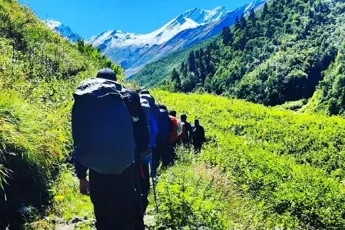
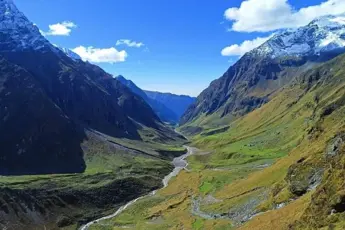
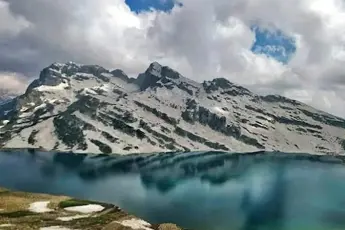
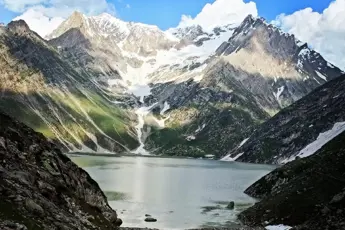
Trek through scenic Kullu and Garhwal Himalayan ranges with breathtaking views of snow-capped peaks and valleys.
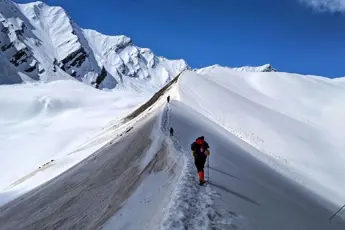
Cross the Borasu Pass at 5,150 meters, an exhilarating challenge for seasoned trekkers seeking high-altitude adventure.
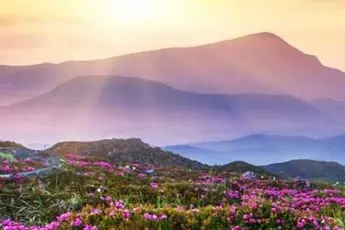
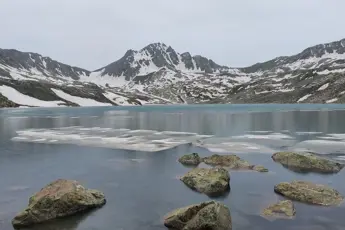
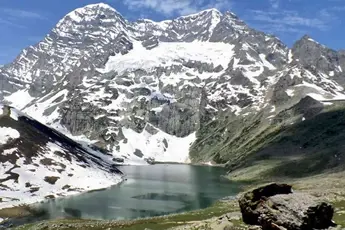
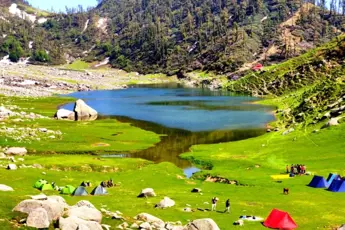
Experience diverse landscapes, including alpine meadows, glaciers, dense forests, and pristine river valleys along the way.
Immerse yourself in the local
Activity location: Kumaon, Uttarakhand
Trip Duration: 7 Days | 6 Nights
Max. Altitude: 5,450 meters (17,880 feet)
Trekking Distance: Approximately 64 km on foot
Best Time to Visit: May to June and September to October
Meals: Vegetarian meals
About Borasu Pass Trek, Uttarakhand:
The Borasu Pass Trek is an adventurous and challenging high-altitude trek that connects the pristine valleys of Himachal Pradesh and Uttarakhand, making it a perfect choice for experienced trekkers. The trek takes you through dense forests, alpine meadows, and stunning glaciers, offering panoramic views of some of the highest peaks in the Garhwal and Kullu Himalayas. Situated at an altitude of 5,150 meters (16,896 feet), the Borasu Pass is a remote and less-travelled pass that requires careful planning and endurance. This trek is known for its dramatic landscapes, varied terrain, and an unparalleled sense of tranquillity that trekkers find once they reach the pass.
The trek typically spans 10-12 days, covering about 70-80 kilometres, and passes through some of the most untouched regions in the Indian Himalayas. The Borasu Pass Trek not only promises breathtaking natural beauty but also a cultural immersion into the lives of local shepherds and villagers along the way. As you ascend, you’ll encounter steep ascents, rocky trails, and sections of snow, making it an ideal option for those seeking a thrilling challenge. The trek’s highlight is the mesmerizing view from the pass, where trekkers can catch sight of the towering peaks of Gangotri and Kedar Dome. For trekkers who are prepared for the journey, the Borasu Pass Trek offers a once-in-a-lifetime
Inclusion
a
Drive from Dehradun to Sankri.
Start your adventure Begin with a scenic drive from Dehradun to Sankri, which serves as the base camp for treks like Kedarkantha, Har ki Dun, and Bali Pass.
Enjoy winding, picturesque Himalayan roads.
Take in the lush landscapes along the way.
Experience unique cultural sights of the region.
Sankri to Seema via Taluka.
Start the day: After breakfast, take a short drive to Taluka, the starting point of your trek.
Trek Route: The trek begins as you walk through the beautiful Govind Pashu Vihar National Park, alongside the Supin River.
Terrain: Trek through lush forests, pass quaint villages, and enjoy the sight of fields of red amaranth (cholai) in the Himalayas.
Notable Stops:
Village of Gangad: Enjoy views of this charming village across the river.
Seema Village: After 6 hours of trekking, arrive in Seema, a small hamlet opposite the well-known Osla village. You can either camp here or stay in a traditional homestay with a local family.
Seema/Osla to Har ki Dun.
Start your trek: Begin the day with a gentle ascent through dense forests and meadows brimming with wild orchids and sunflowers.
Cross the confluence of the Supin River and a tributary from Ruinsara Valley.
Continue trekking into alpine landscapes as the altitude increases.
Camp at the scenic Har ki Dun, a historic and spiritual spot located at the junction of two valleys — one from the Jaundhar Glacier and the other from Hata Glacier.
Trek Distance: 12 to 13 km.
Har ki Dun to Ratha Tho.
Start the day After a relaxed morning at Har ki Dun, begin the trek at a moderate pace.
Pass the serene Morinda Tal, a peaceful mountain lake surrounded by stunning landscapes.
Cross boulder-strewn paths that add an adventurous touch to the journey.
Marvel at breathtaking views of snow-clad peaks and vast valleys, which accompany you throughout the trek.
Camp Location: Reach Ratha Tho, your campsite for the night, where you'll enjoy the serene and magnificent Himalayan surroundings.
Ratha Tho to Borasu Pass Base Camp (Upper Lamjung).
Trek Start: Begin the day by climbing higher through rocky terrain, often covered in snow.
The path becomes more challenging as you ascend, but the panoramic views you encounter along the way are incredibly rewarding.
Traverse through alpine landscapes, with dramatic snow-capped peaks and glaciers in sight.
Reach Upper Lamjung, the base camp for Borasu Pass, where you'll set up camp. The area is often blanketed in snow, offering majestic views of the surrounding valley below.
Borasu Pass Base Camp to Bonga via Borasu Pass.
Trek Start Begin early for the highlight of the trek – crossing Borasu Pass at an altitude of 17,583 ft.
The ascent is challenging, as you climb over two glaciers before tackling the final stretch over boulders.
Once at the top, you'll be rewarded with stunning views of the Borasu Pass and its surrounding snow-covered peaks.
After reaching the pass, begin the descent into Himachal Pradesh through glistening snowfields, enjoying breathtaking vistas along the way.
Arrive at Bonga, a campsite located by a tributary of the Baspa River, where you can rest and soak in the tranquility of the surroundings.
Bonga to Chitkul.
Trek Start The final day of trekking begins with a leisurely walk through alpine meadows and forests, offering a gentle descent.
Enjoy the lush landscapes as you pass through tranquil forests and meadows, filled with the beauty of the Himalayas.
Reach Chitkul Village, the last inhabited village near the Indo-Tibetan border, known for its scenic beauty and serene environment.
Chitkul is surrounded by stunning landscapes, offering a perfect end to your trek. The village is a peaceful retreat, with traditional architecture and spectacular views of the valley.
CHRISTMAS SALEDehradun
Dehradun
Clothing:
Warm layers (thermals, fleece, down jacket)
Waterproof jacket and pants
Trekking pants and quick-dry T-shirts
Woollen cap, gloves, and scarf
Footwear:
Sturdy trekking shoes with good grip
Extra socks (woollen and synthetic)
Gear:
Backpack (40-50L) with rain cover
Trekking pole, headlamp with extra batteries
Water bottle or hydration system
Personal Essentials:
Sunglasses, sunscreen, and lip balm
Basic toiletries and personal medications
First-aid kit
Miscellaneous:
Power bank, camera, and spare batteries
Snacks and energy bars
ID proofs, permits, and cash
Pack smart, travel light, and enjoy your trek!
Trusted by 50,000+ travelers for unforgettable outdoor adventures across South India.
Professionally curated itineraries
Experienced trip captains & support team
Safe, organized, and beginner-friendly experiences
Comfortable transport & verified stays
Highly rated with excellent traveler reviews
Transparent pricing with no hidden costs
12+ Years of Experience
4.8★ Google Rating
Starting from INR 39998
Per Person
( Inclusive of all taxes )
CHRISTMAS SALE

4.8
Out of 5.0
5
47
4
8
3
1
2
0
1
0

Priyanka Reddy
Reviewed: Jan 16, 2025
5/5
I did the Borasu Pass Trek with escape2explore, and I’m so glad I did. The whole experience, from transportation to the trek, was well organized. Our guide was very professional... Read More
Rohit Malhotra
Reviewed: Nov 21, 2024
5/5
Escape2Explore provided an excellent experience. Great coordination, safe transportation, and our guide was truly experienced.
Rupali Joshi
Reviewed: Nov 21, 2024
5/5
My Borasu Pass Trek experience with Escape2Explore was extraordinary. From the moment we got into the transportation vehicle, everything was seamless. Our guide was an expert and kept us safe... Read More
Amit Agarwal
Reviewed: Oct 17, 2024
5/5
The experience of trekking Borasu Pass with escape2explore was truly incredible. The guide kept us motivated through the challenging parts of the trek and gave us detailed insights about the... Read More
Manoj Deshmukh
Reviewed: Oct 16, 2024
5/5
Escape2Explore turned a regular trek into an unforgettable experience. The Borasu Pass trail is tough, but the guide supported us at every step. I was impressed by the planning –... Read More
Borasu Pass is located at an elevation of 5,450 meters (17,880 feet), making it one of India's highest trekking routes. The pass connects the Garhwal and Kinnaur regions, offering breathtaking views of snow-capped peaks.
This trek is rated as challenging due to steep climbs, unpredictable weather, and glacier crossings. It demands strong endurance, high-altitude trekking experience, and prior preparation for rough terrain.
The best trekking months are June to July and September to October. These periods provide stable weather, avoiding heavy snowfall and extreme cold, which makes the trek safer and more enjoyable.
The trek typically takes 8-10 days, including travel time from Dehradun. The itinerary includes acclimatization stops and gradual ascents to help trekkers adjust to the high altitude.
The trek begins at Taluka village, near Sankri. From Dehradun, trekkers travel by road to Sankri and then proceed to Taluka, the last motorable point before the trail starts.
The trek features stunning glaciers, river crossings, vast alpine meadows, and spectacular views of Kinnaur and Garhwal peaks. It also follows ancient trade routes used by locals for centuries.
Yes, previous high-altitude trekking experience is highly recommended. The terrain is demanding, and the trek involves challenging ascents, making it unsuitable for beginners without prior exposure to such conditions.
Yes, the trek includes technical sections where crampons and ropes may be necessary. Trekkers must navigate icy patches, glacial moraines, and rocky terrain, making technical skills essential.
Trekkers may encounter snow leopards, ibex, and golden eagles in this region. The remote and high-altitude landscape provides a habitat for diverse Himalayan wildlife, making the trek even more exciting.
Temperatures at higher altitudes can drop to -15°C, especially at night. Trekkers must carry adequate cold-weather gear to withstand the freezing conditions during the trek.
Yes, acclimatization is crucial to prevent altitude sickness. The trek itinerary includes gradual altitude gain and rest days to help trekkers adjust to lower oxygen levels.
Yes, you can join the trek to Borasu Pass. The trek’s difficulty level is moderate and can be attained without someone’s support. Wear robust footwear, and comfortable clothes, and maintain basic fitness to complete the trek.
The safety and security of women/girls are paramount to us. Hence, it's entirely safe for women/girls to participate in our treks and travels. Our trek leaders always accompany the group, offering constant assistance and direction. Our campsites are thoroughly secure and provide a safe lodging environment. In addition, our female trek leaders often join our treks.
Your money will be refunded within 2-3 business days.
Unfortunately, it's not feasible to reschedule your trek to a future date if you're unable to attend on the designated day, regardless of the circumstances (like family emergencies, health problems, or work commitments). However, if you have concerns about this policy, please don't hesitate to email us at info@escape2explore.com, and our team will get in touch with you to discuss further.
Life is unpredictable and we understand that sometimes you have to cancel or change your trip dates and we endeavour to make it as easy as possible for you. However, please understand that we plan everything including guide fees, permits, accommodation and rations in advance. Therefore, any cancellation means inconvenience and certain losses to the people involved in various stages of the programme. Keeping that in mind, our cancellation charges are as below -
Cancellations before 30 days from the start of the event: Get a monetary refund with 15% of cancellation charges.
Cancellations between 30 days and 15 days to the start of the event: 50 %refund.
Cancellations less than 15 days to the start of the event: No refund.
Cancellations will
Borasu Pass Trek isn’t your average “walk-in-the-park” Himalayan stroll, nah, this one’s for the folks who are genuinely itching for an adventure that’ll kick their butt (in a good way). You start in Sankri, which is this sleepy little village in Uttarkashi, blink and you’ll miss it, but that’s part of the charm. You’re winding up through Har Ki Dun valley, hitting spots like Taluka, Osla, Seema, all names that sound straight outta some old explorer’s diary. Like, you’ll be trudging along and suddenly boom, Swargarohini is looking all godly, Kalanag (Black Peak) flexing in the background, and Bandarpoonch just chilling. Streams everywhere, wildflowers trying to outdo each other, and the kind of wooden bridges that make you feel like you’re on a movie set. It’s wild, for real. what sets Borasu apart is how empty it feels. No crowds, hardly any signboards, basically just you, your thoughts, and a few mountain goats giving you the side-eye.
This isn’t one of those “Instagram influencer” hotspots, and honestly, thank god for that. It’s raw, it’s a little intimidating, and the whole vibe screams “adventure.” Plus, the pass itself is kinda legendary, way up near the Indo-Tibetan border, old-school traders used to haul stuff over here, which just adds to the mystery. We’re talking altitude that’ll leave your lungs begging for mercy, scree slopes that love to make you slip, and weather that changes its mind every few hours. You gotta be fit, a bit stubborn, and not allergic to pain. Oh, and you end up in Chitkul, which is the last outpost before you hit the wilds near the Indo-China border. The scenery and even the people suddenly switch up, which is a trip in itself. If you’re gunning for the right time, shoot for anywhere between mid-May and early October. Before or after that, you’re probably just asking for trouble (or, you know, a snowstorm to the face). Bottom line: Borasu Pass is the real deal. If you’re looking for a trek that’ll test your limits and make your Instagram followers jealous for all the right reasons, this one’s calling your name.
Borasu Pass isn’t just some random mountain notch sitting at 5,450 meters (yeah, that’s 17,880 feet basically, nosebleed territory). It’s a slice of history, wedged right into the wild Garhwal Himalayas. People have been trudging across this brutal, beautiful landscape for ages, way before anybody thought of carving up mountains for highways. Borasu Pass was the lifeline between the Har Ki Dun valley in Uttarakhand and the Baspa Valley over in Himachal. Imagine shepherds, traders, and local tribes hustling across, swapping wool, herbs, salt, and grains for buckwheat, dry fruits, and whatever else you couldn’t snag in your backyard. No Amazon Prime out here, just a killer hike and some serious bartering. Villages like Osla, Taluka, and Seema were in on the action, keeping those ancient Himalayan economies somehow alive. Borasu isn’t just about trade and tough hikes; it’s got a whole spiritual vibe, too. The area around Har Ki Dun is deeply rooted in Hindu mythology. If you’ve ever cracked open the Mahabharata (or, let’s be honest, just heard the stories), you’ll know the Pandavas supposedly took this route for their last earthly journey, the Mahaprasthan. Swargarohini Peak even pops up along the trek, allegedly the actual “Stairway to Heaven.” No joke, Yudhishthira and his loyal pupper are said to have taken that path. Bet Zeppelin never thought of that when naming their song. Then came the British, sniffing around for “strategic importance” and cool plants to document.
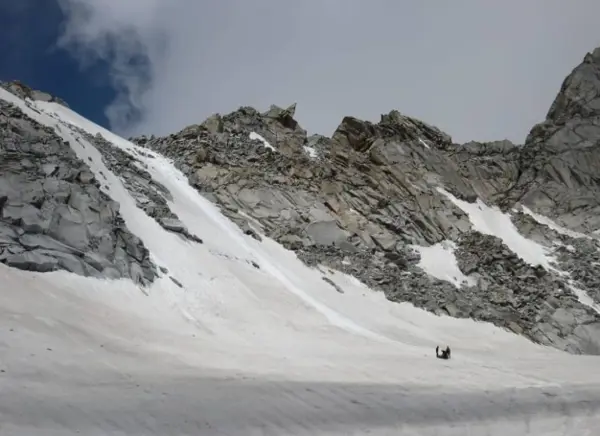
Botanists, explorers, mountaineers, basically, anyone with a pith helmet and a stubborn streak found their way over Borasu, scribbling notes about flowers and rocks while probably freezing their butts off. Once India’s borders got dicey post-partition, and with all the shiny new roads elsewhere, Borasu started to fade out as a trade route. These days, it’s pretty much off-limits unless you snag special permits, since it hugs what’s now a sensitive Indo-China border zone. Not exactly a casual Sunday stroll. But here’s the twist: hardcore trekkers are obsessed with the place now. The challenge, the altitude, the chance to wander between two completely different valleys on one trip it’s pure catnip for adventure junkies. You get the sense of stepping through a door into some wild Himalayan backstory, where survival was all about guts and grit, and where mythology, nature, and good old human stubbornness all mashed up together. walking Borasu Pass is like flipping open a secret diary from the Himalaya, one where the pages are written in clouds, snow, and a whole lot of sweat.
Har Ki Dun Valley: People call it the “Valley of the Gods”, and, honestly, I get the hype. You’re smack in the middle of the Garhwal Himalayas, with snowy peaks and wildflower meadows all around like something outta a fantasy flick. This place isn’t just a pretty face, though. The Mahabharata legends practically seep out of the soil, and the locals still live old-school, none of that big-city rush. If you’re aiming for Borasu Pass, Har Ki Dun’s your launchpad or your victory lap if you’re coming back. Either way, it’s a must-see.
Osla Village: Blink and you might miss it, but wow, it packs a punch. Picture a tiny Himalayan village with those wooden houses that look straight out of a storybook. that’s right worshipping the Kaurava prince. Not exactly your everyday temple stop, and they’ll probably feed you till you burst. It’s the kind of place where you get a taste of how things have been done for, like, centuries.
Chitkul Village: Chitkul is the last stop before you run out of India literally. It’s right up against the Indo-China border in Himachal’s Baspa Valley. Apple trees everywhere, pine forests, and those killer views of the Kinnaur Kailash range. Seriously, if you’re crawling in after that Borasu Pass Trek, Chitkul is where you put your feet up and just exist for a bit.
Sankri: Sankri’s like the gateway drug for trekkers. It’s where all the wild adventures start, Har Ki Dun, Borasu Pass, you name it. The place is small but super lively, tucked away in the Govind Wildlife Sanctuary. You’ll see trekkers all over, stuffing their faces with local food, poking around the markets, or just soaking up the mountain air. If you wanna acclimatise or snag some last-minute supplies, this is your spot.
Ruinsara Tal: Man, Ruinsara Tal’s a hidden gem if there ever was one. High up, this glacial lake just sits there looking all peaceful, surrounded by birch forests and those big-name peaks, Swargarohini, Black Peak, you know the ones. Not a lot of people make the detour, so if you want that “I’m the only one here” vibe, this is it.
Taluka: Taluka’s where you first hit the trail. It’s remote, but hey, you can still get there by road miracle. Those wooden houses look like they’ve been around forever, and the vibe is just wild and green. This is where you get your first real taste of what the region’s about, both nature and culture. From here, it’s all boots-on, heading deeper into the mountains.
Mid-May to June (Late Spring to Early Summer): If you’re looking for that sweet spot, this is it. The snow’s finally backing off, so the trails open up, and suddenly, bam, you’ve got wildflowers everywhere, meadows doing their thing, streams flowing instead of being frozen solid. Days are comfy. so don’t show up in shorts and expect a picnic. Photographers love this window, by the way. It’s like the Himalayas just woke up from a nap and look ridiculously pretty.
July to Mid-August (Monsoon Season – Not Recommended): The rain comes down like it’s got something to prove. Trails turn into slip-and-slides, landslides are a thing, and good luck crossing rivers they’re basically in full rage mode. Visibility sucks, and don’t even get me started on the leeches.
Mid-August to October (Post-Monsoon to Autumn): This is prime time, hands down. The sky’s all clear, you can see those epic peaks, Swargarohini, Black Peak, Bandarpoonch, without squinting through clouds. The whole place goes full autumn mode, all gold and brown and crispy. Weather chills out, trails are safer, and you’re not dodging rain or random snow dumps.
November to April (Winter Season – Not Advisable): A hardcore mountaineer with gear that probably costs more than my car, don’t even think about it. The whole thing’s a frozen wasteland. Snow’s everywhere, temps are brutal, and if you try to trek now, you’ll probably just end up starring in a “what not to do” video.
By Airport: You’ll wanna land at Jolly Grant Airport in Dehradun, that’s your best bet. It’s about 220 km from Sankri (that’s the place you gotta reach for the Borasu Pass trek). Flights from big cities like Delhi, Mumbai, or Bangalore come in pretty regularly. Once you touch down, just grab a cab or hop in a shared taxi.
By Railway Station: Dehradun Railway Station is where you’ll roll in. Trains from Delhi, Kolkata, Lucknow, you name it, they all pull through here. After you get off, snag a taxi or pile into a shared jeep. The road to Sankri goes through some seriously gorgeous spots, Mussoorie, Purola, Mori, think lush foothills, winding roads, maybe a monkey or two watching you drive by.
By Road: You can drive straight to Sankri from Dehradun. It’s roughly 200–220 km, and yeah, it takes 9 or 10 hours (not kidding, those mountain roads are no joke). You’ve got options: private taxi, shared jeep, or even a state-run bus if you’re feeling adventurous.
When exploring the Borasu Pass Trek from Bengaluru and beyond, escape2explore stands out as a trusted name in adventure and experiential travel. Here’s why hundreds of travellers choose us for their getaways:
Trusted, Well-Reviewed Local Operator: escape2explore has gained the trust of thousands of content tourists all over India. With persistent positive feedback and an unblemished reputation for delivering quality experiences, we assure you that your experience will be hassle-free, memorable, and value-packed. Our insider local knowledge guarantees that you will always be in safe hands.
Seasoned Guides: Our trips are led by friendly, trained, and professional guides who are passionate about the outdoors and your safety. Whether it's a beach trek, a cultural tour, or a spiritual walk through temples, our team knows the terrain, the stories, and how to make each moment count.
Safe & Curated Itineraries: Your safety is our number one priority. Our tour packages are thoughtfully crafted with safety measures, researched accommodations, and easy travel arrangements. We take care of the details so you can have the experience hassle-free and worry-free.
Unique Experience That You Won't Find Anywhere Else: With escape2explore, you discover more than the tourist attractions. We go off the beaten track with hidden beaches, unusual treks, offbeat cultural destinations, and true interactions.
Hey there!! 👋
Have any enquiries

Unleash adventure near Bangalore! From hills to caves, immerse in nature's thrill. Unforgettable memories await!









318/A, 9th Main Rd, Ideal Homes Layout, BEML Layout 3rd Stage, Rajarajeshwari Nagar, Bengaluru, Karnataka 560098