

Things To Do Near Uttari Betta Overview
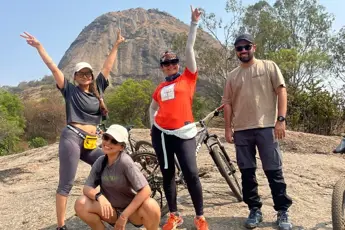
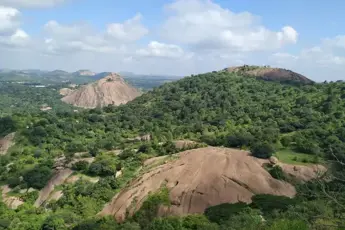
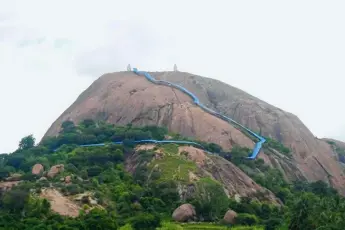
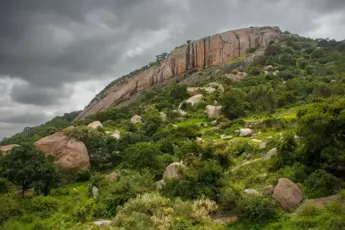
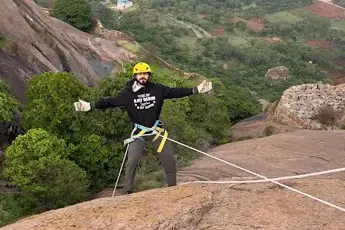
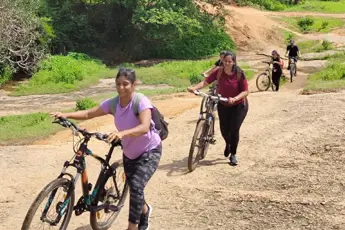
Hutridurga, more commonly known as Uttari Betta, is a village and a hill fort in south-eastern Kunigal taluk. The elevation of this hill is 1,142 meters or 3,747 feet above the mean sea level, located 15 km southeast of Kunigal. Hutridurga is also located 65 km to the west of Bengaluru. It lies on the Kunigal-Magadi State Highway 94 (Karnataka) , nearly 7 km from the highway and 10 km from the Anchepalya industrial area on the Bengaluru-Mangalore National Highway (India) near Kunigal. Eight gateways started foot to the sand go summit and several outer gates. On the included summit, called S ankarakumbhi, is a small Shankareshwara temple with a spring called Dodda done or a big spring in front of it. From the summit, we get an extensive view of the surrounding landscape dotted by many tanks and hills. Hutridurga derives its name from Hutri, a village situated about 3 km from the foot of the mountain. Santhepet is the name given to the town at one level below the hill, while the one located at the first elevation is Hutridurga. Hutridurga has temples of Adinarayana, Veerabhadra and Anjaneya etc. Uttari Betta is a great choice for travelers seeking beginner-friendly adventures near Bangalore.UTTARI BETTA HIGHLIGHTS:Hutridurga was built in the 16th century by Kempegowda. Ruined fortifications are still visible on the two hillocks surrounding the village. Huthridurga Fort was a Tipu Sultan's military outpost against the British; the British had already captured it in 1791. The fort is supposed to have seven layers and is regarded as one of the nine "Durgas," or the fortified hills encircling Bengaluru. It is also called "Nava Durgas". It has a small temple dedicated to Shiva, known as the Shankareshwara temple, a Nandi idol on the top of the hill, and an Anjaneya temple midway. Aadi Narayanaswamy and Veerabhadra temples are located in the village. Uttari Betta holds significant cultural values for its communities. The hill is associated with several local legends and folklore; thus , the trekking experience becomes historical. Local people who live around the village practice agriculture and mainly grow coffee and spices to contribute to the economy of this region. Simplicity and hospitality by the local people make the experience even warmer as it gives trekkers a view of traditional life. As tourism to Uttari Betta increases, this is one of the most severe environmental concerns. The authorities have undertaken several steps to promote sustainable tourism to ensure that the natural beauty and biodiversity of the area are maintained for posterity. Individuals visiting are motivated to adopt the Leave No Trace principle, making a minimum footprint with respect for local ecosystems. There is much more to adventure than trekking in Uttari Betta. Some of the adventure activities one can Indulge in include rock climbing and rappelling , which most adventure enthusiasts seek after. Birdwatching and nature photography are also quite prevalent, where people take an opportunity to capture the region's incredible beauty. For those interested in cultural experiences, community-based tours are provided to learn more about the traditional lifestyle of the inhabitants, making for a more enriching experience. BEST TIME TO VISIT :The best time to visit Uttari Betta is between April and June and between November and March. During this time, the weather is quite pleasant, and the atmosphere turns into a lovely display of ambient colours. From July to October, the hilltop witnesses the rainy season, which must be avoided when visiting Uttari Betta.TIPS FOR VISITING UTTARI BETTA:The monsoon season is not one of the best times to visit Uttari Betta. The wet roads and slippery trails make it very tiresome and difficult to stay afoot, and the terrain can be a major problem to traverse.Always carry enough water with you to avoid incidents of dehydration.Ensure you wear comfortable clothes and footwear to avoid unease.Since the trail is long, ensure you are physically fit to undertake the trek. Exercising and stretching activities a few days before the trek might be helpful.For a night trek, make sure that you are equipped with adequate torches and batteries, which will be very useful.HOW TO REACH Kempegowda International Airport in Bangalore is about 60 kilometres , and this is the closest one to reaching Uttari Betta. From there, one can take a taxi or cab or ride share, though the road would be nearly 1.5 to 2 hours, depending on traffic. The closest central railway station is Chikkaballapur, 18 km from Uttari Betta. You can hail a taxi or an auto-rickshaw to your place from the railway station. Trains are regularly available from Bangalore to Chikkaballapur and would take an hour. Public buses are also available from Bangalore to Chikkaballapur, and you can hire local transport to reach Uttari Betta.